The Myth of Maintenance-Free Drainage
After twenty-five years in the trenches of exterior water management, I have seen it all. I have seen foundations cracked wide open because of a single missing end cap, and I have seen fascia boards rotted through because some ‘pro’ forgot the basic physics of water adhesion. Most homeowners think of their gutters as a ‘set it and forget it’ system. They are wrong. Water is the most destructive force on your property. It wants to get inside. It wants to settle in your crawlspace. My job is to make sure it doesn’t. But in 2026, we are facing a new challenge: what happens to the tons of metal and plastic we tear off houses every year? Disposal is no longer just about the landfill; it is about engineering a lifecycle for the materials that protect our homes.
The Fern Forest: A Lesson in Surface Tension
I recall a job last spring on a heavily wooded lot. The homeowner had spent nearly six thousand dollars on a ‘miracle’ micro-mesh guard system designed to keep everything out. When I performed a drone gutter inspection, the high-resolution feed didn’t show clean metal. It showed a thriving colony of ferns and black locust saplings growing directly out of the mesh. This happened because of organic silt buildup. When pollen and fine debris mix with water, they create a nutrient-rich paste. Surface tension then causes the water to ‘bridge’ across the mesh holes rather than falling through into the trough. The water was overshooting the gutter entirely, dumping right onto the foundation. This is why I am skeptical of any ‘permanent’ solution that ignores the need for periodic roof gutter sweeping. Even the best tech requires a human eye or a telescopic gutter tool to ensure the system hasn’t become a greenhouse.
“Downspouts shall be sized based on the rainfall intensity of the region and the roof surface area.” – International Plumbing Code, Section 1106
The Physics of the Asphalt Shingle Gutter Edge
When we talk about asphalt shingle gutter edge performance, we are talking about the critical interface where the roof ends and the drainage begins. If your shingles don’t overhang the drip edge by at least half an inch, water will wick backward through capillary action, rotting your soffit and fascia. This is why fascia gutter mounting must be precise. I use heavy-duty hangers every 12 inches—forget the old spike and ferrule method that pulls out after three seasons of thermal expansion. In 2026, we are also seeing more awning gutter integration, where secondary structures are tied into the primary leader system. If the math on your flow velocity is off, you’ll end up with a waterfall during a heavy downpour. You need to account for the square footage of every surface that catches rain.
1. Closed-Loop Aluminum Upcycling
The first and most effective eco-friendly disposal method for 2026 is the closed-loop recovery of seamless aluminum. Aluminum is infinitely recyclable, yet most contractors just toss old runs into a dumpster. When we perform repairs or full replacements, we now separate the miter corners, elbow joints, and hangers. Aluminum retains 95% of its original value when recycled. By bringing these to a specialized scrap processor, we ensure that your old, leaky 5-inch gutters are melted down to become new, high-efficiency 6-inch troughs or perhaps even leader box gutters for a commercial project. This reduces the carbon footprint of your home’s exterior maintenance significantly.
[IMAGE_PLACEHOLDER]
2. Sump Pump Linkage and Greywater Re-Direction
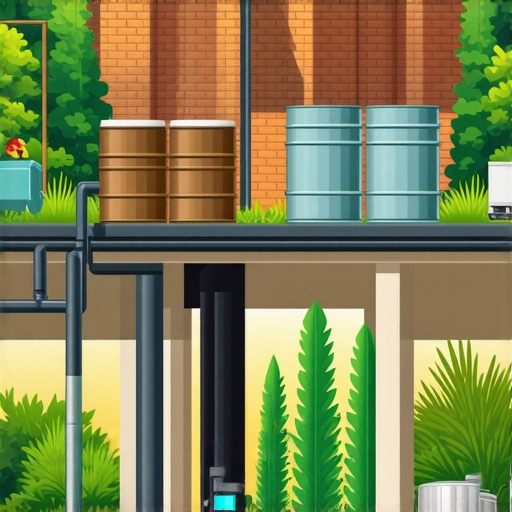
Why throw away perfectly good material when it can be repurposed for sump pump linkage? In many 2026 drainage designs, we are using salvaged downspout sections to create underground discharge lines that move water away from the foundation toward rain gardens. Instead of sending old metal to a scrap yard, we can use leader sections to bridge the gap between your sump discharge and a french drain or a splash block located fifty feet from the house. This manages the hydraulic load of the yard without requiring new PVC manufacturing. It is about using what you have to protect the foundation from the hydrostatic pressure that causes basement seepage.
3. Integrated Thermal Management Recycling
With the rise of app-controlled gutter heaters, the disposal process has become more complex. These systems involve electrical components and heat tape that cannot just be thrown in the trash. In 2026, the responsible specialist must strip these components. The copper wiring inside the heating elements is a high-value recyclable, while the controllers should be treated as e-waste. By properly dismantling these systems, we prevent heavy metals from leaching into the soil. We are also seeing a trend where old, sturdy gutters are repurposed as planter liners for non-edible decorative gardens, provided they are treated to prevent oxidation. This keeps the material out of the waste stream entirely.
“Gutters and downspouts shall be designed to prevent the accumulation of water and debris that could lead to structural damage.” – SMACNA Architectural Sheet Metal Manual
Advanced Water Management: Beyond the Trough
The future of the industry isn’t just about catching water; it is about controlling its energy. A leader box gutter acts as a surge tank, slowing down the velocity of the water before it enters the vertical leader. This prevents the ‘air-lock’ effect that often causes gutters to backup during high-intensity storms. If you live in a region with heavy snow, the addition of app-controlled gutter heaters is a necessity, not a luxury. They prevent the ice dams that rip fascia gutter mounting right off the house. But you must ensure your pitch is perfect—one-quarter inch of slope for every ten feet of run. If it’s flat, you’re just building a long, thin mosquito pond. I’ve spent my life obsessed with that slope because I know that water never sleeps and it never forgets the laws of gravity.
{“@context”:”https://schema.org”,”@type”:”HowTo”,”name”:”How to Dispose of Gutters Eco-Friendly in 2026″,”step”:[{“@type”:”HowToStep”,”text”:”Audit the materials and separate aluminum from steel and plastic components.”},{“@type”:”HowToStep”,”text”:”Remove electrical components such as app-controlled gutter heaters for e-waste recycling.”},{“@type”:”HowToStep”,”text”:”Transport metal to a scrap processor to ensure closed-loop upcycling.”}]}