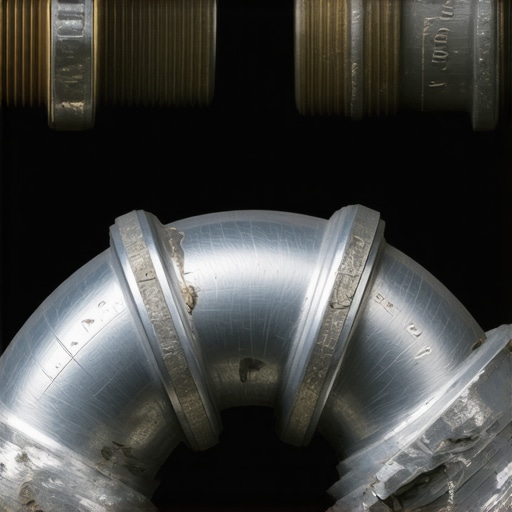
The Foundation of the Problem: A Specialist’s Perspective
I walked around a house where the corner of the foundation had sunk nearly two inches into the soft clay soil. The homeowner was looking at a thirty-thousand-dollar piering job. Why? Because a single, crushed elbow fitting at the bottom of a leader had been dumping five years’ worth of heavy rainfall directly into the backfill. It wasn’t a dramatic flood; it was a slow, methodical erosion that the homeowner never noticed because the water was ‘disappearing’ into the ground. As a drainage specialist with over 25 years in the field, I can tell you that rain is not just weather—it is a destructive hydraulic force looking for any weakness in your home’s armor. Most people ignore their elbows until they see a waterfall over their front porch, but by then, the rot has already started in the fascia and the soffit.
When we talk about water management, we have to talk about physics. The elbow is the most critical juncture in your drainage system because it is where the vertical velocity of falling water meets a change in direction. During a heavy downpour, water doesn’t just flow; it gains momentum. If that momentum is interrupted by a restricted or corroded elbow, you get back-pressure. This pressure forces water out of the seams and back against the house. This is why flood prevention gutters are not just about the width of the trough, but the integrity of every single fitting.
Warning Sign 1: The ‘Bleeding’ Seam and Hydraulic Back-Pressure
In 2026, we are seeing more frequent ‘micro-burst’ storms that dump huge volumes of water in minutes. If your elbow fittings are older, the first sign of failure is the ‘bleeding’ seam. This occurs when the internal sealant has dried out and the water, under pressure, finds its way through the crimped joints. You’ll see a dark streak of oxidation or algae running down the outside of the leader. This isn’t just an aesthetic issue; it’s a sign that the fitting can no longer handle the flow velocity. When water escapes here, it often tracks back along the underside of the gutter, leading to fascia rot that stays hidden until the wood is soft enough to poke a finger through.
“Downspouts shall be sized based on the rainfall intensity of the region and the roof surface area. Improperly sized or obstructed leaders can lead to catastrophic failure of the drainage perimeter.” – International Plumbing Code, Section 1106
If you have a complex roofline, such as those requiring slate roof gutter care or tile roof gutter support, the weight of the water and debris is even higher. Slate and tile don’t absorb water; they shed it instantly. This creates a massive surge that hits the first elbow with incredible force. If your elbows are showing even a hint of separation at the miters, the structural integrity is gone. In these cases, old gutter demolition is often the only safe route to ensure you aren’t just slapping a Band-Aid on a terminal problem.
Warning Sign 2: The ‘Echo of the Clog’ (Internal Obstructions and Animal Interference)
Listen to your gutters during a light rain. If you hear a heavy ‘thudding’ sound or a hollow rattling, you likely have an elbow that is partially obstructed. This is where gutter animal removal becomes a technical necessity rather than a pest control issue. Squirrels and birds love the sheltered curve of an elbow to build nests. These nests trap organic sludge—pine needles, grit from asphalt shingles, and decomposing leaves—forming a ‘plug’ that acts like a cork in a bottle. Because of surface tension, water will attempt to wrap around this debris, slowing down the exit speed and causing the gutter to overflow at the far end.
I often use telescopic gutter tools with fiber-optic cameras to show homeowners what’s inside their elbows. It’s usually a disgusting soup of decomposing organic matter that is eating away at the aluminum from the inside out. For homes in forested areas, the solution isn’t just cleaning; it’s often an upgrade to round downspout services. Round leaders have fewer ‘dead zones’ where debris can settle compared to traditional rectangular corrugated elbows. By increasing the hydraulic radius, we allow the water to maintain its cleaning velocity, flushing small debris out before it can form a dam.
Warning Sign 3: Bracket Torque and Visible Sagging
The third sign is structural. Take a look at your hidden hanger systems. Are they pulling away from the wood? An elbow that is failing often becomes heavy. When a clog occurs, that elbow might be holding ten or fifteen pounds of standing water and wet silt. Aluminum is light, but it isn’t designed to be a storage tank. This weight creates torque, twisting the gutter and ruining the pitch/slope of the entire run. If the slope is lost, water sits in the trough, creating a breeding ground for mosquitoes and accelerating the rust on any steel components.
“The collector head and downspout system must be secured to the structure to withstand the loads imposed by water-filled components and wind pressures.” – SMACNA Architectural Sheet Metal Manual
When we perform on-site gutter rolling, we ensure that the transitions are seamless and the hangers are spaced every 12 to 18 inches—especially near the elbows. For high-end homes, color-matched gutters are great for curb appeal, but if the elbow is sagging, that beautiful finish will eventually be ruined by the overflow of muddy water. You need a system where the end cap, the miter, and the elbow work as a single, rigid unit to move water away from the foundation.
The Specialist’s Verdict
Water is the number one enemy of your home’s longevity. If you see water dripping from a joint, or if your downspouts aren’t ‘singing’ during a rainstorm, your elbows are failing. Don’t wait for 2027 to find out your foundation has shifted. Invest in a proper audit. Whether it’s old gutter demolition to make way for a modern high-flow system or simply replacing worn-out fittings with heavy-duty hidden hanger systems, the goal is the same: absolute control over the liquid destruction falling from your roof.