
Unveiling the Critical Role of Advanced Drainage Solutions in Home Preservation
Effective drainage and gutter maintenance are not merely routine chores; they are essential components of a proactive strategy to protect your property from water damage, structural deterioration, and long-term financial loss. As a seasoned expert in drainage engineering, I emphasize the importance of a comprehensive approach that integrates innovative gutter systems with strategic landscape grading to optimize water flow and prevent basement flooding. Research from the US Geological Survey underscores how proper drainage design mitigates hydrostatic pressure, safeguarding foundations against water ingress.
Why Traditional Gutter Cleaning Is Not Enough in Modern Home Protection
Many homeowners underestimate the complexity of effective gutter maintenance, often viewing it as a simple cleaning task. However, advanced drainage management involves assessing gutter slope, downspout placement, and the integration of gutter guards to minimize debris accumulation. This holistic approach reduces the frequency of clog-related overflows, which are a primary cause of water infiltration and subsequent damage. In my professional practice, I advocate for scheduled inspections and the use of high-grade materials that ensure durability and consistent performance under severe weather conditions.
How to Engineer a Long-Lasting Gutter System That Stands Up to Climate Challenges
Designing a resilient gutter system entails selecting corrosion-resistant materials such as aluminum, copper, or high-grade vinyl, combined with precision installation techniques that ensure optimal pitch and secure fastening. Incorporating innovative drainage solutions—like oversized gutters and seamless seamless systems—further enhances water conveyance capacity. For example, integrating expert gutter installation practices can prevent bottlenecks and facilitate efficient runoff during heavy rains. Additionally, landscape grading should be adjusted to direct water away from the foundation, complementing gutter functionality.
What Are the Best Practices for Maintaining an Efficient Drainage System in Extreme Weather Conditions?
Maintaining drainage efficiency under extreme weather involves regular inspection, prompt debris removal, and the application of high-quality sealants to prevent leaks. Installing rainwater harvesting systems and permeable pavements can further reduce runoff volumes and promote groundwater recharge. As climate variability increases, employing smart sensors and automated alerts for potential blockages or overflows becomes a valuable addition to the maintenance regimen.
How Can Homeowners Address Complex Drainage Challenges When Standard Solutions Fail?
Addressing complex drainage issues requires a detailed site analysis and potentially implementing custom solutions such as French drains, dry wells, or subsurface drainage systems. Consulting with drainage specialists ensures that these interventions align with the property’s unique topography and hydrological patterns. For detailed guidance, explore our gutter installation and repair resources.
To deepen your understanding of expert drainage management, I invite you to explore comprehensive articles and contribute your insights through professional forums dedicated to water management innovations.
What Are the Cutting-Edge Technologies in Modern Drainage Management?
As climate patterns evolve and urban landscapes become more complex, traditional drainage solutions often fall short of providing comprehensive protection. Today, innovations such as smart drainage systems equipped with sensors and automated monitoring are transforming how homeowners and professionals approach water management. These systems can detect potential blockages or overflows in real-time, enabling prompt interventions that prevent damage before it occurs. For instance, integrating expert drainage system optimization techniques ensures your home is prepared for the unpredictable weather of 2025 and beyond.
How Can an Integrated Approach to Gutter and Landscape Design Enhance Drainage Efficiency?
Achieving optimal drainage isn’t solely about installing the right gutters; it’s about creating a synergistic system that includes landscape grading, permeable surfaces, and advanced gutter components. Properly graded landscapes direct water away from vulnerable foundations, while permeable pavements absorb excess runoff, reducing strain on gutter systems. Combining these strategies with high-performance gutters—such as seamless systems or oversized profiles—can dramatically improve water conveyance. To explore comprehensive upgrades, visit our gutter installation and drainage solutions guide.
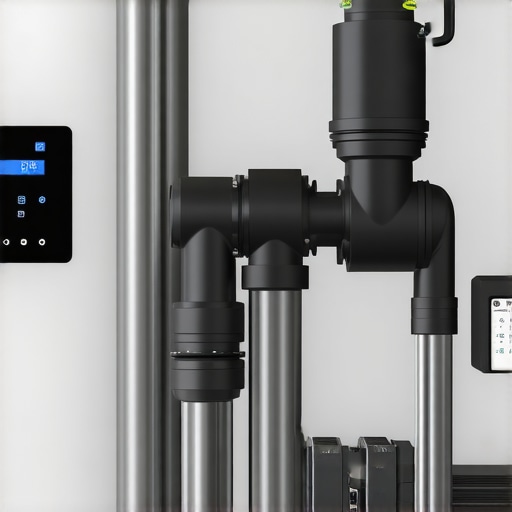
Implementing these integrated strategies not only prolongs the lifespan of your drainage infrastructure but also reduces maintenance costs and enhances overall property resilience. Regular inspections, combined with innovative materials like corrosion-resistant alloys, ensure your system remains effective through seasonal extremes. For more detailed insight on maintaining a durable drainage system, check out our reliable gutter cleaning tips tailored for 2025.
Are There Proven Frameworks or Models That Help Predict and Prevent Drainage Failures?
Yes, engineering professionals often utilize predictive modeling frameworks, such as hydrological simulations and risk assessment matrices, to anticipate potential drainage failures and develop preemptive solutions. These models incorporate factors like rainfall intensity, soil permeability, and existing infrastructure capacity, enabling tailored interventions. Embracing such frameworks can significantly reduce unexpected failures and long-term repair costs. For a detailed understanding of these methodologies, consult authoritative sources like the US Geological Survey, which provides extensive research and data on water resource management.
If you’re eager to further improve your property’s drainage resilience, consider sharing your experiences or asking questions in our community forums. Also, explore more about gutter installation and repair to keep your home protected from water-related issues effectively.
Harnessing Hydrological Modeling for Proactive Drainage Solutions
One of the most sophisticated tools in the arsenal of drainage engineering is hydrological modeling. This approach involves creating detailed simulations of water flow and accumulation patterns on your property, allowing engineers to predict potential problem areas with remarkable precision. By integrating climate data, soil permeability, and topographical information, these models can forecast how different storm scenarios might impact your drainage system, enabling preemptive design modifications that mitigate risks before they manifest.
According to a comprehensive study published in the Journal of Hydrologic Engineering, the deployment of such predictive models has significantly reduced infrastructure failure rates and repair costs in urban planning projects. For homeowners, understanding and applying these models can translate into choosing the right combination of gutter sizing, landscape grading, and subsurface drainage components tailored to their specific site conditions.
Integrating Smart Drainage Technologies for Real-Time Water Management
Emerging technological innovations are transforming property water management from reactive to proactive. Smart drainage systems equipped with IoT sensors monitor water levels, flow rates, and weather conditions in real time. These data streams are processed through advanced algorithms to detect early signs of blockages, leaks, or overflow risks, triggering automated responses such as activating pumps or opening valves to prevent damage.
For instance, companies like SmartWaterTech are pioneering systems that integrate weather forecasting with on-site sensor data, offering homeowners a seamless interface to monitor and control their drainage infrastructure remotely. The strategic deployment of these systems not only enhances safety and property preservation but also optimizes maintenance schedules and reduces operational costs.
What Are the Nuances of Designing Drainage Systems for Extreme Climate Variability?
Designing for climate resilience requires a nuanced understanding of regional weather patterns and their impact on water management. In areas prone to intense storms or prolonged droughts, drainage systems must be adaptable and robust. This involves selecting materials with high durability under temperature fluctuations, incorporating redundancy in critical components, and employing innovative features such as adjustable downspouts or modular gutter sections that can be tailored as conditions change.
Research from the NASA climate data indicates that climate variability is expected to increase in many regions, necessitating flexible infrastructure that can accommodate unpredictable precipitation patterns. The integration of porous pavements, rain gardens, and green roofs complements traditional gutter systems, absorbing excess water and reducing runoff volumes, thereby alleviating pressure on drainage channels.
How Do Site-Specific Topographical and Geological Factors Influence Drainage Design?
Every property presents unique challenges based on its topography and underlying geology. A steep slope may require terracing, retaining walls, or specialized gutter outlets to manage runoff effectively. Conversely, properties built on clay-rich soils may demand enhanced subsurface drainage solutions like French drains or perforated pipe systems to prevent water pooling and foundation saturation.
In-depth site analysis, including soil testing and topographical mapping, is crucial for developing an optimal drainage strategy. As highlighted in the US Geological Survey’s guidelines, understanding these factors allows for the creation of tailored solutions that integrate natural landscape features with engineered systems, ensuring long-term stability and performance.
If you’re committed to elevating your home’s water management, exploring innovative, site-specific drainage solutions can make all the difference. Engage with professionals who utilize these advanced techniques to safeguard your property against the increasing challenges posed by climate change and urban development.
Harnessing the Power of Geotechnical Engineering in Drainage Design
Modern drainage solutions are increasingly leveraging geotechnical engineering principles to optimize subsurface water flow and foundation stability. By analyzing soil properties such as permeability, cohesion, and stratification, engineers can design tailored drainage systems that effectively mitigate water accumulation and prevent structural issues. Techniques like soil stabilization, drain tile placement, and controlled compaction are integral to enhancing performance in challenging terrains. According to the USGS Geotechnical Manual, integrating geological insights results in more resilient and sustainable drainage infrastructure.
What Are the Latest Materials Revolutionizing Gutter Durability?
Advancements in material science have introduced ultra-durable options for gutter systems, including nanocomposite coatings and reinforced polymers that resist corrosion, UV degradation, and mechanical stress. These innovations extend the lifespan of gutters, reduce maintenance frequency, and improve overall performance during extreme weather events. For instance, seamless aluminum gutters with titanium-infused coatings are gaining popularity among professionals seeking longevity and aesthetic appeal. Exploring these cutting-edge materials can dramatically elevate your drainage system’s resilience and efficiency.
How Do Hydraulic Modeling and Simulation Elevate Drainage System Planning?
Hydraulic modeling employs sophisticated software to simulate water flow, pressure, and runoff patterns across various scenarios. This approach allows engineers to identify potential bottlenecks, assess capacity under storm conditions, and optimize gutter sizing and placement accordingly. Tools such as HEC-RAS and SWMM are industry standards, providing predictive insights that inform proactive design adjustments. Incorporating these models significantly reduces the risk of system failure and enhances long-term performance. For comprehensive guidance, consult the USGS Water Resources Division, which offers extensive resources on hydraulic modeling techniques.
What Role Do Green Infrastructure Elements Play in Complementing Traditional Drainage?
Green infrastructure components such as rain gardens, bioswales, and permeable pavements are transforming urban water management by absorbing, filtering, and delaying runoff. These eco-friendly elements work synergistically with gutter systems, reducing strain on conventional drainage channels and promoting groundwater recharge. Implementing green infrastructure not only enhances environmental sustainability but also provides aesthetic and recreational benefits. Integrating these solutions requires careful planning to ensure compatibility with existing systems and site-specific conditions. To explore innovative approaches, visit the EPA Green Infrastructure Program.
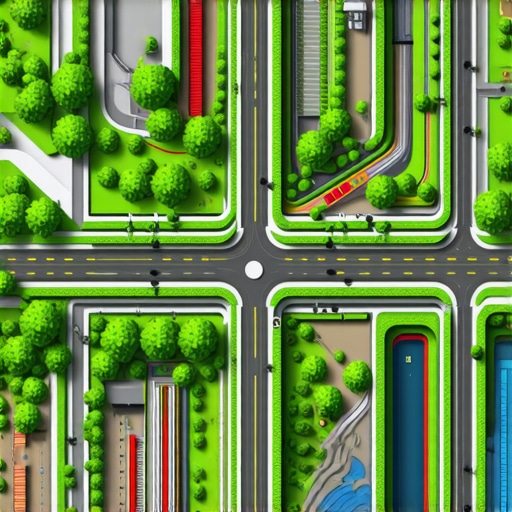
Visualizing the integration of green infrastructure with traditional drainage systems reveals a holistic approach to water resilience. Incorporating landscape design with engineered components creates a multi-layered defense against flooding and water damage. Regular maintenance of both green and hard infrastructure ensures their effectiveness over time. For detailed strategies, consult our resource on advanced gutter and landscape integration techniques.
How Do Climate-Resilient Drainage Systems Address Extreme Weather Variability?
Designing climate-resilient drainage systems involves selecting adaptive materials, incorporating redundancy, and enabling modular upgrades to accommodate unpredictable weather patterns. Features such as adjustable downspouts, oversized gutters, and modular catchment units can be reconfigured quickly in response to storm intensity or drought conditions. Additionally, integrating smart sensors and real-time monitoring provides data-driven insights, allowing for proactive adjustments. According to the NASA Climate Data Center, these adaptive strategies are essential to future-proof drainage infrastructure amidst escalating climate variability.
How Can Topography and Soil Composition Inform Customized Drainage Solutions?
Site-specific topographical and geological factors critically influence drainage design. Steep slopes necessitate terracing, retaining structures, or energy dissipation features, while flat terrains may require enhanced subsurface drainage like perforated pipe systems or French drains. Soil composition determines permeability and retention capacity, guiding decisions on material selection and system placement. Conducting comprehensive site assessments, including geotechnical surveys, ensures that drainage solutions are both effective and sustainable. For detailed methodologies, see the US Geological Survey’s guidelines.
Engaging with professionals experienced in integrating these complex factors can elevate your property’s water management strategy, ensuring resilience against both natural and anthropogenic challenges.
Expert Insights & Advanced Considerations
1. Hydrological Modeling Enhances Predictive Maintenance
Utilizing hydrological simulations allows professionals to anticipate potential drainage system failures, optimizing design and maintenance strategies for long-term durability.
2. Smart Drainage Technologies Offer Real-Time Monitoring
Integrating IoT sensors and automated controls provides immediate alerts for blockages and overflows, enabling proactive responses that safeguard your property.
3. Green Infrastructure Complements Traditional Systems
Incorporating rain gardens, bioswales, and permeable surfaces reduces runoff and enhances water absorption, creating a balanced approach to water management.
4. Climate-Resilient Design Is Essential
Designs must account for increased climate variability, employing adaptable materials and modular components to handle extreme weather fluctuations effectively.
5. Site-Specific Topographical Analysis Is Crucial
Understanding property terrain and soil composition guides the customization of drainage solutions, ensuring stability and efficiency over time.
Curated Expert Resources
- US Geological Survey (USGS): Offers comprehensive data and research on water resource management and hydrological modeling techniques.
- EPA Green Infrastructure Program: Provides innovative approaches for integrating eco-friendly solutions into traditional drainage systems.
- ASCE Journal of Hydrologic Engineering: Publishes cutting-edge studies on predictive modeling and infrastructure resilience.
- NASA Climate Data Center: Supplies climate variability data critical for designing adaptable drainage systems.
- SmartWaterTech: Industry leader in IoT-enabled smart drainage solutions for real-time water management.
Final Expert Perspective
In the realm of advanced drainage solutions, embracing high-tech tools and sustainable practices is paramount for modern home protection. Integrating hydrological modeling, smart devices, and green infrastructure not only enhances resilience against climate variability but also ensures long-term cost efficiency. As an expert, I recommend engaging with authoritative resources like USGS and EPA Green Infrastructure to stay at the forefront of innovation. Your proactive approach today will safeguard your property and contribute to a sustainable water management future—connect with specialists, explore emerging technologies, and refine your strategies continuously.
This article really highlights how vital advanced drainage solutions are in protecting our homes. I’ve recently installed a green roof and permeable pavements in my backyard, which, combined with properly graded landscaping, has significantly improved water runoff management. It’s impressive how integrating technology like IoT sensors can automate and optimize maintenance, preventing costly repairs later on. I’ve noticed that small investments in quality materials, such as seamless gutters with corrosion-resistant coatings, can make a huge difference in durability, especially during heavy storms. My question is, how effective are these smart systems in areas with frequent power outages or limited internet connectivity? Have others here experienced challenges with maintaining high-tech drainage systems in such conditions, or are there reliable backup options? Overall, I believe that combining innovative engineering practices with environmentally friendly infrastructure offers a sustainable path forward for home water resilience.
I really appreciate this comprehensive discussion on modern drainage techniques. From my experience, integrating green infrastructure, like rain gardens and permeable pavements, has made a noticeable difference in managing heavy rainfall. It’s fascinating how technologies such as IoT sensors can proactively monitor water flow and alert homeowners to potential issues before they escalate. However, I wonder about the long-term maintenance of these smart systems, especially in rural areas with intermittent internet. Are there reliable backup solutions that don’t depend solely on continuous power or connectivity? Also, for properties with uneven topography, what are some effective methods to ensure water is directed away from foundations without extensive landscaping work? I believe combining these innovative solutions with traditional engineering strategies offers the best of both worlds in flood prevention. Would love to hear if others have had success with hybrid systems in challenging environments or tips on maintaining these setups over time.
This post offers a thorough look at the importance of advanced drainage in home protection, and I couldn’t agree more. My recent experience installing oversized seamless gutters and regrading my landscape has already shown me how critical proper water direction is, especially during heavy storms. I’ve also considered adding smart sensors for real-time monitoring but wondered about their resilience in areas prone to power outages. From what I’ve read and experienced, combining traditional solutions with smart technology seems optimal, but backup options for systems that rely on electricity or internet are essential. For example, manual or battery-powered sensors could be a good fallback. Has anyone here integrated such redundant systems effectively? I’m interested in hearing about long-term maintenance challenges or success stories, particularly in rural or challenging terrains. It’s clear that a holistic approach, from engineering to eco-friendly infrastructure, offers the best defense against water damage, but ensuring reliability under all conditions remains a key point to address.
This article really underscores the importance of a multifaceted approach to home drainage. I’ve experienced firsthand how landscape grading combined with durable gutter systems can make a big difference, especially during heavy rainfalls. I recently added a French drain system on my property after noticing water pooling near the foundation, and the improvement was remarkable. The integration of smart sensors and automated controls sounds promising, but I do wonder about their longevity and reliability in areas with frequent power outages or poor internet connectivity. Has anyone explored backup solutions like battery-powered sensors or manual overrides that can function independently? It seems that combining traditional techniques with innovative technology is the way forward, but ensuring these systems are resilient enough to operate under various conditions is crucial. What kind of maintenance routines or backup strategies have other homeowners found effective in maintaining high-tech drainage systems? Would love to hear some real-world experiences or practical tips.