The Hidden Structural Crisis Behind Your Sagging Gutters
I have spent twenty-five years on a ladder, and if there is one thing I have learned, it is that water is a patient architect of destruction. Most homeowners see a sagging gutter and think they just need a few more nails. They are wrong. I remember standing on a job site three years ago in a suburb where a massive storm had just rolled through. The owner was frantic because his entire north-facing gutter line was hanging at a forty-five-degree angle, barely clinging to the house. It was not a gutter failure; it was a fascia failure. A single downspout had become clogged with organic sludge, the weight of the water created a massive lever effect, and because the brackets were spaced nearly three feet apart, the screws simply ripped out of the water-softened pine. That is the reality of poor water management.
“Gutter hangers shall be spaced at a maximum of 36 inches on center. Where snow loads are expected, closer spacing is required.” – International Residential Code, Section R806.1
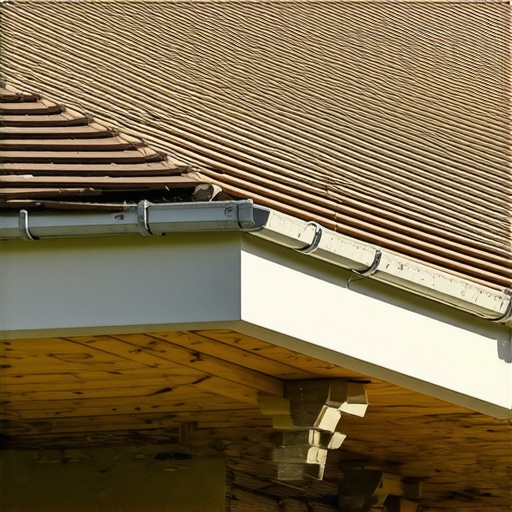
When we talk about gutter sag, we are really talking about the integrity of the fascia. This is the vertical finishing edge connected to the ends of the rafters. When you perform a rectangular downspout install, you are mounting a heavy-duty drainage component directly onto this board. If that board is compromised by rot or improper installation, your entire system will fail. The physics of water flow are unforgiving. A standard five-inch gutter can hold about 1.2 gallons of water per linear foot. If you have a fifty-foot run that is clogged, you are asking your fascia board to support over five hundred pounds of dead weight. That weight pulls the top of the gutter away from the house, creating a gap where water bridges back onto the soffit and begins the rot cycle all over again.
Why Your Current Hanger System is Failing
In the old days, we used spikes and ferrules. They were cheap, fast, and terrible. Over time, the expansion and contraction of the metal would pull the spike out of the wood. Once that hole is wallowed out, water gets in, the wood softens, and the sag begins. Today, we use heavy-duty hidden hangers with structural screws. For a permanent fix, we look at gutter profile customization. We ensure the hanger is biting into the rafter tail, not just the thin fascia board. This creates a structural bond that can withstand heavy snow loads and the vibration of high-velocity water movement. If your gutters are pulling away, we often have to perform a downspout relocation to better distribute the weight and volume of the water during a heavy downpour.
“Downspouts shall be sized based on the rainfall intensity of the region and the roof surface area.” – International Plumbing Code, Section 1106
The Climate Context: Ice, Snow, and Weight
In northern climates, the enemy is not just rain; it is the freeze-thaw cycle. Snow melt gutter solutions are critical here. When snow on the roof melts and runs into a cold gutter, it freezes. This builds up a massive ice weight that can literally peel a gutter off the house. This is why I advocate for hangers spaced every twelve inches in snow-prone areas. We also look at self-cleaning gutter tech to ensure that debris does not create a damming effect. When water cannot exit through the leader, it sits and freezes, expanding and warping the metal miter joints and end cap seals. If you have already suffered this kind of damage, you might need insurance claim assistance to cover the structural repairs to your roof edge and fascia.
The Role of Gutter Protection and Maintenance
Many people think helmet-style guards are a magic bullet. They work on the principle of surface tension, where water follows the curve of the guard into the trough while debris falls off the edge. However, if they are not installed with the correct pitch, they can actually contribute to fascia rot by trapping moisture against the wood. Regular seasonal gutter cleaning is still the gold standard for home health. You must remove the gutter debris that settles at the bottom of the trough. This sludge holds moisture against the bottom of the fascia board, leading to hidden rot that you won’t see until the gutter starts to sag. We also find that gutter animal removal is a common part of the job; birds and squirrels love the sheltered gap behind a sagging gutter to build nests, which further blocks flow and adds weight.
The Engineering of the Fix
To fix a sagging gutter for good, we first strip the old hardware. We inspect the fascia for any soft spots. If the wood is punky, it has to go. We replace it with primed cedar or a composite material that resists moisture. Then, we recalculate the slope. A gutter needs to drop about a quarter-inch for every ten feet of run toward the elbow of the downspout. If the run is too long, we crown it in the middle and send water to both ends. This reduces the weight load on any single point of the fascia. Using rectangular downspout install techniques with 3×4 inch leaders instead of the standard 2×3 allows for much faster drainage, reducing the time the gutter has to hold the weight of the water. Finally, we install a high-quality splash block or underground extension to move that water at least ten feet away from the foundation. This is not just a repair; it is a total water management overhaul that protects your home from the ground up.