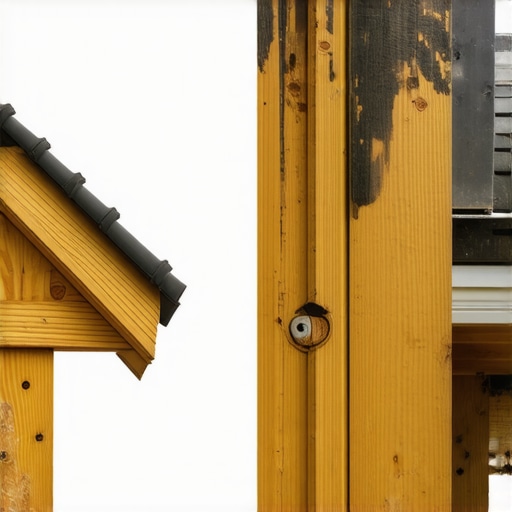
The Deceptive Nature of Fascia Rot
As a specialist who has spent over two and a half decades on ladders, I have seen thousands of homeowners make the same catastrophic mistake. They look up at a peeling bit of paint on their eaves and think a quick dab of caulk and a fresh coat of white semi-gloss will solve the problem. But water is a patient predator. I once walked around a home in a damp valley where the owner had spent three weekends ‘patching’ his fascia boards with wood filler and paint. Six months later, during a heavy spring thaw, forty feet of guttering ripped clean off the house, taking the top layer of the rafter tails with it. The ‘patch’ had merely trapped the moisture inside the wood, accelerating the rot until the structural integrity was effectively zero. This is the difference between a cosmetic cover-up and a true engineering fix.
The Physics of Water Management: Why Fascia Fails
To understand why your fascia is rotting, you have to understand hydro-dynamics and surface tension. When rain hits your roof, it gains velocity as it slides down the shingles. Ideally, it should jump off the drip edge and land directly into the center of your gutter. However, due to a phenomenon called capillary action, water often wants to curl back under the edge of the shingle. If your drip edge is missing or bent improperly, that water wicks directly onto the fascia board. This isn’t just a splash; it is a constant, pressurized soak during every storm. Over time, this moisture penetrates the grain, inviting fungi and eventually causing the wood to lose its ability to hold a screw or a nail. When you add the weight of a 6-inch gutter full of wet debris, the hangers simply pull out like a hot knife through butter.
“Downspouts shall be sized based on the rainfall intensity of the region and the roof surface area.” – International Plumbing Code, Section 1106
In Northern climates where ice and snow dominate the winter months, the stress on your fascia increases ten-fold. When gutters clog, water freezes into a solid block of ice. This ice expands, pushing the gutter away from the fascia. If you have a poor pitch or weak hangers, the ice dam will find its way behind the board, rotting the soffit and the rafter tails simultaneously. This is why gutter de-icing services and gutter maintenance plans are not luxuries; they are fundamental protective measures for your home’s skeleton.
The Anatomy of a Professional Fix
A true fix starts with a total removal of the affected gutter run. We don’t just work around it. Once the gutter is down, we inspect the wood for ‘punky’ spots. If a screwdriver can be pushed into the wood with thumb pressure, the board is dead. We replace the old wood with primed, kiln-dried material or high-quality PVC boards that resist moisture. But the wood is only part of the story. To ensure the new fascia lasts twenty years instead of two, we must address the downspout installation and the pitch of the system. A professional installation requires a slope of 1/4 inch for every 10 feet of run. Without this precise angle, you get standing water, which leads to rust, mosquito breeding, and eventual wood rot.
On-Site Gutter Rolling and Modern Solutions
One of the most effective ways to prevent future fascia damage is the transition to box style seamless gutters or a half-round gutter installation using on-site gutter rolling technology. When we roll gutters on-site, we create a single, continuous piece of aluminum that fits the exact dimensions of your roofline. This eliminates the ‘miter’ joints and seams that are notorious for leaking. In many cases, we also recommend heavy-duty hangers spaced every 12 inches, especially in snow-heavy regions, rather than the old-fashioned spikes and ferrules that eventually wiggle loose and create holes for water to enter the wood.
“Gutters and downspouts shall be maintained in good repair and free from obstructions.” – International Property Maintenance Code, Section 304.7
Advanced Tools and Animal Prevention
Modern drainage specialists utilize telescopic gutter tools to ensure the system is clean even in hard-to-reach areas like parapet drain systems. However, moisture isn’t the only enemy. I have seen countless fascia boards destroyed by squirrels and birds seeking a warm place to nest. Gutter animal removal becomes a necessity when these creatures chew through the corner of a rotted board to enter the attic. By installing a robust system with proper end cap seals and leaf protection, we create a barrier that keeps both water and wildlife out. For those concerned about the upfront costs of a full system overhaul, financing for gutter installs has become a standard offering, allowing homeowners to protect their foundation before a minor leak becomes a five-figure structural repair.
The Verdict: Protecting Your Foundation
The fascia is more than just a decorative trim; it is the mounting bracket for your home’s entire water diversion system. If the fascia is compromised, your gutters will fail. If your gutters fail, water will pool at your foundation, leading to basement flooding and soil erosion. A patch is a temporary lie we tell ourselves to save money in the short term. A fix is an investment in the longevity of the property. Whether you are looking at box style seamless gutters for a modern look or a classic half-round gutter installation, the goal remains the same: move the water away and keep the wood dry. Don’t wait for the next ‘gully washer’ to find out your patches are failing. Inspect your pitch, check your hangers, and ensure your drainage system is engineered for the specific climate challenges of your region.