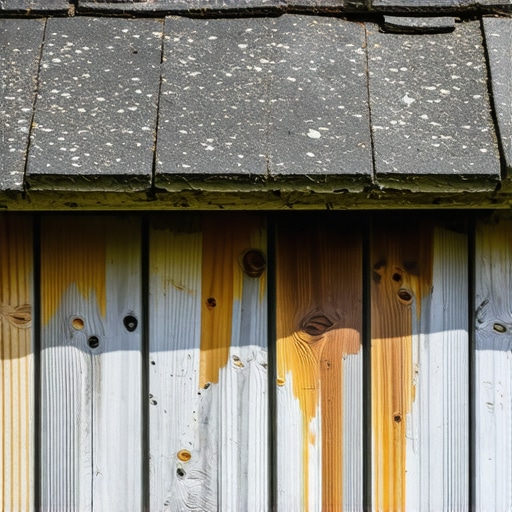
I was standing on a ladder last October, looking at a beautiful home that was secretly rotting from the inside out. The homeowner wanted a quote for a high-end aluminum gutter installation, but as soon as I pulled back a small section of the old, sagging trough, my screwdriver sank four inches into the wood with zero resistance. It was like poking a sponge. This is the reality of many homes: homeowners spend thousands on the metal, but they forget the foundation it hangs on. If you ignore the fascia, your new gutters are just an expensive weight waiting to fall off your house.
The Critical Role of the Fascia Board in Water Management
In my twenty-five years as a drainage specialist, I have seen too many people treat the fascia as a decorative trim. It is not. The fascia is the structural backbone of your gutter system. It bears the entire weight of the trough, the hangers, and the hundreds of pounds of water that flow through the system during a heavy downpour. When we talk about hydro-geography on a residential scale, we are talking about moving thousands of gallons of water away from the foundation. If the fascia is soft, the pitch of the gutter will fail. When the pitch fails, water pools. When water pools, you get rust, mosquitoes, and eventually, a total system collapse.
“Gutter hangers shall be spaced to provide sufficient support for the anticipated weight of the gutter when full of water and debris, typically not exceeding 36 inches on center.” – SMACNA (Sheet Metal and Air Conditioning Contractors’ National Association)
In colder climates where we deal with heavy snow, that spacing needs to be even tighter, sometimes every 12 inches. If your fascia is compromised, those hangers have nothing to bite into. You can use the most advanced steel gutter services available, but if the wood behind it is mush, those heavy-duty steel gutters will eventually pull the wood right off the rafters.
How to Perform a Fascia Board Audit
Before you even look at self-cleaning gutter tech or new aluminum gutter installation, you need to perform a physical audit of your roofline. Start by looking for visual cues from the ground. Are there dark stains on the wood? Is the paint peeling or bubbling? This is often the first sign of wood rot. Next, get on a ladder and check the drip edge. The drip edge is a metal flashing that should direct water into the gutter. If it was installed improperly, water will use surface tension to crawl backward, wicking into the gap between the gutter and the fascia. This is the Coanda Effect in action, and it is the primary killer of fascia boards.
Take a small flathead screwdriver and probe the wood near the miters and the end caps. These are the high-stress areas where leaks are most common. If the wood feels soft or if the screwdriver leaves a deep indentation, you have dry rot or wet rot. Wet rot is caused by constant moisture, while dry rot is a fungus that eats the cellulose in the wood. Both are fatal to a gutter system. You should also check the soffit, which is the underside of the eave. If the soffit is water-stained, it means water is backing up so far that it is penetrating the building envelope. This often happens in regions with severe winters where ice dams form, forcing water upward under the shingles.
Hydro-Zooming: The Physics of Water and Wood
Why does water destroy wood so effectively? It comes down to flow velocity and capillary action. During a heavy storm, water rushing off a roof with composite shingle services gains significant momentum. If the gutter is not positioned correctly or if the pitch is off by even an eighth of an inch, that water doesn’t just sit; it seeks a path of least resistance. Often, that path is behind the gutter. Once water gets behind the metal, it is trapped against the wood. Without airflow, the wood stays damp, creating a perfect petri dish for rot. This is why we focus so much on the outlet pipe connection and ensuring the leader is clear. If the water cannot exit the system fast enough, it backs up, and the fascia is the first thing to soak it up.
“Downspouts shall be sized based on the rainfall intensity of the region and the roof surface area. Improperly sized leaders can lead to overflow and structural damage to the fascia and foundation.” – International Plumbing Code, Section 1106
If you have a tile roof, the weight is even more significant. Tile roof gutter support requires specialized brackets that often tie directly into the rafters because the fascia alone cannot handle the load of the tile and the water. If you see cracks in your tile or if the gutter is pulling away, you need to address the structural integrity before looking at cosmetic upgrades.
Climate Context: Ice, Weight, and Expansion
In the North, the enemy is the ice dam. When snow melts on the upper parts of the roof and refreezes at the eaves, it creates a dam. This ice is incredibly heavy. I have seen entire 40-foot runs of seamless aluminum gutters ripped off a house because of ice weight. This is why gutter de-icing services and gutter heating systems are not luxuries; they are preventative maintenance for your fascia. By keeping the water in a liquid state, you ensure it flows through the downspouts rather than freezing and expanding, which can pry the fascia board away from the rafter tails. If you live in an area prone to blizzards, your fascia must be in pristine condition to withstand the cyclic loading of freezing and thawing.
The Drainage Hierarchy: Beyond the Fascia
Once you have confirmed your fascia is solid, you can focus on the rest of the system. This includes ensuring you have round downspout services or traditional rectangular leaders that are properly sized for your roof’s square footage. A standard 2×3 downspout is often insufficient for modern homes with complex rooflines. Moving to a 3×4 downspout increases capacity by over 50 percent, which reduces the pressure on your gutters and fascia during peak flow. You should also look at where that water goes. Using flexible downspout extensions or underground drains is essential. Dumping water at the base of the foundation is just inviting a different kind of disaster. You want the water at least ten feet away from the house to prevent hydrostatic pressure from cracking your basement walls.
Conclusion: The Foundation of the Roofline
Do not be seduced by the latest self-cleaning gutter tech if your fascia is failing. A gutter system is only as strong as its weakest point, and that point is usually the wood it is screwed into. If you find rot, replace the board with a high-quality, rot-resistant material like PVC or pressure-treated lumber before proceeding with your aluminum gutter installation. Protect your investment, protect your foundation, and remember: water always wins if you don’t give it a clear, stable path to the ground.