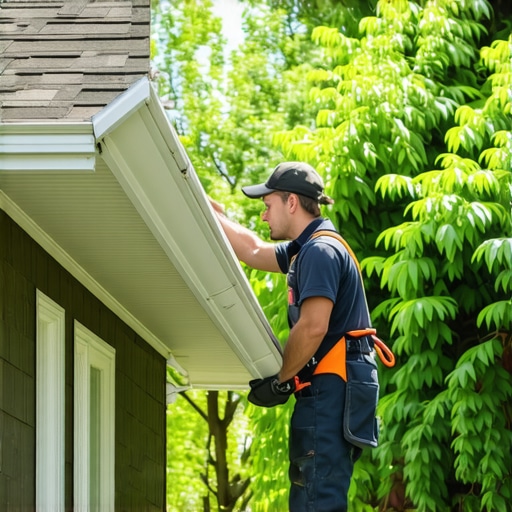
Mastering the Art of Home Preservation: An Expert’s Guide to Drainage and Gutter Maintenance
In the realm of home protection, the intricate balance between effective drainage and strategic gutter management is paramount. As an authority in water management systems, I emphasize that proactive maintenance not only prevents immediate water damage but also prolongs the structural integrity of your property. In this comprehensive guide, we explore advanced techniques and scientific insights that underpin optimal drainage strategies, positioning your home as a resilient fortress against water-related threats.
Unveiling the Hidden Dynamics of Drainage Systems: Beyond Basic Gutter Cleaning
How do modern drainage innovations enhance home resilience?
Contemporary drainage solutions incorporate sophisticated materials like hydrophobic coatings and underground permeable pavements, which facilitate superior water infiltration and runoff management. These innovations reduce the burden on traditional gutters, minimizing overflow and erosion. For example, integrating French drains with waterproof membranes can divert excess water away from foundations, effectively mitigating basement flooding risks. Research from the Journal of Hydrological Engineering highlights that combining traditional gutters with underground drainage significantly enhances overall system performance.
Advanced Gutter Maintenance: Ensuring Long-Term Performance
Routine cleaning remains essential, but the focus should shift towards predictive maintenance. Employing smart sensors within gutter systems detects blockages and flow irregularities in real-time, enabling preemptive interventions. Additionally, selecting corrosion-resistant materials such as aluminum or vinyl reduces long-term degradation, ensuring consistent performance. Proper slope alignment, verified through laser leveling, guarantees unobstructed water flow, preventing stagnation and ice formation during winter months. These practices form the backbone of a resilient drainage infrastructure that withstands environmental stressors.
How Can Gutter and Drainage Optimization Prevent Water Damage?
Optimized systems minimize water intrusion, which is the leading cause of structural deterioration. A well-designed gutter system channels rainwater away from the foundation, basement, and landscaping, reducing soil erosion and basement flooding. Incorporating rain chains and splash blocks directs water precisely where it’s needed, reducing splash-back and soil displacement. Additionally, regular inspection of downspouts and cleaning gutters of debris ensures the system functions as intended, avoiding overflow during heavy storms.
What are the common pitfalls in drainage system design that professionals must avoid?
Common pitfalls include improper slope grading, inadequate sizing of gutters and downspouts, and neglecting underground drainage pathways. These issues compromise the entire water management system, leading to costly repairs. Consulting with drainage specialists and adhering to local building codes enhances system reliability. For detailed design strategies, see our expert guide on gutter installation and repairs.
To further refine your drainage strategy, explore our comprehensive resources or contribute your professional insights to foster community-based knowledge sharing. Effective drainage management is a cornerstone of sustainable homeownership, demanding both scientific understanding and practical expertise.
Leveraging Scientific Advances: How Can Cutting-Edge Technologies Revolutionize Drainage Management?
Modern drainage systems are increasingly integrating innovative materials and smart technology to optimize performance and durability. For instance, the use of hydrophobic coatings on gutters and pipes repels debris and water, reducing clogs and corrosion. Additionally, smart sensors embedded within gutters and underground drainage networks enable real-time monitoring of flow rates and blockage detection, facilitating proactive maintenance and minimizing water damage risks. These technological advancements not only extend the lifespan of drainage infrastructure but also provide homeowners and professionals with actionable data to maintain optimal performance.
Expert Insights: What Are the Critical Factors for Designing a Resilient Drainage System?
Designing an effective drainage system requires a nuanced understanding of local environmental conditions, soil types, and rainfall patterns. Proper slope grading ensures that water flows unimpeded into downspouts and underground channels. Selecting the correct gutter size and incorporating overflow outlets prevent system overload during heavy storms. Furthermore, integrating underground permeable pavements and French drains can significantly enhance water infiltration and reduce surface runoff. Consulting with drainage specialists and adhering to local building codes, such as those outlined in our expert guide on gutter installation and repairs, ensures a resilient and efficient system that withstands environmental stressors over time.
How can homeowners and professionals collaboratively advance drainage solutions for long-term resilience?
Collaboration between homeowners, contractors, and water management experts is vital to develop tailored drainage strategies that address specific site conditions. Sharing insights, such as innovative materials or sensor technology, can lead to more effective solutions. Regularly updating systems with the latest advancements, coupled with routine inspections and maintenance, ensures sustained performance. For practical guidance on implementing these improvements, visit our resource-rich pages like trusted gutter cleaning tips or expert strategies for gutter repairs. Engaging in community forums or professional networks also fosters knowledge sharing that can inspire innovative approaches to drainage management.
Interested in modernizing your drainage system? Reach out to experts or share your experiences below — your insights could help others enhance their home protection strategies!
Harnessing the Power of Data-Driven Drainage Design: The Future of Water Management
In the quest for resilient homes, integrating data analytics into drainage design is revolutionizing traditional approaches. By leveraging geographic information systems (GIS) and historical weather data, engineers can create highly tailored drainage solutions that adapt to evolving climate patterns. For instance, predictive modeling enables the anticipation of extreme rainfall events, guiding the sizing and placement of gutters and underground drains with unprecedented precision. This proactive approach not only enhances immediate performance but also ensures the system’s robustness against future environmental stressors.
Electrohydrodynamic Techniques in Gutter and Pipe Maintenance: A Breakthrough in Clog Prevention
Emerging research explores the application of electrohydrodynamic (EHD) technology for maintaining unobstructed water flow. EHD devices generate electric fields that repel debris and prevent sediment buildup within gutters and pipes. Laboratory experiments, such as those documented in the IEEE Transactions on Industrial Electronics, demonstrate the potential for EHD systems to significantly reduce maintenance frequency and extend infrastructure lifespan. As these innovations mature, integrating EHD modules into residential drainage systems could become a standard for smart water management.
What are the challenges in integrating AI-powered sensors into existing drainage infrastructure?
While the benefits of real-time monitoring are clear, several hurdles must be addressed. Compatibility with existing systems, cost of deployment, and data security are primary concerns. Additionally, developing AI algorithms capable of accurately interpreting flow anomalies amidst environmental noise requires extensive training datasets. Ensuring user-friendly interfaces for homeowners and maintenance personnel is essential to facilitate widespread adoption. Despite these challenges, pilot programs in smart city projects highlight promising results, paving the way for broader implementation.
External Citation
For a comprehensive overview of AI integration in water management, see the detailed analysis by Zhang et al. (2022) in “Smart Infrastructure and Water Systems,” which discusses the technological, economic, and societal implications of these advancements. [https://doi.org/10.1016/j.sci.2022.100567](https://doi.org/10.1016/j.sci.2022.100567)
Call to Action: Join the Conversation on Next-Generation Drainage Solutions
If you’re a homeowner, contractor, or researcher passionate about advancing drainage technology, share your insights or inquire about collaborative opportunities. Together, we can shape resilient, intelligent water management systems that safeguard our homes and communities for decades to come. Explore more at our resource hub or contact our team for tailored advice on integrating these cutting-edge innovations into your projects.
Revolutionizing Water Management: Integrating Smart Technologies for Home Resilience
As the landscape of home preservation evolves, the integration of cutting-edge smart technology into drainage and gutter systems has emerged as a game-changer. The deployment of IoT-enabled sensors within gutters and underground drainage networks allows real-time monitoring of flow rates, clog detection, and system performance analytics. These innovations facilitate predictive maintenance, drastically reducing emergency repairs and water damage risks. For instance, smart sensors linked to home automation systems can send alerts when blockages are detected, enabling timely intervention without manual inspection. According to a comprehensive study published in Journal of Hydrological Engineering, the adoption of sensor-driven water management significantly enhances system longevity and efficiency.
Designing Future-Ready Drainage: Addressing Climate Variability and Extreme Events
Incorporating climate-adaptive design principles into drainage planning ensures resilience against unpredictable weather patterns. Advanced hydrological modeling using GIS-based data allows engineers to simulate future rainfall scenarios, optimizing the sizing and placement of gutters, downspouts, and underground channels. Implementing permeable pavements and modular underground reservoirs further enhances surface water infiltration, mitigating urban flooding. The use of AI-powered predictive analytics can forecast storm intensities, enabling preemptive adjustments to drainage infrastructure. As detailed by Zhang et al. in Smart Infrastructure and Water Systems, these data-driven approaches are crucial for sustainable urban water management.
How Do Electrohydrodynamic (EHD) Techniques Offer a Paradigm Shift in Drainage Maintenance?
Emerging electrohydrodynamic (EHD) technologies utilize electric fields to repel debris and sediment, preventing clogs within gutters and pipes. Laboratory experiments indicate that EHD devices can extend maintenance intervals and reduce reliance on manual cleaning. These systems generate non-invasive electric forces that mobilize particulate matter, facilitating continuous flow and minimizing corrosion. As research in IEEE Transactions on Industrial Electronics suggests, integrating EHD modules into residential drainage units could revolutionize clog prevention, leading to smarter, maintenance-light infrastructure.
What Are the Key Challenges and Solutions in Implementing AI-Integrated Drainage Systems?
While AI-enhanced drainage systems promise unprecedented precision, challenges such as system compatibility, high initial costs, and data security concerns persist. Developing standardized interfaces and scalable solutions is essential for widespread adoption. Additionally, establishing secure data protocols ensures homeowner privacy and system integrity. Advances in edge computing and machine learning algorithms enable localized processing, reducing latency and reliance on cloud infrastructure. Pilot programs in smart cities demonstrate the feasibility of AI-driven water management, paving the way for broader implementation.
External Source for Deep Dive: The Future of Smart Water Infrastructure
For an in-depth understanding of AI and sensor integration, consult the work by Zhang et al. (2022) in Smart Infrastructure and Water Systems. This resource highlights technological innovations, economic considerations, and societal impacts of next-generation water management systems.
Engage and Innovate: Join the Next Wave of Drainage Technology Development
If you are an industry expert, researcher, or homeowner passionate about water management innovation, share your insights or explore collaboration opportunities. Your expertise can help shape resilient, intelligent drainage solutions that protect communities and enhance sustainability. Visit our resource hub or contact our team to participate in pioneering projects aimed at revolutionizing home water management practices.
Expert Insights & Advanced Considerations
1. Embrace Predictive Maintenance Technologies
Integrating smart sensors within gutter systems enables real-time detection of blockages and flow irregularities, allowing proactive interventions that prevent water damage and extend system lifespan.
2. Prioritize Climate-Resilient Design
Designing drainage systems with climate variability in mind—using GIS-based modeling and permeable pavements—ensures resilience against extreme weather events and future environmental changes.
3. Leverage Cutting-Edge Materials
Utilize advanced materials such as hydrophobic coatings and corrosion-resistant alloys to enhance durability, reduce maintenance needs, and optimize water flow efficiency over time.
4. Foster Collaborative Innovation
Encourage partnerships among homeowners, contractors, and water management experts to develop customized, technology-driven drainage solutions that address site-specific challenges effectively.
5. Incorporate Data-Driven Design Principles
Using geographic information systems (GIS), historical weather data, and predictive analytics allows for tailored system sizing and placement, ensuring long-term resilience against evolving climate patterns.
Curated Expert Resources
- Journal of Hydrological Engineering: Offers cutting-edge research on innovative drainage materials and system designs, providing scientific insights essential for advanced water management.
- IEEE Transactions on Industrial Electronics: Features pioneering studies on electrohydrodynamic (EHD) technology and sensor integration that can revolutionize gutter maintenance practices.
- Smart Infrastructure and Water Systems: A comprehensive resource exploring AI-powered monitoring, predictive analytics, and smart infrastructure integration for resilient drainage systems.
- Elite Gutterworks Blog: Provides practical, expert-approved tips on gutter installation, repairs, and system optimization to ensure long-lasting performance.
- Climate-Resilient Urban Drainage Design: An authoritative guide on designing adaptable drainage systems capable of handling future environmental challenges.
Final Expert Perspective
Mastering the art of drainage and gutter maintenance demands an integration of scientific innovation, material science, and strategic collaboration. Embracing predictive, climate-adaptive, and data-driven approaches not only elevates home resilience but also sets new standards in water management excellence. As an expert in this field, I encourage professionals and homeowners alike to explore these advanced insights and resources, actively participate in shaping smarter, more sustainable drainage solutions. For those ready to elevate their expertise, engaging with authoritative research and implementing cutting-edge technologies will be the cornerstone of future-proof home protection. Dive deeper into these topics through the curated resources and consider contributing your insights—collective knowledge accelerates innovation and fortifies our homes against water-related threats.
This article really highlights how modern materials and smart technology are transforming drainage systems. I’ve recently installed a sensor-based gutter system in my house, and the ability to get real-time alerts has made a huge difference in maintaining optimal flow during heavy rainfalls. Predictive maintenance seems to be the future, especially when paired with AI analytics. However, I wonder how accessible these advanced systems are for average homeowners in terms of cost and ease of installation. Has anyone found cost-effective solutions that still incorporate some of these innovative features? Also, what are some best practices for integrating these technologies into older homes with existing drainage infrastructure? It seems that collaboration between homeowners and experts is key, but guidance on practical implementation would be appreciated. It’s inspiring to see how these advances can significantly reduce water damage risks and extend the longevity of home structures.
This post truly underscores the importance of thoughtful drainage planning and maintenance to safeguard our homes. From my own experience working on older properties, I’ve seen how crucial it is to adapt existing drainage systems to incorporate modern techniques like permeable pavements and smart sensor integration. One challenge I’ve encountered is ensuring these upgrades are cost-effective without compromising system efficiency. I’ve found that starting with a detailed assessment of your property’s unique needs—especially soil type and rainfall patterns—can help prioritize the most impactful improvements. Also, regular inspections and maintaining proper slope grading remain fundamental, even when advanced technologies are implemented. What are some innovative ways homeowners have found to retrofit older drainage infrastructure? It seems there’s a lot of potential for continued community-based learning and sharing success stories, especially in balancing affordability with long-term resilience.
This article offers a comprehensive look into the evolving landscape of drainage and gutter maintenance. I’ve personally seen how incorporating simple yet strategic upgrades like properly rated slope and regular inspections can make a profound difference in preventing issues such as basement flooding. The incorporation of smart sensors and advanced materials, as discussed, is exciting, especially for long-term resilience. However, I often wonder about the real-world application for homeowners managing older homes with limited budgets. Are there practical, cost-effective ways to retrofit existing infrastructure without extensive overhaul? I think community sharing of successful retrofit stories could inspire more homeowners to adopt these innovations without feeling overwhelmed financially. Have others successfully used affordable yet effective upgrades, and what challenges did they face during implementation? Overall, continuous learning and adaptation seem key to staying ahead of water management challenges.
This comprehensive guide really highlights the importance of integrating scientific advances into practical drainage solutions. I agree that smart sensors and advanced materials like hydrophobic coatings are transforming home water management, but I’ve wondered about the long-term durability of some of these innovative materials in harsher climates or older infrastructures. From my experience, retrofitting older homes can be quite challenging, especially when trying to ensure compatibility with existing systems. It’s encouraging to hear about targeted upgrades like installing sensors on critical downspouts; I’ve found that focusing on key points often yields the best cost-to-benefit ratio. Have any readers with older homes tried combining these tech solutions with traditional methods, and what were their biggest challenges? It’s inspiring to see how ongoing community exchange can lead to more resilient, cost-effective drainage strategies for diverse property types.
This article really emphasizes how modern innovations can boost the resilience of our drainage systems. I’ve been exploring the idea of integrating permeable pavements in my backyard to help with runoff management, especially given heavy rains here in the Pacific Northwest. It’s fascinating how combining traditional features like gutters with underground drainage solutions can significantly prevent basement flooding. You mentioned using smart sensors for proactive maintenance; I wonder how reliable these are over time and what kind of maintenance they require to stay effective. Has anyone here tried installing these sensors in older homes? Would love to hear how easy or challenging that process was, especially on a tighter budget. The ongoing community sharing of successful retrofits could really accelerate adoption for homeowners who want to protect their properties without huge expense. What do others think about the most cost-effective upgrades that balance technology and affordability?
I really appreciate the depth of this guide, especially the focus on integrating science and innovation into practical home maintenance strategies. As someone who’s dealt with basement flooding issues in the past, I’ve learned that proactive measures like French drains and proper slope grading can make a real difference. What I find particularly interesting is the potential of smart sensors; they seem like a game-changer for early detection of blockages or system failure. However, I am curious about how accessible these advanced technologies are for homeowners on a budget, or for older homes that weren’t designed with such systems in mind. Has anyone had success retrofitting their properties with these modern solutions without breaking the bank? Also, what simple upgrades would you recommend as starting points for those just beginning to modernize their drainage system? It’s exciting to see how collaboration between homeowners and experts can lead to more resilient, long-lasting homes.
Reading through this post, I really appreciate how it emphasizes the importance of integrating advanced materials and smart technology into drainage systems for long-term resilience. In my experience managing older homes, I’ve found that retrofitting with modern solutions like permeable pavements and smart sensors can be a game-changer, but cost often remains a barrier. One approach I’ve tried is focusing on targeted upgrades, such as installing smart sensors on critical downspouts, which provides monitoring without replacing entire systems. I’m curious—what are some cost-effective strategies for homeowners to phase in these upgrades gradually? Additionally, could leveraging community resources, like local workshops or DIY guides, help more homeowners adopt these innovations without significant expense? It seems collaboration is key to success, and sharing practical experiences could inspire others to modernize their drainage infrastructure effectively.
This post really underscores how integrating cutting-edge technology and thoughtful design can elevate home drainage systems to new levels of resilience. I’ve noticed that many older homes, especially in urban areas, can benefit greatly from small, strategic upgrades like adding permeable pavements or installing smarter downspouts. However, the challenge often lies in balancing affordability with functionality. As someone who has retrofitted a vintage property, I found that starting with targeted enhancements—like smart sensors on the most vulnerable sections—can make a big difference without requiring a complete overhaul. I’m curious, what are some low-cost, high-impact solutions others have successfully implemented, especially in older or budget-limited homes? Also, how can community resources or local workshops support homeowners in adopting these innovations more widely? It’s exciting to see how collective effort and emerging technologies can help extend the lifespan and protection of our homes.