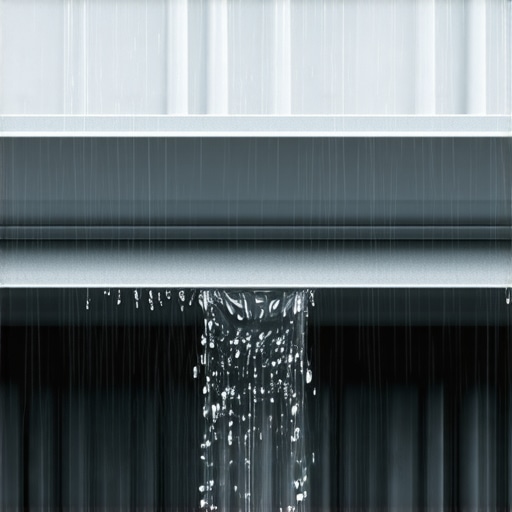
The Invisible War Against Your Foundation
Rain is not a gentle visitor; it is a relentless structural solvent. After twenty five years in the field, I have seen more homes destroyed by poor drainage than by fire or wind. When you are dealing with high-volume rain events, those sudden summer gully washers that dump two inches of water in forty minutes, your gutter system is the only thing standing between a dry basement and a ten thousand dollar foundation repair bill. Most homeowners think of gutters as simple metal troughs. They are wrong. A gutter system is a complex hydraulic engine that must manage weight, velocity, and surface tension simultaneously. When we talk about high-volume rain, the material you choose dictates whether that engine thrives or stalls.
The Narrative of the Sinking Sunroom
I recall a project in a coastal region where a homeowner called me because their sunroom was literally snapping away from the main house. I walked around the perimeter and found the culprit within seconds. A single downspout, improperly sized for the massive roof valley above it, had been overflowing for a decade. During heavy storms, the water would bridge the gap behind the fascia and pour directly into the soil at the corner of the foundation. The hydrostatic pressure had liquified the supporting clay, causing the corner of the house to drop nearly three inches. The homeowner had installed expensive steel gutters years prior, but they had rusted at the seams, losing their integrity and allowing the leak to go unnoticed behind a curtain of rain. This is why we engineering for the worst-case scenario, not the average drizzle.
The Physics of Hydro-Volume: Why Aluminum Wins
In high-volume scenarios, the sheer weight of water is your primary enemy. A single gallon of water weighs approximately 8.34 pounds. During a heavy downpour, a standard roof can shed hundreds of gallons per minute. Aluminum is the superior choice here because of its strength-to-weight ratio and its resistance to the primary killer of drainage systems: oxidation. Unlike steel gutter services that might offer strength, steel eventually rusts at every scratch or cut. Once rust starts, the friction coefficient of the gutter bottom increases, slowing down the water velocity and allowing debris to settle. Aluminum stays smooth, maintaining the flow velocity needed to flush the system. When we use 0.032-gauge seamless aluminum, we are providing a rigid channel that can handle the weight of a torrential downpour without sagging. If a gutter sags even a fraction of an inch, the pitch is lost, and you end up with standing water. Standing water is the precursor to mosquito breeding and fascia rot.
“Downspouts shall be sized based on the rainfall intensity of the region and the roof surface area.” – International Plumbing Code, Section 1106
Hydro-Zooming: Surface Tension and the Overshoot Problem
Have you ever watched water during a storm? It does not always fall straight down. Due to surface tension, water wants to cling to the underside of your shingles or the drip edge. In a high-volume event, the velocity of the water coming off a steep roof pitch is so high that it can actually leap right over a standard five-inch gutter. This is why for high-volume areas, we move to six-inch or even seven-inch oversized aluminum gutters. By increasing the width, we provide a larger target for that high-velocity water. We also look at the leader box gutters, those collector heads you see on the side of many high-end installs. A leader box acts as a surge tank; it allows air to escape the downspout, preventing a vacuum lock and allowing the water to drain significantly faster. It is the difference between pouring water out of a bottle and glugging it out.
The Drainage Hierarchy: Moving Water Away
Installation of the gutter is only step one. If you do not manage the exit, you have failed. This is where downspout relocation and erosion control downspouts come into play. Most builders dump water right at the splash block. In a high-volume storm, a splash block is useless; it just creates a localized swamp. We engineer drainage systems that pipe that water at least ten feet away from the structure into a French drain or a pop-up emitter. This relocation ensures that the soil surrounding your foundation remains stable. If you have a garage gutter installation, this is even more critical, as garages often lack the deep footings of the main house and are more susceptible to slab cracking from water saturation.
“Gutters and downspouts shall be designed to handle the anticipated runoff from the tributary roof area for a 10-year, 5-minute duration storm.” – SMACNA Architectural Sheet Metal Manual
The Role of Integrated Home Automation and Maintenance
Modern water management has entered the digital age. We now offer integrated home automation for gutter systems. This includes moisture sensors that can alert a homeowner to a clog before the overflow starts. For those in climates where the heavy rain turns to ice in the shoulder seasons, heated gutter cables are an essential addition to the aluminum system. These cables prevent the refreezing of meltwater, ensuring that when the next big rain hits, the path is clear. However, even the best system needs a gutter maintenance plan. Aluminum is low maintenance, but it is not zero maintenance. Organic sludge from leaves can still create dams that defeat the most expensive engineering. A regular schedule of clearing the end caps and checking the miters for seal integrity is what makes a twenty-year system into a fifty-year system.
Final Verdict on Material and Engineering
When you look at the total lifecycle cost, seamless aluminum installation is the only logical choice for high-volume rain management. It does not rust, it is light enough to be hung with heavy-duty hidden hangers every sixteen inches without stressing the fascia, and it can be custom-pitched on-site to ensure every drop moves toward the leader. Do not let a contractor talk you into spikes and ferrules; they will pull out within five years. Insist on heavy-duty screw-in hangers and high-capacity outlets. Remember, your roof is a collection plate, and your gutters are the plumbing. You would not use a straw to drain a bathtub, so do not use undersized, cheap materials to drain your home.