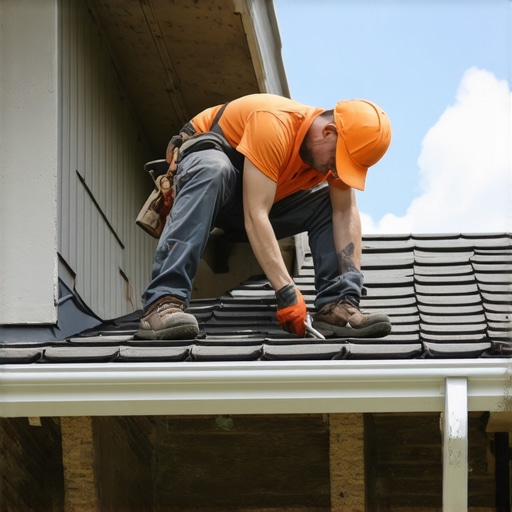
Understanding the Critical Role of Gutter Systems in Modern Home Drainage
In the realm of residential infrastructure, gutter systems serve as the frontline defense against water damage, soil erosion, and foundational issues. As a seasoned professional, I recognize that optimizing gutter repair and installation techniques is essential for ensuring longevity and functional efficiency. The subtle complexities involved in effective gutter management often go unnoticed until a failure occurs, underscoring the necessity of expert-level knowledge.
Innovative Approaches to Gutter Material Selection and Compatibility
Choosing the appropriate gutter material—be it aluminum, copper, or vinyl—requires an understanding of environmental exposure, aesthetic integration, and structural demands. Advanced considerations include corrosion resistance, thermal expansion, and compatibility with existing roofing systems. For example, copper gutters, while aesthetically superior, demand specialized installation techniques to prevent galvanic corrosion, especially when paired with incompatible fasteners.
Precision Techniques for Flawless Gutter Installation and Seamless Repairs
Precision in installation involves meticulous slope calculations—typically 1/4 inch per 10 feet—to facilitate effective water runoff. Employing laser levels and professional-grade sealants ensures that gutters maintain optimal alignment and leak-proof joints. When repairing, identifying underlying issues such as hidden corrosion or improper pitch can prevent recurrent failures. For instance, re-securing loose brackets with heavy-duty fasteners improves stability, while applying high-quality sealants restores integrity to compromised seams.
How Can Advanced Gutter Design Minimize Maintenance and Maximize Drainage Efficiency?
Innovative gutter designs incorporate features like integrated leaf guards, oversized downspouts, and seamless profiles to reduce debris accumulation and promote unobstructed flow. These features, coupled with professional-grade cleaning protocols, significantly lower maintenance requirements. For example, installing a hooded leaf guard can prevent clogging while facilitating easy access for periodic inspections, thereby enhancing overall drainage performance.
What are the implications of improper gutter slope on long-term drainage effectiveness and structural safety?
Incorrect slope angles can lead to pooling water, increased weight on gutter systems, and potential overflow during heavy rains. Over time, this can cause fascia deterioration, foundation erosion, and basement flooding. Precise calculation and field verification are essential to prevent such issues, emphasizing the importance of expert installation practices. For detailed repair strategies and maintenance tips, visit Gutter Cleaning and Repair Tips for Lasting Home Protection.
Leveraging Professional Expertise to Future-Proof Gutter Systems
Engaging experienced professionals for installation and repair ensures adherence to best practices and compliance with local building codes. An expert approach incorporates detailed site assessments, high-quality materials, and advanced techniques such as seamless gutter fabrication. Continuous education and staying updated with industry innovations—like the incorporation of smart monitoring systems—are vital for maintaining optimal drainage and protecting property value.
Conclusion
Mastering the intricacies of gutter repair and installation demands a nuanced understanding of materials, design principles, and field techniques. Only through a rigorous, expert-driven approach can homeowners and contractors achieve durable, efficient drainage solutions that withstand the test of time and weather.
Beyond Basic Maintenance: Integrating Smart Gutter Technologies for Future-Ready Homes
As homes evolve with technological advancements, so too must our approach to gutter system management. Smart gutter systems equipped with sensors and automated alerts are transforming traditional maintenance routines, allowing homeowners and professionals to preemptively address potential issues before they escalate. These innovations include moisture sensors that detect clogs or leaks, remote monitoring via mobile apps, and automated cleaning systems that reduce manual labor. Incorporating such technologies not only maximizes efficiency but also extends the lifespan of gutter components by ensuring timely interventions.
What Are the Hidden Risks of Ignoring Gutter System Compatibility and Material Interactions?
One often overlooked aspect in gutter system longevity is the compatibility of different materials and their interactions over time. For instance, pairing aluminum gutters with incompatible fasteners can lead to galvanic corrosion, which compromises structural integrity. Similarly, vinyl gutters may deform under extreme thermal conditions, causing misalignment and water pooling. An expert understanding of material science, combined with field-tested installation practices, is essential for mitigating these risks. Consulting authoritative sources such as the Gutter Guards and Systems Association provides valuable insights into material compatibility standards and best practices.
How can advanced design principles redefine durability and ease of maintenance in gutter systems?
Innovative design principles—such as seamless fabrication, integrated leaf guards, and oversized downspouts—are revolutionizing how we approach gutter durability. Seamless gutters minimize joints where leaks typically develop, while integrated leaf guards reduce debris accumulation, lowering cleaning frequency. Oversized downspouts handle larger volumes of water, especially during heavy storms, preventing overflow and structural damage. These design features, combined with strategic installation techniques, create a resilient system that requires less maintenance and provides superior long-term performance. For more detailed insights, visit Gutter Cleaning and Repair Tips for Lasting Home Protection.
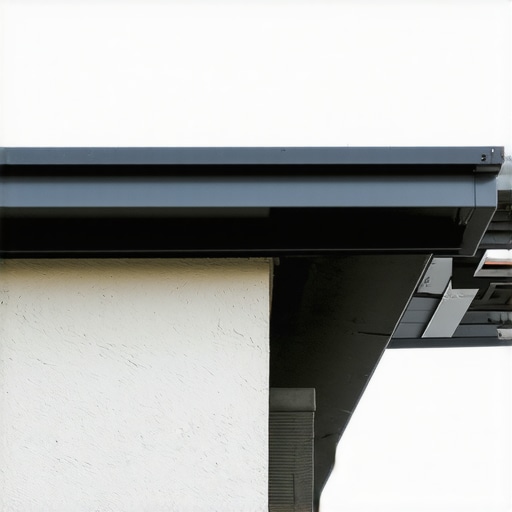
Image prompt: Modern seamless gutter system with leaf guard and oversized downspouts, installed on a residential home, showcasing durability and advanced design features.
How Do Weather Extremes Influence Gutter System Performance and Material Choices?
Extreme weather conditions—such as heavy snowfall, hail, and heatwaves—pose significant challenges to gutter systems. High temperatures can cause expansion and contraction in metal gutters, leading to warping or detachment, while freezing conditions increase the risk of ice dams and blockages. Hail can physically damage gutters, requiring robust materials like copper or reinforced aluminum. Understanding local climate patterns enables homeowners and contractors to select appropriate materials and designs that withstand specific weather challenges, ensuring sustained performance and reducing costly repairs over time.
Engaging Experts for Long-Term Gutter System Resilience
Professional consultation is crucial when designing, installing, or repairing gutter systems in extreme environments. Experts employ advanced assessment tools, such as thermal imaging and structural analysis, to identify vulnerabilities and recommend tailored solutions. Additionally, staying informed about emerging industry standards and innovations—like smart monitoring systems—ensures that systems remain resilient against future climate shifts. For comprehensive guidance, consider resources like Gutter Cleaning and Repair Tips for Lasting Home Protection that emphasize proactive maintenance and material selection.
Innovative Materials and Structural Reinforcements for Extreme Weather Resilience
In regions prone to severe weather events, the selection of gutter materials and their structural reinforcements becomes paramount. High-performance alloys like stainless steel or galvanized steel offer superior resistance to corrosion and physical damage caused by hail or debris impact. Moreover, integrating reinforcement brackets and load-distribution systems can mitigate the stress exerted by heavy snow accumulation or wind-driven debris, thus prolonging system lifespan and maintaining optimal drainage performance. For instance, recent studies published in the Journal of Construction Engineering and Management (2022) highlight the effectiveness of reinforced seamless gutters in hurricane-prone zones, emphasizing the importance of tailored solutions for specific climate challenges.
Harnessing Material Science for Next-Generation Gutter Durability
Emerging advancements in material engineering have paved the way for highly resilient gutter systems capable of withstanding extreme environmental conditions. Innovations such as composite alloys and nano-coating technologies significantly reduce corrosion, abrasion, and thermal deformation. For instance, the integration of graphene-infused coatings on aluminum gutters provides unparalleled resistance to UV degradation and chemical exposure, extending the lifespan of these critical components. Exploring these cutting-edge materials can revolutionize your approach to gutter longevity and performance.
Strategic Integration of Smart Monitoring and Automated Maintenance Systems
The future of gutter management lies in intelligent systems that preemptively detect issues before they escalate. Smart sensors embedded within gutter assemblies monitor parameters such as water flow rate, debris accumulation, and structural integrity, transmitting real-time data to homeowners or maintenance services via IoT platforms. Automated cleaning devices, powered by robotic technology, can perform routine maintenance, reducing manual labor and ensuring consistent performance. Adopting these innovations transforms traditional gutter systems into proactive, maintenance-efficient solutions.
What Are the Critical Design Considerations for Climate-Resilient Gutter Systems?
Designing gutters for climate resilience involves a comprehensive understanding of local weather patterns and their impact on system performance. Key considerations include reinforced brackets to withstand high wind loads, oversized downspouts for rapid water evacuation during heavy storms, and thermal expansion allowances for fluctuating temperatures. Additionally, integrating ice melt systems in freeze-prone regions can prevent ice dam formation, safeguarding structural integrity. Consulting climate-specific guidelines ensures that gutter systems are optimized for long-term durability and safety.
How Can Material Compatibility and Installation Practices be Optimized to Prevent Long-Term Failures?
Achieving optimal material compatibility necessitates adherence to industry standards, such as those outlined by the Gutter Guards and Systems Association. Proper installation practices—such as using corrosion-resistant fasteners, ensuring precise slope calculations, and avoiding galvanic reactions—are essential to prevent premature deterioration. Employing field-tested techniques like laser-guided alignment and high-quality sealants ensures leak-proof joints and secure fastening. Continuous education and certification programs for installers further enhance system reliability and longevity.
Leveraging Expert Consultation for Custom-Engineered Gutter Solutions
Partnering with industry specialists enables the development of tailor-made gutter systems that address unique architectural and environmental challenges. Experts utilize advanced modeling tools, including 3D CAD simulations and structural load analysis, to design resilient configurations. These consultations often incorporate site-specific assessments, material testing, and compliance with evolving building codes. Engaging with reputable professionals ensures that your gutter infrastructure not only meets current demands but is adaptable for future climatic shifts.
Conclusion
Integrating sophisticated materials, intelligent monitoring, and climate-specific design principles elevates gutter systems from basic drainage solutions to durable, maintenance-efficient infrastructures. Embrace these expert insights to future-proof your property against environmental challenges and ensure optimal performance over decades to come.
Expert Insights & Advanced Considerations
1. Material Compatibility Is Critical for Long-Term Performance
Understanding the interactions between different gutter materials, such as aluminum and copper, can prevent galvanic corrosion and material degradation. Expert installation practices involve selecting fasteners and sealants compatible with the chosen materials, ensuring longevity and structural integrity.
2. Incorporating Climate-Resilient Design Features Enhances Durability
Designing gutters with reinforced brackets, oversized downspouts, and thermal expansion allowances prepares the system for extreme weather events. These features help prevent damage from high winds, heavy snowfall, and temperature fluctuations, safeguarding the property over decades.
3. Advanced Materials and Coatings Significantly Extend Lifespan
Innovations such as nano-coatings and composite alloys improve resistance to corrosion, UV exposure, and physical impacts. These cutting-edge materials are vital for ensuring gutter performance in challenging environments, reducing maintenance and replacement frequency.
4. Smart Monitoring and Automated Maintenance Are Game Changers
Integrating IoT-enabled sensors to monitor water flow, debris, and system integrity allows preemptive maintenance, minimizing failures. Automated cleaning systems driven by robotic technology further reduce manual labor, making gutter management more efficient and reliable.
Curated Expert Resources
- Gutter Guards and Systems Association: Offers comprehensive standards and best practices for material compatibility and installation techniques, essential for durability.
- Journal of Construction Engineering and Management: Provides research on structural reinforcements and innovative materials tailored for extreme weather resilience.
- Elite Gutter Works Blog: Features practical insights on integrating smart technologies into gutter systems and advanced design principles.
- Industry Standards for Weather-Resistant Gutter Systems: A detailed guideline document outlining climate-specific design considerations and material recommendations.
Final Expert Perspective
When it comes to future-proofing gutter systems, integrating advanced materials, climate-resilient design, and smart monitoring elevates traditional drainage solutions into durable, maintenance-efficient infrastructures. Mastering these expert considerations ensures your gutter system not only withstands today’s environmental challenges but is adaptable for future climatic shifts. For professionals committed to excellence, continuous education and innovative practices remain the cornerstone of long-term success. Explore more about how to implement these advanced strategies by consulting trusted industry resources and engaging with specialists dedicated to high-performance gutter systems.