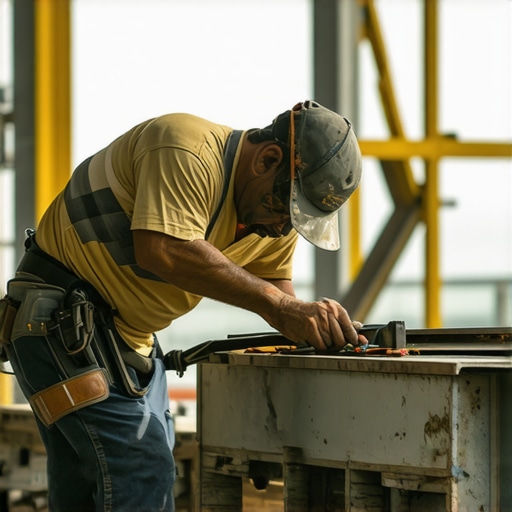
The Anatomy of Water Routing: Why Box Style Gutters Are Engineered on the Jobsite
Most homeowners view gutters as simple metal channels that catch rain. As a gutter specialist with over 25 years of hands-on experience, I view them as custom-engineered hydraulic diversion networks. Water is a relentless force. When a storm drops thousands of gallons on your roof, that liquid volume gains immense velocity. If your gutter system lacks the structural integrity, correct sizing, or proper pitch, that water will exploit any structural weakness. It will rot your fascia board, seep into your soffits, and eventually erode your foundation.
Standard K-style residential gutters often fail to handle the sheer volume and weight of water generated during heavy, intense downpours. This is where the custom box style gutter excels. Unlike standard profiles, a box gutter features a wide, square profile that maximizes water carrying capacity. However, to truly function flawlessly, these systems must be fabricated on-site. Shipping pre-formed box gutters over long distances is a recipe for bent profiles, compromised seams, and leaky miters. On-site fabrication ensures a seamless run that matches the precise length of your roofline down to the fraction of an inch.
Establishing Authority: The $15,000 Corner Sink
I recall walking around a historic property in Ohio during a wet autumn afternoon. The owner had noticed a slight slope in their interior living room floor. I went outside and immediately looked at the corner of the house. A single disconnected leader had been dumping water directly into the clay soil at the foundation corner for nearly six seasons. The soil had eroded internally, causing a two-inch sink in the concrete foundation footer. A simple, properly secured downspout and structural box gutter would have saved them a fifteen-thousand-dollar foundation underpinning bill. Water management is not about aesthetics; it is about preservation.
“Gutters and downspouts shall be securely fastened to prevent structural failure, with particular attention paid to the spacing of hangers relative to anticipated snow and wind loads.” – International Building Code, Section 1503.4
The Climate Physics of Storm-Resistant Gutters
Depending on your geographic location, your gutters must be engineered to fight different physical forces. In coastal or high-wind environments, the sheer updraft can lift a standard aluminum gutter right off the fascia. For these regions, we utilize high-wind gutter anchors and heavy-gauge materials. This is where steel gutter services become critical. Box style gutters fabricated from galvanized steel or heavy aluminum resist the twisting forces of high winds far better than thin K-style variants. We also implement a shingle roof gutter starter layout to ensure water entering the system does not pool or slide beneath the roof deck during driving rains.
In high-wind and storm-prone areas, a standard 5-inch gutter is simply not enough. Water moves with such velocity that it shoots straight past the outer lip. We utilize oversized box gutters paired with high-flow erosion control downspouts to collect and direct this fast-moving volume safely away from the structure. To handle the ground-level force of this water, we install rock splash blocks at the discharge points to disperse the energy of the water and prevent soil erosion near the foundation.
The Technical Execution: Custom On-Site Box Gutter Fabrication
Fabricating box style gutters on site requires a specialized roll-forming machine mounted in a service truck or trailer. The coil of metal, whether steel or thick-gauge aluminum, is fed into the machine, which uses a series of precision rollers to bend the metal into the clean, modern box profile. This allows us to create seamless lengths of 40, 60, or even 80 feet without a single seam along the entire run.
However, the metal profile is only as good as the pitch. A flat gutter is a failed gutter. Standing water causes premature rust in steel gutter services, creates a breeding ground for pests, and accumulates organic sludge. We pitch our box gutters at a minimum of 1/16-inch per foot toward the downspouts. When installing these systems on complex architectures, we must also inspect the underlying structural components. This is why we often perform soffit ventilation during install to ensure that the attic space breathes properly and does not trap moisture behind the new metalwork.
“Sizing of gutter systems shall be based on the maximum rate of rainfall, the tributary area of the roof, and the design flow capacity of the gutters and downspouts.” – SMACNA Architectural Sheet Metal Manual
Advanced Installation Protocols and Safety
Installing custom box style gutters on multi-story buildings requires advanced safety and rigging. Our two-story gutter services prioritize structural anchoring. We place heavy-duty internal hangers every 12 to 16 inches, screwing directly through the fascia and into the rafter tails. This is significantly closer than the standard 24-inch industry spacing, but it ensures that when the gutter is packed with wet snow, ice, or heavy rain, the hangers will not pull out like cheap spikes and ferrules.
When working on older homes, there are also hidden environmental hazards to manage. We occasionally encounter asbestos gutter handling situations, particularly with old transite or cement-asbestos drainage pipes. These materials must be handled with strict compliance to safety protocols, ensuring they are not cut, sanded, or disturbed in a way that releases airborne fibers. When retrofitting these older homes, we carefully install modern elbow fittings replacement parts to transition the old drainage paths into our high-performance erosion control systems.
Why Seamless Steel and Custom Box Profiles Outperform Sectional Alternatives
Sectional gutters purchased from big-box retailers are held together by thin slip-joint connectors and caulking. Over time, temperature changes cause the metal to expand and contract, which inevitably breaks the caulk seal, leading to persistent leaks at every joint. A custom-fabricated, seamless box gutter eliminates these failure points entirely. The only seams in our systems are at the mitered corners and the end caps, which are sealed with heavy-duty commercial grade tripolymer sealants designed to remain flexible for decades.
By investing in professional steel gutter services and on-site custom box fabrication, you are shielding your home from its most destructive natural adversary. Properly routed water ensures a dry crawlspace, a stable foundation, and preserved landscaping for the lifespan of your home.