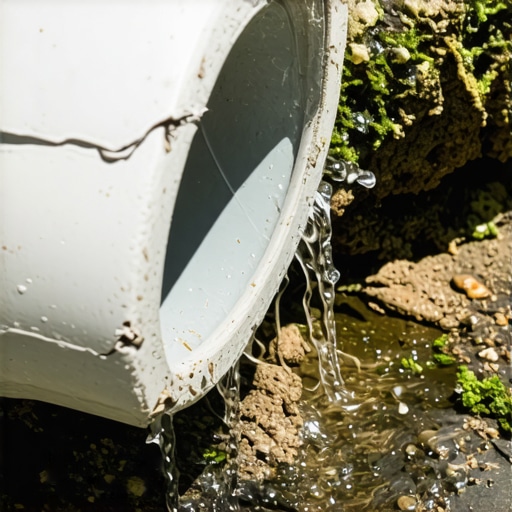
You see them at every big-box hardware store: those cheap, accordion-style plastic tubes curled up in bins, promising a quick and easy fix for your home drainage problems. As a veteran water management specialist with over twenty-five years of hands-on experience in the gutter industry, I can tell you that these flexible downspout extensions are a ticking time bomb for your home foundation. Homeowners buy them because they are cheap and easy to bend, but they do not realize they are inviting water damage, foundation rot, and pest infestations directly to their property.
Before we dive into the hydraulics of why these corrugated plastic tubes fail, let me share a story from a job site that perfectly illustrates the danger. I walked around a house in Ohio where the corner of the concrete foundation had sunk nearly three inches, cracking the drywall inside the master bedroom and jamming the front door. The culprit? A single, sagging thirty-foot flexible downspout extension that had filled with heavy organic sludge, collapsed under its own weight, and split open at the seam. For over three years, every heavy rainstorm dumped hundreds of gallons of water directly into the soil next to the basement wall. The constant hydraulic pressure turned the supporting clay soil into mush, causing a catastrophic structural failure that cost the homeowner over twenty thousand dollars in foundation piers.
The Physics of Water Velocity and Corrugated Ribs
To understand why flexible leader extensions are a terrible engineering choice, we have to look at fluid dynamics. A smooth-walled pipe, whether it is an aluminum downspout or a rigid Schedule 40 PVC line, allows water to flow quickly and clean out small debris. The water maintains a high velocity, carrying roof grit, dirt, and organic material all the way to the discharge point.
“Stormwater piping and drainage conduits shall have a smooth interior waterway to maintain flow velocity and prevent the accumulation of solids.” International Plumbing Code, Section 1101
Flexible extensions are corrugated, meaning they have hundreds of tiny ridges and valleys along their interior walls. These ridges create massive friction, which slows down the water velocity. When water slows down, it loses its ability to carry suspended solids. Asphalt shingle grit, tiny twigs, pollen, and decomposing organic material settle into the bottom of those corrugated valleys. Within a few seasons, this sludge bakes in the sun, forming a hard, cement-like crust that restricts the flow of water. Eventually, the pipe becomes completely choked, forcing water to back up the downspout and spill over your gutters, rotting your fascia board and soffit.
The Pest Highway and Structural Vulnerabilities
The dark, damp, and debris-filled interior of a corrugated extension is a luxury suite for pests. The ribbed design makes it incredibly easy for small animals, rodents, and insects to climb inside. Ground squirrels, mice, and chipmunks love to nest inside these tubes because they offer protection from predators. When these animals build nests inside, they create impenetrable dams that completely block your drainage system.
For homeowners facing persistent wildlife intrusions, gutter animal removal becomes a costly necessity. Birds also find nesting opportunities near the roofline, which is why bird spike gutter protection is a critical addition for keeping your gutters clean and functional. Without smooth drainage pathways and proper physical barriers, you create an open invitation for pests to travel from the yard straight to your roofline, damaging your soffit ventilation during install operations and destroying your home exterior.
The Structural Failure of Sagging and Splitting
Water is heavy, weighing approximately 8.34 pounds per gallon. When a flexible extension is laid across a yard, it must deal with uneven ground, grass growth, and foot traffic. Because these plastic tubes lack structural rigidity, they naturally sag in low spots. These sags create permanent pools of standing water within the pipe, which never fully drain. Standing water attracts mosquitoes, breeds algae, and creates a foul odor that wafts around your patio.
In cold climates, these trapped pools of water freeze. As water freezes, it expands with immense force. The cheap plastic used in flexible extensions becomes extremely brittle in cold weather, causing the frozen water to split the pipe wide open. Even in warmer regions, the constant weight of water sitting in a sagged section will stretch the plastic, causing it to tear away from the downspout elbow. Once a tear occurs, water leaks directly next to your crawlspace or basement wall, completely defeating the purpose of having gutters in the first place.
Professional Alternatives: The Right Way to Manage Water
If you want to protect your home from water damage, you must abandon temporary plastic fixes and invest in a professionally engineered drainage system. Here is how a real professional handles downspout extensions and exterior water management:
- Rigid PVC Underground Lines: Instead of running plastic pipes across your lawn, we bury smooth-walled, rigid PVC pipes. These underground pipes are sloped at a minimum pitch of one-quarter inch per foot to ensure high-velocity water movement away from the foundation.
- Pop-up Emitters: At the discharge end of the underground PVC pipe, we install a pop-up emitter. The emitter stays flat and closed to keep lawn debris and pests out, but lifts up under hydraulic pressure when water flows through the system, releasing water safely onto your lawn.
- Sump Pump Linkage: For homes with heavy groundwater issues, we can design a sump pump linkage that connects your crawlspace or basement sump pump discharge directly into the underground gravity-fed storm drain, keeping all water consolidated and moving away from your foundation.
Specialized Exterior Challenges and Solutions
Managing water correctly requires looking at the entire building envelope. When doing a complete gutter overhaul, we frequently have to navigate complex scenarios. For example, homes with existing solar arrays require solar panel gutter avoidance strategies to ensure high-velocity runoff from the panels does not overshoot the gutters during a downpour. On older homes, we must also exercise extreme caution regarding lead paint gutter abatement and asbestos gutter handling to prevent toxic fibers and dust from entering the yard and soil during demolition.
Additionally, modern water management systems can be tied into integrated home automation networks, allowing sensors to monitor water flow, detect blockages, and send alerts to your smartphone before a minor clog causes a major flood. For maximum protection against leaves and pine needles, we recommend solid hood guards that use surface tension to guide water into the gutter while shedding organic debris entirely.
“Drainage systems shall be designed and pipe sizes selected to prevent water accumulation near building foundations and to protect structural integrity.” SMACNA Architectural Sheet Metal Manual
Do not let a cheap ten-dollar plastic extension ruin your home foundation. Taking the time to plan, excavate, and install a rigid, high-capacity drainage system is the only way to ensure your basement stays dry, your yard stays beautiful, and your foundation remains stable for decades to come. If you are ready to fix your drainage issues for good, take advantage of free gutter quotes processing from local certified specialists who understand the unique slope, soil, and climate challenges of your neighborhood.