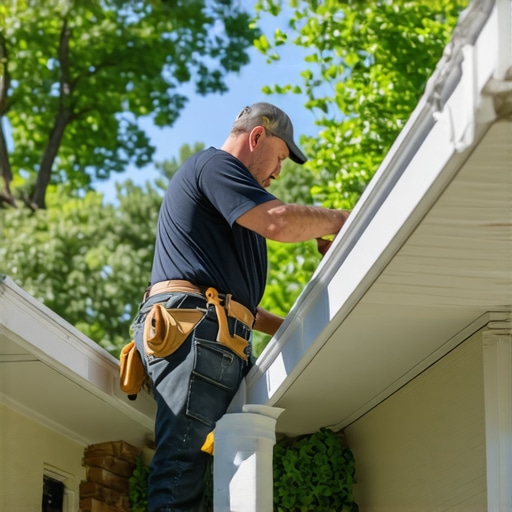
Understanding the Critical Role of Drainage and Gutter Systems in Home Preservation
In the realm of residential infrastructure, the integration of advanced drainage and gutter repair strategies constitutes a cornerstone of long-term property resilience. As an authority in home maintenance, I recognize that proactive management of water flow is essential to prevent structural damage, mold proliferation, and landscape erosion. This article explores expert insights into optimizing gutter and drainage systems, emphasizing preventative care and innovative solutions.
Decoding the Complexities of Effective Drainage Solutions
Proper drainage is more than just diverting water; it involves intricate design considerations such as terrain grading, subterranean water flow, and material selection. Modern drainage solutions incorporate field-tested techniques like French drains, surface grading, and permeable paving, which together form a comprehensive system that mitigates water accumulation around foundation perimeters. For detailed installation practices, consult effective drainage solutions.
The Science Behind Gutter Repair and Maintenance for Superior Drainage
Gutter repair extends beyond patching leaks; it involves understanding material fatigue, joint integrity, and flow dynamics. Expert maintenance includes regular cleaning to prevent clogs, inspecting brackets and downspouts, and upgrading to weather-resistant materials when necessary. Such practices significantly enhance drainage efficiency, reducing water ingress issues. For strategic repair guidance, see gutter maintenance tips.
What Are the Hidden Risks of Neglecting Gutter and Drainage Systems?
How does poor drainage compromise structural integrity over time?
Neglected drainage systems can lead to persistent water pooling, which undermines foundation stability, causes basement flooding, and fosters mold growth. These issues often escalate into costly repairs and health hazards, emphasizing the importance of expert intervention at early signs of failure. Regular inspections and timely repairs are vital to maintaining optimal drainage function.
Encouraging Advanced Practices and Professional Collaboration
Incorporating innovative technologies such as smart water sensors and automated gutter systems represents the future of home drainage management. Collaborating with certified professionals ensures that installation and repair adhere to the highest standards, leveraging insights from white papers and industry guidelines. For expert installation strategies, visit expert gutter installation.
For homeowners committed to safeguarding their properties, exploring comprehensive drainage solutions—integrating surface water management, subterranean pipes, and ongoing maintenance—is crucial. Consider consulting authoritative sources such as the US Geological Survey for detailed hydrological data that informs system design.
Are you ready to elevate your drainage and gutter repair strategies? Engage with professional experts and contribute your insights to foster community-wide resilience. Properly maintained, these systems are your first line of defense against water-related damages and can significantly extend the lifespan of your home’s structural elements.
Innovating Beyond Basics: How Can Smart Technology Revolutionize Gutter and Drainage Maintenance?
Integration of smart technology into gutter and drainage systems is transforming how homeowners and professionals approach water management. Devices such as real-time moisture sensors, automated flushing systems, and weather-responsive gutter controllers provide proactive solutions that detect blockages or leaks before they escalate into costly repairs. These innovations enable homeowners to monitor their systems remotely, ensuring optimal performance and early intervention.
The Nuances of Hydraulic Design: Are Traditional Systems Adequate for Modern Home Needs?
While conventional gutter and drainage designs have served well historically, the increasing frequency of extreme weather events demands a reevaluation of their capacity and resilience. Hydraulic modeling tools allow experts to simulate water flow under various conditions, optimizing system capacity and placement. This nuanced approach ensures that drainage solutions are tailored to specific site conditions, terrain, and climate patterns, thereby reducing the risk of overflow or erosion. For detailed guidance on integrating these advanced techniques, consult expert drainage system optimization.
What are the practical implications of adopting a holistic, data-driven approach to drainage management?
Adopting a comprehensive, data-informed strategy facilitates predictive maintenance, extends the lifespan of gutter systems, and minimizes environmental impact by reducing unnecessary water runoff. This approach aligns with sustainable practices and can significantly enhance property value. Additionally, integrating such systems requires collaboration with certified professionals to ensure compliance with local regulations and industry standards, as emphasized by authoritative sources like the US Geological Survey.
Empowering Homeowners: How Can Educational Resources Improve Maintenance Outcomes?
Equipping homeowners with detailed, accessible knowledge about advanced maintenance techniques is crucial. Resources such as online tutorials, expert webinars, and detailed checklists empower residents to participate actively in their home’s water management. This not only fosters community resilience but also encourages timely professional intervention when needed. To enhance your understanding, explore comprehensive guides on top gutter cleaning and repair tips.
If you’re interested in elevating your home’s drainage resilience, consider sharing your experiences or questions in the comments below. Your insights can help others navigate complex water management challenges effectively. Remember, professional consultation remains essential for implementing advanced systems that ensure your property’s long-term protection.
Harnessing Hydrological Modeling for Tailored Drainage Solutions
One of the most sophisticated approaches to enhancing drainage efficiency involves the application of hydraulic modeling software. These tools simulate water flow under various environmental conditions, allowing engineers and homeowners to design systems that are precisely calibrated to the unique topography and climate of a property. For example, programs like HEC-RAS (Hydrologic Engineering Center’s River Analysis System) can predict potential overflow points, enabling preemptive modifications to gutter and drainage layouts. This predictive capability significantly reduces the risk of water ingress and foundation damage, especially in areas prone to extreme weather events.
The Role of Permeable Materials in Sustainable Drainage Systems
Integrating permeable paving and soil amendments into drainage design represents a leap toward sustainable water management. Permeable materials such as porous concrete, permeable asphalt, or gravel allow water to infiltrate the ground naturally, reducing runoff and alleviating pressure on underground drainage systems. These techniques are particularly effective in urban settings where space constraints limit traditional drainage infrastructure. According to a comprehensive study by the Urban Water Reformation Institute, permeable surfaces can decrease surface runoff by up to 80%, promoting groundwater recharge and mitigating urban flooding.
What are the key considerations for integrating permeable materials into existing drainage systems?
Careful assessment of soil permeability, load-bearing needs, and environmental impact is essential. Proper installation involves creating a sub-base that ensures adequate drainage while preventing clogging. Regular maintenance, including cleaning and replacing filter layers, prolongs system longevity. Professional consultation is recommended to tailor solutions that align with local regulations and environmental conditions, ensuring both efficiency and compliance.
Emerging Technologies in Gutter and Drainage System Monitoring
Advancements in IoT (Internet of Things) technology have paved the way for smart water management systems. Sensors embedded within gutters and underground pipes can monitor flow rates, detect blockages, and alert homeowners via mobile apps. Automated flushing mechanisms, activated by sensor data, can clear debris before clogs develop, maintaining optimal flow without manual intervention. A recent report by SmartWaterTech highlights how these innovations reduce maintenance costs by up to 30% and extend system lifespan.
Could AI-Driven Predictive Maintenance Revolutionize Home Water Management?
Artificial intelligence (AI) algorithms analyze data collected from sensors to forecast potential system failures before they occur. By recognizing patterns indicative of wear or blockage, AI systems enable predictive maintenance schedules that optimize resource allocation and minimize downtime. This proactive approach not only safeguards structural integrity but also aligns with sustainable practices by reducing unnecessary repairs and water waste. Implementing AI-based monitoring requires collaboration with specialized contractors to ensure seamless integration with existing infrastructure.
Conclusion: Embracing a Holistic, Data-Informed Approach to Drainage
Adopting a comprehensive, science-backed strategy for home drainage and gutter management involves leveraging cutting-edge technology, sustainable materials, and predictive analytics. Such an approach ensures that properties are resilient against the increasing frequency of severe weather events, safeguarding structural integrity and promoting environmental stewardship. For homeowners eager to stay ahead of potential issues, partnering with certified professionals equipped with the latest tools and techniques is essential. To deepen your understanding and explore tailored solutions, consult industry-leading resources and expert consultation services—your home’s longevity depends on it.
Leveraging Hydrodynamic Modeling for Precision Drainage Design
Hydrodynamic modeling, utilizing sophisticated software such as HEC-RAS or SWMM, enables engineers and homeowners to simulate water flow under varying environmental conditions. This predictive capability facilitates the design of drainage systems that are precisely tailored to the unique topography, climate, and soil characteristics of each property, thereby minimizing overflow risks and foundation vulnerabilities.
Integration of Sustainable Permeable Infrastructure with Smart Water Management
Incorporating permeable pavements and eco-friendly soil amendments into existing drainage frameworks offers a dual benefit of environmental sustainability and functional resilience. These permeable solutions, backed by studies from the Green Building Advisor, significantly reduce surface runoff and promote groundwater recharge, especially vital in urban areas prone to flooding.
Expert Insights: How Can AI and IoT Transform Home Water Management?
Artificial intelligence and Internet of Things (IoT) technologies are revolutionizing home drainage systems. Sensors embedded within gutters and underground pipes provide real-time data on flow rates, blockages, and system integrity. AI algorithms analyze this data to predict failures, enabling preemptive maintenance and reducing repair costs. For homeowners, this integration means proactive management and enhanced property protection.
What are the practical challenges and solutions in implementing AI-driven drainage systems?
Challenges include ensuring data security, integrating legacy infrastructure, and maintaining sensor calibration. Solutions involve partnering with specialized providers for system integration, utilizing secure data protocols, and scheduling regular sensor maintenance. This approach ensures reliable operation and maximizes the benefits of predictive analytics.
Exploring the Role of Advanced Materials in Durability and Environmental Compatibility
Emerging materials such as polymer composites and bio-based sealants are enhancing the longevity and eco-friendliness of gutter and drainage components. These materials, supported by research from the Materials Research Society, offer superior resistance to corrosion, UV degradation, and biological growth, ensuring sustained performance in diverse environmental conditions.
What are the key considerations for retrofitting existing drainage systems with sustainable and smart technologies?
Retrofitting requires careful assessment of current infrastructure capacity, soil permeability, and local regulations. Critical steps include conducting thorough site surveys, selecting compatible materials, and ensuring seamless integration with existing systems. Engaging with certified professionals ensures compliance and optimal performance, ultimately leading to resilient and sustainable water management solutions.
The Future of Home Drainage: Embracing Data-Driven, Adaptive Systems
Future innovations point towards adaptive drainage systems that learn and evolve based on environmental feedback. These systems utilize machine learning algorithms to adjust flow rates, activate smart valves, and optimize maintenance schedules dynamically. This evolution towards intelligent infrastructure promises unparalleled resilience against climate variability, safeguarding structural integrity and promoting environmental sustainability.
Call to Action: Harness the Power of Cutting-Edge Drainage Technologies
To stay ahead of evolving challenges, homeowners and professionals alike should prioritize integrating advanced modeling, sustainable materials, and smart systems into their water management strategies. Collaborating with industry experts and consulting authoritative resources like the US Geological Survey can provide invaluable insights. Embrace these innovations now to future-proof your property and contribute to a sustainable, resilient community.
Expert Insights & Advanced Considerations
Innovative Hydrological Modeling Enhances System Precision
Leveraging hydrological modeling software like HEC-RAS allows professionals to simulate water flow under various environmental scenarios, enabling tailored drainage solutions that prevent erosion and foundation issues.
Sustainable Permeable Materials Reduce Urban Runoff
Incorporating permeable paving and eco-friendly soil amendments facilitates natural water infiltration, decreasing surface runoff and promoting groundwater recharge, crucial in urban flood prevention.
Smart Technology Transforms Maintenance Paradigms
IoT-enabled sensors and automated flushing systems provide real-time monitoring and debris clearance, significantly reducing manual upkeep and enhancing system longevity.
AI-Driven Predictive Analytics Minimize Damage
Artificial intelligence analyzes sensor data to forecast potential failures, allowing proactive maintenance that safeguards structural integrity and minimizes repair costs.
Material Innovation Extends System Durability
Emerging polymer composites and bio-based sealants offer superior corrosion resistance and environmental compatibility, ensuring long-term performance under diverse conditions.
Curated Expert Resources
- US Geological Survey (USGS): Provides comprehensive hydrological data essential for designing resilient drainage systems.
- Green Building Advisor: Offers insights into sustainable materials and permeable infrastructure integration.
- SmartWaterTech: Leads in IoT and AI innovations for water management, with case studies on predictive maintenance.
- Urban Water Reformation Institute: Researches urban flood mitigation techniques and permeable surface benefits.
- Materials Research Society: Publishes advancements in eco-friendly, durable materials for infrastructure applications.
Final Expert Perspective
In the realm of home drainage, embracing advanced modeling, sustainable materials, and smart technology is paramount for future-proofing properties. Such expert-level strategies not only enhance resilience but also promote environmental stewardship. Engaging with authoritative resources and industry professionals ensures optimal system performance and longevity. To deepen your expertise, explore dedicated resources like effective drainage solutions and expert gutter installation. Your proactive investment in knowledge and technology today safeguards your property’s integrity for years to come.”}
This comprehensive article really highlights how critical effective drainage systems are in maintaining a home’s structural integrity over time. I particularly appreciate the emphasis on integrating smart water sensors and AI-driven maintenance; these technological advancements seem to be game-changers for homeowners seeking proactive solutions. In my own experience, regular inspections combined with modern tools have prevented costly foundation issues in the long run. One challenge I’ve noticed is ensuring that these smart systems are correctly calibrated to avoid false alarms or missed blockages. Have others here found certain brands or models of sensors more reliable, especially in areas with heavy tree cover or frequent weather changes? I believe that educating homeowners on these innovations, coupled with ongoing maintenance, can significantly reduce water damage risks. It would be great to hear more about how to choose the right tech for different climate zones and terrain types, as well as tips for integrating these systems seamlessly into existing infrastructure.
I really appreciate how this article emphasizes the importance of a comprehensive approach to home drainage and gutter maintenance. From my own experience, incorporating permeable materials like porous concrete has made a noticeable difference in urban areas prone to flooding. It’s interesting to see how advanced modeling tools like HEC-RAS are now being used to tailor drainage designs specifically to local terrain and climate. I wonder, for homeowners considering these new tech solutions, what are some practical first steps to assess their current systems? Additionally, I think education plays a key role—resources like webinars or local workshops could really help residents understand how to maintain and upgrade their drainage systems effectively. Has anyone here had experience integrating IoT sensors with traditional gutters, and what challenges did you face in ensuring system reliability? Overall, investing in these innovative strategies seems essential for protecting properties now and in the future, especially with increasing severe weather events.
This article provides a thorough overview of how critical proactive drainage and gutter maintenance are in safeguarding your home’s foundation and overall structural integrity. I’ve seen firsthand how installing smart water sensors in gutter systems can help detect clogs early and prevent water backup, which is especially useful during heavy rainfall. However, selecting the right system for your specific climate and terrain can be a challenge. In areas with frequent storms or dense tree cover, durability and sensor calibration become even more vital. Personally, I’ve had good experiences with brands like RainSensor X, which seem reliable and adaptable. I wonder what other homeowners recommend for integrating these technologies smoothly with existing setups? Also, investing in regular professional inspections and maintenance remains essential, even with smart tech. Does anyone have tips on balancing high-tech solutions with traditional maintenance routines for long-term effectiveness? I’d love to hear what’s worked best for others in similar environments.
Reading through this detailed overview, I see a lot of parallels with my own efforts to improve my home’s water management. I’ve recently started experimenting with permeable paving in my backyard to help reduce runoff, and I’ve noticed a tangible difference during heavy rains. The integration of smart sensors has also intrigued me; however, I wonder about the long-term durability of these technologies—especially in climates with extreme weather variations. From your experience, what are your go-to brands for sensors that can stand up to such conditions? Additionally, I believe that combining these high-tech solutions with regular inspections from qualified professionals offers a balanced approach to home maintenance. How do others here prioritize between high-tech investments and routine manual upkeep? It feels like successful water management largely depends on a mix of the right technology and consistent maintenance routines.