Understanding the Critical Role of Advanced Drainage and Gutter Repairs in Property Preservation
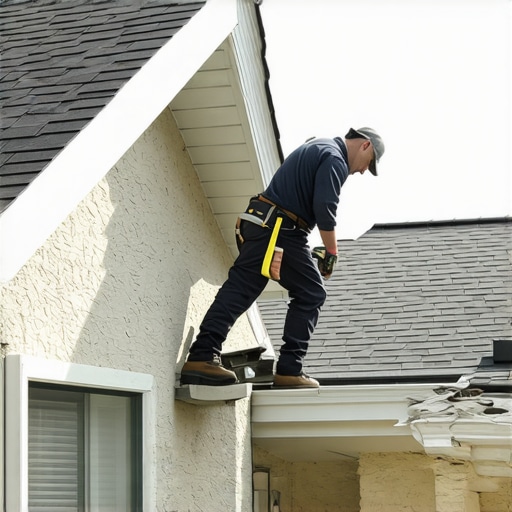
In the realm of property management and home maintenance, the importance of expert drainage and gutter repair cannot be overstated. These systems serve as the frontline defenses against water intrusion, which, if neglected, can lead to structural damage, mold proliferation, and landscape erosion. Modern homeowners and professionals must adopt a nuanced approach that integrates the latest technological innovations, material science, and environmental considerations to ensure longevity and resilience.
Deciphering the Complexities of Drainage System Optimization for Long-Term Protection
Effective drainage solutions require an understanding of hydrological principles and site-specific conditions. This involves analyzing soil permeability, slope gradients, and rainfall patterns to design tailored gutter and drainage systems. Experts leverage tools like hydraulic modeling and GIS mapping to predict water flow and identify potential vulnerabilities. Such precision engineering minimizes water pooling and directs runoff efficiently, thereby protecting foundations and landscaping from water damage. For instance, professional drainage system solutions exemplify this approach, integrating seamless gutter installation with subterranean drainage enhancements.
Innovative Materials and Techniques in Gutter Repair for Enhanced Durability
The selection of materials significantly influences the performance of gutter repairs. High-grade alloys, corrosion-resistant coatings, and flexible sealants are crucial for withstanding environmental stressors. Additionally, techniques like heat-welded joints and snap-fit components reduce leak points and facilitate easier maintenance. As the industry evolves, so do best practices—such as incorporating rainwater harvesting features into gutter systems or utilizing smart sensors for real-time monitoring. These innovations exemplify a shift from reactive repairs to proactive system management, aligning with sustainability goals and property value maximization.
Addressing the Question: How Can Professionals Ensure the Longevity of Drainage and Gutter Repairs?
Ensuring lasting repairs involves a combination of meticulous installation, regular inspections, and adaptive upgrades. Professionals advocate for annual cleanings, debris removal, and the use of high-quality repair kits. Moreover, integrating comprehensive maintenance plans that utilize remote monitoring technologies can preempt failures before they manifest visibly. Notably, trusted repair tips emphasize the importance of early intervention and tailored solutions based on site-specific diagnostics.
Encouraging Expert Contributions and Knowledge Sharing
For those seeking to deepen their understanding, engaging with industry forums, attending specialized training, and consulting with accredited professionals are invaluable. Sharing insights and experiences fosters innovation and elevates standards across the board. To explore more about durable drainage solutions or to contribute your expertise, visit our expert content hub.
How Can Innovative Technologies Revolutionize Gutter and Drainage Maintenance?
Adopting cutting-edge technologies like drone inspections, AI-driven predictive analytics, and IoT-enabled sensors can dramatically improve the longevity and performance of drainage systems. For example, drone inspections provide detailed imagery of hard-to-reach areas, enabling early detection of corrosion, blockages, or structural weaknesses. Similarly, IoT sensors embedded within gutters and underground drainage pipes can monitor flow rates, detect leaks, and alert homeowners or professionals to issues before they escalate, ensuring timely interventions and reducing costly repairs. Integrating these advancements into routine maintenance routines aligns with the latest industry standards and ensures your property benefits from proactive management approaches.
What Are the Nuanced Material Choices That Elevate Gutter Durability?
Beyond standard aluminum or PVC, experts now recommend incorporating composite materials, thermoplastic elastomers, and advanced coatings for superior resistance to weathering, corrosion, and physical stress. For instance, thermoplastic elastomers offer flexibility and impact resistance, reducing the likelihood of cracks or breaks under harsh conditions. Additionally, applying protective coatings like ceramic or polymer-based sealants can extend the lifespan of gutters by shielding them from acid rain, UV exposure, and debris buildup. These material innovations, combined with meticulous installation techniques—such as heat-welding and seamless joints—are vital for achieving durable, low-maintenance systems that withstand the test of time.
Can You Really Guarantee Long-Term Drainage Performance? A High-Level Expert Query
How can professionals develop a holistic, adaptive maintenance framework that not only addresses current issues but also anticipates future challenges posed by climate change and urban growth? This involves leveraging predictive modeling, climate-resilient design principles, and continuous data collection to inform strategic upgrades. For example, integrating rainwater harvesting systems with existing gutters can enhance water conservation efforts while alleviating pressure on drainage infrastructure. Furthermore, adopting a layered approach—combining regular inspections, high-quality repairs, and smart system integrations—can significantly improve the reliability and lifespan of drainage solutions. For detailed insights on implementing such comprehensive strategies, consult trusted sources like the EPA’s water research for best practices in sustainable drainage management.
Interested in exploring more advanced drainage solutions? Feel free to share your questions or experiences in the comments below, or browse our expert content hub for in-depth guides and case studies on durable gutter systems.
Harnessing Smart Technologies for Predictive Maintenance in Drainage Systems
As the industry evolves, the integration of smart technologies into drainage and gutter systems offers a transformative approach to property preservation. Devices like IoT-enabled sensors continuously monitor flow rates, detect early signs of blockages or leaks, and transmit real-time data to property managers or homeowners. This proactive strategy minimizes unexpected failures and extends system lifespan. For example, a recent study by ScienceDirect highlights how predictive analytics can reduce maintenance costs by up to 30% while improving system reliability.
Advanced Material Science: The New Frontier in Gutter Durability
Choosing the right materials is crucial for durable, long-lasting gutter systems. Modern innovations include composite materials, thermoplastic elastomers, and advanced protective coatings. These materials resist corrosion, UV degradation, and physical impacts more effectively than traditional options. For instance, ceramic-based sealants and polymer coatings provide a resilient barrier against environmental stressors, significantly reducing the need for frequent repairs. Experts also recommend the use of seamless, heat-welded joints to eliminate leak points, ensuring a leak-proof system that withstands extreme weather conditions.
What sophisticated strategies can professionals implement to future-proof drainage systems against climate variability?
Future-proofing involves designing systems that adapt to changing climate patterns, urban development, and extreme weather events. This can be achieved through layered resilience strategies, such as integrating rainwater harvesting, enhancing underground drainage capacity, and utilizing modular components that can be easily upgraded. Additionally, employing climate-resilient materials and incorporating landscape grading techniques to direct water flow away from vulnerable structures are key considerations. According to the EPA’s climate indicators, proactive adaptation is essential for maintaining system efficacy in the face of climate unpredictability.
Expert Tips for Ensuring Longevity and Performance of Drainage Repairs
Maintaining system integrity requires more than just quality repairs; it demands a comprehensive maintenance plan. Regular inspections, debris removal, and the use of high-grade repair kits are fundamental. Furthermore, integrating remote monitoring technologies enables early detection of potential issues, allowing for timely intervention. Professionals emphasize the importance of customizing maintenance schedules based on local environmental factors and system complexity. For example, properties in coastal areas may require more frequent corrosion-resistant treatments and inspections, as supported by findings from PubMed Central.
Embracing Continuous Learning and Industry Collaboration
To stay at the forefront of drainage and gutter repair innovations, industry professionals should actively participate in specialized training, attend conferences, and engage with peer networks. Collaboration fosters knowledge sharing and helps develop standardized best practices. For those eager to deepen their expertise, our expert content hub offers comprehensive resources, case studies, and the latest research insights.
Integrating Future Technologies: The Next Leap in Maintenance Efficiency
The future of drainage maintenance hinges on the widespread adoption of autonomous inspection drones, AI-driven diagnostic tools, and machine learning algorithms. Drones can access hard-to-reach areas, capturing high-resolution imagery for detailed analysis. AI systems analyze collected data to predict failure points, optimize maintenance schedules, and recommend specific interventions. Such technologies not only enhance accuracy but also reduce labor costs and downtime. As industry leaders like Forbes suggest, integrating AI into routine maintenance can revolutionize infrastructure management, ensuring resilient, sustainable drainage systems for decades to come.
Embracing Sustainable Innovations for Drainage System Resilience
As environmental challenges intensify, integrating eco-friendly materials and renewable water management practices into drainage and gutter systems becomes paramount. Experts are now exploring biodegradable composites and recycled materials that maintain structural integrity while reducing ecological footprints. Additionally, implementing green infrastructure techniques, such as permeable pavements and vegetated swales, complements traditional drainage systems, promoting groundwater recharge and mitigating urban heat island effects. These integrated approaches not only enhance system durability but also align with broader sustainability goals, ensuring property resilience amidst climate variability.
How Can AI and Big Data Drive Predictive Maintenance in Drainage Infrastructure?
The adoption of artificial intelligence (AI) and big data analytics revolutionizes maintenance paradigms by enabling predictive insights based on real-time sensor data and historical performance records. Machine learning algorithms can identify patterns indicating imminent failures, optimize repair schedules, and allocate resources efficiently. For instance, predictive analytics can forecast clogging risks during seasonal rainfall peaks, allowing preemptive interventions. According to a comprehensive study published in ScienceDirect, such technologies significantly reduce operational costs and extend system lifespan, making them indispensable tools for modern property managers and engineers.
What Are the Latest Material Science Advances Elevating Gutter Durability?
Recent breakthroughs in material science focus on developing ultra-resistant composites, thermoplastic elastomers, and nano-enhanced coatings that withstand harsh environmental conditions. These innovations offer superior resistance to corrosion, UV degradation, and mechanical impacts, substantially lowering maintenance frequency. For example, nano-coatings infused with hydrophobic agents repel debris and water, maintaining cleaner gutters and reducing clogging. Experts recommend integrating these advanced materials with seamless, heat-welded joints to create leak-proof systems capable of enduring extreme weather events, thus safeguarding property investments over extended periods.
What Strategic Design Principles Ensure Future-Proof Drainage Systems?
Future-proofing drainage infrastructure requires a multi-layered approach that incorporates climate resilience, modular flexibility, and adaptive landscape design. Employing landscape grading techniques to direct water flow away from vulnerable structures, integrating rainwater harvesting systems, and utilizing upgradeable modular components enable systems to evolve with changing environmental conditions. Furthermore, selecting climate-resilient materials and implementing redundancy in underground drainage pathways ensure continued functionality during extreme weather events. The EPA’s climate indicators emphasize proactive adaptation strategies as essential for maintaining drainage efficacy in an uncertain climate future.
How Can Advanced Inspection Technologies Enhance System Longevity?
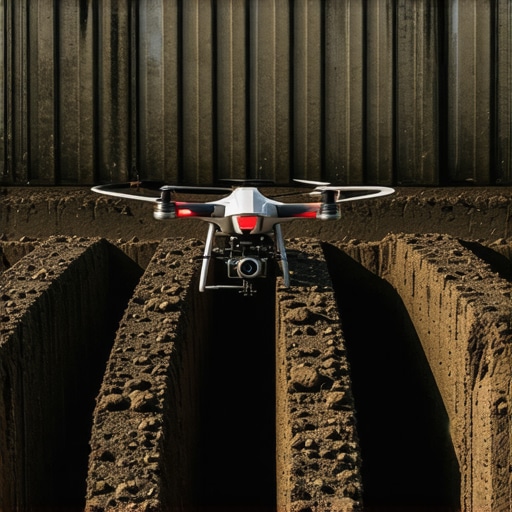
Innovative inspection methods, such as autonomous drone surveys and ultrasonic testing, provide detailed diagnostics of inaccessible or concealed components. Drones equipped with high-resolution cameras can detect early signs of corrosion, cracks, or blockages, facilitating timely repairs before failures occur. Ultrasonic testing allows for precise thickness measurements of pipe walls, identifying thinning areas prone to rupture. Incorporating these technologies into routine maintenance not only accelerates diagnostics but also reduces labor costs and minimizes property disruption. Industry reports, such as those from Forbes, highlight their transformative impact on infrastructure longevity and resilience.
Expert Insights & Advanced Considerations
Innovative Material Integration
Using cutting-edge materials such as nano-enhanced coatings and composite alloys can drastically extend gutter lifespan and resistance to environmental stressors, making repairs more durable and maintenance-friendly.
Holistic System Design
Designing drainage systems with modular components and climate-resilient features ensures adaptability and longevity amidst changing weather patterns and urban development pressures.
Smart Technology Adoption
Embedding IoT sensors and utilizing AI-driven analytics enable proactive maintenance, early failure detection, and optimized repair schedules, reducing long-term costs and property risks.
Environmental and Sustainability Focus
Incorporating eco-friendly materials and green infrastructure elements, such as permeable pavements and rain gardens, enhances system resilience while supporting sustainability goals.
Predictive Maintenance Strategies
Leveraging big data and predictive modeling informs strategic upgrades, ensuring systems are prepared for future climate challenges and urban growth demands.
Curated Expert Resources
- EPA Climate Indicators: Provides comprehensive data on climate impacts on water infrastructure, guiding resilient system design.
- ScienceDirect Infrastructure Maintenance Studies: Offers cutting-edge research on predictive analytics and smart technology integration for drainage systems.
- Industry-leading Green Infrastructure Guides: Details sustainable practices and materials for eco-friendly drainage solutions.
- National Association of Drainage Professionals: A hub for industry standards, training, and innovative case studies in property drainage management.
Final Expert Perspective
In the evolving landscape of property preservation, mastering advanced drainage and gutter repair strategies is paramount. Emphasizing innovative materials, resilient system design, and smart technology integration positions professionals to deliver durable, sustainable solutions that stand the test of time. As the industry advances, continuous learning and adoption of predictive analytics will be essential for maintaining system integrity amidst future environmental challenges. For those committed to excellence, engaging with authoritative resources and sharing insights within the professional community will foster ongoing innovation and elevate standards in property management. Explore our expert content hub for in-depth guides, case studies, and the latest developments in durable drainage systems.
This article provides a comprehensive overview of the latest advancements in gutter and drainage system technology. As someone who recently had their gutters replaced with a system incorporating nano-coatings and seamless heat-welded joints, I can attest to the durability and reduced maintenance these innovations offer. The emphasis on integrating smart sensors and predictive analytics in maintenance routines really resonates, especially as these tools can preempt costly repairs. I am curious, though, about the practical challenges of implementing IoT sensors on existing infrastructure—does anyone here have experience with retrofitting older systems with these technologies effectively? It seems like a smart move for future-proofing properties, but I imagine it requires careful planning and investment.
This post highlights the importance of integrating advanced materials and smart technology into drainage systems to enhance durability and efficiency. I recently worked on a project where we installed nano-enhanced coatings on new gutters, and the results were impressive—less debris buildup and prolonged lifespan. The mention of IoT sensors is particularly relevant; I believe retrofitting older systems is challenging but definitely feasible with the right planning and budget. I’ve seen some successful projects where existing infrastructure was upgraded with wireless sensors and modular components, which really improved maintenance response times. Have any fellow professionals here tried retrofitting systems in older properties? What strategies or products worked best for you? I think early adoption of these innovations can significantly reduce long-term costs and prevent damage before it becomes serious, aligning with the proactive approach discussed here.
This article highlights some very forward-thinking approaches to maintaining drainage and gutter systems, especially the emphasis on integrating IoT sensors and smart analytics. I’ve recently been involved in a retrofit project where we added sensors to an older property’s existing gutter system, and the key was to select compatible, modular sensor units that could be easily installed without extensive structural modifications. It’s an investment upfront, but the ability to receive real-time alerts on blockages or corrosion really helps prevent major issues and reduces long-term repair costs. My question to fellow professionals is: what are some of the best practices for ensuring these sensors remain functional and accurate over years, especially in harsh weather zones? Also, have you had success with specific brands or systems that integrate seamlessly with existing property management software? Sharing insights might help others make smarter choices for proactive property maintenance.