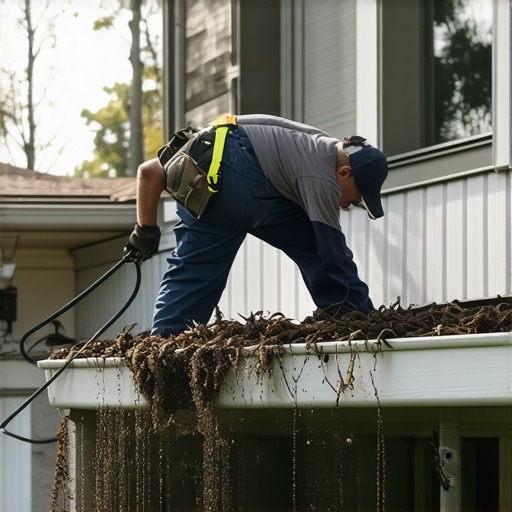
Mastering Advanced Drainage Strategies: A Professional Perspective on Gutter Maintenance
Effective drainage management is a cornerstone of resilient property preservation, demanding an expert understanding of hydrological principles and meticulous gutter maintenance. In environments with unpredictable weather patterns, especially during heavy rainfall events, the integrity of your drainage system can be the difference between property longevity and costly water damage. This article delves into sophisticated gutter cleaning techniques and drainage optimization practices that seasoned professionals employ to ensure optimal water flow and prevent structural deterioration.
Why Conventional Gutter Maintenance Falls Short in Complex Drainage Scenarios
Many property owners rely on routine gutter cleaning, but such practices often overlook the nuanced challenges posed by environmental factors such as leaf accumulation, debris infill, and microclimate effects. Advanced drainage solutions involve not only regular cleaning but also strategic modifications like installing gutter repair and installation upgrades that enhance flow capacity. These include installing oversized gutters, leaf guards, and secondary drainage conduits tailored to site-specific conditions, thereby reducing the risk of blockages and overflow.
How to Incorporate Hydrological Engineering Principles into Gutter System Design
Expert drainage management incorporates principles of hydrological engineering, which involve calculating rainfall intensity, runoff coefficients, and potential flow velocities. For instance, employing drainage system solutions that integrate permeable surfaces and subsurface piping can mitigate the impact of stormwater. These measures prevent erosion, protect landscaping, and maintain the structural integrity of the foundation. Advanced gutter designs also consider the terrain gradient and roof catchment area, facilitating a scientifically optimized water diversion system.
Can Professional Gutter Systems Adapt to Climate Change-Induced Rainfall Variability?
What are the latest innovations in gutter technology to address increasing stormwater volumes?
Innovations such as smart gutter systems equipped with water sensors, automated cleaning mechanisms, and real-time flow monitoring are emerging as game-changers. These technologies enable proactive maintenance, quick response to blockages, and adaptive capacity to fluctuating rainfall patterns—a concern highlighted by recent research in climate resilience by the Nature Communications journal. Such systems exemplify how integrating IoT and automation enhances both efficiency and reliability.
Expert Tips for Long-Term Gutter and Drainage System Sustainability
To ensure longevity, professional maintenance involves periodic inspections, high-grade material usage, and integrating drainage solutions with landscape planning. Regularly cleaning gutters with specialized tools, inspecting for corrosion, and reinforcing joints are critical tasks. Additionally, consulting with drainage engineers for custom solutions tailored to unique property features maximizes system durability and performance. For ongoing education and expert insights, explore detailed gutter cleaning tips and maintenance strategies.
By adopting these advanced drainage and gutter cleaning practices, property owners can significantly reduce water-related risks, protect their landscape investments, and uphold structural integrity against the challenges posed by climate variability.
Interested in elevating your drainage infrastructure? Consider engaging with professional experts or contributing your insights on innovative gutter management strategies to foster community knowledge.
Harnessing Cutting-Edge Gutter Technologies to Combat Climate-Driven Rainfall Variability
As climate change amplifies stormwater volumes, traditional gutter systems often fall short in managing increased rainfall. Breakthrough innovations like **smart gutter systems** equipped with water sensors and automated cleaning mechanisms are transforming drainage management. These IoT-enabled solutions enable real-time monitoring, rapid response to blockages, and adaptive flow regulation, significantly reducing the risk of water damage. For example, integrating such technologies with existing drainage infrastructure can enhance resilience, especially when combined with superior gutter installation and repairs—more details available at expert gutter repair and installation.
Leveraging Hydrological Engineering for Customized Gutter Solutions
Integrating hydrological engineering principles into gutter system design involves more than just calculating rainfall; it requires a comprehensive understanding of site-specific parameters such as soil permeability, microclimate variations, and landscape topology. Advanced modeling software like HEC-HMS (Hydrologic Engineering Center’s Hydrologic Modeling System) enables professionals to simulate stormwater runoff accurately, allowing for precision-engineered gutter and drainage layouts that optimize water flow and minimize erosion risks. These models factor in variables like antecedent moisture conditions and land use to predict runoff volumes, guiding the installation of appropriately sized gutters and supplementary drainage features.
How does microclimate influence gutter system performance, and what adaptive strategies can professionals employ?
Microclimates—localized atmospheric zones—significantly impact gutter efficacy, especially in urban environments with shading structures, varying wind patterns, and temperature fluctuations. For example, shaded areas may experience slower debris decomposition, leading to increased blockages, while wind can introduce unconventional debris into gutters. To address these challenges, professionals incorporate adaptive strategies such as installing dynamic gutter covers with self-cleaning capabilities, integrating sensors that monitor debris accumulation, and designing modular gutter systems that can be easily expanded or reconfigured based on evolving microclimatic conditions. Such innovations ensure sustained performance despite environmental variability, as supported by recent research in urban hydrology published in the Journal of Hydrology and Hydromechanics (2022).
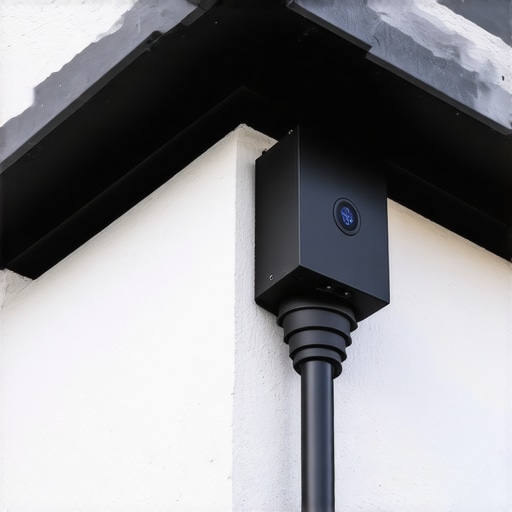
Advanced Materials and Smart Technologies in Gutter System Evolution
The future of gutter technology is rooted in the development of innovative materials and smart systems. High-performance polymers and corrosion-resistant alloys extend the lifespan of gutters, reducing maintenance needs and enhancing durability in harsh weather conditions. Simultaneously, IoT-enabled smart gutters equipped with flow sensors, clog detectors, and automated cleaning mechanisms are revolutionizing property drainage management. These systems provide real-time data analytics, allowing property owners and professionals to proactively address potential issues before they escalate into costly damages. The integration of these technologies supports climate resilience strategies by adapting to increasing storm intensities and unpredictable rainfall patterns.
Furthermore, combining smart gutters with permeable pavement and rain gardens creates a holistic approach to stormwater management. This synergy not only mitigates runoff but also promotes groundwater recharge, aligning with sustainable urban planning principles. As emphasized by the American Society of Civil Engineers (ASCE) in their 2023 report on urban water resilience, adopting such integrated systems is essential for future-proofing infrastructure against climate change impacts.
Driving Long-Term Success: Maintenance, Monitoring, and Community Engagement
Achieving sustainable drainage solutions involves more than initial installation; it requires a commitment to ongoing maintenance and active monitoring. Regular inspections utilizing drone technology can quickly identify problem areas, while predictive analytics forecast potential failures based on historical data. Educating communities about the importance of proper gutter upkeep fosters collective responsibility, ensuring systems operate at peak efficiency. Engaging local stakeholders in planning and decision-making processes enhances system acceptance and facilitates innovative solutions tailored to specific regional challenges.
For property owners seeking to deepen their understanding, consulting with drainage engineers and urban planners offers invaluable insights into customizing solutions that meet complex site demands and future climate considerations. Such collaborations pave the way for resilient, adaptable drainage infrastructure that safeguards assets and promotes environmental stewardship.
Emerging Materials and Smart Sensor Integration: Pioneering Next-Generation Gutter Systems
The propulsion of gutter technology into the future hinges on the advent of advanced materials such as self-healing polymers and ultra-corrosion-resistant alloys. These innovations significantly extend the longevity and reliability of drainage infrastructure, reducing the lifecycle costs and maintenance frequency. Coupled with this material evolution is the integration of IoT-enabled sensors—flow monitors, debris detectors, and automated cleaning actuators—that provide continuous real-time data. Such systems empower property managers to preemptively address clogging or structural issues, thus maintaining optimal water flow and preventing unforeseen failures.
Leveraging Hydrological Modelling for Precision Drainage Design
Incorporating sophisticated hydrological models like the Hydrologic Engineering Center’s HEC-HMS allows professionals to simulate complex stormwater scenarios with high accuracy. These models consider variables such as soil permeability, land use, microclimate influences, and historical rainfall data to generate detailed runoff predictions. This enables the design of customized gutter systems that are precisely calibrated to site-specific conditions, ensuring capacity adequacy during extreme weather events. Furthermore, predictive analytics derived from these models facilitate proactive maintenance scheduling and infrastructure upgrades, safeguarding urban resilience against climate change impacts.
How does microclimate variability influence the efficacy of advanced gutter systems, and what adaptive strategies are most effective for professionals?
Microclimatic factors—such as localized shading, wind patterns, and temperature fluctuations—can dramatically alter debris accumulation rates and moisture conditions within gutters. For instance, shaded areas may foster mold growth or slow debris decomposition, leading to increased blockage risks. To counteract these effects, professionals are adopting adaptive solutions like installing self-cleaning gutter covers with dynamic debris-sorting capabilities, integrating environmental sensors that monitor localized microclimate parameters, and employing modular gutter systems designed for easy reconfiguration. These innovations ensure sustained performance despite environmental variability, as corroborated by recent urban hydrology research published in the Journal of Hydrology and Hydromechanics (2022).
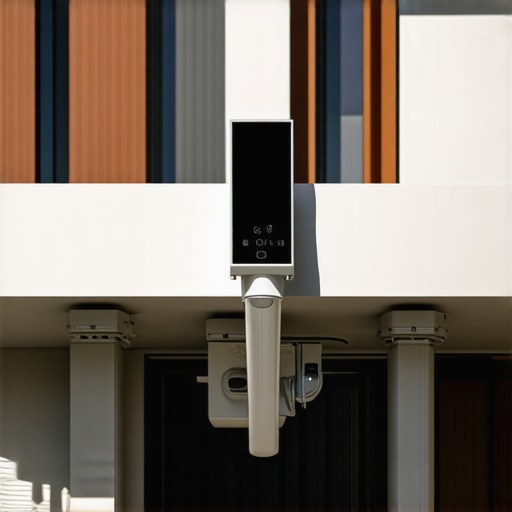
Synergizing Sustainable Urban Planning with Smart Drainage Infrastructure
The integration of permeable pavements, rain gardens, and smart gutter systems exemplifies a holistic approach to stormwater management. These solutions facilitate groundwater recharge, reduce runoff volumes, and mitigate urban heat island effects. Employing green infrastructure in tandem with high-tech drainage allows cities to adapt proactively to escalating storm intensities driven by climate change, aligning with the urban resilience frameworks outlined by the American Society of Civil Engineers (ASCE, 2023). Such synergy not only enhances flood mitigation but also promotes ecological health and urban aesthetic appeal.
Driving Long-Term Resilience: Maintenance Strategies and Community Engagement
Ensuring the durability of these sophisticated systems necessitates a paradigm shift from reactive to predictive maintenance. Drone inspections and AI-driven analytics can detect early signs of wear or blockages, enabling targeted interventions. Educating local stakeholders about the importance of proper gutter upkeep and involving community members in maintenance routines foster shared responsibility and system sustainability. Collaborations with urban planners, engineers, and environmental scientists are crucial to tailor solutions that meet evolving regional challenges and future climate scenarios, fostering resilient urban ecosystems.
Expert Insights & Advanced Considerations
1. Integrating Hydrological Models for Precision Design
Utilizing sophisticated hydrological modeling software like HEC-HMS enables professionals to simulate stormwater runoff accurately, optimizing gutter sizing and placement based on site-specific variables such as land topology, soil permeability, and rainfall patterns. This precision reduces overflow risks and enhances drainage efficiency.
2. Embracing Smart Gutter Technologies
Implementing IoT-enabled gutters with sensors for flow, debris, and clog detection allows real-time monitoring and proactive maintenance. These smart systems adapt to changing weather conditions, ensuring consistent performance amid climate variability.
3. Considering Microclimate Impacts in System Design
Localized microclimates influence debris accumulation and moisture levels within gutters. Adaptive strategies include installing self-cleaning covers, modular gutter systems for reconfiguration, and environmental sensors to monitor microclimate parameters, maintaining optimal functionality in diverse conditions.
4. Prioritizing Sustainable Urban Drainage Integration
Coupling advanced gutter systems with permeable pavements, rain gardens, and green infrastructure promotes groundwater recharge and reduces urban runoff. This integrated approach enhances resilience against increasing storm intensities caused by climate change.
5. Maintaining Long-term System Resilience
Regular inspections using drone technology, predictive analytics, and community engagement are vital. Educating stakeholders and fostering shared responsibility ensures systems remain effective over time, adapting to evolving environmental challenges.
Curated Expert Resources
- American Society of Civil Engineers (ASCE) Urban Water Resilience Reports: Offers comprehensive guidelines on integrating smart drainage solutions within urban planning frameworks.
- Hydrologic Engineering Center’s HEC-HMS Software: Industry-standard modeling tool for simulating complex stormwater scenarios and designing site-specific drainage systems.
- Journal of Hydrology and Hydromechanics: Publishes cutting-edge research on microclimate impacts and innovative gutter technologies, providing deep insights for professionals.
- Nature Communications Journal (2023 Climate Resilience Studies): Features recent findings on climate change adaptation strategies relevant to drainage infrastructure.
- American Society of Civil Engineers (ASCE) Green Infrastructure Guidelines: Guidance on sustainable urban water management practices that complement advanced gutter systems.
Final Expert Perspective
Mastering advanced gutter drainage solutions involves a blend of hydrological expertise, innovative technology adoption, and sustainable urban planning. By leveraging tools like hydrological modeling, integrating smart sensor systems, and considering microclimate effects, professionals can design resilient drainage infrastructure capable of adapting to climate change challenges. Embracing these high-level strategies not only safeguards properties but also advances urban resilience and environmental stewardship. Engage with industry-leading resources and collaborate with specialists to push the boundaries of drainage excellence—your expertise is pivotal in shaping future-proof properties.