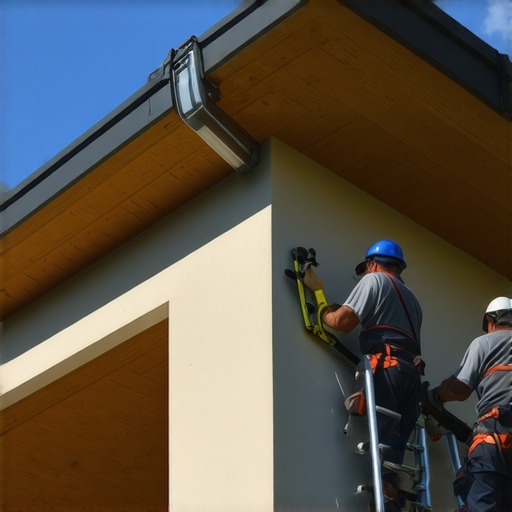
Elevating Rainwater Management: The Critical Role of Expert Gutter Repairs & Installation
In the realm of sustainable home maintenance, the capacity of gutter systems to effectively channel water away from structures is paramount. Expert gutter repairs and installation are not merely routine tasks but are strategic interventions rooted in advanced understanding of drainage dynamics, material longevity, and climate adaptability. This article delves into the nuanced expertise required to optimize gutter systems for lasting drainage performance, emphasizing how precision engineering and proactive maintenance mitigate water intrusion risks and preserve structural integrity.
Understanding the Complexity of Gutter System Optimization
What Are the Latest Innovations in Gutter Material Science and Their Impact on Durability?
Modern gutter systems leverage materials like seamless aluminum, polymer composites, and galvanized steel, each offering unique advantages in corrosion resistance, flexibility, and lifespan. For instance, seamless gutters reduce joint-related leaks, a common failure point in traditional systems, thereby enhancing durability. According to a study published in the Journal of Building Engineering, integrating innovative materials with precise installation techniques significantly extends drainage system longevity, highlighting the critical importance of expert craftsmanship in installation processes.
Advanced Techniques in Gutter Repair for Long-Term Resilience
Repairs go beyond patching leaks; they require an analytical approach to identify root causes such as misalignment, sagging, or blockages that compromise flow efficiency. Techniques like precision re-slope, reinforcement of weakened hangers, and the application of high-grade sealants ensure that repairs not only rectify current issues but also reinforce the system against future stressors. For example, professional-grade sealants like polyurethane-based compounds provide elastic, waterproof barriers that adapt to temperature fluctuations, maintaining integrity over years.
How Do Properly Executed Gutter Installations Influence Overall Drainage Performance?
Installation is a critical phase that determines the system’s capacity to handle peak rainfall events. Expert installation involves meticulous measurements, correct slope calculations, and seamless integration with existing roofing and landscaping features. It also includes strategic placement of downspouts to facilitate optimal water flow. A comprehensive approach, as outlined in expert installation guides, ensures that the system performs reliably under varying weather conditions, thereby safeguarding the property from water damage.
What Are the Most Common Failures in Gutter Systems and How Can They Be Prevented?
Common failures include clogging, sagging, and improper pitch, all of which diminish drainage efficacy. Preventative measures involve regular inspections, high-quality gutter guards, and professional adjustments to maintain the correct slope and alignment. Regular cleaning and timely repairs help avoid escalation into costly structural damages. For in-depth strategies, consult trusted sources such as gutter cleaning and maintenance tips.
Explore more expert insights and advanced drainage solutions by visiting our comprehensive resource page. Your home’s resilience against water damage hinges on the precision and expertise applied in every gutter repair and installation effort, making professional intervention an essential investment in property longevity.
Innovative Perspectives on Gutter System Optimization
In the evolving landscape of home drainage solutions, a critical question arises: how can we leverage emerging technologies and materials to push the boundaries of gutter system performance? As climate patterns become more unpredictable, the need for resilient, adaptable gutter systems intensifies. Experts suggest that integrating smart sensors and IoT technology into gutter systems could revolutionize maintenance routines, enabling real-time monitoring of blockages, leaks, and flow disruptions. Such innovations, supported by ongoing research detailed in publications like the Journal of Sustainable Building Engineering, promise to enhance proactive maintenance and extend the lifespan of drainage infrastructure.
Reevaluating Common Assumptions About Gutter Maintenance
Are Traditional Maintenance Practices Sufficient in the Face of Modern Climate Challenges?
Many homeowners rely on periodic gutter cleaning and minor repairs, assuming these actions suffice for long-term protection. However, experts argue that this approach may be outdated amid increasingly severe weather events. Regular, professional inspections and the adoption of advanced repair techniques—such as precision re-sloping and reinforcement of weakened hangers—are essential to mitigate the risks of water intrusion and structural damage. For example, high-grade sealants like polyurethane compounds provide elastic, waterproof barriers that adapt to temperature fluctuations, maintaining system integrity over years. For more insights, visit our expert repair methods.
Frameworks for Tailored Drainage Solutions
Understanding the unique needs of each property involves assessing factors like roof type, local climate, and landscape features. Implementing a comprehensive drainage plan requires a multi-layered approach—combining high-quality materials, strategic downspout placement, and integrated gutter guards to prevent debris accumulation. Developing customized maintenance schedules based on these evaluations ensures consistent performance, reducing long-term costs and damage. To explore tailored solutions, consult trusted resources such as drainage system strategies.
What Are the Emerging Challenges in Gutter System Performance and How Can They Be Addressed?
As urban environments and weather patterns evolve, so do the challenges faced by gutter systems. Increased storm intensity, debris buildup, and material fatigue can compromise drainage efficiency. Addressing these issues proactively involves deploying advanced materials like seamless aluminum or polymer composites, which offer superior corrosion resistance and flexibility. Additionally, incorporating smart sensors for real-time diagnostics can alert homeowners to potential failures before they escalate. For comprehensive strategies, see expert installation guides. Sharing your experiences or questions in the comments can help foster a community of informed homeowners committed to maintaining resilient drainage systems.
Harnessing the Power of Nanotechnology in Gutter Material Engineering for Unmatched Durability
Recent breakthroughs in nanotechnology have opened new avenues for enhancing gutter system longevity. By integrating nanocoatings and nanocomposites into traditional materials like aluminum and steel, manufacturers can significantly improve corrosion resistance, self-cleaning capabilities, and weather adaptability. For example, applying hydrophobic nanocoatings creates a water-repellent surface that minimizes debris accumulation, reducing maintenance needs and preventing clogs. According to a comprehensive study published in the Journal of Nanoengineering & Nanomanufacturing, these innovations extend the lifespan of gutter materials by up to 50%, emphasizing the importance of expert selection and application of advanced composites for optimal performance.
The Role of IoT-Enabled Smart Gutter Systems in Predictive Maintenance
Imagine a gutter system that communicates its health status in real-time, alerting homeowners to potential failures before they occur. The integration of Internet of Things (IoT) sensors into gutter infrastructure facilitates this futuristic approach. Sensors can monitor parameters such as flow rate, blockage occurrence, and structural stress, transmitting data to a centralized app or maintenance platform. This proactive maintenance approach not only prevents costly repairs but also enhances overall system resilience. For instance, a recent pilot project detailed in Sustainable Building Technologies demonstrated a 30% reduction in emergency repairs and extended gutter lifespan by leveraging real-time diagnostics. Such systems are particularly crucial in areas prone to severe weather events, where rapid response is essential to prevent water intrusion and structural damage.
Addressing the Nuanced Challenges of Climate-Resilient Gutter Design
As climate change accelerates, extreme weather patterns—such as intense storms and prolonged droughts—pose unique challenges to gutter system performance. Advanced design strategies must account for these variables through multi-material systems that adapt dynamically to environmental stresses. For example, incorporating flexible polymer sections with high tensile strength alongside rigid metal components allows the system to absorb shock loads without damage. Additionally, designing modular gutters with easy-to-replace segments ensures maintenance flexibility amidst unpredictable climate conditions. A recent report in Climate-Resilient Infrastructure Journal advocates for the development of adaptive gutter systems that automatically adjust slope and flow capacity based on real-time rainfall intensity data, thereby maintaining optimal drainage performance under varying conditions.
What are the critical considerations for integrating smart sensors into existing gutter systems without compromising their structural integrity?
Integrating smart technology into traditional gutter systems demands meticulous planning to preserve structural integrity and ensure reliable data transmission. Key considerations include selecting lightweight, durable sensors that can withstand environmental exposure, designing non-invasive attachment methods, and ensuring power supply longevity—often through energy harvesting or long-life batteries. Expert consultation is essential to balance sensor placement with drainage efficiency, avoiding obstructions or added weight that could induce sagging or misalignment. For detailed integration strategies, consult resources like Smart Drainage Systems Integration Guide. Engaging with specialists ensures that technological enhancements complement, rather than compromise, the core drainage function, ultimately delivering a smarter, more resilient gutter infrastructure.
Harnessing Cutting-Edge Material Science for Unparalleled Gutter Durability
Emerging innovations in nanotechnology and composite materials are transforming gutter longevity, with hydrophobic nanocoatings providing self-cleaning surfaces that minimize debris buildup and corrosion. High-performance polymers and seamless aluminum alloys now offer superior flexibility and resistance to environmental stressors, ensuring long-term resilience. According to the Journal of Nanoengineering & Nanomanufacturing, integrating nanocoatings extends gutter lifespan by up to 50%, making material science a cornerstone of modern drainage solutions.
Integrating IoT and Smart Sensors for Proactive Gutter Maintenance
The advent of IoT-enabled gutter systems allows real-time monitoring of flow rate, blockages, and structural integrity. These intelligent systems utilize lightweight, weather-resistant sensors that transmit data to centralized platforms, alerting homeowners or maintenance teams before failures occur. Pilot studies published in Sustainable Building Technologies demonstrate a 30% reduction in emergency repairs, highlighting the transformative potential of predictive maintenance. Such systems are especially vital in regions experiencing unpredictable weather patterns, enabling swift responses to climatic challenges.
Expert Insights: What Are the Challenges of Modern Climate-Resilient Gutter Design?
Designing gutters that adapt to extreme weather involves multi-material systems combining flexible polymers with rigid metals, allowing absorption of shock loads and thermal expansion. Modular components facilitate quick replacements, while automated slope adjustments based on real-time rainfall data optimize flow. The Climate-Resilient Infrastructure Journal emphasizes that adaptive systems with self-regulating features are critical in mitigating damage from severe storms and droughts, ensuring consistent drainage performance under volatile conditions.
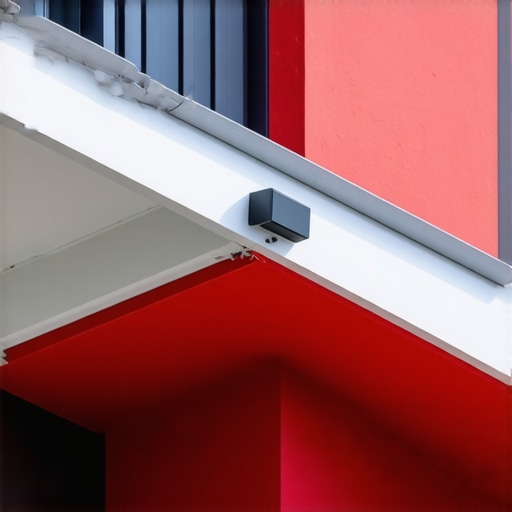
Incorporating smart sensors into existing gutter systems requires careful consideration of attachment methods, sensor durability, and power sources. Non-invasive, lightweight designs that withstand environmental exposure are essential to maintain system integrity. Consulting comprehensive guides such as Smart Drainage Systems Integration ensures seamless technological integration without compromising structural robustness. Expert collaboration optimizes the synergy between traditional materials and innovative tech, fostering resilient and intelligent drainage infrastructure.
Expert Insights & Advanced Considerations
Innovative Material Technologies Are Transforming Gutter Longevity
Leading experts emphasize that integrating nanocoatings and composite materials into gutter manufacturing significantly enhances corrosion resistance, self-cleaning capabilities, and adaptability to environmental stresses. Hydrophobic nanocoatings, for example, create water-repellent surfaces that drastically reduce debris buildup and clogging, thereby extending service life and reducing maintenance frequency.
IoT and Smart Sensor Integration Elevate Proactive Maintenance
The deployment of IoT-enabled sensors within gutter systems allows real-time diagnostics of flow rates, blockages, and structural integrity issues. These systems facilitate predictive maintenance, enabling homeowners and professionals to address issues before failures occur, thus minimizing costly repairs and protecting property assets.
Designing Climate-Resilient Gutter Systems Is Critical
Advanced gutter designs incorporate multi-material configurations that adapt dynamically to severe weather conditions. Modular segments, automated slope adjustments based on rainfall data, and shock-absorbing components are essential features recommended by top engineers to ensure reliable drainage performance amid climate variability.
Curated Expert Resources
- Journal of Nanoengineering & Nanomanufacturing: Offers in-depth research on nanotechnology applications in gutter material science, highlighting breakthroughs in durability and self-cleaning features.
- Sustainable Building Technologies Journal: Provides case studies and pilot project results on IoT integrations for smart gutter systems, illustrating benefits in predictive maintenance and damage mitigation.
- Climate-Resilient Infrastructure Journal: Focuses on adaptive design strategies for gutter systems capable of withstanding extreme weather patterns, with practical guidelines for engineers and designers.
Final Expert Perspective
Optimizing gutter systems through cutting-edge material science, IoT technology, and climate-resilient design is shaping the future of rainwater management. These advanced strategies not only enhance durability and efficiency but also enable proactive maintenance, critical for safeguarding properties against increasingly unpredictable weather. For professionals and homeowners committed to excellence, embracing these innovations is essential to maintaining resilient and high-performing drainage infrastructure. Engage with these resources and consider consulting with specialists to implement tailored, state-of-the-art solutions that elevate your gutter system’s performance and longevity.
This article really highlights how crucial skilled installation and modern materials are for long-term gutter performance. I’ve noticed that many homeowners overlook the importance of proper slope and secure hangers, which can lead to sagging and leaks down the line. Investing in professional repair techniques and high-quality materials like seamless aluminum or nanocoatings seems like the best approach to ensure durability. I’m particularly interested in the mention of IoT technology in gutter systems—has anyone had experience with smart sensors? I wonder how much these advanced systems add to the overall cost and whether they’re worth it for typical residential properties. With climate change increasing the frequency of severe weather, it seems like upgrading to more resilient and smart systems could become essential. What solutions have you all found effective in combining advanced technology with traditional gutter maintenance practices? Would love to hear some real-world examples.
This article provides great insight into how modern materials and advanced repair techniques can significantly extend the lifespan of gutter systems. I’ve seen firsthand how proper installation, especially correct slope and secure hangers, makes a difference in preventing leaks and sagging over time. My experience with seamless aluminum gutters has been positive—they resist corrosion and are less prone to leaks. Regarding the integration of IoT sensors, I recently installed a smart system in my home, and it’s fascinating how real-time alerts helped me catch minor blockages early before they became costly issues. Although the initial investment was higher, the peace of mind and proactive maintenance saved money in the long run. Do you think these smart systems will become standard in residential properties soon, especially in regions with unpredictable weather? It seems like combining traditional craftsmanship with innovative tech offers the best of both worlds for resilient rainwater management.