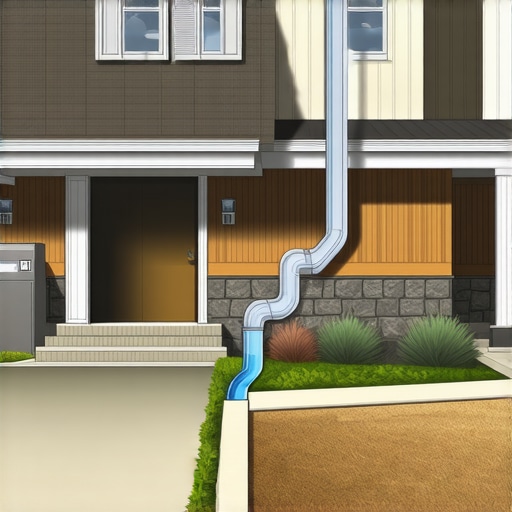
Elevating Home Defense Through Expert Gutter and Drainage Strategies
Effective gutter installation combined with advanced drainage solutions forms the backbone of sustainable home protection. As an industry expert, I recognize that a nuanced understanding of these systems can significantly mitigate water damage, structural erosion, and foundation instability. This article explores the sophisticated techniques and insights necessary to optimize gutter and drainage performance, ensuring long-lasting resilience for your residence.
The Critical Role of Precision Gutter Placement in Managing Rainwater
Proper gutter positioning transcends basic installation; it demands meticulous calculation of slope, alignment, and capacity to match local rainfall intensity. Incorrect positioning can lead to overflow, pooling, and seepage, undermining the very purpose of the system. Modern practices emphasize seamless integration with roof designs and the use of high-grade materials to enhance durability. For detailed installation procedures, consider consulting expert drainage solutions.
Innovative Drainage Solutions for Complex Home Architectures
Homes with intricate layouts pose unique challenges. Incorporating underground drainage pipes, catch basins, and retention systems ensures comprehensive water management. Advanced drainage systems leverage hydrological modeling and site-specific data to preempt water accumulation risks, especially in flood-prone zones. These solutions are vital in preventing basement flooding, soil erosion, and landscape damage, thereby extending the longevity of your property.
Why Regular Maintenance and Inspection Are Game Changers
Even the most robust systems can falter without proactive maintenance. Regular inspections, debris removal, and component upgrades are essential for optimal performance. Professional gutter and drainage cleaning services, such as trusted cleaning tips, prevent blockages that cause overflow and water intrusion. Embracing a maintenance routine rooted in expert recommendations preserves system integrity and safeguards your home over decades.
What are the most overlooked factors that compromise gutter and drainage effectiveness?
Common overlooked factors include improper grading of the terrain, inadequate downspout extensions, and failure to account for climate variability. These elements can drastically reduce system efficiency, leading to water ingress and structural damage. Analyzing these aspects through comprehensive site assessments ensures a holistic approach to waterproofing your home.
Harnessing Technology and Data for Optimal Drainage Planning
The integration of smart sensors, rain gauges, and GIS mapping facilitates real-time monitoring and predictive maintenance. These tools enable homeowners and professionals to anticipate potential failures and adapt systems proactively. As the industry advances, leveraging such technologies becomes indispensable for maintaining homes in the face of climate uncertainties.
For further insights into state-of-the-art drainage system solutions, visit drainage system solutions.
In conclusion, mastering gutter installation and drainage requires a combination of precise engineering, innovative technology, and vigilant maintenance. By adopting these expert strategies, homeowners can ensure their properties remain resilient against water-related threats, securing long-term home integrity and value.
Enhancing Drainage Performance Through Smart System Integration
While traditional gutters and drainage systems serve their purpose, integrating smart technology offers a new frontier in home water management. Sensors embedded within gutters can monitor flow rates and detect blockages in real-time, alerting homeowners to issues before they escalate. This proactive approach, supported by data analytics, enables timely maintenance, reducing the risk of water intrusion and structural damage. For those seeking comprehensive solutions, exploring drainage system solutions can provide a blueprint for modernizing your home’s defenses.
The Role of Material Innovation in Drainage Longevity
Material choice profoundly impacts the durability and effectiveness of gutter and drainage systems. Recent advancements have introduced corrosion-resistant alloys, impact-resistant plastics, and flexible materials that adapt to ground movement. These innovations ensure that gutters withstand harsh weather conditions and minimize maintenance needs over time. Incorporating high-quality materials aligned with local climate conditions, perhaps guided by expert advice from expert repairs and installations, can greatly extend the lifespan of your system.
What if Your Home’s Design Challenges Conventional Drainage Wisdom?
Many homeowners assume that standard gutter sizing and straightforward downspout placement suffice. However, complex architectural features, landscaping, and soil composition demand a bespoke approach. For instance, multi-story homes or those with intricate rooflines require tailored solutions such as custom gutter profiles, specialized drainage channels, or underground piping. These adaptations are critical for avoiding common pitfalls like oversaturation, soil erosion, or foundation settling. Consulting with drainage experts ensures your system is not only compliant but optimized for your unique environment. To understand more about designing effective drainage tailored to your property, consider reviewing installation and drainage solutions.
How Can Future-Proofing Your Drainage System Save You Money and Stress?
Investing in adaptable and scalable drainage solutions today can prevent costly repairs tomorrow. Climate change introduces unpredictable weather patterns, making flexible systems that accommodate increased rainfall or sudden storms increasingly vital. Modular components, upgradeable features, and integrated sensors are part of the future-proof toolkit that savvy homeowners and contractors are adopting. This foresight ensures your drainage infrastructure remains resilient, efficient, and compliant with evolving standards. For insights on implementing these advanced systems, visit trusted cleaning and maintenance tips.
If you found this exploration of innovative drainage strategies helpful, share your thoughts or suggest topics for deeper dives in the comments. Staying ahead in home protection means continuous learning and adaptation.
Harnessing the Power of Hydrological Modeling for Custom Drainage Designs
One of the most sophisticated tools in a drainage professional’s arsenal is hydrological modeling. By simulating water flow across your property, these models can predict potential problem zones and inform optimal gutter placement, pipe sizing, and retention basin locations. This predictive capability allows for proactive adjustments that prevent water buildup before it manifests as structural damage. For example, integrating software like HydroCAD or SWMM enables precise analysis tailored to your specific climate and landscape.
Implementing Eco-Friendly, Sustainable Drainage Solutions
As environmental consciousness grows, so does the demand for sustainable drainage systems (SuDS). These systems incorporate permeable pavements, rain gardens, and vegetated swales to enhance natural water infiltration while reducing runoff volume. Not only do these techniques alleviate pressure on municipal drainage infrastructure, but they also improve local ecosystems and increase property resilience. According to the SUSDRAIN project, adopting such eco-friendly practices can significantly cut maintenance costs and environmental impact.
How do smart drainage systems adapt to climate variability?
Smart drainage systems utilize sensors and IoT technology to dynamically respond to changing weather conditions. When heavy rainfall is detected, these systems can activate additional outlets or divert excess water to retention areas, minimizing the risk of overflow or erosion. Real-time data analytics enable homeowners and contractors to fine-tune system responses, ensuring optimal performance even amid unpredictable weather patterns. Embracing these innovations is crucial for future-proofing your property against climate change.
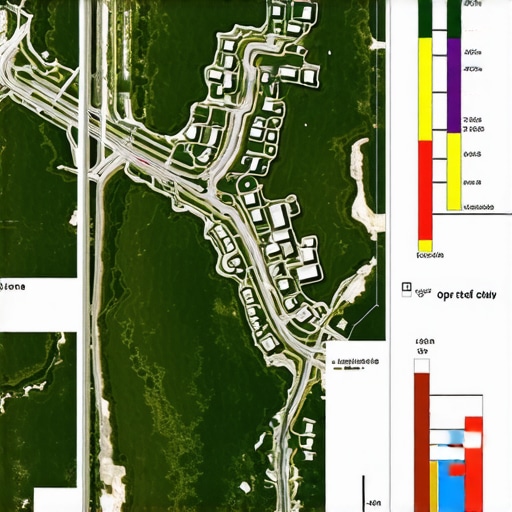
Choosing Materials that Outlast and Outperform
Material selection remains a cornerstone of durable drainage solutions. Recent advances in polymer composites and corrosion-resistant alloys have expanded the lifespan of gutters and pipes. For instance, high-density polyethylene (HDPE) pipes are highly impact-resistant and withstand chemical corrosion, making them ideal for underground installations exposed to soil acids or salts. Similarly, seamless aluminum gutters with protective coatings resist rust and require less maintenance, ensuring long-term serviceability. Expert advice from trusted suppliers, such as professional installers, can help select the best materials suited to your environment.
Designing for Complex Architectural and Landscape Features
Modern homes often feature intricate rooflines, multi-level structures, and diverse landscaping that challenge traditional drainage assumptions. Custom solutions—such as multi-directional downspouts, underground piping networks, and strategically placed catch basins—are essential for effective water management. For example, a multi-story residence with a steep roofline might benefit from a series of interconnected gutters feeding into a central underground drain, preventing oversaturation of the foundation. Collaborating with drainage engineers can help craft tailored systems that integrate seamlessly with your home’s unique architecture.
Future-proofing Your Water Management System: What to Consider?
Investing in adaptable infrastructure that accommodates climate change impacts saves significant costs and stress over the long term. Modular components, scalable piping networks, and sensor-based monitoring allow for incremental upgrades as your property evolves or as weather patterns shift. Such foresight ensures your drainage system remains resilient in the face of increasing storm intensity and rainfall frequency. For a comprehensive approach, consult with experts who specialize in sustainable drainage planning and smart technology integration.
If you’re eager to deepen your understanding of cutting-edge drainage innovations or need tailored advice, don’t hesitate to reach out to our team of specialists. Your home’s water resilience starts with informed choices—let us guide you through the process.
Harnessing Hydrological Data for Custom Drainage Architectures
One of the most sophisticated aspects of contemporary drainage planning involves the use of hydrological data to tailor solutions precisely to your property’s unique water flow characteristics. By employing tools such as HydroCAD or SWMM, engineers can simulate rainfall patterns and runoff, enabling the creation of optimized gutter profiles, pipe diameters, and retention basins. This proactive approach minimizes the risk of water ingress and foundation damage, especially in regions prone to intense storms.
Eco-Conscious Drainage Innovations Transforming Urban Landscapes
Green infrastructure solutions are redefining sustainable water management. Techniques like rain gardens, permeable pavements, and vegetated swales facilitate natural infiltration, reducing reliance on conventional drainage systems. These eco-friendly strategies not only mitigate flood risks but also enhance biodiversity and water quality. According to the SUSDRAIN initiative, integrating such systems is pivotal for resilient urban development and long-term environmental health.
How Do Smart Sensors Revolutionize Home Drainage Maintenance?
Embedding IoT-enabled sensors within gutters and drainage networks allows real-time monitoring of flow rates, blockages, and system integrity. These intelligent devices transmit data to homeowners or maintenance teams, enabling predictive interventions before failures occur. The technology reduces maintenance costs, prevents water damage, and ensures continuous system performance, representing a leap forward in home water management.
Material Science Advances Extend Drainage System Lifespans
Recent innovations in materials science have produced corrosion-resistant polymers, impact-proof plastics, and flexible composites that outperform traditional options. High-density polyethylene (HDPE) pipes, for example, offer remarkable durability against soil acids and salts, while seamless aluminum gutters with protective coatings resist rust and physical damage. Consulting with expert suppliers like professional installers ensures optimal material selection aligned with your environmental conditions.
Can Architectural Complexity Demand Customized Water Management?
Modern architecture with intricate rooflines, multi-level structures, and diverse landscaping often defies standard drainage solutions. Tailored approaches—such as multi-directional downspouts, underground piping networks, and strategically placed catch basins—are essential for effective water diversion. Collaborating with drainage engineers to develop bespoke systems prevents common issues like soil erosion, oversaturation, and foundation settlement, safeguarding your property’s integrity.
What strategies enable future-proofing your drainage infrastructure against climate shifts?
Implementing scalable, adaptable systems—featuring modular components, sensor integration, and upgradeable piping—ensures resilience amid changing weather patterns. Such foresight reduces long-term costs and maintenance disruptions, providing peace of mind in an era of increasing climate volatility. Engaging with specialists in sustainable drainage planning is critical to crafting infrastructure that evolves with environmental demands.
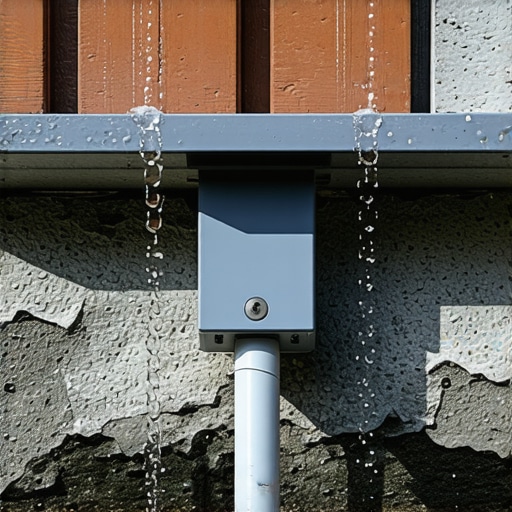
Integrating Green Technologies for Climate-Resilient Water Management
Beyond traditional infrastructure, innovative green solutions like bioretention systems and vegetated rooftops offer natural mitigation of stormwater runoff. These approaches absorb excess water, reduce urban heat islands, and improve ecological balance. The SUSDRAIN initiative highlights the role of such eco-friendly practices in creating sustainable, resilient communities.
How Do Predictive Analytics Enhance Drainage System Reliability?
Utilizing data analytics and machine learning algorithms, predictive models can identify potential failure points based on historical and real-time data. This predictive maintenance allows for strategic upgrades and repairs, minimizing downtime and damage costs. As technology advances, integrating these analytics into home drainage systems becomes increasingly accessible, offering homeowners an unprecedented level of control and foresight.
Material Innovations Set New Standards in Drainage Longevity
The development of impact-resistant plastics, corrosion-proof alloys, and flexible piping materials extends the lifespan of drainage components. High-performance materials withstand environmental stresses better, reducing replacement frequency and maintenance costs. Partnering with trusted providers like experienced professionals ensures these advanced materials are correctly specified and installed for maximum durability.
Designing for Complex Environments: A Blueprint for Success
Properties with diverse architectural features require custom drainage strategies. Multi-faceted roofs, uneven terrains, and landscaped gardens necessitate innovative solutions such as underground piping, multiple catch basins, and specialized gutter systems. Consulting with drainage experts helps craft integrated plans that prevent oversaturation, soil erosion, and foundation issues, ensuring the longevity of your property.
Why Embrace Modular and Scalable Drainage Solutions?
Modular systems enable incremental upgrades, easy maintenance, and adaptability to future environmental changes. Scalability ensures your water management infrastructure remains effective regardless of climate extremes or property modifications. Investing in such flexible solutions today can save substantial costs and stress in the long run. Reach out to specialists to learn how scalable drainage can future-proof your home.
Expert Insights & Advanced Considerations
Advanced Material Selection Enhances Durability
Utilizing high-grade, corrosion-resistant materials such as seamless aluminum and impact-resistant plastics ensures longevity and minimal maintenance. These materials are engineered to withstand harsh weather conditions, soil acidity, and physical impacts, providing a resilient foundation for your drainage system.
Precision Engineering Critical for Complex Architectures
Homes with intricate rooflines and multi-level structures demand bespoke gutter and piping solutions. Custom-fit components, multi-directional downspouts, and underground piping work together to prevent oversaturation and foundation issues, especially in challenging landscapes.
Leverage Technology for Predictive Maintenance
Integrating IoT sensors and hydrological modeling allows real-time monitoring and proactive system adjustments. This technological approach minimizes unexpected failures and extends system lifespan by enabling timely interventions based on data analytics.
Eco-Friendly Solutions Drive Sustainable Home Defense
Implementing green infrastructure such as rain gardens, permeable pavements, and vegetated swales reduces runoff volume and promotes natural infiltration. These strategies enhance ecological balance and decrease reliance on traditional drainage infrastructure, aligning with environmental stewardship goals.
Future-Proofing with Modular and Scalable Systems
Designing drainage with scalability in mind—using modular components and upgradeable features—ensures your home remains protected against evolving climate challenges. This adaptability reduces long-term costs and facilitates easy system enhancements as needed.
Curated Expert Resources
- HydroCAD Software: Industry-standard hydrological modeling tool that enables precise water flow simulation for custom drainage design.
- SUSDRAIN Initiative: A comprehensive resource promoting sustainable drainage systems and eco-friendly water management practices.
- Professional Drainage Consultants: Experienced engineers who specialize in tailored drainage solutions for complex architectural and landscape challenges.
Final Expert Perspective
In the realm of home drainage, integrating expert insights and innovative technologies is paramount. From selecting durable materials to leveraging predictive analytics, each component plays a vital role in safeguarding your property long-term. Mastery of these advanced strategies not only enhances resilience but also elevates the value of your home. Engage with industry professionals, stay informed on emerging solutions, and continually refine your water management approach to ensure your home remains secure against water-related threats. For tailored advice and cutting-edge solutions, connect with trusted drainage specialists today.
Reading this comprehensive overview really underscores how integrated and tech-driven modern gutter and drainage systems have become. I especially appreciate the emphasis on smart technology; a few years ago, I installed IoT sensors in my gutters, and the peace of mind knowing I get real-time alerts about blockages or overflow is invaluable. It’s fascinating how hydrological modeling and GIS mapping are now standard in designing these systems, allowing for a tailored approach that considers specific landscapes and weather patterns.
One challenge I faced was in a particularly complex landscape with multiple levels and unique architectural features. Traditional solutions simply wouldn’t cut it, so I had to work closely with specialists to design a customized system with underground piping and multi-directional downspouts. It made a significant difference in preventing erosion and foundation issues.
Has anyone here incorporated green infrastructure, like rain gardens or permeable pavements, alongside traditional systems? I believe combining these solutions enhances resilience but would love to hear about real-world experiences and tips.
This post highlights the importance of both precision and innovation in gutter and drainage systems, especially for homes with complex architectures. I recently worked with an engineer on a renovation that involved installing underground piping and customized gutter profiles to address uneven terrains, which made a noticeable difference in preventing foundation erosion. Integrating smart sensors into these systems was a game-changer, providing real-time data on water flow and potential blockages, thus allowing proactive maintenance.
One thing I found particularly interesting was the mention of hydrological modeling; I believe this is crucial for tailored solutions. However, I wonder how accessible these advanced tools are for average homeowners. Do you think investing in such high-tech systems is worth it compared to traditional methods in terms of cost-benefit? Also, what are others’ thoughts on combining eco-friendly solutions like rain gardens with smart drainage systems? From my experience, a hybrid approach can maximize both resilience and environmental benefits. Would love to hear about different experiences or recommendations on balancing these aspects!
This post really hits the mark on the importance of integrating advanced drainage solutions with regular maintenance routines. I’ve seen firsthand how upgrading to corrosion-resistant materials like HDPE piping and seamless aluminum gutters can drastically reduce long-term costs, especially in areas with harsh weather conditions. The use of hydrological modeling software like HydroCAD has been a game-changer for my property, allowing for precise planning that prevents flooding and foundation issues, even during heavy rainstorms.
On the topic of green infrastructure, I’ve started incorporating rain gardens and permeable pavements around my home. Not only do these systems reduce runoff, but they also create a more attractive landscape. I’m curious, has anyone experimented with IoT sensors for real-time water flow monitoring on a larger scale? Does it truly make a noticeable difference in proactive system management? Additionally, what are some effective ways to educate homeowners about the long-term benefits versus initial investment costs of these smart and sustainable systems? Would love to hear experiences from others who have taken this integrated approach.