
Ensuring Effective Gutter System Design for Superior Rainwater Management
In the realm of home maintenance, the significance of expert gutter repairs and installation cannot be overstated. Properly designed gutter systems serve as the frontline defense against water intrusion, foundation erosion, and structural damage. Professionals leverage advanced hydrological modeling and materials science to craft solutions tailored to specific climatic and architectural contexts, ensuring durability and efficiency over decades.
Innovative Materials and Techniques Elevate Gutter Performance
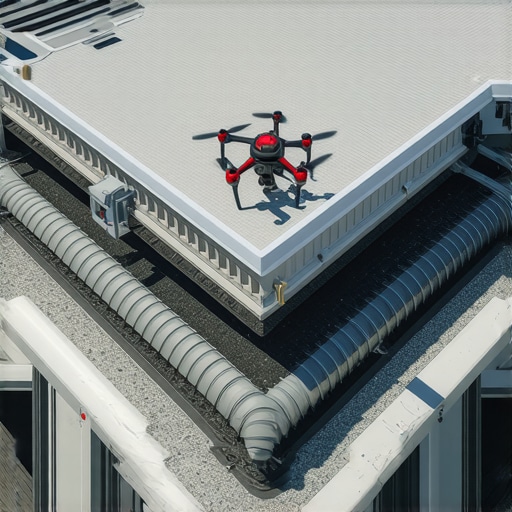
Modern gutter systems incorporate cutting-edge materials such as seamless aluminum, reinforced vinyl, and corrosion-resistant alloys, which significantly extend lifespan and reduce maintenance needs. Installation techniques now include precision seam welding and concealed hangar systems, minimizing aesthetic impact while enhancing structural integrity. Expert installers also utilize laser alignment tools and drone inspections to verify optimal positioning, ensuring seamless drainage and preventing blockages caused by debris accumulation.
How to Identify Subtle Signs of Gutter System Failure
Experienced homeowners and inspectors look beyond obvious issues like overflowing gutters. Subtle indicators such as uneven water flow, minor paint peeling near the fascia, or unexplained plant growth along the foundation can signal underlying problems. Regularly scheduled assessments by qualified technicians, aligned with weather patterns and seasonal cycles, mitigate risks before they escalate into costly repairs.
What are the most advanced methods for diagnosing hidden leaks and blockages in complex gutter networks?
To accurately locate concealed leaks or internal obstructions, professionals employ infrared thermography, acoustic leak detection, and dye testing. These methods offer non-invasive, precise diagnostics, enabling targeted repairs that preserve the integrity of the entire drainage system. Leveraging these technologies reduces downtime and ensures the longevity of the gutter infrastructure.
Strategic Maintenance Practices for Long-Term Drainage Success
Routine cleaning remains vital, but expert maintenance extends to the calibration of downspouts, reinforcement of brackets, and application of protective coatings. Integrating smart sensors that monitor flow rates and detect blockages in real-time allows proactive interventions, aligning with the latest advancements in home automation and smart home systems.
For further insights into maintaining optimal gutter performance, consult authoritative sources such as the National Resources Conservation Service, which offers comprehensive guidelines on water management and drainage solutions.
Explore our comprehensive resources on effective gutter repairs and cleaning strategies or fast installation techniques for reliable drainage to enhance your property’s resilience against water-related damages. Engage with our experts or contribute your professional insights to advance field practices and innovate better drainage solutions.
Uncovering Hidden Drainage Flaws Before They Escalate
Many homeowners are unaware that subtle signs of gutter system failure can lead to severe water damage if left unaddressed. These issues often manifest as minor paint peeling, sporadic plant growth along the foundation, or uneven water flow during storms. Recognizing these early indicators is crucial, and experts recommend conducting regular inspections, especially after heavy rainfall or seasonal transitions. For a thorough assessment, professionals utilize sophisticated diagnostic tools such as infrared thermography and acoustic leak detection, which can pinpoint concealed leaks and blockages without invasive procedures. These technologies ensure targeted repairs, preserving the integrity of the entire drainage network.
How Can Modern Technology Revolutionize Gutter Maintenance?
Advancements in home automation now enable real-time monitoring of gutter performance. Smart sensors embedded in gutter systems can track flow rates, detect blockages, and alert homeowners to potential issues before visible damage occurs. Integrating these sensors with mobile apps or smart home systems allows for proactive maintenance, reducing costly repairs and extending gutter lifespan. Moreover, drone inspections are increasingly used to assess hard-to-reach areas, providing high-resolution visuals that facilitate precise repairs. To learn more about innovative drainage solutions, visit expert gutter installation and maintenance tips.
Can predictive analytics and AI truly foresee gutter failures?
The future of gutter management is heading towards predictive analytics powered by artificial intelligence. By analyzing data collected from sensors, weather forecasts, and historical maintenance records, AI algorithms can forecast potential failure points and recommend optimal intervention times. This proactive approach minimizes water damage risks and ensures system durability. Leading companies are already exploring these intelligent systems, which represent a significant leap from traditional reactive maintenance. Implementing such technology can dramatically improve your property’s resilience against water-related damages, making it a wise investment for long-term protection.
For deeper insights into maintaining optimal drainage, consult authoritative sources like the National Resources Conservation Service, which offers extensive guidelines on water management and drainage strategies.
If you’re interested in elevating your gutter maintenance routine, consider exploring our comprehensive guides on gutter repair and maintenance tips for longevity. Share your experiences or ask questions below—our experts are here to help you safeguard your home from water damage effectively.
Harnessing the Power of Hydrological Modeling to Prevent Gutter Failures
In the quest for durable and efficient gutter systems, hydrological modeling emerges as a game-changing approach. By simulating rainfall patterns, runoff velocity, and catchment dynamics, engineers can predict potential overload scenarios and design gutters that adapt seamlessly to climatic variability. Sophisticated software like SWMM (Storm Water Management Model) enables precise calibration of gutter dimensions and outlet placements, minimizing overflow risks during intense storms. Integrating this data-driven method into the planning phase ensures that gutter systems not only meet current demands but also anticipate future climate resilience challenges.
Innovative Material Science Unlocks New Levels of Durability
The development of composite materials tailored for gutter applications marks a significant leap forward. For example, fiber-reinforced polymer composites offer exceptional resistance to corrosion, impact, and UV degradation while maintaining lightweight profiles. These materials facilitate the creation of seamless gutters that reduce joint-related leaks and simplify installation. Moreover, nanotechnology-infused coatings provide self-healing properties, enabling minor scratches or damages to repair themselves over time, significantly extending system lifespan. Such advancements demand a deep understanding of material science principles and practical expertise in application techniques, ensuring longevity and performance.
What advanced diagnostic tools can detect internal gutter corrosion without invasive procedures?
Emerging technologies like ultrasonic testing and electrical resistivity mapping allow technicians to assess corrosion levels within gutter walls non-invasively. Ultrasonic sensors emit high-frequency sound waves that reflect off internal defects, revealing corrosion-induced thinning or pitting. Electrical resistivity measurements identify areas where protective coatings have deteriorated, exposing the underlying metal to future corrosion. These diagnostics not only prevent catastrophic failures but also inform targeted maintenance, optimizing resource allocation and minimizing system downtime. According to a comprehensive review by the American Society for Nondestructive Testing (ASNT), such methods are becoming standard practice in critical infrastructure inspection, including gutter systems.
Implementing Smart Monitoring for Proactive Maintenance
The integration of IoT (Internet of Things) sensors into gutter systems transforms reactive repairs into proactive management. Flow rate sensors, combined with weather data analytics, can forecast potential blockages or overflows before they occur, prompting preemptive cleanings or repairs. Data visualization dashboards enable property managers to monitor multiple systems remotely, ensuring swift responses to anomalies. Furthermore, machine learning algorithms analyze historical performance data, continuously refining maintenance schedules and failure predictions. This intelligent approach reduces costs, prevents property damage, and enhances system resilience over the long term.
To explore cutting-edge smart gutter solutions, consult industry leaders such as SmartWater Technologies, which specializes in IoT-enabled water management systems. Engage with our expert community to exchange insights and stay ahead in water management innovations.
Can integrating AI algorithms with weather forecasting truly optimize gutter maintenance cycles?
Yes, AI-powered predictive analytics leverage extensive datasets, including real-time weather forecasts, historical rainfall patterns, and sensor inputs, to optimize maintenance timing and resource deployment. These systems identify high-risk periods, such as upcoming storms with heavy precipitation, and recommend preemptive cleaning or reinforcement activities. Leading smart home and infrastructure platforms are already piloting such integrations, promising a future where gutter systems actively adapt to environmental conditions, greatly reducing water damage risks and operational costs. As industry experts note in the Journal of Civil Engineering, this convergence of AI and hydrology introduces a paradigm shift in sustainable water management.
For more insights on building resilient drainage systems, explore our detailed guides and case studies available at Elite Gutter Works Resource Center. Join the conversation by sharing your experiences or posing questions—our team of specialists is eager to support your journey toward optimal water management.
Harnessing Hydrological Insights for Future-Proof Gutter Designs
Advanced hydrological modeling tools like SWMM enable engineers to simulate complex rainfall-runoff scenarios, allowing for the creation of adaptable gutter systems capable of handling future climatic shifts. By integrating real-time weather data and climate projections, designers can optimize gutter dimensions, outlet placements, and material choices to mitigate overflow risks during extreme weather events. This data-driven approach not only enhances current resilience but also prepares infrastructure for the unpredictable challenges posed by climate change, ensuring longevity and effectiveness over decades.
Emerging Materials that Push Gutter Durability Boundaries
Innovations in nanotechnology and composite materials are transforming gutter manufacturing. Self-healing polymers with embedded nanostructures can autonomously repair minor damages, significantly extending system life. Fiber-reinforced polymer composites offer unparalleled resistance to corrosion, impact, and UV degradation, enabling seamless gutters that require minimal maintenance. These breakthroughs demand a deep understanding of material science principles and meticulous application techniques to unlock their full potential in real-world scenarios, ultimately resulting in longer-lasting, more resilient gutter systems.
< >
>
Can Non-Invasive Technologies Detect Hidden Gutter Corrosion?
Yes, ultrasonic testing and electrical resistivity mapping have become essential tools for early detection of internal corrosion. Ultrasonic sensors send high-frequency sound waves through gutter walls, revealing thinning or pitting without damaging the structure. Resistivity measurements identify areas where protective coatings have failed, exposing the metal to accelerated corrosion risks. According to the American Society for Nondestructive Testing (ASNT), these methods enable proactive maintenance strategies, preventing costly failures and preserving the structural integrity of gutter systems while minimizing invasive inspections.
Revolutionizing Maintenance with Smart Monitoring Solutions
The integration of IoT sensors within gutter systems facilitates continuous performance tracking, offering real-time data on flow rates, blockages, and structural health. Smart sensors paired with AI-driven analytics can predict failures before they manifest visibly, prompting timely interventions. Drone inspections further enhance maintenance precision by capturing high-resolution imagery of hard-to-access areas, reducing downtime and repair costs. These technological advancements collectively elevate gutter management from reactive to predictive, ensuring optimal functionality and longer lifespan.
Can AI-Driven Weather Forecasting Optimize Gutter Maintenance Cycles?
Absolutely, AI algorithms that analyze comprehensive datasets—including weather forecasts, historical rainfall patterns, and sensor data—enable precise scheduling of maintenance activities. By predicting high-stress periods such as intense storms, AI systems recommend preemptive cleaning and reinforcement measures. Industry leaders are pioneering these integrations, which promise to drastically reduce water damage risks and operational costs by ensuring gutter systems are proactively maintained in anticipation of environmental conditions. This convergence of AI and hydrology signifies a pivotal shift towards autonomous, intelligent water management solutions, as highlighted in the Journal of Civil Engineering.
Explore further insights and case studies at Elite Gutter Works Resource Center and elevate your gutter management practices using these innovative tools and strategies.
Unlocking Expert Strategies for Gutter Durability and Efficiency
In the realm of advanced home maintenance, leveraging expert insights can significantly elevate gutter system performance. Cutting-edge designs incorporate hydrological modeling and innovative materials, ensuring resilience against climate variability and structural wear. Professionals emphasize the importance of tailored solutions that preempt failures, reducing long-term costs and safeguarding property integrity.
Innovative Materials and Technologies Transform Gutter Performance
Modern systems utilize seamless aluminum, nanotech-infused coatings, and impact-resistant composites to extend lifespan and minimize upkeep. Installation techniques like precision seam welding and drone-assisted alignment ensure optimal drainage. Integrating smart sensors and IoT devices enables real-time monitoring, facilitating proactive maintenance and early detection of issues, thus maintaining peak performance over decades.
Detecting and Addressing Hidden Gutter Failures
Experts recommend routine assessments beyond visual inspections. Subtle signs such as uneven water flow, minor fascia paint peeling, or unexplained foundation plant growth can indicate underlying problems. Advanced diagnostic tools like infrared thermography and ultrasonic testing allow non-invasive detection of internal leaks and corrosion, ensuring targeted repairs that preserve system integrity.
What are the latest diagnostic methods for internal gutter corrosion detection?
Ultrasonic testing and electrical resistivity mapping are at the forefront, providing precise, non-destructive insights into corrosion levels. These techniques enable early intervention, preventing catastrophic failures and extending system longevity, aligning with standards from organizations like the American Society for Nondestructive Testing.
Proactive Maintenance with Smart Technologies
Embedding IoT sensors in gutters transforms maintenance from reactive to predictive. Flow sensors, combined with weather analytics, forecast potential blockages or overflows, prompting timely interventions. Drone inspections supplement data collection, especially in hard-to-reach areas, reducing downtime and repair costs. These advancements mark a new era in property resilience and water management.
Can AI and predictive analytics forecast gutter failures accurately?
Yes, AI algorithms analyze sensor data alongside weather forecasts and historical maintenance records to anticipate failure points. This predictive approach minimizes water damage risks, optimizes maintenance schedules, and enhances system durability, representing a significant leap in sustainable water management practices.
Future-Ready Gutter Design Through Hydrological Modeling
Advanced software like SWMM enables engineers to simulate rainfall patterns and runoff dynamics, designing gutters that adapt to climatic shifts. Incorporating real-time weather data and climate projections into the design process ensures systems can handle extreme events, safeguarding infrastructure against future uncertainties.
Material Science Breakthroughs for Longevity
Fiber-reinforced composites and self-healing polymers are redefining durability standards. These materials resist corrosion, impact, and UV damage while reducing maintenance needs. Expertise in nanotechnology-enabled coatings allows minor damages to self-repair, significantly extending system lifespan. Implementing these innovations requires a deep understanding of material science and precise application techniques.
Which diagnostic tools are most effective for internal corrosion without invasive procedures?
Ultrasonic sensors and electrical resistivity measurements are leading technologies, providing detailed internal assessments. Ultrasonic waves detect material thinning or pitting, while resistivity testing identifies coating failures. These methods support proactive maintenance, aligning with best practices from industry standards, and prevent costly repairs.
Smart Monitoring and Automated Maintenance
IoT-enabled sensors continuously track system performance, detecting anomalies early. Machine learning algorithms analyze data trends, optimizing maintenance schedules. Drone imaging captures high-resolution visuals for detailed inspections, especially in inaccessible areas. This integration fosters a resilient, efficient, and cost-effective gutter management system.
Does integrating AI with weather data truly optimize maintenance cycles?
Indeed, AI-powered systems synthesize real-time weather forecasts, sensor data, and historical trends to recommend maintenance activities proactively. This convergence of AI and hydrology enhances resilience, reduces costs, and minimizes water damage risks, exemplifying the future of intelligent infrastructure management.
Harnessing Hydrological Insights for Climate-Resilient Gutter Design
Utilizing hydrological modeling tools like SWMM allows for the simulation of complex rainfall scenarios, guiding the creation of adaptable gutter systems. Incorporating climate projections ensures designs are robust against future extreme weather events, thus extending their operational lifespan and safeguarding properties against water-related damages.
Material Science Innovations Push Boundaries of Durability
Nanomaterials and fiber-reinforced composites offer superior resistance to environmental stressors. Self-healing polymers enable minor damages to repair themselves, reducing maintenance frequency. These advancements demand specialized expertise in material science, promising longer-lasting, more resilient gutter infrastructures.
Expert Resources for Deepening Gutter System Knowledge
- National Resources Conservation Service: Offers comprehensive water management guidelines, vital for understanding climate-adaptive drainage solutions.
- American Society for Nondestructive Testing: Provides insights into ultrasonic and resistivity testing techniques for internal corrosion detection.
- SmartWater Technologies: Industry leader in IoT-enabled water management systems, pushing the boundaries of proactive gutter maintenance.
- SWMM Software: Essential for hydrological modeling and rainwater runoff simulation, supporting climate-resilient design.
- Elite Gutter Works Resource Center: A hub of advanced guides and case studies on innovative drainage and gutter solutions.
Reflections on Elevating Rainwater Management
Optimizing gutter systems through expert insights, innovative materials, and cutting-edge diagnostics is more than a maintenance task—it’s a strategic investment in property resilience. The integration of AI, IoT, and hydrological modeling heralds a new era where proactive, climate-adaptive designs become standard. For professionals committed to excellence, staying abreast of these developments and engaging with authoritative resources ensures mastery in rainwater management. Share your insights, explore advanced tools, and join the ongoing conversation to shape the future of durable, efficient gutter systems.