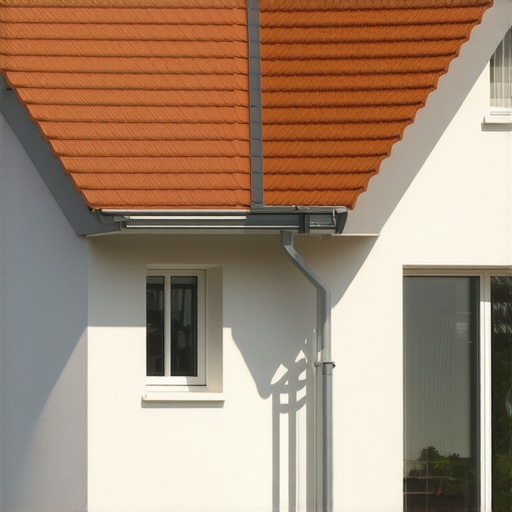
Elevating Home Safety Through Advanced Drainage and Gutter Strategies
In the realm of residential infrastructure, optimal water management stands as a cornerstone of long-term property preservation. As an industry expert, I recognize that implementing sophisticated drainage solutions and meticulous gutter maintenance can significantly mitigate water intrusion risks, prevent structural deterioration, and uphold the integrity of your home over time.
Innovative Drainage System Designs for Peak Performance
Recent developments in drainage technology emphasize the integration of gravity-driven flow with engineered solutions such as French drains, dry wells, and subterranean piping systems. These configurations facilitate efficient rainwater diversion, especially in areas prone to heavy or frequent precipitation. Properly designed drainage not only averts basement flooding but also reduces soil erosion around the foundation, preserving landscape stability.
Why Gutter System Reliability Is Critical for Lasting Home Protection
The gutter system acts as the first line of defense against water ingress. Modern gutter solutions incorporate seamless materials, high-capacity troughs, and innovative downspout configurations. These enhancements diminish clogging risk, ensure consistent flow, and minimize maintenance frequency. When paired with professional installation and regular cleaning, they form a resilient barrier that guards against moisture damage and mold proliferation.
How Can Gutter and Drainage Maintenance Be Elevated to Expert Standards?
Routine inspections are insufficient for comprehensive protection. Instead, adopting a proactive approach involving scheduled cleanings, debris filtration upgrades, and real-time monitoring can dramatically improve system performance. For instance, integrating smart sensors in gutters detects blockages early, enabling timely interventions before water overflow causes damage.
What Are the Most Common Pitfalls in Home Drainage Management and How to Avoid Them?
Common errors include improper slope grading, inadequate capacity planning, and neglecting regular upkeep. These oversights can lead to water pooling, foundation undermining, and landscape erosion. To counteract these issues, consulting with drainage specialists and adhering to best practices—such as those outlined in authoritative sources like the American Society of Civil Engineers—ensures systems function as intended.
For those seeking to refine their property’s water management, exploring detailed guides on trusted drainage and gutter solutions offers valuable insights. Additionally, engaging with professional services exemplified by fast gutter installation and repairs can elevate your home’s resilience against water-related hazards. As experts in the field, we invite homeowners and professionals alike to share their insights and innovations to further enhance our collective approach to durable, safe home environments.
Reimagining Drainage Solutions for Complex Landscapes
While traditional drainage methods serve well for standard properties, modern homes often feature challenging terrains and unique architectural designs that demand bespoke solutions. Incorporating landscape grading, permeable pavements, and underground retention systems can dramatically improve water diversion, reducing the risk of basement flooding and landscape erosion. For example, integrating expert gutter and drainage repairs tailored to your terrain ensures optimal performance in all weather conditions.
Can Smart Technology Revolutionize Home Water Management?
Innovations like real-time monitoring sensors and automated drainage controls are transforming how homeowners safeguard their properties. These systems can detect early signs of clogging, improper slope, or overflow, triggering automatic alerts or repairs. The adoption of smart technology in gutter and drainage maintenance not only increases efficiency but also minimizes costly repairs caused by unnoticed issues. As the industry advances, consulting with specialists who understand these innovations can provide a significant edge over traditional maintenance routines.
Why Regular Expert Inspection Is Your Best Defense
Homeowners often overlook the importance of scheduled professional inspections, which can reveal underlying issues before they escalate. Expert evaluations involve comprehensive assessments of gutter alignment, downspout capacity, and drainage pathways—crucial factors for maintaining lasting home integrity. For detailed guidance on how to elevate your drainage management, consider exploring reliable gutter repairs and installation options designed for durability.

What innovative materials or designs could redefine effective rainwater management in the next decade?
Staying ahead in drainage technology requires a deep understanding of emerging materials like high-density polyethylene or flexible polymer composites, which offer durability and adaptability. Additionally, modular and scalable design frameworks enable systems to evolve with changing property needs, providing long-term value. Experts suggest that integrating these advancements with sustainable practices—such as rainwater harvesting—can further enhance property resilience. For more insights, see authoritative resources like the expert drainage solutions.
If you’re interested in advancing your home’s water management systems, sharing your experiences or seeking tailored advice can lead to better long-term protection. Feel free to comment below or explore more expert strategies for durable drainage and gutter solutions.
Harnessing Eco-Friendly Innovations for Sustainable Drainage Solutions
As environmental consciousness grows, integrating eco-friendly materials and sustainable design principles into drainage systems becomes paramount. High-density polyethylene (HDPE) pipes, for instance, offer durability, chemical resistance, and flexibility, making them ideal for complex underground networks. Coupled with permeable pavements and rain gardens, these solutions facilitate natural infiltration, reducing runoff and alleviating pressure on municipal systems.
Furthermore, the adoption of bioretention systems—engineered landscapes designed to absorb, filter, and slow stormwater—can dramatically improve water quality and mitigate urban flooding. These systems are increasingly favored in urban planning, as they harmonize infrastructure needs with ecological benefits, creating resilient, adaptive landscapes that respond dynamically to changing weather patterns.
How Can Emerging Materials Reshape Drainage Infrastructure for Future-Ready Homes?
Innovations in materials science are opening new frontiers in drainage system resilience and adaptability. High-density polyethylene (HDPE), flexible polymer composites, and bioengineered geosynthetics are now integral to constructing durable, environmentally friendly drainage networks. These materials offer exceptional chemical resistance, longevity, and ease of installation, enabling systems to withstand extreme weather events and shifting ground conditions. As industry leaders emphasize, integrating such advanced materials aligns with sustainable development goals, promoting eco-conscious infrastructure that supports urban resilience.
Why Do Modular and Scalable Designs Matter in Complex Landscapes?
Traditional drainage solutions often fall short in dynamic terrains or evolving architectural landscapes. Modular systems with scalable components facilitate customization, allowing homeowners and engineers to adapt to specific site needs without extensive redesigns. This flexibility ensures optimal water diversion, minimizes excavation costs, and simplifies maintenance. Experts advocate for adopting these adaptable frameworks as a standard practice, especially in regions prone to heavy rainfall or rapid urban development, where infrastructure must evolve in tandem with environmental challenges.
What are the critical considerations when implementing next-generation drainage systems in challenging environments?
Key factors include assessing soil permeability, understanding local hydrological patterns, and choosing materials that resist biofouling and chemical degradation. Site-specific modeling and simulation tools, supported by authoritative sources such as the International Association of Hydrogeologists, can predict system performance under various scenarios. Engaging multidisciplinary teams ensures the integration of ecological, structural, and technological perspectives, leading to resilient solutions that stand the test of time.
For advanced insights into sustainable drainage innovations and expert consultations, explore resources like the International Association of Hydrogeologists. Embracing these cutting-edge approaches not only enhances property protection but also contributes to broader climate adaptation strategies, urging industry professionals and homeowners alike to pioneer smarter, greener water management.

Can AI-Driven Monitoring Transform How We Maintain Drainage Systems?
Artificial intelligence and IoT sensors are revolutionizing proactive maintenance by providing real-time data on system health. Automated alerts for blockages, soil shifts, or capacity issues enable swift interventions, reducing costly repairs and preventing catastrophic failures. These intelligent systems can analyze patterns, predict future vulnerabilities, and optimize maintenance schedules, making drainage management more efficient and less labor-intensive. Industry experts recommend integrating AI-driven solutions as a standard in modern infrastructure projects, setting new benchmarks for resilience and operational excellence.
What Role Do Eco-Friendly and Adaptive Solutions Play in Modern Drainage Design?
Sustainable drainage practices emphasize permeability, natural filtration, and habitat restoration. Green infrastructure elements such as rain gardens, permeable pavements, and bioretention basins work synergistically with engineered systems to reduce runoff, improve water quality, and support urban biodiversity. Advances in bioengineered soil amendments and plant species that thrive in variable moisture conditions further enhance system adaptability. These eco-friendly strategies are increasingly mandated by city planning authorities, reflecting a global shift toward resilient, nature-integrated infrastructure that benefits both communities and ecosystems.
Expert Insights & Advanced Considerations
Innovate with Material Science
Emerging materials like high-density polyethylene (HDPE) and bioengineered geosynthetics are transforming drainage infrastructure by offering enhanced durability, chemical resistance, and adaptability to environmental stresses. These innovations allow for scalable, long-lasting solutions that can be tailored to complex landscapes, ensuring optimal rainwater management for decades.
Leverage Smart Technology
The integration of IoT sensors and AI-driven monitoring systems offers real-time insights into gutter and drainage performance. Automatic alerts for blockages or capacity issues facilitate proactive maintenance, minimizing damage and repair costs while maximizing system efficiency in safeguarding your property.
Prioritize Eco-Friendly and Sustainable Designs
Implementing green infrastructure elements such as rain gardens, permeable pavements, and bioretention basins creates resilient landscapes that naturally absorb and filter stormwater. These eco-conscious strategies reduce runoff, improve water quality, and support urban biodiversity, aligning with sustainable development goals.
Adopt Modular and Scalable Solutions
Modular drainage systems allow easy adaptation to site-specific conditions and future expansions. Their flexible design minimizes excavation and installation costs, providing a future-proof approach to complex terrain management and ensuring reliable property protection over time.
Harness AI and IoT for Maintenance
Automated systems utilizing AI analyze data to predict potential failures, optimize maintenance schedules, and trigger real-time responses. This proactive approach enhances system longevity and reduces unforeseen damages, setting a new standard in home water management.
Curated Expert Resources
- International Association of Hydrogeologists: Offers comprehensive research and guidelines on sustainable drainage practices, critical for informed decision-making.
- American Society of Civil Engineers: Provides industry standards, best practices, and technical resources for advanced drainage system design and installation.
- EPA Green Infrastructure Program: Focuses on eco-friendly stormwater management solutions that integrate natural processes with engineered systems.
- Smart Water Management Solutions: Industry reports and case studies on IoT and AI applications in drainage system monitoring and maintenance.
Final Expert Perspective
When considering innovative approaches to home drainage and gutter management, integrating sustainable materials, intelligent monitoring, and scalable designs creates a resilient property environment. These advanced strategies not only enhance durability but also align with ecological imperatives, ensuring your home remains protected amid changing weather patterns. For those committed to excellence in water management, engaging with industry-leading resources and adopting cutting-edge technology is essential. Share your insights or explore tailored solutions—your proactive investments today secure a safer, more sustainable tomorrow.
This article offers a comprehensive look at how advanced drainage and gutter systems are crucial for maintaining home safety, especially in areas with heavy rainfall. I particularly appreciate the emphasis on innovative materials like HDPE and the integration of smart sensors for real-time monitoring. From my experience, proactive maintenance using IoT technology has truly minimized unexpected issues and saved costs in the long run. I’ve also noticed that embracing eco-friendly solutions such as rain gardens not only benefits the environment but also enhances the aesthetic appeal of properties.
One challenge I faced was ensuring proper slope grading during installation, which is critical for effective water diversion. It made me wonder—what are some best practices or tools that homeowners can use to verify correct slope and capacity on their own before calling in professionals? Are there affordable sensors or devices that can assist with this in the DIY realm? Would love to hear about others’ experiences with implementing these modern drainage strategies and any tips to optimize performance.
This article highlights some truly forward-thinking approaches to home water management, especially the role of smart sensors and modular systems. From my own experience, integrating smart technology like IoT sensors into gutter systems has been a game-changer. It allows not only for early detection of clogs but also enables remote oversight, which is incredibly convenient and prevents serious issues before they escalate. However, one challenge I encountered was selecting the right sensors that are both affordable and reliable for DIY installation, as some high-end models can be quite costly.
I’m curious, have others found cost-effective sensors or tools suitable for non-professionals? Also, what strategies have you used to ensure your landscape grading is optimal without professional help? It seems a lot of homeowners could benefit from simple, practical methods to verify slope correctness before investing in extensive systems. Sharing these experiences could help many improve their water management proactively and efficiently.
This post really resonates with my personal experience of upgrading my home’s drainage system. I’ve recently implemented a French drain coupled with smart sensors in the gutters, which has made a noticeable difference in preventing basement flooding during heavy rains. What I found particularly useful was using a simple water level indicator during installation to verify proper slope before finalizing the setup—an affordable tool anyone could use to ensure their drainage is effective. It’s empowering to see technology and careful planning come together to enhance home resilience. However, I still wonder about incorporating more eco-friendly methods, like rain gardens, into complex landscapes. Has anyone tried integrating traditional drainage with bioretention features successfully? I am curious about practical tips for balancing high-performance systems with sustainability. Also, I’d love to hear thoughts on how to maintain such sophisticated setups without constantly hiring professionals—are there maintenance routines or DIY checks that can keep everything running smoothly?
Reading this comprehensive overview truly highlights how crucial modern drainage and gutter systems are for long-term home safety. I’ve personally noticed that incorporating smart sensors into my gutter setup has been a real game-changer, especially during heavy rainfalls where manual checks can be unreliable or overlooked. I agree with the post’s emphasis on eco-friendly practices like rain gardens; in my neighborhood, several homeowners have successfully integrated these environments alongside traditional systems, resulting in improved water absorption and landscape aesthetics.
One challenge I faced was ensuring that the slope of the grounds was optimal without professional help, which made me wonder—what are some practical, affordable tools or techniques homeowners can use to verify correct slope and drainage capacity on their own? Have DIY-friendly sensors become more accessible lately? It’d be interesting to hear from others who’ve managed similar improvements and how they balanced efficiency, cost, and sustainability in their home water management strategies. Additionally, what’s your take on how future materials or modular designs could further enhance the resilience of such systems?