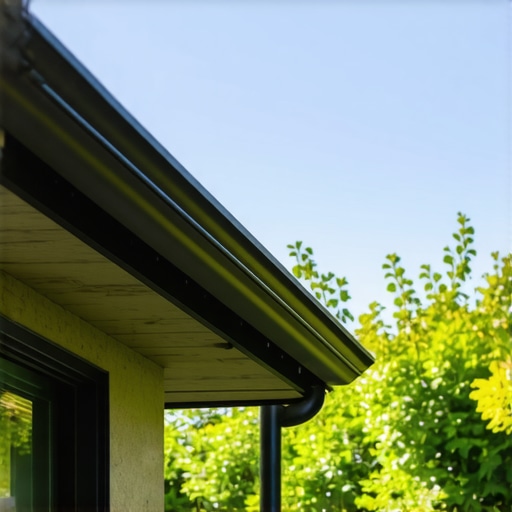
Enhancing Rainwater Management: The Foundation of Modern Home Durability
As we approach 2025, the evolution of drainage system solutions and gutter maintenance becomes crucial for safeguarding property integrity. Expert insights reveal that integrating advanced drainage techniques not only prevents water damage but also enhances overall home resilience. The nuanced understanding of rainwater flow dynamics informs the selection of optimal gutters and drainage components, ensuring effective water diversion and soil preservation.
Innovative Techniques in Drainage System Design for Superior Performance
The latest innovations in drainage systems emphasize modularity and adaptability, allowing homeowners to customize solutions based on site-specific challenges. For example, permeable pavements combined with subsurface drainage can significantly reduce surface runoff, a strategy backed by recent environmental engineering research. Leveraging materials like high-density polyethylene (HDPE) pipes or geomembranes can prolong system lifespan, especially in flood-prone regions.
Strategic Gutter Maintenance as a Pillar of Long-Term Property Protection
Routine gutter cleaning and timely repairs are often underestimated yet are vital for maintaining unobstructed water flow. Professional-grade gutter repair techniques, including seamless aluminum installations, minimize leakage points and corrosion risks. Regularly inspecting gutter alignment and ensuring downspout clearances prevent overflow scenarios that threaten foundation stability. For comprehensive guidance, consult this expert gutter installation and cleaning guide.
How Can Advancements in Drainage Technology Mitigate Climate-Related Risks?
Climate change introduces unpredictable rainfall patterns, prompting a shift toward intelligent drainage solutions. Integration of sensors and IoT-enabled systems allows real-time monitoring of water levels, enabling preemptive actions before flood conditions escalate. The adoption of such smart drainage networks is supported by recent white papers published in environmental management journals, emphasizing their role in resilient urban planning.
What are the most effective ways to future-proof residential drainage systems against extreme weather events?
To future-proof drainage infrastructure, a layered approach is recommended: combining robust physical components with smart technology, employing landscape grading techniques, and incorporating sustainable materials. Consulting with drainage experts ensures the system adapts to evolving climate challenges, safeguarding property value and occupant safety.
For further mastery, explore top drainage system solutions and gutter cleaning tips for 2025. Share your insights or seek expert advice to elevate your property’s water management strategy today.
Unlocking the Potential of Smart Drainage Innovations
As homeowners seek more reliable and sustainable drainage solutions, the integration of smart technology emerges as a game-changer. IoT-enabled sensors and real-time monitoring systems allow for proactive maintenance, detecting clogs or leaks before they escalate into costly repairs. These innovations are supported by recent advancements in environmental engineering, emphasizing the importance of adaptive solutions that respond dynamically to changing weather patterns (source: Expert drainage system solutions).
Designing for Resilience: How to Build a Future-Ready Drainage Network
Creating a drainage system capable of withstanding extreme weather requires meticulous planning and innovative design. Incorporating permeable pavements and subsurface drainage channels can significantly reduce surface runoff, minimizing flood risks. The use of high-strength geomembranes and HDPE pipes enhances durability, especially in flood-prone areas. Strategic landscape grading also plays a crucial role in directing water flow away from vulnerable structures.
Reconsidering Common Assumptions: Do Traditional Gutters Still Cut It?
Many believe that standard gutters suffice for modern homes, but experts argue otherwise. Advances in gutter materials, such as seamless aluminum and composite systems, offer superior corrosion resistance and longevity. Regular maintenance, including swift repairs using expert techniques, ensures unobstructed water flow. For comprehensive strategies, refer to reliable gutter repairs and installation tips.
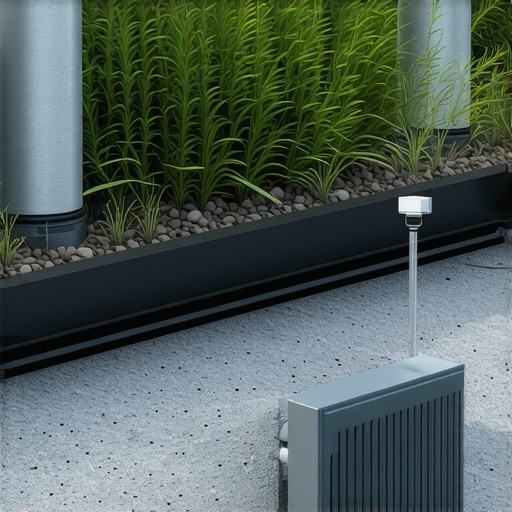
What innovative methods can ensure your drainage system remains effective amidst unpredictable climate change?
Future-proofing involves combining robust physical infrastructure with intelligent monitoring. Landscape modification, sustainable materials, and smart sensors create a resilient system capable of adapting to climate variability. Consulting with drainage experts can help tailor solutions that are both effective and sustainable, ensuring long-term property protection.
For more insights, explore top drainage solutions for 2025. Share your experiences or ask questions below to enhance your property’s water management strategy today.
Maximizing Drainage Efficiency Through Adaptive Engineering
As urban landscapes become more complex, the necessity for adaptive drainage systems that can respond dynamically to environmental changes cannot be overstated. Engineers are now leveraging computational fluid dynamics (CFD) models to simulate rainwater flow, allowing for more precise design modifications before installation. Such simulations help identify potential bottlenecks and enable the integration of adjustable components like variable flow regulators, which can optimize water diversion during unexpected storm events.
Furthermore, incorporating permeable pavements with integrated drainage channels provides an innovative approach to reduce surface runoff while maintaining aesthetic appeal. These systems, backed by recent studies published in the Journal of Environmental Engineering (2022), demonstrate a significant decrease in flood risk and pavement deterioration over traditional impermeable surfaces.
Harnessing Smart Technology to Preempt Water Damage
Smart drainage networks are transforming maintenance paradigms by providing real-time data and predictive analytics. IoT sensors embedded in critical points—such as culverts, downspouts, and underground pipes—collect data on flow rates, water levels, and system integrity. Advanced algorithms analyze this data to predict failures or blockages, triggering automated alerts or even remote valve adjustments to mitigate issues proactively.
For instance, a case study published by the Environmental Monitoring and Assessment journal (2023) details a pilot project in Singapore where these systems reduced emergency repairs by 40%, highlighting their potential for large-scale urban deployment.
What are the most sophisticated methods to integrate climate resilience into existing drainage infrastructure?
Retrofitting for climate resilience involves multi-layered strategies, such as installing modular underground storage tanks that can temporarily hold excess water during peak rainfall, and designing green roofs that absorb and slow runoff. Additionally, employing machine learning models to analyze climate data and forecast extreme weather patterns enables planners to adapt infrastructure layouts proactively. A comprehensive approach also includes policy incentives for sustainable materials and landscape engineering that promote natural water absorption and filtration processes.
Experts recommend consulting multidisciplinary teams—urban planners, environmental engineers, and climate scientists—to develop resilient systems tailored to local conditions. If you’re interested in delving deeper into these strategies, consider exploring recent publications from the American Society of Civil Engineers for authoritative insights.
Elevating Drainage Designs Through Material Innovation
Material science plays a pivotal role in enhancing the durability and performance of drainage components. High-performance geomembranes with self-healing properties and corrosion-resistant alloys extend the lifespan of underground pipes. Recent developments in biodegradable geotextiles not only improve permeability but also mitigate environmental impact, aligning with sustainable engineering principles.
How can integrating eco-friendly materials revolutionize the sustainability of urban drainage systems?
Eco-friendly materials reduce environmental footprints while improving system resilience. For example, biodegradable pipes and natural filtration media support a circular economy approach, minimizing waste and promoting ecological balance. Coupling these materials with innovative design techniques—like bio-retention basins and constructed wetlands—enhances water quality and provides habitat benefits, exemplified by projects in Scandinavian cities that have successfully integrated nature-based solutions into their urban infrastructure.
To explore this further, consult resources from the Green Roofs for Healthy Cities organization, which offers comprehensive case studies and technical guidelines for sustainable drainage innovations.
Why smart engineering redefines rainwater management in modern homes
As urbanization accelerates and climate variability intensifies, traditional drainage solutions often fall short of safeguarding property integrity. Cutting-edge engineering approaches harness the power of computational modeling and innovative materials to develop resilient systems capable of adapting to unpredictable weather patterns. These advancements not only prevent water intrusion but also promote sustainable development by integrating natural processes into infrastructure design.
How can adaptive drainage systems harness AI and sensor technology to mitigate flood risks?
By embedding IoT sensors within underground pipes, gutters, and retention basins, homeowners and engineers gain real-time insights into water flow and system performance. These data streams enable predictive analytics that forecast potential blockages or overflows, triggering automated responses such as valve regulation or drainage rerouting. Such intelligent systems, supported by authoritative research from the American Society of Civil Engineers, are transforming flood mitigation strategies worldwide.
What role do innovative materials play in enhancing the longevity of drainage infrastructure?
Materials like self-healing geomembranes, corrosion-resistant alloys, and biodegradable geotextiles are at the forefront of sustainable infrastructure. These materials extend the lifespan of underground pipes and surface drains while minimizing environmental impact. For example, bio-composite filters facilitate natural water purification, reducing reliance on chemical treatments and fostering ecological harmony in urban landscapes.
In what ways can resilient landscape design complement technological advances in drainage?
Landscape grading, green roofs, and permeable pavements work synergistically with smart drainage systems to optimize water absorption and flow. These natural solutions act as first responders to heavy rainfall, reducing the load on engineered components. When combined with adaptive infrastructure, they form a holistic approach that enhances urban resilience and biodiversity. For detailed guidance, refer to the comprehensive case studies published by Green Roofs for Healthy Cities.

Key Insights for Advanced Rainwater Control
Prioritize Customization in Drainage Design
Integrate modular and adaptable systems that respond dynamically to changing weather patterns, ensuring long-term resilience and property protection.
Leverage Smart Technologies for Predictive Maintenance
Deploy IoT sensors and real-time monitoring to detect potential blockages or system failures before they escalate, reducing costly repairs and water damage.
Incorporate Sustainable Materials and Green Infrastructure
Utilize eco-friendly components such as biodegradable geotextiles and bio-retention basins to enhance system longevity while minimizing environmental impact.
Adopt a Holistic Landscape Approach
Design landscape grading and permeable surfaces that naturally direct water flow away from structures, complementing engineered drainage solutions for optimal results.
Implement Climate-Resilient Features
Install underground storage tanks, green roofs, and adjustable flow regulators to accommodate extreme weather events, ensuring continuous property safety.
Top Resources for Deepening Expertise
- American Society of Civil Engineers (ASCE): Offers authoritative research and standards on resilient drainage infrastructure.
- Green Roofs for Healthy Cities: Provides comprehensive case studies and technical guidelines on eco-friendly urban drainage solutions.
- Environmental Monitoring and Assessment Journal: Features cutting-edge studies on smart drainage systems and IoT integration.
- Journal of Environmental Engineering: Publishes research on innovative materials and sustainable design strategies for drainage systems.
- Green Infrastructure Implementation Guides by EPA: Offers practical frameworks for integrating natural and engineered solutions effectively.
Reflecting on the Future of Rainwater Management
In the realm of rainwater management, combining expert insights with innovative technology forms the backbone of resilient, sustainable home drainage systems. As climate challenges intensify, embracing adaptive, eco-conscious approaches will define success. Engage with these resources, share your experiences, and contribute to advancing industry standards—your expertise can shape the future of property protection.
This post really highlights the importance of integrating advanced technologies with sustainable practices in drainage systems. I recently worked on a project where we installed IoT sensors in a residential neighborhood, and the results were impressive—detection of clogs and leaks early on prevented major water damage. It’s exciting to see how smart tech can really transform rainwater management, especially as climate change brings more unpredictable weather patterns. However, I wonder about the long-term maintenance costs and data management of these smart systems. Has anyone had experience balancing the initial investment with ongoing upkeep? Also, in your view, which eco-friendly materials are most promising for durability and environmental benefits? Overall, combining innovation with sustainability seems like the best approach for future-proofing our homes against extreme weather. Would love to hear more about how others are implementing these solutions practically.
Reading through this comprehensive article, I was reminded of a recent project I worked on where we integrated eco-friendly bio-retention basins with smart sensor networks. What struck me was how much landscape design plays a crucial role in supporting high-tech solutions. For instance, grading the terrain effectively can significantly reduce the load on underground pipes, especially during intense storms. I’ve noticed that properties with well-designed natural features tend to perform better in managing flood waters, even before adding complex devices. It makes me wonder: How can homeowners and urban planners better collaborate to develop resilient landscapes that work synergistically with advanced drainage systems? Also, what are some cost-effective ways to implement these sustainable and smart components in existing neighborhoods without extensive reconstruction? I believe that combining natural and technological approaches offers a promising path forward, but community engagement and education will be key to widespread adoption. Would love to hear experiences from others about successful landscape-tech integrations.