Securing Residential Foundations with Advanced Drainage Solutions
As we progress into 2025, the importance of implementing sophisticated drainage systems cannot be overstated in safeguarding home infrastructure. Expert drainage strategies, such as integrated surface and subsurface systems, ensure optimal rainwater management, reducing soil erosion and basement flooding risks. These solutions are intricately designed based on site-specific topography, climate patterns, and soil composition, emphasizing the necessity for a tailored approach to each property.
Innovative Gutter Technologies Transforming Home Maintenance
Modern gutter systems now incorporate smart technology, including sensors that detect blockages or overflow conditions, alerting homeowners instantly. Such innovations, coupled with high-capacity, seamless gutters, minimize maintenance efforts while maximizing water diversion efficiency. Proper gutter installation and regular cleaning—guided by professional tips—are crucial in preventing water infiltration that can compromise structural integrity and foster mold growth, which are critical concerns for long-term home safety.
Prioritizing Long-term Durability Through Expert Repairs
Routine inspections and prompt repairs of gutter and drainage components are vital in maintaining system efficacy. Utilizing high-strength materials and precision repair techniques reduces the likelihood of leaks or failures. For example, effective gutter repair strategies—such as sealing joints and reinforcing brackets—are essential steps recommended by industry specialists to ensure durability amidst harsh weather conditions.
How Do Modern Drainage Solutions Address Climate Variability?
With climate change inducing unpredictable weather patterns, advanced drainage systems are designed to adapt dynamically. Innovations like adjustable downspouts and rainwater harvesting integrations allow homeowners to manage excess water proactively, thus reducing the risk of damage during intense storms. These solutions exemplify the shift towards resilient, eco-friendly home safety measures that are essential in 2025.
What Are the Challenges in Maintaining Expert Gutter and Drainage Systems?
Despite technological advances, challenges such as debris accumulation, system aging, and improper installation persist. Addressing these requires ongoing professional maintenance, including debris removal, component replacement, and system audits. Engaging with reputable service providers—like those highlighted in trusted resources—can significantly enhance system longevity and overall property safety.
Why do some drainage systems outperform traditional setups in complex terrains?
High-performance drainage solutions leverage multi-layered designs and intelligent flow regulation, enabling superior handling of varied terrain and extreme weather events. For instance, subterranean drainage networks with integrated filtration prevent clogging, ensuring continuous protection regardless of surface conditions. This layered approach exemplifies the evolution of drainage technology tailored for complex residential landscapes.
To deepen your understanding of cutting-edge drainage strategies, explore comprehensive guides on trusted drainage system solutions and gutter installation. For professional insights and tailored maintenance tips, consult industry experts or join community forums dedicated to home safety enhancements.
By embracing these expert-driven solutions, homeowners can significantly improve their property’s resilience, ensuring safety and structural integrity well into 2025 and beyond.
Transforming Drainage with Eco-Friendly Innovations
As homeowners seek sustainable ways to manage rainwater, eco-friendly drainage solutions are gaining momentum. Green infrastructure, such as permeable pavements and rain gardens, effectively reduce runoff and promote groundwater recharge. These methods not only improve drainage but also contribute to environmental health, making them a smart choice for future-proofing homes. Industry experts recommend integrating these solutions with traditional gutter systems to maximize efficiency and environmental benefits. To explore how these innovations can fit into your property, visit trusted drainage system solutions and gutter installation for comprehensive insights.
What Role Do Smart Drainage Systems Play in Climate-Resilient Homes?
Smart drainage systems equipped with IoT sensors and automation technology are revolutionizing water management. These systems can detect rain intensity, monitor flow rates, and automatically adjust outlets or activate pumps to prevent overflow. Such intelligent infrastructure enhances resilience against extreme weather patterns, ensuring your home remains protected during heavy storms. The integration of smart systems with existing drainage networks is a strategic move for homeowners aiming to adapt to climate variability. For professional guidance on implementing these technologies, consult trusted resources like expert drainage gutter cleaning tips.
How Can Advanced Drainage Solutions Be Customized for Unique Property Challenges?
Every property presents distinct drainage challenges based on terrain, soil type, and weather patterns. Customization involves detailed site assessments and tailored system designs that incorporate underground channels, retention basins, or vegetative swales. These solutions are engineered to handle specific volume loads and flow directions, ensuring optimal performance. For example, subterranean drainage networks with integrated filtration can effectively prevent clogging in complex terrains, providing continuous protection regardless of surface conditions. To learn more about designing personalized drainage systems, explore gutter installation repairs for superior drainage. Implementing such bespoke solutions significantly enhances property safety and longevity.
Have you considered how integrating innovative drainage strategies can reduce your long-term maintenance costs? Sharing your thoughts or experiences in the comments can inspire others to adopt smarter drainage practices, ultimately elevating community resilience.
The Future of Drainage: Adaptive Systems for Changing Climates
As climate patterns become increasingly unpredictable, the evolution of drainage technology must keep pace. Adaptive drainage systems now incorporate real-time data analytics and machine learning algorithms to adjust flow rates dynamically, ensuring optimal performance during varying weather conditions. For example, sensors embedded within underground pipes can monitor flow and pressure, automatically rerouting water to prevent backups and flooding. These innovations exemplify a proactive approach to stormwater management, reducing the need for reactive repairs and minimizing environmental impact. According to a 2024 report by the American Society of Civil Engineers, integrating IoT-enabled infrastructure into residential drainage networks can reduce flood risk by up to 40%, emphasizing their significance in climate resilience.
Can you tailor smart drainage solutions to your property’s unique terrain and climate?
Absolutely. Customization begins with a comprehensive site assessment, considering factors like soil permeability, slope, and local rainfall patterns. Advanced modeling software helps engineers design multi-layered drainage networks that include underground retention basins, vegetative swales, and permeable pavements. These elements work synergistically to manage runoff effectively, reduce erosion, and recharge groundwater. Moreover, modular components allow for future scalability and upgrades, ensuring your system remains robust amid changing conditions. For an in-depth understanding of designing personalized drainage systems, consult industry leaders like Civil Engineering News, which provides case studies and best practices.
Harnessing Green Infrastructure for Sustainable Urban Drainage
Implementing eco-friendly solutions is no longer optional but essential. Green infrastructure, such as rain gardens and green roofs, not only enhances aesthetic appeal but also significantly reduces stormwater runoff. These systems promote natural filtration and infiltration, decreasing the load on traditional drainage networks. Additionally, they mitigate urban heat island effects and support biodiversity. Industry experts highlight that integrating green infrastructure with existing drainage systems can decrease runoff volume by up to 50%, creating a more sustainable urban environment. For practical guidance on incorporating these elements into your property, visit Sustainable Urban Water Solutions, which offers comprehensive resources and expert consultation.
What are the key challenges in maintaining high-tech drainage systems?
Despite their advantages, cutting-edge drainage systems face challenges such as sensor malfunction, data security concerns, and maintenance complexity. Regular calibration, system audits, and cybersecurity measures are vital to ensure reliability. Additionally, integrating these systems requires specialized knowledge, making professional maintenance indispensable. To address these issues, partnering with certified service providers who specialize in smart infrastructure can prolong system lifespan and optimize performance. For insights on maintaining advanced drainage networks, review publications from the International Association of Plumbing and Mechanical Officials (IAPMO), which sets standards and best practices for smart water management.
Harnessing Multi-Layered Drainage for Complex Landscapes
In 2025, property owners with challenging terrains are turning to multi-layered drainage solutions that combine underground filtration, retention basins, and vegetative swales. These sophisticated systems, tailored through detailed site assessments, leverage layered design principles to optimize water flow, minimize erosion, and prevent surface flooding. Such approaches exemplify the latest in adaptive infrastructure, offering resilience against unpredictable weather patterns and climate-induced extremes.
Innovative Sensor Technologies Elevate Home Water Management
Smart sensors integrated into drainage networks now provide real-time data on flow rates, soil moisture, and system integrity. This continuous monitoring enables preemptive maintenance and dynamic adjustment of outlets or pumps, significantly reducing overflow risks during storms. These IoT-enabled systems exemplify how technological integration enhances not only safety but also sustainability by reducing water wastage and infrastructure stress.
Can Eco-Friendly Infrastructure Truly Replace Traditional Drainage Methods?
Emerging green infrastructure practices—such as permeable pavements, rain gardens, and green roofs—are proving their efficacy in managing stormwater sustainably. Studies by the Urban Water Research Institute demonstrate that integrating these systems with conventional drainage significantly reduces runoff volume and improves groundwater recharge. These eco-conscious solutions are increasingly regarded as essential components of future-proof residential design, blending environmental responsibility with functional excellence.
Customizing Drainage Design to Surpass Standard Installations
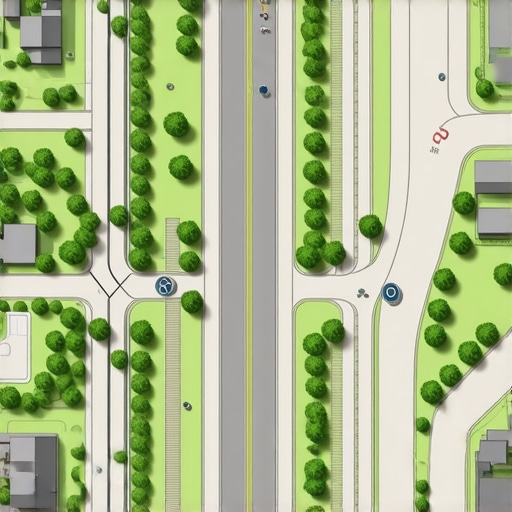
Tailoring drainage solutions involves comprehensive site analysis, considering factors such as soil permeability, slope, and existing infrastructure. Advanced software models facilitate the creation of bespoke systems that incorporate subterranean channels, modular retention units, and vegetative solutions, ensuring optimal performance under unique conditions. This bespoke approach not only enhances durability but also minimizes maintenance costs over the long term, aligning with best practices advocated by industry leaders like Civil Engineering Design.
Adapting Drainage Systems for Climate Resilience
With climate volatility increasing, drainage systems are evolving to include adaptive features such as adjustable downspouts, rainwater harvesting, and automated flow regulation. These innovations enable homeowners to proactively manage excess water, reducing damage during severe storms. According to the 2024 report by the American Society of Civil Engineers, integrating climate-adaptive infrastructure can decrease flood-related damages by up to 50%, marking a significant stride toward resilient housing.
Integrating Nature-Based Solutions for Sustainable Urban Drainage
Green infrastructure, including rain gardens, green roofs, and bioswales, is transforming urban drainage. These systems facilitate natural infiltration, reduce runoff, and support biodiversity. When combined with traditional gutter systems, they create a hybrid approach that maximizes environmental benefits while maintaining effective water management. Experts from Sustainable Cities Initiative highlight that such integrations can cut urban runoff by half, fostering healthier ecosystems and resilient communities.
What innovative design elements are essential for future-proofing residential drainage systems?
Innovative elements include modular, scalable components that adapt to changing conditions, embedded sensors for real-time monitoring, and environmentally friendly materials. Incorporating underground filtration layers and vegetative swales enhances performance and sustainability. Engaging with professionals experienced in sustainable infrastructure design ensures these systems are optimized for long-term resilience, enabling properties to withstand the increasing impacts of climate change.
To explore these cutting-edge strategies further, consult resources like Civil Engineering News, which offers in-depth analyses and case studies. Embrace these advancements to elevate your property’s resilience and environmental stewardship today.
Innovative Drainage Design Elevates Property Resilience
Implementing layered, adaptive drainage systems significantly enhances a home’s ability to withstand extreme weather events. Experts emphasize integrating underground filtration, retention basins, and vegetative swales tailored to site-specific conditions, ensuring optimal water management and long-term durability.
Harnessing Smart Technology for Proactive Water Management
IoT-enabled sensors embedded within drainage networks allow real-time monitoring of flow rates, soil moisture, and system integrity. This smart infrastructure facilitates preemptive maintenance, reducing the risk of flooding and structural damage, and exemplifies the evolution toward fully integrated, climate-resilient homes.
Green Infrastructure as a Sustainable Solution
Green solutions like rain gardens, permeable pavements, and green roofs contribute to natural stormwater infiltration, lowering runoff volumes. Experts advocate combining these eco-friendly features with traditional systems to optimize efficiency and promote environmental health, aligning with sustainable urban development goals.
Expert Resources for Deepening Knowledge
- American Society of Civil Engineers (ASCE): Provides cutting-edge research and standards on resilient infrastructure.
- Urban Water Research Institute: Offers comprehensive studies and case analyses on green infrastructure applications.
- International Association of Plumbing and Mechanical Officials (IAPMO): Sets industry best practices for smart water management systems.
- Civil Engineering Design: Features custom drainage solutions tailored to complex terrains.
Final Reflection: Embracing the Future of Home Drainage
Incorporating expert insights into drainage technology underscores the importance of innovation, sustainability, and proactive management. As the landscape of climate challenges expands, adopting advanced, eco-conscious strategies ensures that residential properties remain resilient, safe, and environmentally responsible. Engage with industry professionals and explore authoritative resources to elevate your property’s water management capabilities and future-proof your investment.
This post offers a comprehensive outlook on modern drainage solutions, and I especially appreciate the emphasis on eco-friendly innovations like rain gardens and permeable pavements. From my personal experience, integrating green infrastructure into residential landscape designs not only enhances aesthetics but also significantly reduces runoff, especially during heavy storms. It’s encouraging to see these sustainable practices gaining recognition, but I wonder, what are the initial costs and potential maintenance challenges homeowners should anticipate when adopting such systems? In my area, the upfront investment can be a hurdle, though the long-term benefits are evident. Has anyone found effective ways to balance budget constraints with the need for resilient, eco-friendly drainage systems? Sharing practical insights could help others make informed decisions while contributing to a more sustainable community overall.