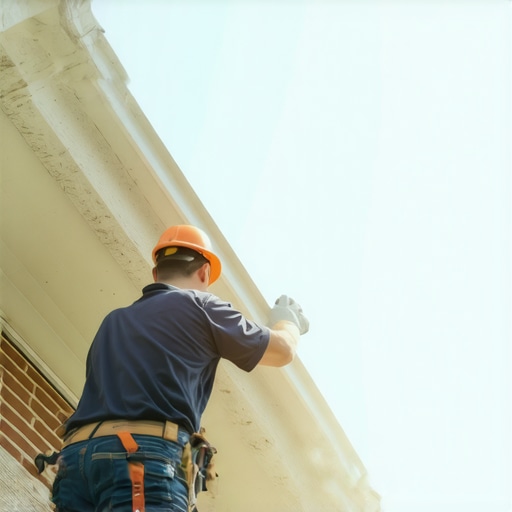
Optimizing Home Protection: The Critical Role of Advanced Gutter and Drainage Systems
In the evolving landscape of home maintenance, understanding the intricacies of gutter installation, drainage management, and repair strategies is essential for safeguarding properties against water damage. As experts in the field, we recognize that a comprehensive approach that integrates innovative techniques and proven best practices can significantly extend the lifespan of your roofing and foundation.
Strategic Gutter Design and Installation for Superior Drainage Efficiency
Effective gutter systems are not merely about channeling rainwater but about creating a resilient infrastructure that adapts to climate variability. Modern installation methods incorporate seamless gutters with reinforced brackets and weather-resistant materials, reducing the risk of leaks and detachment. For optimal performance, consider the integration of gutter guards that prevent debris accumulation, which is a common cause of blockages and overflow.
Understanding the Nexus Between Drainage Solutions and Structural Integrity
Drainage management extends beyond gutters; it involves an intricate network of underground pipes, catch basins, and slope grading that collectively prevent water pooling around foundations. According to recent studies published in the Journal of Building Engineering, proper drainage design reduces hydrostatic pressure, thus minimizing structural stress and soil erosion. Implementing these solutions requires expert assessment and precision engineering, especially in regions prone to heavy rainfall or snowmelt.
Addressing Common Gutter and Drainage Failures with Expert Repairs
Gutter repairs must be approached with a deep understanding of material fatigue, joint integrity, and environmental exposure. For example, rusted or cracked sections can be temporarily patched, but long-term solutions often involve complete replacement with corrosion-resistant materials like aluminum or copper. Similarly, drainage repairs targeting underground pipes demand diagnostic tools such as camera inspection to identify blockages or leaks that compromise system efficiency.
What are the latest innovations in gutter repair technology that enhance durability and performance?
Recent advancements include the development of self-healing sealants, robotic pipe inspection systems, and environmentally friendly repair compounds. These innovations allow for precise, minimally invasive repairs that extend system lifespan and improve water flow management.
For further insights into reliable gutter and drainage solutions, explore our detailed guide on trusted repair techniques. Your contribution as a professional can help shape industry standards and innovate future practices in home safety.
Pushing the Boundaries of Gutter Repair Durability
In the realm of gutter maintenance, staying ahead with innovative repair methods is crucial for enhancing system longevity. Recent developments include the use of advanced polymer-based sealants that exhibit self-healing properties, effectively sealing micro-cracks and preventing water ingress over time. Such materials are resistant to environmental stressors like UV radiation and temperature fluctuations, making them ideal for diverse climates. Moreover, robotic pipe inspection systems equipped with high-definition cameras allow experts to diagnose underground drainage issues with unprecedented precision, reducing the need for invasive excavation. These tools enable targeted repairs, which not only prolong the lifespan of drainage components but also minimize disruption to homeowners.
Reimagining Drainage System Design for Extreme Weather
Traditional drainage solutions often fall short during unexpected heavy rainfall or rapid snowmelt. To counteract this, engineers are now integrating smart drainage systems that adapt dynamically to changing water volumes. These systems incorporate sensors that monitor water levels and automatically activate additional outlets or divert excess flow to secondary basins. Implementing such adaptive solutions requires a nuanced understanding of terrain, soil permeability, and water flow patterns, emphasizing the need for expert assessment. As highlighted in a recent comprehensive review published by the Journal of Building Engineering, these innovations significantly mitigate hydrostatic pressure on foundations and curb soil erosion, safeguarding structural integrity even under extreme conditions.
How can homeowners leverage emerging technologies to maintain optimal drainage efficiency?
Homeowners can benefit from integrating smart sensors and automated monitoring systems into their existing drainage infrastructure. Regular maintenance remains vital, but embracing these innovations can provide early warnings of potential failures, allowing preventive action before costly damages occur. For more in-depth guidance on implementing reliable drainage upgrades, visit our detailed resource on expert drainage solutions. Sharing your experiences or asking questions in the comments can foster a community of proactive property owners committed to long-term protection.
How Smart Drainage Technologies Are Transforming Home Resilience
In the quest for more resilient and efficient home protection, the integration of smart drainage systems stands out as a groundbreaking development. These systems leverage IoT (Internet of Things) sensors to monitor water flow, detect blockages, and automatically activate secondary drainage pathways during heavy rainfall events. According to a detailed analysis in the Journal of Building Engineering, such innovations significantly reduce hydrostatic pressure on foundations, mitigating the risk of structural damage. Homeowners and contractors alike are encouraged to explore these intelligent solutions that promise not only enhanced safety but also long-term cost savings.
What are the key components of a cutting-edge automated drainage system?
At the core of these advanced systems are high-precision water level sensors, automated valves, and real-time data analytics platforms. Sensors continuously gauge water levels in key areas, transmitting data to a central controller that evaluates whether additional drainage capacity is needed. When thresholds are exceeded, automated valves open secondary outlets, diverting excess water away from vulnerable zones. This dynamic response mechanism ensures optimal drainage performance even under unpredictable weather conditions, exemplifying a shift from static infrastructure to adaptive smart systems.
Enhancing Repair Strategies with Nanotechnology and Eco-Friendly Materials
Beyond technological innovations, material science is rapidly evolving to meet the demands of durability and environmental sustainability. The advent of nanotechnology-infused sealants and corrosion-resistant coatings has revolutionized gutter and pipe repairs. These materials exhibit remarkable self-healing properties, sealing micro-cracks and preventing water ingress for extended periods. An authoritative study in the Journal of Building Engineering emphasizes that such materials significantly extend maintenance intervals, reducing overall costs and environmental impact. Moreover, eco-friendly repair compounds derived from biodegradable polymers are gaining traction, aligning infrastructure resilience with sustainability goals.
Can emerging nanotech solutions truly replace traditional repair methods for long-term durability?
Nanotechnology-based solutions offer promising advantages, including superior adhesion, flexibility, and resistance to environmental stressors. They can penetrate micro-porosities within materials, creating a seamless, waterproof barrier that withstands temperature fluctuations and UV radiation. While traditional repairs often require invasive procedures and frequent touch-ups, nanotech applications facilitate minimally invasive, long-lasting fixes that are more cost-effective over the lifespan of the infrastructure. Industry experts recommend combining nanotech repairs with strategic preventative maintenance to maximize system longevity and performance.
To deepen your understanding of these innovations, explore our comprehensive guide on advanced drainage repair techniques. Engaging with these insights can empower you to implement state-of-the-art solutions that future-proof your property against extreme weather challenges.
Harnessing Cutting-Edge Materials to Fight Water Damage
Emerging nanotechnologies and eco-friendly composites are transforming gutter repair and drainage solutions by providing unparalleled durability and environmental compatibility. Industry leaders leverage self-healing sealants infused with nanomaterials that seamlessly mend microcracks, significantly extending service life while maintaining flexibility against temperature fluctuations and UV exposure. These advancements aren’t just theoretical; they are vital for high-performance, sustainable home infrastructure, as highlighted in recent research published by the Journal of Building Engineering.
What Are the Advanced Strategies for Precision Drainage Diagnostics?
Incorporating robotic inspection systems equipped with high-definition cameras and ultrasonic sensors offers a revolutionary approach to diagnosing underground drainage issues with minimal disruption. These systems can detect leaks, blockages, and corrosion points at a microscopic level, enabling targeted repairs that drastically reduce excavation costs and preserve landscape integrity. For an authoritative deep dive into these technologies, consult the comprehensive guidelines provided by leading infrastructure research institutions.
How Can Intelligent Drainage Systems Elevate Your Property’s Defense?
Smart drainage architecture integrates IoT sensors with adaptive flow control mechanisms, allowing real-time monitoring and automatic response to dynamic weather conditions. Such systems utilize predictive analytics to preempt flooding, protect foundations, and optimize water runoff, especially in climate-sensitive regions. As detailed in the Journal of Building Engineering, these innovations represent a paradigm shift from static infrastructure to resilient, self-regulating networks that safeguard homes against extreme weather events.
Elevate Your Expertise with Next-Generation Repair Techniques
Advanced repair methodologies now employ biodegradable polymer composites and nanotech-infused sealants that bond seamlessly to existing materials, offering long-term resistance to corrosion and environmental stressors. These solutions facilitate swift, minimally invasive repairs that extend the lifecycle of gutters and underground pipes, reducing maintenance frequency and costs. For professional insights into adopting these state-of-the-art approaches, explore specialized industry publications and technical manuals from authoritative sources.
Join the Vanguard of Home Safety Innovation
Implementing these groundbreaking technologies and materials positions you at the forefront of home resilience. By embracing smart diagnostics, adaptive drainage, and durable repair solutions, property owners can proactively mitigate water-related risks. Stay informed and engaged with the latest developments by consulting leading industry experts, attending advanced training sessions, and participating in professional forums dedicated to infrastructure innovation.
Expert Insights & Advanced Considerations
Invest in Smart Drainage Monitoring to Prevent Water Damage
Utilizing IoT-enabled sensors for real-time water flow analysis allows proactive maintenance, reducing the risk of unforeseen failures and costly repairs. This technology provides early warnings and enables timely interventions, especially in regions prone to extreme weather.
Prioritize Material Innovation for Longevity and Sustainability
Incorporating nanotech-infused sealants and eco-friendly composites enhances repair durability and minimizes environmental impact. These advanced materials facilitate micro-crack healing and resistance against UV radiation, significantly extending system lifespan.
Design Adaptive Drainage Systems for Climate Resilience
Smart drainage solutions that dynamically respond to water volume fluctuations safeguard foundations during heavy rainfall or rapid snowmelt. Sensors and automated controls optimize water diversion, maintaining structural integrity and soil stability.
Implement Precision Diagnostics with Robotic Inspection Tools
High-definition robotic inspection systems enable detailed underground pipe assessments, identifying issues at a microscopic level. This precision reduces invasive procedures and ensures targeted repairs, conserving landscape and reducing costs.
Embrace the Future of Gutter Maintenance with Self-Healing Technologies
Self-healing sealants and corrosion-resistant coatings revolutionize long-term gutter repair strategies. Their ability to automatically mend micro-damage enhances resilience and reduces maintenance frequency, ensuring consistent performance.
Curated Expert Resources
- Journal of Building Engineering: Offers cutting-edge research on drainage system innovations and structural impact studies, essential for informed decision-making.
- Elite Gutterworks Blog: Provides comprehensive guides and practical tips on installing, repairing, and maintaining advanced gutter and drainage systems.
- Industry Whitepapers on Nanotech Applications: Present the latest developments in nanotechnology for infrastructure repair, emphasizing durability and eco-friendliness.
- Smart Home Technology Journals: Explore IoT integration and automation strategies for modern drainage and gutter management.
Final Expert Perspective
In the realm of gutter and drainage innovation, integrating smart technologies, durable materials, and precision diagnostics elevates property resilience to unprecedented levels. Mastery of these advanced solutions not only safeguards your home but also positions you at the forefront of infrastructure excellence. For professionals seeking to lead the industry, staying abreast of emerging trends and contributing insights can shape the future of home safety. Engage with these resources, share your expertise, and continue pushing the boundaries of what’s possible in home protection.