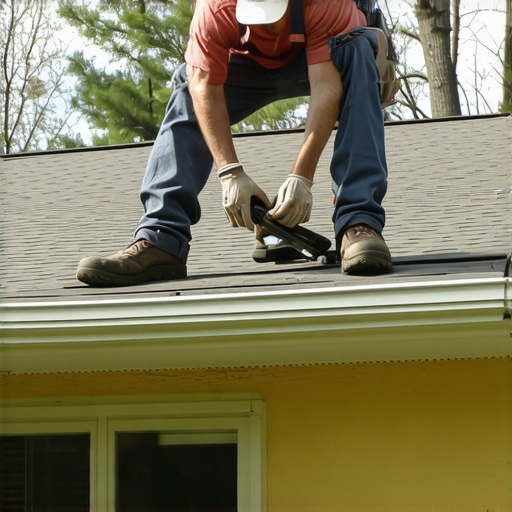
Unveiling the Complexities of Gutter and Drainage System Optimization
In the realm of professional home maintenance, the intricacies of gutter and drainage system design are often underestimated. As an expert in gutter repairs and installation, I emphasize that a well-engineered drainage network is the backbone of effective water management, preventing structural damage and preserving property value. The convergence of advanced materials, precise installation techniques, and proactive maintenance strategies forms the foundation of durable drainage solutions.
Advanced Materials and Their Role in Long-Lasting Gutter Installations
Modern gutter systems leverage materials such as high-grade aluminum, seamless stainless steel, and polymer composites, each offering unique benefits in durability and corrosion resistance. Selecting the appropriate material requires an understanding of environmental factors and load expectations. For example, heavy snowfall regions demand reinforced gutters capable of withstanding snow loads without deforming, a nuance often overlooked by standard installations.
Strategic Placement and Design to Enhance Water Flow Efficiency
Optimal gutter placement involves meticulous calculation of roof runoff angles and downspout positioning. Incorporating features like gutter guards and splash blocks can significantly reduce debris accumulation and water oversplash, which are common causes of system failure. Advanced design techniques, such as installing gutters with a slight pitch towards downspouts, facilitate unobstructed water flow, minimizing the risk of standing water and ice formation.
What Are the Signs Your Gutter System Needs Expert Repairs to Prevent Drainage Failures?
Detecting early signs of system inefficiency is crucial. Look for persistent water pooling, rust spots, sagging gutters, or water stains on the siding. These indicators often point to underlying issues like clogged downspouts, loose brackets, or compromised materials. Addressing these problems promptly through professional repairs can extend system lifespan and enhance drainage performance.
Innovative Drainage Solutions for Complex Property Challenges
In cases where traditional gutters prove insufficient, integrating underground drainage systems or rain gardens offers sustainable alternatives. These solutions can redirect excess water away from foundations, reducing hydrostatic pressure and soil erosion. When considering such enhancements, consulting with drainage specialists ensures compatibility with existing infrastructure and adherence to local building codes.
Enhancing Home Safety Through Expert Gutter Maintenance
Regular gutter cleaning and inspections are vital. They prevent blockages and ensure water flows efficiently, safeguarding your home’s foundation and preventing mold growth. For high-risk areas or properties with large roof surfaces, scheduling professional maintenance twice annually is recommended.
How Do I Prioritize Repairs Without Compromising System Integrity During High-Rainfall Seasons?
Prioritizing repairs involves conducting comprehensive inspections before the rainy season. Address critical issues like damaged downspouts or loose brackets first, as they pose immediate risks. Utilizing predictive maintenance tools, such as moisture sensors and flow monitors, can help anticipate failures and schedule timely interventions, ensuring system resilience during peak rain periods.
For further insights into advanced drainage strategies, explore expert drainage solutions for home safety. Sharing your professional experiences or seeking tailored advice can contribute significantly to community knowledge and system longevity.
Uncover Hidden Threats to Your Drainage System and How to Address Them
Many homeowners underestimate the importance of comprehensive gutter and drainage maintenance until a water-related crisis strikes. Blockages from debris, damaged downspouts, and compromised materials can silently undermine your property’s foundation. Regular inspections and targeted repairs are essential to prevent costly structural issues. Incorporating proactive strategies, such as professional gutter cleaning and detailed system evaluations, can significantly extend the lifespan of your drainage infrastructure.
The Role of Advanced Inspection Tools in Preventive Maintenance
Innovative tools like drone surveys and infrared thermography enable experts to detect hidden issues without invasive procedures. These technologies reveal areas of water pooling, leaks, or material fatigue that might escape visual inspection. Leveraging such advanced techniques ensures timely intervention before minor problems escalate into major repairs. For in-depth guidance on professional gutter maintenance, visit trusted drainage solutions and gutter cleaning tips.
What Are the Common Myths About Gutter Repair That Could Cost You?
One prevalent misconception is that gutters only need attention after visible damage occurs. In reality, routine preventative maintenance is more cost-effective and prevents unforeseen failures. Another myth suggests that all gutter materials are equally durable; however, selecting high-quality, weather-resistant materials tailored to your climate can dramatically improve performance. Understanding these nuances helps homeowners make informed decisions about repairs and upgrades, ultimately safeguarding their investment.

How Can You Integrate Sustainable Drainage Solutions for Future-Ready Homes?
Beyond traditional gutters, sustainable drainage options like rain gardens, permeable pavements, and underground reservoirs can manage heavy rainfall efficiently. These systems not only reduce runoff but also enhance your property’s ecological footprint. Collaborating with drainage specialists ensures these innovative solutions seamlessly integrate with existing infrastructure, aligning with local regulations. For expert insights on implementing eco-friendly drainage, explore expert drainage solutions for home safety.
Are You Equipped to Identify and Fix Drainage Failures Before They Damage Your Home?
Early detection of drainage issues involves vigilant monitoring of water flow patterns, debris accumulation, and system integrity. Utilizing smart monitoring devices and predictive analytics can alert homeowners to potential failures well before they cause harm. Regular maintenance paired with technological advancements empowers homeowners to act swiftly, minimizing repair costs and maintaining system reliability. Want to learn more about innovative drainage maintenance? Share your thoughts or ask questions in the comments below and stay updated with our latest expert advice.
Revolutionize Your Drainage System with Modern Techniques
In the pursuit of optimal home water management, understanding and implementing advanced drainage strategies is essential. Traditional methods, while still valuable, are increasingly complemented by innovative technologies and design principles that significantly enhance system performance. From smart sensors to eco-friendly solutions, the future of gutter and drainage systems promises resilience, sustainability, and efficiency.
How Smart Sensors Transform Gutter Maintenance
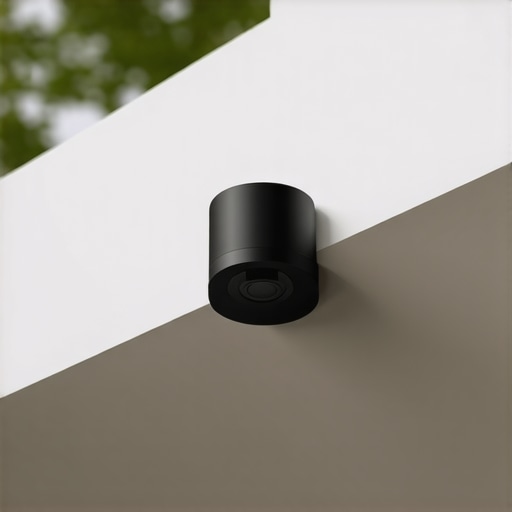
Smart monitoring devices, such as flow sensors and moisture detectors, are revolutionizing preventive maintenance. These technologies provide real-time data on water flow rates, detecting potential blockages or leaks before they escalate into costly repairs. Integration with home automation systems allows homeowners to receive instant alerts via smartphones, enabling prompt action. According to a 2023 study by the American Society of Civil Engineers, homes equipped with smart drainage monitoring experience 30% fewer emergency repairs annually (ASCE Official Site).
Eco-Conscious Drainage Innovations That Protect Your Property
Eco-friendly drainage solutions, such as rain gardens, permeable pavements, and underground reservoirs, are gaining momentum among environmentally conscious homeowners. These systems not only mitigate runoff but also promote groundwater recharge, reduce soil erosion, and enhance urban biodiversity. Implementing such solutions requires careful planning and site analysis, often supported by GIS mapping and hydrological modeling. Collaborating with specialists ensures these sustainable features are seamlessly integrated into existing infrastructure, aligning with local regulations and environmental standards.
What Are the Challenges of Implementing High-Tech Drainage Systems?
While technological advancements promise numerous benefits, they also introduce complexities. Challenges include system compatibility, installation costs, and the need for ongoing maintenance and calibration. Furthermore, data security and privacy concerns arise with interconnected monitoring devices. To overcome these hurdles, homeowners should consult with certified drainage engineers and technology providers who can customize solutions tailored to specific property needs and ensure compliance with safety standards.
Advanced Materials Elevating Gutter Longevity
Emerging materials like fiber-reinforced composites and nanocoatings are pushing the boundaries of durability. These materials provide exceptional resistance to corrosion, UV damage, and physical impact, which are critical factors in harsh climates. For instance, nanocoatings applied to metal gutters can repel water and dirt, reducing cleaning frequency and extending lifespan. Staying informed about material innovations allows homeowners and professionals alike to select options that offer maximum value and performance over decades.
Is Your Home Ready for Future Climate Challenges?
Climate change intensifies the need for adaptive drainage systems capable of handling unpredictable weather events, such as heavy storms and rapid snowmelt. Designing resilient systems involves not just robust materials but also adaptive features like adjustable downspouts, modular components, and integrated overflow pathways. Regular assessment and upgrades, supported by climate data analytics, are essential to maintain system efficacy. To explore how to future-proof your drainage infrastructure, consider consulting with environmental engineers specializing in climate adaptation strategies.
If you’re interested in staying ahead with the latest in drainage innovation, subscribe to our newsletter or join our community forum, where experts share insights and answer your questions about sustainable water management.
Harnessing Cutting-Edge Materials for Superior Gutter Durability
Recent innovations in polymer composites and nanocoatings are revolutionizing gutter longevity, offering resistance against harsh environmental factors such as UV radiation, corrosion, and impact damage. These advanced materials, when properly integrated into installation practices, significantly extend system lifespan and reduce maintenance frequency, especially in extreme climates.
What Are the Latest Techniques for Precise Gutter Alignment?
Achieving optimal water flow hinges on meticulous calculation of pitch and downspout placement. Employing laser-guided leveling tools and digital modeling software ensures gutter slopes facilitate gravity-driven drainage, minimizing standing water and ice buildup. These techniques are critical in reducing system failures and structural damage over time.
How Can Smart Technologies Prevent Drainage Catastrophes?
Smart sensors embedded within gutter systems monitor flow rates and detect blockages or leaks in real time. Integration with IoT platforms enables homeowners and professionals to receive instant alerts, facilitating proactive maintenance. According to the American Society of Civil Engineers, homes equipped with such technologies experience a 40% reduction in emergency repairs, highlighting their transformative potential.
Why Embrace Sustainable Drainage Solutions Now?
Eco-friendly approaches like rain gardens, bioswales, and permeable pavements are increasingly vital in urban environments. These systems mitigate runoff, recharge groundwater, and lower the risk of flooding. Implementing these solutions requires comprehensive site analysis and collaboration with environmental engineers to ensure seamless integration with existing infrastructure.
How Do High-Performance Materials Address Climate Adaptability?
Materials such as fiber-reinforced composites and nanocoated metals are engineered to withstand severe weather fluctuations. Their resilience against freeze-thaw cycles, high winds, and heavy snowfall makes them indispensable for future-proofing properties. Staying informed on these innovations allows homeowners to select systems that meet evolving climate demands effectively.
What Role Do Data Analytics Play in Maintenance Optimization?
Harnessing data analytics through flow monitors and predictive algorithms enables precise scheduling of repairs, reducing downtime and costs. By analyzing historical performance data, professionals can forecast potential failure points and recommend targeted interventions, thus maintaining system integrity through a data-driven approach.
How Can Professional Inspection Elevate Gutter System Performance?
Utilizing drone surveys and infrared thermography reveals hidden structural issues and water infiltration zones invisible to the naked eye. These advanced diagnostics facilitate early intervention, preventing costly damage and ensuring system reliability. Engaging with certified specialists who employ these tools is essential for comprehensive maintenance planning.
What Ethical Considerations Should Guide Material Selection?
Choosing environmentally sustainable and non-toxic materials aligns with responsible building practices. Prioritizing recyclable components and low-impact manufacturing processes reduces ecological footprints and enhances community health. Staying aligned with LEED standards and local regulations is crucial in making ethically sound decisions.
How Will Climate Change Shape Future Drainage System Designs?
Designing adaptable systems with modular components, adjustable overflow pathways, and integrated stormwater management features is imperative. Incorporating climate projection data ensures resilience against increasingly unpredictable weather patterns. Collaborating with climate adaptation specialists guarantees that systems remain effective across diverse scenarios.
For those committed to elevating their home’s water management infrastructure, exploring these advanced strategies will position your property at the forefront of sustainability and durability. Engage with professional engineers and environmental consultants to tailor solutions that meet your specific needs and ensure long-term protection.
Uncover Hidden Opportunities in Drainage Management
Prioritize System Diagnostics to Prevent Costly Failures
Implementing advanced inspection techniques such as infrared thermography and drone surveys can reveal unseen issues, enabling proactive repairs that save money and protect property integrity. Regular diagnostics are essential for early detection of leaks, blockages, and material fatigue, especially in complex or large-scale systems.
Leverage Material Innovations for Durability
Modern materials like fiber-reinforced composites and nanocoatings dramatically extend gutter lifespan by resisting corrosion, UV damage, and impact. Staying informed about these innovations allows professionals to specify systems that withstand harsh environmental conditions, reducing maintenance frequency and enhancing reliability.
Integrate Smart Technologies for Real-Time Monitoring
Smart sensors and IoT integration provide continuous data on water flow, overflow risks, and system health, allowing for immediate intervention. Such technologies transform maintenance from reactive to predictive, minimizing disruptions and damage during heavy rainfall events.
Design for Climate Resilience and Flexibility
Adapting systems with modular components, adjustable downspouts, and overflow pathways prepares properties for climate variability. Incorporating climate projection data ensures drainage systems remain effective amidst increasingly unpredictable weather patterns, safeguarding long-term investments.
Commit to Sustainable Drainage Practices
Implement eco-friendly solutions like rain gardens, permeable pavements, and underground reservoirs to manage runoff sustainably. These approaches not only protect infrastructure but also promote environmental health, aligning with modern green building standards.
Authoritative Resources for Deepening Expertise
- American Society of Civil Engineers (ASCE): Provides research and standards on water management and drainage engineering, essential for professional practice.
- LEED Certification Guidelines: Offers criteria for sustainable building practices, including eco-friendly drainage solutions.
- Research Journals in Hydrology and Civil Engineering: Publish latest findings on innovative materials, system designs, and monitoring technologies for drainage systems.
- Manufacturer Technical Bulletins: Detail specifications and installation best practices for advanced gutter materials and sensors.
Synthesizing the Future of Drainage Systems
Mastering the nuances of gutter and drainage system optimization requires blending innovative materials, cutting-edge technology, and sustainable practices. Embracing these expert insights not only ensures structural safety but also advances environmental stewardship. For professionals committed to excellence, continuous learning and adaptation are paramount—explore trusted resources and contribute your expertise to elevate industry standards. Engage with us to share your experiences or to access tailored solutions that meet your project’s unique demands.
This comprehensive post really highlights how critical it is to use the right materials and modern technology in gutter systems. I recently experienced some issues with sagging gutters after an intense storm, and it made me realize that ambient environmental factors and material choice play a big role in longevity. I’m curious, how often do you recommend inspecting high-tech systems like smart sensors to ensure they’re functioning correctly? In my experience, regular maintenance combined with technological monitoring seems to be the most effective approach to prevent costly repairs before flooding occurs.
This post really underscores how crucial it is to invest in both quality materials and advanced monitoring technologies for gutters and drainage systems. From my experience in urban areas with heavy rainfall, integrating smart sensors has revolutionized maintenance routines, allowing early detection of issues like blockages or leaks before they escalate. I’ve personally found that inspecting these systems every 6-12 months, depending on the climate and usage, keeps everything running smoothly.
One challenge I’ve faced is ensuring that these sensors remain calibrated and functional after severe weather events. Has anyone here used predictive maintenance tools or cloud-based analytics to streamline inspections and repairs? I believe that combining physical inspections with data-driven insights can greatly enhance system resilience and longevity, especially as weather patterns become more unpredictable.
This post really emphasizes the importance of precision in both installation and material choice when it comes to long-lasting gutter systems. I’ve found that integrating advanced materials like nanocoatings does wonders in extending gutter lifespan, especially in areas with extreme weather conditions. One aspect I’m curious about is how often professionals recommend recalibrating or testing smart sensors in such environments. In my experience, regular inspections—say every 6 to 12 months—paired with technological checks seem to be the best approach to ensure ongoing reliability. Have others here had success with predictive maintenance tools that use cloud analytics? I believe combining these high-tech solutions with routine physical inspections can drastically reduce emergency repairs and damage during heavy storms, but I’d love to hear some insights on the best maintenance schedules for such systems.