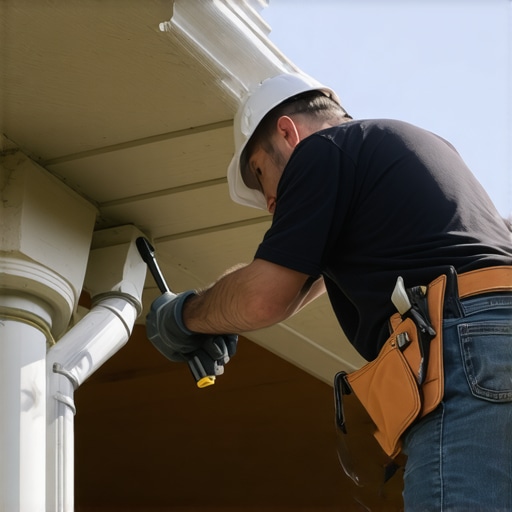
Elevating Drainage Efficacy through Expert Gutter Maintenance and Strategic Installation
In the realm of property management, optimal roof drainage stands as a crucial facet that profoundly influences the longevity and safety of structures. As seasoned professionals recognize, meticulously executed gutter repairs and precision installation are not mere maintenance rituals but strategic interventions with substantial implications for drainage efficiency. Delving into advanced methods and nuanced considerations, this discourse explores how expert craftsmanship can transform gutter systems into robust defenses against water ingress and erosion.
The Nuances of Gutter Material Selection and Its Impact on Drainage Performance
Property owners and contractors often underestimate how material choice influences gutter durability and water conveyance. High-grade aluminum gutters, for example, offer superior corrosion resistance and ease of customization, which enhances long-term drainage reliability. Conversely, vinyl alternatives may be cost-effective but prone to cracking under thermal stress, compromising system integrity. Analyzing these material dynamics allows for tailored solutions that align with climate conditions and property specifications, ensuring sustained drainage performance.
Innovative Techniques in Gutter Repair: Beyond Conventional Methods
Traditional gutter maintenance often revolves around debris removal and sealing leaks. Expert repair strategies, however, incorporate seamless gutter patching, advanced joint reinforcement, and corrosion mitigation measures. These techniques extend system lifespan and prevent water backflow, a common precursor to foundational issues. For instance, employing slip-in patch connectors with corrosion inhibitors can repair compromised sections without extensive dismantling, thereby maintaining system continuity and drainage flow.
Designing Gutter Systems that Harmonize with Drainage Architecture
Effective drainage necessitates a harmonious integration of gutter design with overall property architecture. Expert installers consider factors such as roof pitch, fascia strength, and terrain grading to optimize gutter placement and sizing. Incorporating features like hidden hangers and robust downspouts minimizes obstructions and facilitates swift water transfer. Such design precision reduces overflow risk during heavy precipitation events and mitigates soil erosion near the foundation.
Calculating Drainage Capacity: The Mathematics Behind Effectiveness
Properly engineered gutter systems must accommodate peak rainfall intensities. Applying hydrological calculations, professionals determine requisite gutter widths and downspout quantities based on roof area and local climate data. When the determinants of drainage capacity are accurately assessed, the system is resilient against overflow and long-term water damage, consequently safeguarding structural integrity.
What are the latest advancements in gutter installation techniques that optimize drainage?
Recent innovations include the integration of seamless aluminum gutters with precision-cut hangers and self-cleaning design elements. These advancements not only enhance aesthetic appeal but also streamline maintenance and improve water runoff efficiency. Additionally, sensor-activated gutters with real-time drainage monitoring are emerging as cutting-edge solutions for proactive system management.
How can professionals address complex terrain challenges affecting gutter drainage pathways?
Addressing terrain complexities involves strategic grading, the inclusion of block drain systems, and the use of adjustable downspout extensions. Consulting environmental and urban planning resources can facilitate bespoke solutions tailored to unique site conditions, ensuring that drainage remains unobstructed regardless of landscape variations.
Engaging with specialized content, such as expert drainage solutions and gutter cleaning techniques, empowers professionals to refine their practices systematically.
Property managers and contractors are encouraged to contribute insights and share case studies that demonstrate successful integration of these advanced repair and installation methodologies, fostering a community of continuous improvement.
Leveraging Innovative Materials for Superior Drainage Outcomes
Recent developments in gutter materials, such as hybrid composites combining corrosion resistance with lightweight durability, are transforming installation standards. These advancements enable engineers to design systems that not only withstand environmental stresses but also enhance water conveyance efficiency. For example, incorporating polymer-mixed aluminum gutters provides flexibility and longevity, reducing the need for frequent repairs. To ensure long-lasting performance, property owners should explore options outlined in the drainage system solutions for modern upgrades.
Strategic Integration of Gutter Design with Landscape Architecture
Optimizing drainage involves more than just the gutter system itself; it requires thoughtful alignment with site topography. Professionals employ grading techniques and landscape features like swales and rain gardens to divert excess water away from foundations effectively. Integrating downspouts with subterranean drainage pipes further disperses water, preventing pooling and erosion. Advanced design software allows for precise modeling of water flow paths, leading to more resilient and adaptable drainage configurations. For detailed case studies, visit the top drainage solutions resource.
The Role of Smart Technology in Contemporary Gutter Management
Emerging sensor-based systems are poised to revolutionize maintenance routines. Intelligent gutters equipped with moisture and flow sensors can alert homeowners and contractors to blockages or overflow risks before damage occurs. Connecting these systems to mobile apps enables proactive interventions, reducing costly repairs and preserving property integrity. Integrating smart technology with traditional drainage solutions exemplifies an evolution toward more resilient and self-sustaining gutter systems. For a comprehensive overview, see the expert insights in effective drainage system solutions.
How can adaptive gutter designs accommodate changing climate patterns and unpredictable weather events?
As climate variability intensifies, designing gutters capable of handling extreme stormwater loads becomes critical. Incorporating features such as expandable downspouts, overflow splitters, and flexible joint systems allows for dynamic responses to unexpected rainfall. Adaptive designs also include integrating rainwater harvesting elements, which reduce runoff volume and promote sustainability. Professionals should consider climate data and future weather projections when planning systems, ensuring long-term resilience. To stay ahead, consult the latest guidelines on climate-adapted drainage solutions at trusted gutter repair tips.
Optimize Gutter Efficiency with Advanced Angling and Slope Innovations
Precision in gutter tilt and slope greatly influences water flow velocity and debris clearance. Expert installers leverage laser-guided technology to achieve micro-adjustments that ensure optimal pitch, reducing stagnation points and overflow incidents. Implementing adaptive slope modifications in response to seasonal shifts enhances long-term system resilience and minimizes maintenance disruptions.
Addressing Complex Terrain: Elevating Drainage Solutions Amidst Nature’s Variability
Unpredictable topography challenges even seasoned professionals. Techniques such as installing tiered gutter systems with integrated catchment basins and utilizing geo-synthetic reinforcement beneath ground-level downspouts help maintain consistent drainage pathways. Strategic use of retaining walls and terraced landscaping directs excess water efficiently, preventing basement flooding and foundation weakening.
Can Smart Gutter Systems Reduce Your Maintenance Burden?
Emerging IoT-integrated gutter systems equipped with real-time sensors detect blockages, water levels, and system health metrics. These insights enable preemptive maintenance, extending gutter lifespan and safeguarding property assets. The deployment of predictive analytics powered by AI allows for scheduled interventions precisely when needed, avoiding unnecessary inspections and associated costs. For detailed case studies on smart gutter integration, visit the innovative drainage techniques resource.
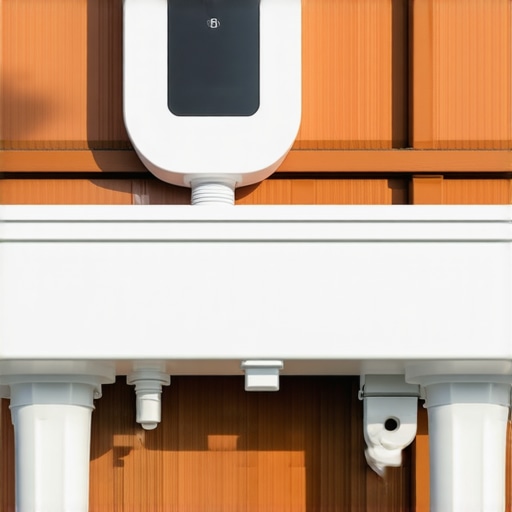
Image prompt: High-tech smart gutter system with sensors and connected mobile device, demonstrating IoT integration in modern drainage management.
Leveraging Material Science to Combat Environmental Stressors
Incorporating cutting-edge composites such as fiber-reinforced polymers and nanocoatings enhances gutter durability against UV degradation, heavy rainfall, and chemical exposure. These materials offer superior strength-to-weight ratios and corrosion resistance, ensuring sustained performance over decades. Future-oriented designs also utilize self-healing materials capable of autonomously repairing micro-damage, significantly reducing maintenance costs and system downtime.
Redefining Gutter Design with Modular and Customizable Solutions
Modular gutter architectures facilitate rapid replacements and system scalability, accommodating evolving property sizes and architectural styles. Customizable profiles enable precise adaptation to roof geometries and aesthetic preferences, optimizing both functionality and visual integration. Integration with landscape features such as rain gardens or permeable pavements further enhances water management while supporting sustainable site development. Engaging with designing professionals early in the project lifecycle ensures the implementation of these innovative solutions aligns with strategic property management goals.
Unlocking Hidden Opportunities for Drainage Efficiency with Cutting-Edge Gutter Customization
Beyond standard installation practices, customizing gutter systems to match unique architectural nuances and terrain variations can significantly amplify drainage performance. Tailoring profiles, material thicknesses, and mounting techniques allows professionals to design resilient solutions that preempt overflow scenarios even under extreme weather conditions. Employing computational fluid dynamics (CFD) modeling during the planning phase provides predictive insights into water flow behaviors, facilitating precision engineering that minimizes stagnation and debris accumulation.
How can High-Performance Materials Revolutionize Long-Term Gutter Durability?
Recent innovations in composite materials, such as fiber-reinforced polymers infused with nanotechnology coatings, facilitate gutters that withstand thermal cycling, UV exposure, and chemical pollutants with minimal degradation. These materials not only extend service life but also reduce maintenance frequency, achieving cost-effectiveness over time. As durability improves, maintenance cycles elongate, and the risk of catastrophic failures diminishes—enabling a shift toward proactive, reliability-centered property management.
What Does It Take to Engineer a Gutter System that Embraces Climate Resilience?
Designing climate-ready gutter systems involves integrating adaptive features like variable slope configurations, modular expansion joints, and smart overflow management components. Incorporating environmental data forecasting allows architects to simulate future precipitation patterns, ensuring permanent resilience. Furthermore, utilizing bio-inspired geometries that mimic natural water dispersal mechanisms can enhance the system’s adaptability to unpredictable storm events, safeguarding properties against evolving climate challenges.
Can Digital Twins Enhance Gutter System Performance Tracking and Maintenance?
The advent of digital twin technology enables real-time simulation and monitoring of gutter networks, providing invaluable insights into system health and performance anomalies. By integrating sensor arrays within gutters that relay data to cloud-based platforms, property managers can anticipate issues before they manifest physically, scheduling maintenance precisely when needed. This predictive approach markedly reduces downtime and repair costs, aligning with the principles of Industry 4.0 applied to property infrastructure management.
< >
>
Image prompt: A digital twin model of a residential gutter system overlaid on a property blueprint, highlighting sensor placements and real-time data flow.
Why Prioritizing Aesthetic Harmony Boosts Functional Reliability
Integrating advanced gutter systems with exterior design elements not only elevates curb appeal but also ensures that functional enhancements are seamless and unobtrusive. Hidden brackets, color-matched materials, and sleek profiles conceal structural components, reducing the risk of debris entrapment and physical damage. Thoughtful aesthetic integration fosters a holistic approach, where beauty and performance reinforce each other to create resilient, visually appealing drainage solutions.
What Strategies Can Address Site-Specific Drainage Challenges in Urban Landscapes?
Urban environments often present complex drainage obstacles, including limited space, variable terrain, and impervious surfaces. Implementing underground drainage networks, rain gardens, and permeable pavements can intercept runoff effectively. Employing geospatial analysis and site-specific hydrological modeling ensures strategic placement of downspouts and infiltration systems. These approaches not only resolve immediate drainage concerns but also contribute to urban flood mitigation and green infrastructure goals.
How Does Regular System Auditing Elevate Gutter Performance to New Heights?
Routine, expert-conducted audits involve detailed inspections, high-resolution imaging, and performance testing that identify subtle issues before they escalate. Incorporating infrared thermography detects leaks and thermal inconsistencies, while ultrasonic testing assesses connection integrity. This comprehensive assessment informs targeted repairs, optimizes system alignment, and extends operational lifespan. Establishing a regimen of proactive audits transforms gutter maintenance from reactive firefighting to strategic system stewardship.
Can Sustainable Practices Be Integrated into Gutter Maintenance and Material Selection?
Adopting eco-conscious materials like recycled aluminum and biodegradable sealants reduces environmental impact. Leveraging rainwater harvesting systems and permeable downspouts fosters resource efficiency, aligning property management with sustainability mandates. Implementing green roofs and bioswales in conjunction with gutter enhancements promotes natural water absorption, reducing reliance on conventional drainage infrastructure and mitigating urban heat island effects.
Expert Perspectives on Advanced Gutter Management
Prioritize Material Innovation to Enhance Durability
Leveraging cutting-edge materials such as polymer composites and nanocoatings can significantly extend gutter lifespan, reduce maintenance needs, and improve water conveyance. These innovations resist environmental stressors like UV exposure and chemical pollutants, ensuring reliable drainage performance over decades.
Design with Climate Resilience in Mind
Incorporating adaptive features like expandable downspouts and modular joints allows gutter systems to accommodate changing climate patterns, heavy rainfall, and unpredictable weather events, safeguarding both property and landscape integrity.
Integrate Smart Monitoring Technologies
Embedding sensors for real-time flow and blockage detection transforms gutter management. Such IoT-enabled systems facilitate proactive maintenance, minimizing water damage risks and extending system efficiency with predictive analytics.
Curated Expert Resources for Deeper Insight
- Elite Gutter Works Drainage Solutions: Offers comprehensive guidance on modern gutter installation and repair strategies tailored for durability and efficiency.
- Hydrological Engineering Journal: Provides advanced material science research relevant to gutter system longevity and environmental resistance.
- Smart Home Systems Resources: Explores integration of IoT sensors in property infrastructure, including gutter monitoring innovations.
The Final Word on Gutter Excellence
Understanding the nuances of innovative materials, climate-adaptive design, and smart technology elevates gutter systems from basic infrastructure to resilient defense mechanisms. For property managers and contractors committed to excellence, embracing these insights ensures drainage solutions that stand the test of time and weather. To deepen your expertise or share insights, consider exploring dedicated resources or engaging with industry peers—continuous improvement is key in maintaining optimal property safety and value.