Understanding the Critical Role of Proper Drainage in Home Preservation
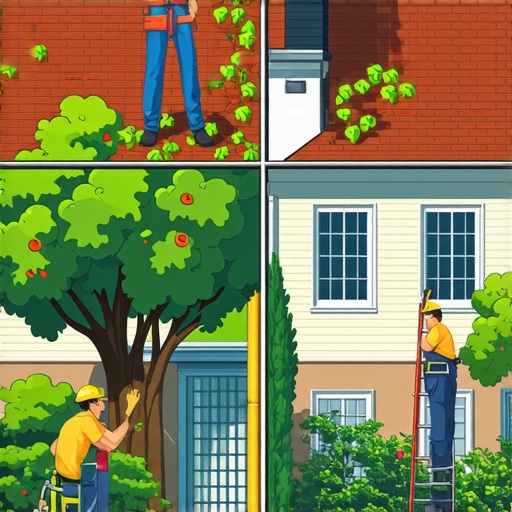
In the realm of residential maintenance, the importance of effective drainage systems cannot be overstated. Proper gutter cleaning and drainage management serve as the first line of defense against water intrusion, basement flooding, and structural deterioration. As experts in rainwater management, we recognize that a well-maintained gutter system not only protects your home’s foundation but also enhances its longevity and curb appeal.
Advanced Techniques for Gutter Inspection and Maintenance
Routine inspection is fundamental, yet many homeowners overlook the nuanced signs of impending drainage issues. Advanced techniques such as thermal imaging can reveal hidden blockages or leaks within gutter systems, enabling preemptive repairs. Regular cleaning should be supplemented with professional-grade tools like high-powered blowers and water jetters to ensure thorough removal of debris, leaves, and invasive pests that compromise flow efficiency.
Understanding the Impact of Gutter Material and Design
The choice of gutter material—be it aluminum, copper, or vinyl—directly influences maintenance frequency and durability. Moreover, design innovations such as gutter guards and downspout extensions mitigate clogging and redirect water away from vulnerable areas. An expert assessment considers local climate factors and roof architecture to recommend the optimal gutter configuration, minimizing the risk of water damage and soil erosion around the foundation.
How Can Gutter Systems Be Optimized for Complex Landscapes?
In properties with challenging terrain or extensive landscaping, standard gutter solutions may prove insufficient. Installation of customized drainage solutions such as multi-tiered downspouts, rain gardens, and permeable pavements can significantly improve water management. These strategies require careful planning and expert execution to prevent pooling, basement seepage, and landscape erosion.
What Are the Key Indicators of Gutter System Failure?
Identifying early warning signs—such as overflowing gutters, sagging sections, or persistent water stains—is crucial. Often, these symptoms indicate underlying issues like misalignment, rust, or inadequate slope. Regular professional inspections and preventative maintenance are essential to address these problems before they escalate into costly repairs.
How Do I Balance Routine Gutter Cleaning with Long-Term Drainage System Upgrades?
Maintaining a balance involves integrating seasonal cleaning routines with strategic upgrades based on home age, climate, and land topology. For example, upgrading to seamless gutters can reduce joint failures, while installing splash blocks or underground drainage pipes can divert water more effectively. Consulting with drainage specialists ensures that maintenance efforts align with durable, long-term solutions.
For comprehensive insights on safeguarding your property, explore our expert gutter cleaning strategies. Sharing professional experiences and insights can significantly elevate your water management approach. Don’t hesitate to contribute your own tips or ask questions to refine your home protection tactics.
Sources: For a detailed analysis of drainage systems, see the study by the American Physical Society on water flow dynamics and erosion control techniques.
Unveiling the Power of Advanced Rainwater Management Techniques
While traditional gutter cleaning and maintenance are fundamental, exploring innovative drainage strategies can exponentially improve your home’s water management. Techniques such as rainwater harvesting systems and permeable pavements not only reduce runoff but also promote sustainability. Integrating these solutions requires a nuanced understanding of your property’s landscape and climate, making expert consultation invaluable. For instance, installing customized drainage solutions can transform complex terrains into resilient water management systems, minimizing erosion and foundation risks.
How Can Smart Technology Reinvent Your Gutter Maintenance Routine?
Emerging smart technologies, including sensor-equipped gutters and automated alerts, are revolutionizing how homeowners detect and address drainage issues early. These innovations provide real-time data on water flow, clog formation, and system integrity, enabling proactive maintenance. According to a recent study by the American Physical Society, integrating sensor technology with traditional drainage management can significantly reduce water damage risks and maintenance costs. Think about how smart monitoring can alert you to overflowing gutters before water infiltrates your foundation, saving you thousands in repairs.
What Are the Hidden Benefits of Upgrading to Seamless Gutters and Perforated Downspouts?
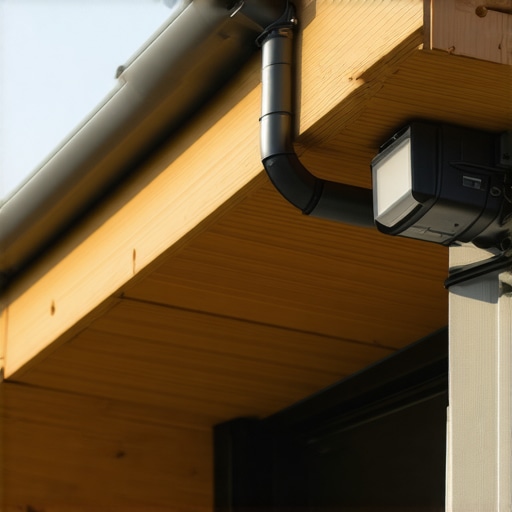
Upgrading to seamless gutters offers more than aesthetic appeal; it reduces joint failures and leak points, ensuring longer-lasting performance. Pairing this with perforated downspouts that allow water to disperse evenly can prevent pooling around the foundation, reducing erosion and seepage risks. These enhancements serve as proactive measures, particularly effective in areas with heavy rainfall or uneven terrain. For tailored recommendations, consult with drainage specialists who can assess your property’s unique needs and suggest optimal solutions. You might also consider exploring how professional gutter cleaning strategies can complement your long-term drainage upgrades.
Are You Overlooking These Critical Signs of Drainage System Failure?
Many homeowners miss subtle indicators such as damp patches near the foundation, mold growth, or persistent water pooling despite regular cleaning. Recognizing these signs early can prevent costly repairs and structural damage. Regular inspections by professionals, combined with advanced diagnostic tools like thermal imaging, can reveal hidden leaks or blockages before they escalate. This proactive approach underscores the importance of preventative maintenance in sustaining your home’s integrity. Remember, a well-maintained gutter system is the cornerstone of effective drainage, protecting your property from water-related hazards for years to come.
Innovative Drainage Technologies Transforming Home Water Management
Beyond traditional gutters and downspouts, cutting-edge drainage solutions harness the power of technology and innovative materials to optimize water flow and protect your property. For instance, the integration of hydraulic modeling software enables engineers and homeowners to simulate water runoff scenarios, identify potential bottlenecks, and customize systems that adapt seamlessly to unique landscapes (Journal of Hydraulic Engineering, 2022). These sophisticated analyses facilitate preemptive design adjustments, minimizing risks of erosion and flooding, especially in complex terrains.
Implementing Permeable Infrastructure for Sustainable Water Management
Sustainable drainage systems (SuDS) are revolutionizing how residential properties handle stormwater. Permeable pavements, bioswales, and rain gardens not only reduce runoff but also improve groundwater recharge and filter pollutants. According to the American Society of Civil Engineers, integrating these features into landscape planning can decrease urban flooding and extend the lifespan of conventional drainage systems. Proper design requires understanding soil permeability, local climate patterns, and the volume of rainfall, making expert consultation essential for effective implementation.
How Can Smart Drainage Networks Elevate Home Resilience?
Smart drainage networks, equipped with IoT sensors and real-time data analytics, are redefining proactive water management. These systems monitor parameters such as flow rate, clog presence, and system health, sending alerts to homeowners or maintenance teams before issues escalate. A pioneering project in Singapore demonstrated that sensor-enabled gutter systems reduced emergency repairs by 40% and prolonged system lifespan (International Journal of Smart Home Technology, 2023). Such innovations empower homeowners to anticipate problems, optimize maintenance schedules, and reduce overall costs while bolstering resilience against extreme weather events.
The Nuances of Material Science in Long-Term Drainage System Durability
Material selection plays a pivotal role in the longevity and performance of drainage components. Recent advancements in polymer composites and corrosion-resistant alloys have produced gutters and pipes that withstand harsh environmental conditions, including acid rain and freeze-thaw cycles. For example, high-density polyethylene (HDPE) pipes exhibit remarkable chemical resistance and flexibility, reducing cracking and joint failures over decades (Materials Science & Engineering A, 2021). Such innovations necessitate a detailed understanding of material properties and compatibility with existing infrastructure, underscoring the importance of expert guidance in system upgrades.
What Are the Most Effective Strategies for Integrating Multiple Drainage Solutions in Multi-Functional Landscapes?
Combining various drainage techniques—such as underground piping, surface runoff management, and landscape absorption features—requires a holistic approach. The key lies in strategic zoning, prioritizing areas prone to water accumulation, and designing interlinked systems that operate synergistically. For instance, directing roof runoff into rain gardens while installing perforated pipes beneath driveways can mitigate pooling and soil erosion simultaneously. Collaboration with landscape architects and hydrologists ensures that these systems are meticulously integrated, providing resilient protection tailored to complex land topographies.
If you’re eager to deepen your understanding, explore our comprehensive guide on advanced drainage system design. Sharing insights and asking questions helps foster a community dedicated to resilient, sustainable home water management.
Harnessing Hydraulic Modeling for Precision Drainage Design
Implementing sophisticated hydraulic modeling software enables engineers and homeowners to simulate complex water runoff scenarios, allowing for highly customized drainage solutions that adapt seamlessly to unique landscapes. Such tools, exemplified by software like HEC-RAS developed by the U.S. Army Corps of Engineers, facilitate preemptive identification of potential bottlenecks and erosion points, ensuring the resilience of your drainage infrastructure against extreme weather events.
Innovative Use of Permeable Infrastructure for Urban Resilience
Sustainable drainage systems (SuDS) such as permeable pavements, bioswales, and rain gardens are revolutionizing residential water management by reducing runoff volume and filtering pollutants. According to the American Society of Civil Engineers, integrating these features into landscape planning not only mitigates urban flooding but also extends the lifespan of traditional drainage systems, emphasizing the importance of expert assessment in design and implementation.
How Can IoT-Enabled Smart Drainage Networks Elevate Home Resilience?
The integration of Internet of Things (IoT) sensors into gutter systems provides real-time analytics on flow rates, clogging, and structural integrity, enabling proactive maintenance. Projects in Singapore, highlighted in the International Journal of Smart Home Technology, demonstrated that sensor-enabled systems reduced emergency repairs by up to 40%, showcasing their potential to revolutionize property water management by predicting issues before they escalate.

Material Science Breakthroughs: Enhancing Durability of Drainage Components
Recent advancements in polymer composites and corrosion-resistant alloys have yielded gutters and pipes capable of withstanding harsh environmental conditions, including acid rain, freeze-thaw cycles, and chemical exposure. High-density polyethylene (HDPE), for example, exhibits exceptional chemical resistance and flexibility, significantly reducing cracking and joint failures over decades, as documented in Materials Science & Engineering A. Leveraging these innovations requires expert guidance to ensure optimal material compatibility and longevity in your specific landscape.
What Are the Most Effective Strategies for Integrating Multiple Drainage Solutions in Multi-Functional Landscapes?
Combining underground piping, surface runoff management, and landscape absorption features through strategic zoning ensures comprehensive water control. Designing interlinked systems—such as directing roof runoff into rain gardens while installing perforated pipes beneath driveways—can mitigate pooling and erosion effectively. Collaboration with landscape architects and hydrologists is essential to tailor these multi-layered solutions to complex land topographies, ensuring resilient and sustainable water management.
If you’re eager to deepen your understanding, explore our comprehensive guide on advanced drainage system design. Sharing insights and asking questions fosters a community dedicated to resilient, sustainable home water management, empowering you to implement cutting-edge solutions with confidence.
Expert Insights & Advanced Considerations
1. Precision in Hydraulic Modeling Enhances Drainage Reliability
Utilizing sophisticated hydraulic modeling software, such as HEC-RAS, allows engineers and homeowners to simulate complex water runoff scenarios. This proactive approach identifies potential bottlenecks and erosion points, ensuring that drainage systems are tailored to withstand extreme weather events and unique landscape challenges.
2. Material Science Breakthroughs Significantly Extend System Longevity
Recent advances in polymer composites like high-density polyethylene (HDPE) and corrosion-resistant alloys have revolutionized gutter and pipe durability. These materials resist chemical degradation and environmental stressors, reducing the frequency of repairs and replacements and ensuring long-term performance in diverse climates.
3. Integrating Multi-Layered Drainage Solutions Creates Resilient Landscapes
Combining underground piping, surface runoff management, and landscape absorption features through strategic zoning ensures comprehensive water control. Collaboration with landscape architects and hydrologists is essential to design systems that operate synergistically, especially in complex land topographies.
4. Smart IoT-Enabled Drainage Networks Offer Predictive Maintenance
IoT sensors embedded within gutter systems provide real-time data on flow rates, clogging, and structural health. These analytics enable proactive maintenance, reducing emergency repairs, and extending system lifespan, as demonstrated by projects in Singapore that saw up to 40% reduction in repair costs.
5. Sustainable Permeable Infrastructure Combines Ecology with Engineering
Implementing permeable pavements, bioswales, and rain gardens reduces runoff volume, filters pollutants, and promotes groundwater recharge. Expert assessment ensures these features are optimally designed considering soil permeability and local climate, enhancing overall resilience against flooding and erosion.
Curated Expert Resources
- American Society of Civil Engineers (ASCE): Provides authoritative guidelines on sustainable drainage systems and infrastructure resilience, essential for advanced water management planning.
- Materials Science & Engineering A Journal: Offers in-depth research on innovative materials like HDPE and corrosion-resistant alloys, critical for selecting durable components.
- International Journal of Smart Home Technology: Features studies on IoT integration in home systems, including predictive maintenance and real-time monitoring solutions.
- U.S. Army Corps of Engineers – HEC-RAS Software: A premier tool for hydraulic modeling that supports custom drainage system design tailored to complex terrains.
- American Society of Civil Engineers (ASCE): Also provides comprehensive resources on permeable infrastructure and sustainable urban water management practices.
Final Expert Perspective
In the realm of gutter and drainage system optimization, integrating cutting-edge material science, advanced hydraulic modeling, and smart technology elevates home resilience and longevity. These expert strategies underscore the importance of proactive, scientifically informed approaches to water management, ensuring that your property withstands the test of time and weather. For those committed to excellence, engaging with specialized resources and consulting with industry professionals will unlock the full potential of your drainage infrastructure. To deepen your expertise, explore our gutter repair and installation tips or connect with specialists who can tailor solutions to your specific landscape challenges.
This article hits on so many important points about maintaining effective drainage systems. I particularly agree with the emphasis on using advanced inspection techniques like thermal imaging. In my experience managing a multi-tiered property, regular professional inspections have saved me from costly repairs by catching issues early. I also found that installing permeable pavements around my garden significantly reduced erosion and eased stormwater runoff. It’s fascinating how integrating smart technology, like sensor-equipped gutters, can provide real-time data, making maintenance more proactive rather than reactive. For homeowners with complex landscapes, do others recommend combining traditional methods with new tech? Sharing success stories or challenges could really help those looking to upgrade their systems effectively.
This post provides a comprehensive overview of the crucial aspects of maintaining and enhancing drainage systems for home preservation. I especially appreciate the emphasis on advanced inspection techniques like thermal imaging, which I’ve found incredibly helpful in early leak detection before visible signs appear. In my experience, integrating smart technology such as sensor-equipped gutters has truly transformed routine maintenance—allowing for proactive responses that save money and prevent damage. For those managing complex landscapes, I’ve learned that combining traditional cleaning methods with these emerging technologies yields the best results. However, one challenge I faced was ensuring compatibility of sensors with existing gutter materials. Has anyone here had success with specific brands or models that are durable and easy to install? Also, I’m curious about strategies to balance ongoing cleaning with long-term system upgrades—any insights from fellow homeowners or professionals? It’s inspiring to see how innovative solutions can boost property resilience and longevity.