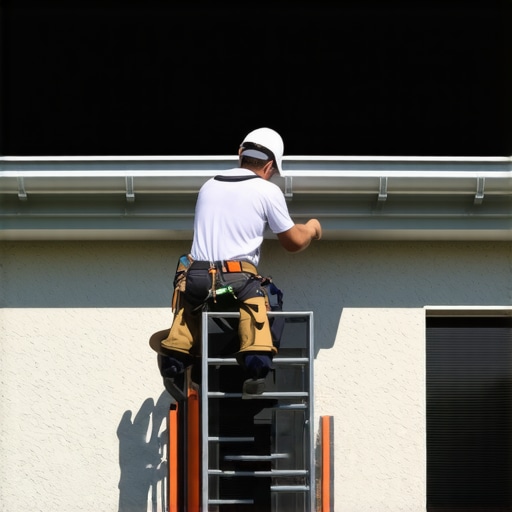
Revolutionizing Water Management Through Expert Gutter Techniques
Effective water management is the backbone of sustainable property protection, particularly when considering the complexities of drainage systems and gutter installation. With climate variability increasing the frequency of heavy precipitation events, professional-grade solutions are paramount to prevent water infiltration, foundation damage, and landscape erosion. This article explores the nuanced interplay between gutter repair, drainage optimization, and innovative maintenance practices essential for resilient water management.
Designing Gutter Systems for Optimal Water Flow and Longevity
High-quality gutter installation demands an understanding of physics and material science to facilitate the efficient channeling of rainwater. Modern strategies incorporate seamless gutters, corrosion-resistant materials, and tailored slopes to ensure water is directed away from vulnerable structures. When considering repairs, an emphasis on seamless integration and the reinforcement of joints can dramatically extend system lifespan. Consulting resources like expert gutter installation and repair guides can provide insights into advanced techniques suitable for diverse architectural contexts.
The Critical Role of Maintenance in Preventing Drainage Failures
Regular gutter cleaning and inspection are essential components in maintaining peak performance. Accumulation of debris, sagging, and corrosion can compromise water flow, leading to overflow, seepage, and structural issues. Implementing proactive maintenance schedules, coupled with the integration of innovative cleaning tools, enhances system reliability. The importance of professional repairs becomes particularly evident when addressing complex issues such as compromised downspouts or misaligned gutters, which can disrupt water diversion and cause collateral damage.
How Do Drainage System Designs Impact Long-Term Property Integrity?
Properly engineered drainage solutions extend beyond gutters to include subterranean pipes, grading, and retention mechanisms. A sophisticated drainage network minimizes hydrostatic pressure buildup and soil erosion, safeguarding foundations and landscaping. For instance, incorporating French drains or perforated pipe systems can significantly enhance water dispersal. Consulting authoritative sources like expert drainage system solutions offers advanced insights into integrating these components seamlessly with gutter infrastructure.
What are the Latest Innovations in Gutter Material Technologies for Extreme Weather Resilience?
Emerging materials such as aluminum alloys with enhanced strength-to-weight ratios and polymer composites offer increased durability and resistance to environmental stressors. Smart gutter systems equipped with sensors for real-time monitoring and alerts are revolutionizing maintenance paradigms. These innovations not only improve longevity but also enable preventive action, reducing costly repairs and damage. Staying informed through industry publications and expert forums ensures early adoption of such technologies, maintaining a competitive edge in property management.
To deepen your understanding of these advanced methodologies, explore our comprehensive article on best strategies for gutter installation and replacement. For professional insights and tailored solutions, consider engaging with certified experts who can evaluate your property’s unique drainage challenges and craft bespoke resilience plans.
Why Soil Grading Plays a Crucial Role in Drainage Success
Proper soil grading directs runoff away from your foundation, reducing risk of water infiltration and foundation weakness. Even the most advanced gutter systems can falter without an effective grading plan in place. Incorporating a slight slope around your property ensures water naturally flows toward designated drainage points, minimizing erosion and accumulation that might overwhelm gutters. As noted by drainage professionals, a well-designed grading scheme can significantly enhance overall water management, making repairs or upgrades more effective. For in-depth strategies, refer to expert drainage solutions that detail the integration of grading with gutter installations.
Integrating Smart Technologies to Monitor and Maintain Drainage Performance
Emerging smart gutter systems equipped with sensors provide real-time data on water flow and system health, enabling early detection of clogs, leaks, or misalignments. These IoT-enabled solutions facilitate proactive maintenance, reducing the likelihood of overflow and subsequent home damage. Implementing such systems requires understanding the compatibility of sensors with existing gutter materials and the appropriate integration with home security networks. Experts emphasize that smart monitoring tools represent a pivotal evolution in property water management, combining technology with traditional maintenance. To explore these innovations, visit best strategies for gutter installation and replacement for effective incorporation into your property’s infrastructure.
Could a Comprehensive Water Management Plan Outperform Traditional Fixes?
Addressing water issues through a holistic approach that combines gutter repair, soil grading, underground drainage, and smart monitoring may offer a more sustainable solution than isolated fixes. By analyzing your property’s unique terrain and water flow patterns, experts can design integrated systems that adapt to changing weather conditions, ultimately safeguarding your home from water-related damages over decades. Critical to this strategy is a detailed assessment by professionals who can utilize modeling tools and predictive analytics. Engaging with trusted sources such as expert gutter repairs and drainage solutions ensures your plan is both comprehensive and resilient. Considering a planning approach now could save significant costs and stress during future storm events.
If you’re interested in elevating your water management systems, sharing your experiences or asking expert questions in the comments can foster community knowledge. Also, exploring additional resources on innovative drainage solutions can equip you with cutting-edge strategies to protect your property effectively.
Harnessing Hydrological Modeling to Fine-Tune Gutter Design
Integrating sophisticated hydrological modeling tools empowers professionals to simulate rainfall patterns and water flow dynamics with unprecedented precision. This approach facilitates the design of gutter systems tailored to specific climatic zones and architectural nuances, significantly reducing overflow potential. By leveraging software like HECRAS or SWMM, engineers can predict water velocities, flow rates, and potential bottlenecks, enabling proactive adjustments before installation. Such predictive analytics transcend traditional design—delivering customized solutions that adapt seamlessly to evolving environmental conditions. For practitioners seeking to elevate their expertise, consulting peer-reviewed case studies published in the Journal of Hydrological Engineering offers valuable insights into cutting-edge simulation techniques and their real-world impacts.
Innovations in Coating Technologies: Extending Gutter Lifespan Amid Extreme Weather
Recent advances in nanotechnology have birthed ultra-durable coating materials capable of resisting corrosion, UV degradation, and microbial growth. These innovative coatings—such as sol-gel composites—form a nearly impervious barrier on metal and polymer surfaces, dramatically extending gutter lifespan and maintaining optimal water flow. Such coatings not only withstand harsh weather but also reduce maintenance frequency, ensuring operational integrity during prolonged storms or freeze-thaw cycles. Field studies conducted by the National Association of Corrosion Engineers (NACE) highlight the long-term cost-effectiveness and ecological benefits of adopting these technologies. Professionals aiming for long-term resilience should consider integrating coated gutter systems into their projects, supported by supplier certifications and independent testing results.
What Complex Factors Influence Gutter System Efficiency in Urban Microclimates?
Urban microclimates—shaped by factors such as vegetation cover, building density, and surface imperviousness—introduce variable challenges to gutter effectiveness. Elevated temperatures can accelerate material degradation, while increased particulate pollution tends to clog gutters more rapidly. Additionally, wind patterns may influence debris accumulation, complicating routine maintenance. To address these nuanced influences, urban planners and contractors must conduct microclimate assessments using tools like the Urban Microclimate Modeling System (UMMS), which analyze localized climate behaviors at building or neighborhood scales. This approach informs the selection of resilient materials, strategic placement of downspouts, and integration with green infrastructure elements like bioswales or permeable pavements. For a comprehensive approach, consulting case studies from the International Journal of Urban Sustainability can illuminate effective adaptation strategies tailored to specific cityscapes.

Leveraging Data Analytics for Predictive Maintenance Strategies
In the era of smart infrastructure, harnessing big data analytics transforms traditional reactive gutter maintenance into proactive asset management. Sensors embedded within gutter systems can collect continuous data on flow rates, moisture levels, and structural integrity. Advanced algorithms analyze this data to forecast potential failures, enabling timely interventions before costly damages occur. Incorporating machine learning models that learn from historical maintenance records enhances predictive accuracy, ultimately optimizing service schedules and resource allocation. Industry leaders such as IBM Maximo and Siemens’ Sentron are already deploying these solutions at scale, demonstrating substantial reductions in downtime and repair costs. Professionals seeking to implement these innovations should consider collaboration with IoT specialists and data scientists to customize solutions aligned with specific property needs.
Embedding Sustainability into Gutter Infrastructure: Circular Economy Principles
Embedding sustainability within water management systems extends beyond durable materials; it includes strategic lifecycle management emphasizing reuse, recycling, and ecological harmony. For instance, gutter systems fabricated from recycled aluminum or biodegradable polymers contribute to waste reduction. Additionally, collecting and repurposing rainwater through integrated systems—such as rain barrels or cisterns—aligns with circular economy principles, reducing demand on municipal water supplies and mitigating runoff pollution. Sustainability certifications like LEED favor projects that demonstrate commitment to resource conservation, encouraging widespread adoption of eco-friendly practices. Exploring case studies from organizations like the U.S. Green Building Council reveals best practices for integrating sustainable materials and systems, then translating them into scalable solutions for resilient water management.
Elevating Gutter Materials Against Extreme Weather Challenges
Adapting gutter systems to withstand increasingly volatile climatic conditions necessitates exploring cutting-edge materials such as nanocoated alloys and high-performance polymers. These innovations offer superior resistance to corrosion, UV exposure, and mechanical stress, significantly extending service life and reducing maintenance frequency. Integrating such resilient materials requires a nuanced understanding of their compatibility with existing infrastructure and long-term performance metrics, supported by rigorous testing and certification processes.
How Can Hydrological Modeling Revolutionize Gutter Design
The application of sophisticated hydrological software—like HECRAS or SWMM—allows engineers to simulate rainfall and runoff with high precision, enabling bespoke gutter configurations tailored to specific environmental conditions. By analyzing flow velocities, pressure zones, and potential bottlenecks, professionals can preempt system failures, optimize component placement, and enhance overall resilience. These predictive insights elevate traditional design paradigms, leading to infrastructure that adapts proactively to climate variability.
What Role Do Embedded Sensors Play in Modern Drainage Networks?
Embedding IoT sensors within gutter and drainage systems transforms maintenance from reactive to predictive. Real-time data on flow rates, debris accumulation, and structural health empowers property managers to intervene before issues escalate, minimizing damage and repair costs. The integration of sensor data with analytics platforms facilitates automated alerts, predictive analytics, and remote monitoring, representing a paradigm shift toward intelligent water management.
Is Sustainability Achievable Through Material Lifecycle and Resource Optimization?
Adopting sustainable practices involves selecting recycled or biodegradable materials, implementing modular designs for easy upgrades, and harvesting rainwater for reuse. These strategies conform to circular economy principles, reducing environmental impact and resource consumption. Certifications such as LEED incentivize the adoption of green materials and systems, encouraging industry-wide shifts toward eco-conscious infrastructure development.
Harnessing Urban Microclimate Data for Tailored Water Management
Detailed microclimate assessments inform the customization of gutter and drainage solutions in complex urban environments. By analyzing localized temperature, wind patterns, and particulate pollution, engineers can adapt designs to mitigate debris accumulation and material degradation. Tools like the Urban Microclimate Modeling System enable highly localized planning, ensuring systems perform effectively amid diverse urban challenges.
What Are the Cutting-Edge Coatings That Preserve Integrity Under Duress?
State-of-the-art nanocoatings, such as sol-gel composites and ceramic-based finishes, provide exceptional barrier properties, safeguarding gutters against corrosion, microbial attack, and environmental wear. These coatings extend maintenance intervals and maintain optimal water conveyance, especially in coastal or industrial settings. Adoption of these technologies is supported by independent testing and certification from organizations like NACE, ensuring reliability and compliance with industry standards.
Achieving Precision with Smart Digital Twin Technologies
Digital twin models simulate entire gutter and drainage systems, integrating real-time sensor data to provide virtual environments for testing modifications and predicting performance under various scenarios. This capability enables preemptive adjustments, optimization of maintenance schedules, and risk mitigation, thereby elevating water management from a reactive task to a strategic asset. Professionals leveraging these tools gain a competitive edge in designing adaptive and robust infrastructure.
Embedding Ecosystem-Friendly Solutions Through Green Infrastructure
Integrating green infrastructure—such as bioswales, permeable pavements, and rain gardens—complements traditional gutters by promoting natural water infiltration, reducing runoff volume, and enhancing urban biodiversity. These solutions contribute to urban resilience, improve water quality, and fulfill sustainability certifications, aligning property management with ecological stewardship. Advanced planning tools assist in designing harmonious systems that resonate with existing landscapes and urban plans.
Why Predictive Analytics Elevate Long-Term Reliability
Employing data-driven predictive analytics facilitates early detection of wear, clogging, or structural weaknesses, extending gutter lifespan and minimizing disruption. Machine learning models analyze extensive sensor datasets to forecast failures, enabling targeted maintenance and resource allocation. This proactive approach reduces costs and environmental impact, embodying a sophisticated evolution in water infrastructure management. Collaborations with data scientists and IoT specialists are vital to deploying these solutions effectively.
Expert Perspectives Unlock New Dimensions of Water Management
In the realm of property resilience, the integration of innovative gutter and drainage strategies offers unparalleled benefits, elevating a building’s defenses against climate-induced challenges. Professionals highlight that leveraging hydrological modeling can preemptively identify vulnerabilities, enabling tailored solutions that optimize flow and reduce maintenance burdens. Additionally, adopting smart sensor technologies transforms reactive maintenance into predictive actions, significantly extending infrastructure lifespan. Practitioners emphasize that a holistic approach—combining advanced materials, precise grading, and eco-friendly practices—not only safeguards structural integrity but also aligns with sustainable development goals. Staying abreast of emerging research through peer-reviewed publications ensures teams remain at the forefront of this evolving landscape.
Key Resources for Mastering Water Management Innovation
- American Society of Civil Engineers (ASCE) Hydrology and Hydraulics – Offers comprehensive guidelines on modern modeling and design techniques applicable to complex drainage systems.
- National Institute of Standards and Technology (NIST) Smart Infrastructure Initiatives – Provides insights into integrating IoT sensors and data analytics for proactive water management.
- LEED Certification Resources – Guides sustainable design practices, including eco-conscious materials and green infrastructure integration, aligning property resilience with environmental standards.
- Research Papers in the Journal of Hydrological Engineering – Present case studies and innovations in hydrological modeling and eco-friendly coatings, inspiring technical excellence.
Reflections: Why Progressive Water Strategies Matter
The synthesis of cutting-edge hydrological tools, sustainable materials, and smart technology forms the backbone of resilient property management today. Recognizing that traditional methods are insufficient against escalating climate variability urges a shift towards comprehensive, anticipatory solutions. Being receptive to new insights and fostering interdisciplinary collaboration not only strengthen existing infrastructures but also pave the way for scalable innovations. Engaging with leading experts and authoritative resources accelerates this transformation, positioning professionals to lead the proactive water management movement confidently. To deepen expertise or share innovative approaches, professionals are encouraged to participate in industry forums and contribute to ongoing research efforts. Your insights can shape the future of resilient property designs and inspire others in the community to adopt forward-thinking practices.
This post really underscores how critical a comprehensive water management approach is, especially with the unpredictability of extreme weather patterns nowadays. I’ve seen firsthand how poorly planned grading and outdated gutters can lead to costly foundational issues, even in regions without heavy rainfall. Incorporating smart systems and eco-friendly coatings seems like a smart move to extend system longevity, particularly in coastal areas where corrosion is a constant threat. One challenge I’ve encountered is integrating new sensor technologies with older gutter infrastructure. Has anyone found effective ways to retrofit or upgrade existing systems without a complete overhaul? I believe that combining traditional engineering with these cutting-edge innovations is the best path forward for sustainable property resilience.
I completely agree that integrating smart technologies into traditional gutter systems offers a significant boost in long-term maintenance efficiency. From my experience, retrofitting older gutters with IoT sensors can be quite feasible if approached strategically. For instance, adding sensor modules at critical junction points or downspouts can provide reliable data without needing a complete system overhaul. Additionally, choosing universal connector kits or wireless sensor units that are compatible with existing infrastructure can streamline this process. It’s also beneficial to work with specialists in both gutter repair and smart tech installation to ensure seamless integration. Have any other readers tried similar upgrades, and what have been your biggest challenges? I believe that gradually upgrading components—focusing on critical points—can extend the lifespan of legacy systems while leveraging modern monitoring advances.
This post highlights the importance of proactive water management, especially with the increasing frequency of extreme weather events. I’ve personally experienced issues with clogged gutters during heavy storms, which underscores how vital regular maintenance and innovative materials are. I’ve found that installing seamless gutters made from corrosion-resistant materials, like those mentioned in the article, significantly reduces leakage and extends lifespan. However, one challenge I’ve faced is ensuring proper soil grading around properties to effectively direct runoff. Has anyone here worked on integrating smart sensors with existing older systems without a complete overhaul? I think gradual upgrades, especially focusing on critical junctions, could be the key to enhancing resilience without massive renovations. It would be great to hear about other strategies people have used to retrofit traditional gutter infrastructure for better performance. Also, leveraging hydrological modeling seems like a game-changer for custom-designed systems tailored to specific environments.