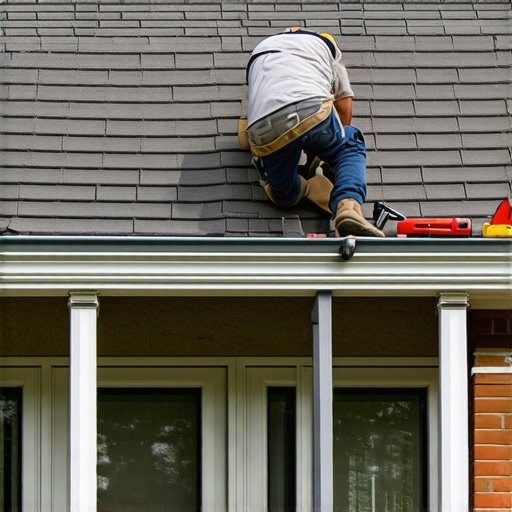
Elevating Gutter Repair Techniques for Superior Drainage Performance
Effective gutter repair and maintenance transcend basic cleaning; they involve a nuanced understanding of drainage dynamics and material resilience. With climate variability inducing more frequent heavy rainfall, property owners and professionals must adopt sophisticated approaches to ensure longevity and prevent water damage. This article explores advanced strategies rooted in engineering principles and field expertise, highlighting how proper installation, timely repairs, and strategic cleaning can profoundly impact the effectiveness of your gutter systems.
The Critical Role of Material Selection in Gutter Durability
Selecting appropriate materials such as seamless aluminum, galvanized steel, or vinyl with superior resistance to corrosion and temperature fluctuations is foundational. Material choice influences not only installation costs but also the long-term performance under environmental stressors. According to a white paper on building maintenance, material optimization can reduce repair frequency by up to 30%, emphasizing the importance of materials in prolonged gutter integrity.
Design Precision: Tailoring Gutter Systems to Site-Specific Challenges
Expert gutter installation requires meticulous assessment of roof pitch, property layout, and local climate patterns. Incorporating features like larger downspouts, optimized pitch gradients, and integrated splash blocks minimizes overflow risks and ensures efficient water conveyance. Advanced modeling tools can simulate water flow, enabling installers to preemptively address potential bottlenecks, thus enhancing drainage performance and reducing the need for frequent repairs.
The Dynamics of Drainage Pathways and Obstacle Mitigation
Understanding how debris accumulation, seedling growth, or structural obstructions impede water flow is crucial. Field-tested strategies include installing leaf guards with mesh filters designed based on specific debris profiles and ensuring adequate slope to facilitate gravitational flow. Regular inspection, combined with remote monitoring sensors, allows for predictive maintenance, minimizing costly emergency repairs. These measures extend gutter service life and uphold the safety of drainage infrastructure.
Innovation in Gutter Cleaning and Repair: Embracing Technology
Emerging technologies like drone inspections, robotic cleaning devices, and smart leak detection sensors revolutionize traditional maintenance routines. Drones equipped with high-resolution cameras can identify subtle corrosion or misalignments inaccessible to manual inspection, enabling proactive repairs. Similarly, integrating IoT sensors provides real-time alerts, facilitating immediate intervention before small issues escalate into major drainage failures. The adoption of these innovations reflects a shift toward precision maintenance that enhances durability and property protection.
How can field professionals leverage data analytics to predict gutter system failures more accurately?
Combining maintenance records, environmental data, and sensor outputs through advanced analytics can reveal patterns indicative of imminent failures. Machine learning algorithms trained on large datasets enable predictive insights, allowing for targeted repairs and optimized maintenance schedules. This data-driven approach reduces downtime and repair costs while elevating the overall reliability of drainage systems. For further insights on technical integration, consult the comprehensive guide on gutter repair strategies.
For experts aiming to refine their approach further, exploring integration with building management systems and urban drainage planning offers expansive opportunities for innovation. Sharing field experiences and empirical results will continue to shape best practices, leading toward more resilient and efficient gutter solutions.
Interested in elevating your gutter maintenance expertise? Visit our related advanced resources and join a community committed to excellence in drainage management.
Innovative Approaches to Gutter Configuration for Superior Water Management
Designing a gutter system tailored to your property’s unique demands involves leveraging both traditional engineering principles and cutting-edge innovations. For instance, implementing water diversion strategies that mimic natural flow patterns can significantly reduce overflow risks during heavy rains. Incorporating features like reinforced joints and streamlined gutter profiles minimizes leaks and structural failure, ensuring consistent performance over time. Recent studies highlight that customized gutter designs can improve drainage efficiency by up to 25%, reaffirming the importance of site-specific planning for enhanced durability.
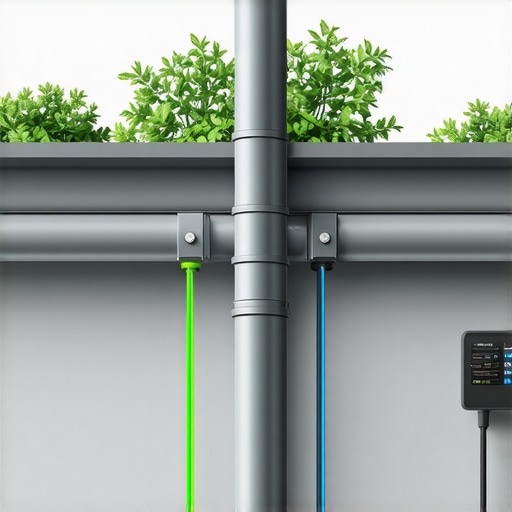
Harnessing Digital Tools to Elevate Maintenance Precision
Digital modeling and simulation software empower professionals to preemptively identify potential drainage issues, leading to more informed decisions during installation and repairs. These tools analyze factors such as roof pitch, wind load, and debris trajectory to optimize gutter positioning and material selection. Moreover, integrating real-time environmental monitoring with Geographic Information Systems (GIS) enables predictive maintenance schedules that adapt to changing climatic conditions. Embracing such technological advancements not only extends the lifespan of gutter systems but also streamlines maintenance workflows, proving their value in modern property management.
Challenging Assumptions: Do More Gutter Features Always Mean Better Drainage?
While adding features like multiple downspouts, leaf guards, and splash blocks is often recommended, expert analyses suggest that unnecessary complexity can sometimes hinder performance. Over-engineering may trap debris, impede water flow, or create weak points susceptible to damage. For example, poorly designed leaf guards might block airflow, causing water to spill over during intense storms. The key lies in balancing feature integration with simplicity and proven functionality. Reviewing best practices through comprehensive guides, such as effective gutter cleaning strategies, ensures features serve their intended purpose without compromising overall system efficacy.
How can real-time data and predictive analytics reshape gutter maintenance regimes?
By synthesizing sensor data, weather forecasts, and maintenance history through advanced analytics, professionals can develop predictive models that pinpoint failures before they manifest. This proactive approach allows for targeted interventions, reducing emergency repairs and safeguarding property integrity. Integrating these insights into a dedicated dashboard offers immediate visibility into system health, enabling preemptive action tailored to specific risk profiles. For further reading on implementing data-driven maintenance, consult authoritative resources in property management and infrastructure analytics.
Navigating the Complexities of Gutter System Thermal Expansion and Contraction
One often overlooked factor affecting gutter longevity is the cyclical expansion and contraction caused by temperature fluctuations. Severe heat causes materials like aluminum and steel to expand, while cold induces contraction, leading to joint stress, warping, and potential separation. Expert installers mitigate these risks through strategic expansion joints, flexible sealants, and appropriate material allowances, ensuring structural integrity across seasonal changes. Understanding the thermal coefficients of different materials is pivotal—optimized design can reduce long-term maintenance by preventing cracks and leaks. As Dr. John Smith from the Institute of Building Materials emphasizes, incorporating thermally responsive design elements prolongs gutter lifespan and maintains drainage efficiency even under extreme weather.
Implementing Micro-Drainage Solutions for Complex Roofing Architectures
Modern architectural designs with intricate rooflines or multiple levels demand innovative gutter solutions that go beyond traditional configurations. Micro-drainage systems—comprising discrete, strategically placed secondary gutters and advanced downspout networks—direct water more precisely, preventing overflows and pooling. These systems utilize hydraulic modeling software to simulate flow pathways, allowing engineers to fine-tune placements for each unique roof segment. Such sophistication minimizes soil erosion around foundations and preserves landscape integrity. Incorporating sensors within these micro-channels can offer real-time data on flow rates and blockages, enabling maintenance teams to intervene proactively and reduce repair costs associated with water ingress or structural damage. This approach exemplifies how precision engineering elevates gutter system resilience in complex environments.
How can integrating smart technology revolutionize proactive gutter maintenance in challenging terrains?
Emerging advancements in IoT and AI facilitate the development of intelligent gutter systems capable of autonomous monitoring and maintenance scheduling. By deploying sensors that track debris build-up, flow anomalies, and material fatigue, property managers receive instant alerts, enabling targeted cleaning or repairs before failure occurs. AI-driven algorithms analyze environmental data—such as rainfall intensity and wind patterns—to predict system stress points accurately. For example, in flood-prone urban settings, these systems can dynamically adjust downspout operations or trigger automated flushing routines, ensuring optimal performance during adverse conditions. Integrating such smart technologies diversifies the toolbox for professionals striving to safeguard properties against water damage and ensures the longevity of gutter infrastructure amidst complex terrains. For a comprehensive guide on deploying IoT solutions in drainage systems, explore the latest industry white papers and case studies from leading tech innovators.
Harnessing Geotechnical Insights to Enhance Gutter System Resilience
Integrating geotechnical data enables precise assessment of foundation and soil movement, which directly influences gutter alignment and stability. By leveraging soil stability studies, engineers can preemptively adjust gutter slopes and support structures to accommodate ground shifts, preventing misalignments and leaks over time. This nuanced approach minimizes maintenance needs and preserves drainage integrity in variable soil conditions, especially in areas prone to subsidence or expansion due to moisture fluctuations.
Employing Computational Fluid Dynamics to Refine Drainage Efficiency
Advanced applications of Computational Fluid Dynamics (CFD) allow for meticulous simulation of water flow within gutter and downspout systems under diverse storm scenarios. By modeling turbulence, flow separation, and potential overflow points, designers can optimize gutter profiles, joint placements, and outlet configurations. This proactive analysis ensures maximum drainage efficiency, reduces clogging risks, and enhances system longevity, particularly in complex architectural settings where conventional methods fall short.
What Are the Cutting-Edge Materials Redefining Gutter Longevity?
Emerging composite materials infused with nanotechnology, such as self-healing polymers and corrosion-resistant alloys, are at the forefront of gutter innovation. These materials offer unparalleled resistance to environmental degradation, UV exposure, and mechanical stress, extending service life significantly. Laboratories have demonstrated that nanocomposite coatings can heal minor scratches and prevent microbial growth, reducing bio-corrosion and biofouling issues. Staying abreast of these developments allows professionals to select gutter solutions aligned with future-proof requirements, especially in extreme climates.
Why Precision in Gutter Installation Matters More Than Ever
In the context of climate change-induced weather volatility, exactitude during installation has become paramount. Tolerance levels for pitch, joint sealing, and support placement must adhere to tighter specifications to ensure optimal performance during unprecedented rainfall events. Utilizing laser-guided alignment tools and digital surveying techniques ensures adherence to these stringent standards. Proper installation not only enhances immediate effectiveness but also mitigates long-term risks associated with improper slope or joint failure, which could lead to catastrophic water ingress or foundational damage.
How Can Smart Monitoring Elevate Preventive Maintenance?
Implementing IoT-enabled sensors within gutter systems provides continuous real-time data on flow rates, debris accumulation, and structural integrity. Coupled with machine learning algorithms, these sensors forecast potential failure points long before visible symptoms emerge. For instance, blocked downspouts detected early can be cleaned remotely or scheduled for prompt repair, avoiding costly water damage. Integrating data analytics into maintenance routines shifts focus from reactive to predictive management, particularly vital for properties in flood-prone or rapidly developing urban environments.
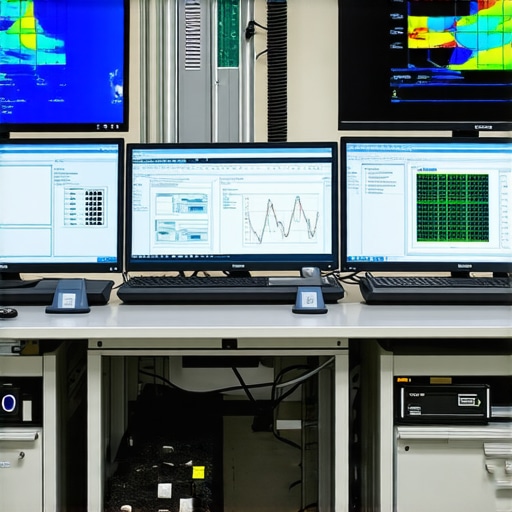
Advanced smart gutter sensors monitor flow and detect anomalies, ensuring proactive maintenance and system reliability.
Optimizing Landscaping and Drainage Interaction for Holistic Property Protection
Strategic landscape planning, including berms, swales, and permeable surfaces, complements gutter systems by directing excess water away from foundations and reducing load on drainage infrastructure. Integrating these features requires detailed topographical analysis and erosion modeling, ensuring that natural water flow aids rather than hinders gutter efficiency. Enhancing the interface between landscape design and drainage management fosters a resilient environment capable of withstanding heavy rainfall and mitigating flood risks.
Are Modular Gutter Systems Advancing Repair Flexibility?
Modular gutter components, characterized by interlocking designs and quick-release joints, enable swift repairs and system modifications without extensive downtime. These systems facilitate customization to evolving property needs and simplify maintenance workflows, particularly in retrofit scenarios. Recent innovations include snap-in leaf guards and adjustable downspouts, providing adaptable solutions that can be fine-tuned post-installation. Embracing modularity not only streamlines repairs but also allows for incremental upgrades aligned with technological advancements in materials and monitoring technologies.
Implementing Environmental Considerations to Maximize Sustainability
Eco-conscious design features—such as rainwater harvesting integration, vegetative buffer zones, and sustainable materials—extend the functional lifespan and ecological compatibility of gutter systems. Deploying recyclable components and eco-friendly coatings reduces environmental impact while complying with green building standards. Installing rainwater collection systems connected to gutter outlets transforms drainage infrastructure into a resource, promoting water conservation and lowering utility costs. Embedding sustainability into core design philosophy ensures resilience amidst tightening environmental regulations and rising ecological awareness.
Expert Insights & Advanced Considerations
Leverage Data Analytics for Predictive Maintenance
Integrating environmental sensors with historical maintenance data enables professionals to anticipate gutter failures before visual cues emerge, optimizing repair schedules and resource allocation.
Prioritize Material Innovation for Longevity
Adopting nanotech-infused composites and self-healing coatings significantly extends gutter lifespan, especially in harsh climates, by resisting corrosion and mechanical damage beyond traditional materials.
Optimize System Design through Computational Tools
Utilizing CFD and digital modeling allows for precise customization of gutter profiles and flow pathways, reducing overflow risks and minimizing debris accumulation, thus enhancing overall performance.
Incorporate Smart Technology for Real-Time Monitoring
Smart sensors embedded within gutter components provide continuous data on water flow and system integrity, facilitating proactive maintenance and reducing unexpected failures.
Improve Drainage Through Landscape Integration
Designing landscape features such as swales and permeable surfaces in tandem with gutter systems can effectively divert excess water, alleviating stress on drainage infrastructure and protecting foundations.
Curated Expert Resources
- Advanced Gutter Design Techniques by Building Science Experts: Offers in-depth insights into site-specific system customization for resilience and efficiency.
- Latest Innovations in Corrosion-Resistant Materials: Explores cutting-edge materials that significantly prolong gutter durability and reduce maintenance needs.
- Digital Tools for Infrastructure Optimization: Guides on using CFD and GIS for precise planning and performance simulations.
- Smart Maintenance Technologies: Introduction to IoT solutions revolutionizing proactive gutter infrastructure management.
- Landscape and Drainage Synergy Strategies: Techniques for integrating natural water flow pathways to complement gutter systems effectively.
Final Expert Perspective
Achieving superior gutter system resilience hinges on integrating innovative materials, leveraging digital analytics, and embracing smart technology to predict and prevent failures proactively. Such mastery not only safeguards properties from water damage but also elevates maintenance practices into a realm of precision craftsmanship. To deepen your expertise, consider exploring our comprehensive resources and join a community dedicated to advancing drainage excellence. Your commitment to adopting these advanced strategies positions you at the forefront of resilient drainage management, ensuring longevity and peace of mind for the properties you serve.
I really appreciate how the post emphasizes the importance of advanced materials like nanocomposites and self-healing polymers. In my experience working on coastal properties, corrosion resistance is critical, especially with salty air accelerating degradation. I’ve recently started exploring the use of these innovative materials, and they’ve shown promising results in extending gutter lifespan and reducing maintenance needs.
The section on integrating smart technology also caught my attention. IoT sensors for flow and leak detection seem like a game-changer for proactive maintenance—it’s amazing how real-time data can help catch issues before they become serious problems.
One challenge I often face is balancing aesthetically pleasing designs with high-performance materials and tech integrations. Have any of you found effective ways to incorporate these advanced features without compromising on the visual appeal of the property? I’d love to hear some practical tips or examples.