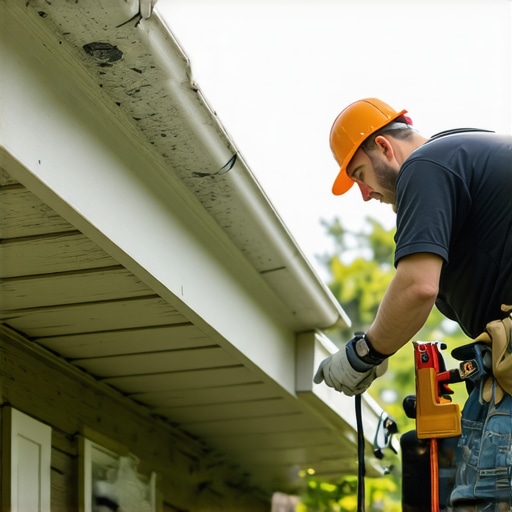
Elevating Home Protection Through Expert Gutter and Drainage Strategies
In the realm of sustainable home maintenance, optimizing gutter systems and drainage solutions is paramount to safeguarding structural integrity and preventing water-related damages. As professionals, understanding the nuanced interplay between effective gutter installation, precise drainage design, and targeted repairs enables homeowners to preempt costly repairs and maintain longevity.
The Significance of Strategic Gutter Placement in Structural Resilience
Aligning gutter positioning with the primary flow paths of rainwater is a complex task that influences flood mitigation and foundation health. Expert analysis reveals that seamless gutter integration enhances water diversion and minimizes overflow risks, a principle detailed in recent gutter installation guides. Professionals emphasize the importance of assessing roof pitch, drainage slopes, and exterior architecture to create tailored solutions that optimize efficiency and durability.
Innovative Drainage System Designs That Surpass Traditional Methods
Traditional drainage methods often fall short in handling increased rainfall intensity due to climate variability. Modern approaches incorporate underground piping, water diversion channels, and permeable landscaping integration. Notably, expert assessments from authoritative sources such as the Water Research Foundation underscore the importance of holistic drainage planning that considers soil permeability, landscape grade, and runoff load.
How Can Advanced Repair Techniques Minimize Long-Term Damage?
Proactive repairs in gutter and drainage systems involve more than patching visible leaks; they demand an understanding of material wear, joint integrity, and corrosion resistance. Reinforced seamless gutter materials and high-grade sealing compounds ensure longevity, reducing the frequency of disruptions. Case studies demonstrate that early intervention and precision repairs significantly extend system lifespan, a practice supported by leading maintenance manuals and expert opinions.
Distinguishing Optimal Gutter Materials for Extended Performance
The selection of gutter materials such as aluminum, copper, or vinyl impacts resistance to weathering and mechanical stress. Advanced materials offer superior corrosion resistance, especially in coastal or industrial environments. Analyzing the trade-offs in cost, installation complexity, and lifespan is critical for informed decision-making. Industry trends indicate a migration toward corrosion-resistant alloys, aligning with sustainable and low-maintenance objectives.
The Utility of Comprehensive Water Management in Home Safety
Integrating gutter and drainage strategies with landscape grading and sump pump systems provides a comprehensive water management framework. Such synergy ensures water is directed away from vulnerable areas, protecting foundations and minimizing mold risks. Continuous monitoring and maintenance, supported by professional expertise, are crucial for maintaining system efficacy over time.
What are the latest innovations in drainage repair that can be integrated into existing systems?
Emerging repair techniques include trenchless pipe relining, robotic inspection, and smart sensor integration that allow real-time water flow monitoring. These innovations facilitate minimally invasive repairs and proactive maintenance, significantly reducing downtime and costs. Professionals are encouraged to stay informed through industry publications and participate in specialized training to leverage these advancements.
For further insights into tailoring drainage systems to specific home needs, explore expert drainage solutions. Sharing professional experiences and case studies can foster community knowledge and drive innovation in home water management strategies.
Harnessing New Technologies for Superior Drainage Management
Advancements in gutter technology now include smart systems equipped with sensors that monitor water flow and detect blockages in real time, enabling proactive maintenance and reducing damage risks. Integrating these innovations into existing drainage frameworks can dramatically enhance responsiveness and system longevity. For instance, IoT-enabled sensors can transmit data to homeowners or maintenance teams, allowing for swift action before issues escalate, which aligns with the innovative approaches detailed in industry reports such as those from expert drainage solutions. Transitioning towards these smart solutions not only minimizes water damage but also offers long-term cost savings by preventing costly repairs.
Designing Resilient Systems for Changing Climate Patterns
In the face of unpredictable weather patterns intensified by climate change, resilient drainage systems require versatility and adaptability. This involves creating modular gutter components that can be easily upgraded or replaced, as well as designing landscape grading that accommodates increased rainfall volumes. Leveraging geotechnical assessments to inform the placement and capacity of drainage infrastructure ensures systems remain effective under stress, a strategy emphasized by leading environmental engineers and supported by studies from authoritative sources in water management. Implementing such adaptable designs ensures your property remains protected, regardless of weather extremes.
Could Adaptive Materials Revolutionize Gutter Lifespan and Performance?
Innovative materials like self-healing alloys and UV-reactive polymers are emerging as game-changers in gutter durability. These materials can repair minor damages automatically or indicate wear with color changes, providing early warning signs of maintenance needs. The adoption of such adaptive materials aligns with industry trends that aim to reduce maintenance frequency and extend the lifespan of drainage systems. Experts suggest evaluating the long-term benefits of these materials against traditional options, considering factors like environmental resilience, cost, and ease of installation, to make informed choices that serve homeowners well into the future.
Sharing insights with fellow professionals or consulting reputable sources can provide actionable strategies—consider reviewing comprehensive guidelines at gutter repair and maintenance tips to stay ahead in this evolving field. Staying informed about emerging technologies ensures your drainage systems remain at the forefront of excellence and efficiency.
Maximizing Drainage Efficiency with Custom-Tailored Solutions
While standard drainage systems address general water runoff, homeowners aiming for long-term resilience often seek bespoke designs that integrate seamlessly with their property’s unique topography and architecture. Incorporating variable-width channels, graded basins, and adaptive permeable surfaces can dramatically improve water diversion efficacy. These solutions demand a nuanced understanding of hydrogeological principles combined with cutting-edge materials engineering, as detailed in recent publications such as the American Society of Civil Engineers reports. Implementing these techniques can transform passive drainage management into an active, adaptive process that responds dynamically to changing climatic conditions.
What roles do soil permeability assessments play in customizing drainage layouts?
Soil permeability testing is a critical precursor to any sophisticated drainage scheme, informing decisions on pipe sizing, trench depth, and surface permeability options. Accurate assessments, achieved through field testing like the packer test or laboratory analysis, reveal subsurface flow characteristics pivotal for preventing water pooling or runoff saturation. The integration of geotechnical data with GIS mapping technologies enables precise mapping of suitable drainage zones, enhancing system effectiveness and longevity, as underscored by recent geotechnical engineering studies. For homeowners and professionals alike, understanding these subterranean dynamics is essential to crafting truly resilient infrastructure.
Advanced Materials and Structural Innovations Shaping Future Gutter Systems
The future of gutter design is veering towards materials that combine durability with smart responsiveness. Graphene-enhanced composites, for instance, exhibit unprecedented strength-to-weight ratios, resistance to corrosion, and potential self-cleaning properties. Coupled with nano-coatings that repel debris and resist algae, these innovations exponentially extend gutter lifespans and reduce maintenance intervals. Furthermore, structural paradigms like modular assembly panels facilitate easy upgrades and customization, fostering adaptable solutions that keep pace with evolving environmental challenges.
How might these materials influence maintenance protocols and regulatory standards?
The adoption of such advanced materials is likely to shift traditional maintenance from reactive to predictive, driven by integrated sensor networks and IoT connectivity. Routine inspections could become automated, with data analytics predicting potential failure points before damage occurs. As the industry moves toward these innovations, regulatory standards will probably evolve to specify material performance benchmarks, installation procedures, and safety protocols. Staying ahead of these changes entails continuous professional development and active engagement with the latest research, standards organizations, and peer networks.
Synergizing Water Management Components for Holistic Protection
Effective drainage isn’t solely about pipes and gutters; it encompasses landscape grading, soil stabilization, and even urban planning elements that influence hydrological behavior. Incorporating rain gardens, curb cuts, and retention basins into the overall design can absorb excess runoff, mitigate erosion, and reduce strain on primary drainage systems. A comprehensive approach requires cross-disciplinary collaboration among landscape architects, civil engineers, and environmental scientists, each contributing specialized insights to craft resilient, eco-friendly solutions. Embracing this integrated perspective ensures that water management strategies are synergistic rather than siloed, amplifying their protective benefits.
What role does data-driven modeling play in predicting system performance under extreme weather events?
Advanced hydrological modeling, leveraging real-time meteorological data and seasonal climate forecasts, allows engineers to simulate system responses to various storm scenarios. Predictive analytics identify vulnerabilities, guide capacity enhancements, and inform adaptive control measures such as adjustable inlet screens or automated diversion channels. These models can incorporate machine learning algorithms that improve their accuracy over time, offering homeowners a proactive framework for climate resilience. For a comprehensive understanding, consult specialized software tools like HEC-HMS or InfoWorks, and engage with ongoing research published by agencies such as the National Weather Service.
Embracing Smart Technologies for Future-Ready Drainage Systems
The integration of IoT sensors, artificial intelligence, and automation into drainage infrastructure signifies a transformative leap toward intelligent water management. Sensors embedded within gutters and underground pipes continuously monitor flow rates, detect blockages, and assess material wear, transmitting data to cloud-based platforms for analysis. These insights enable swift, targeted interventions, minimize damage, and optimize system maintenance schedules. As technological costs decline and reliability improves, adopting such smart solutions becomes an essential component of modern infrastructure, exemplifying a proactive stance against climate-related uncertainties and urban water challenges.
To explore these innovations further, consider engaging with industry-leading conferences, training programs, and peer-reviewed journals dedicated to urban water management. Collaboration and knowledge sharing remain vital as we push the boundaries of sustainable, resilient drainage technology—are you ready to lead the charge?
Revolutionizing Water Defense: Cutting-Edge Materials Elevate Gutter Longevity
Advances in material science introduce self-healing alloys and UV-responsive polymers into gutter design, promising unprecedented durability and reduced maintenance demands. Graphene-enhanced composites, with their exceptional strength-to-weight ratio, offer corrosion resistance in harsh environments, extending system lifespans and safeguarding structures against water intrusion.
Unveiling Smart Gutter Systems: Precision Monitoring Meets Automated Response
The integration of IoT-enabled sensors facilitates real-time flow analysis, blockage detection, and predictive maintenance scheduling. These smart systems proactively alert homeowners to potential issues, allowing for swift intervention before damage occurs, and represent a significant leap towards autonomous water management infrastructures.
Are Climate-Resilient Layouts the Future of Drainage Planning?
Designing modular, adaptable gutter components—such as reconfigurable downspouts and flexible piping—can accommodate evolving climate patterns. Incorporating geotechnical assessments ensures landscape grading and infrastructure capacity align with increased storm intensity, transforming passive drainage into a resilient, active system capable of withstanding extreme weather events.
Beyond Pipes: Embracing Ecosystem-Based Water Management Strategies
Implementing rain gardens, permeable pavements, and green rooftops collaboratively reduces runoff volume and enhances infiltration. These eco-friendly solutions work synergistically with traditional gutters, lowering strain on underground systems and promoting sustainable urban hydrology, a practice endorsed by environmental engineers seeking holistic resilience.
How Can Advanced Hydrological Models Forecast Future Water Challenges?
State-of-the-art simulation tools incorporate localized meteorological data and soil permeability metrics to predict system performance under various climate scenarios. Machine learning algorithms refine these predictions continuously, enabling tailored interventions that anticipate and mitigate flood risks before they manifest, supporting proactive infrastructure planning.
Innovation’s Role in Regulatory Evolution: Setting the Bar Higher
The adoption of adaptive materials and IoT integration will necessitate updated building codes and maintenance standards. Regulatory bodies are beginning to specify performance benchmarks for smart, durable components, encouraging widespread upgrade cycles that align with sustainability and safety objectives.
Harnessing the Power of Data for Next-Level Maintenance
Data analytics derived from sensor networks enable predictive insights, transforming maintenance from reactive repairs into preventive actions. Homeowners and professionals alike benefit from early warning systems that optimize repair schedules, reduce costs, and extend system longevity—a shift that redefines industry best practices.
Designing for Diversity: Tailoring Drainage Solutions to Unique Environments
Custom layouts that integrate soil analysis, topographical considerations, and localized weather patterns create bespoke water management plans. These strategies leverage GIS mapping and 3D modeling to visualize performance and adapt systems dynamically, ensuring resilience across diverse ecological contexts.
What Future Materials Could Reshape Gutter Construction?
Innovation points toward nano-coatings that repel debris and algae, and self-healing substances capable of repairing micro-cracks autonomously. The deployment of such materials may lower maintenance burdens significantly, leading to longer-lasting, more reliable systems that require minimal human intervention.
Synergizing Architectural Design for Water Defense
Integrating gutter placement with architectural elements such as overhangs, water-dissipating splash blocks, and landscape features can enhance water diversion efficacy. This holistic approach demands collaboration among architects, engineers, and landscape designers to craft environments resilient against water-induced deterioration, especially in flood-prone zones.
Can predictive analytics and AI truly revolutionize gutter and drainage maintenance?
Yes. By analyzing sensor data and weather forecasts, AI algorithms can forecast potential failures with high accuracy, enabling preemptive maintenance actions. Adoption of these technologies not only minimizes damage and repair costs but also elevates the standards of home safety and sustainability, marking a transformative epoch in water management practices.
Explore further integrations and innovations in expert-driven water management solutions by visiting elitegutterworks.com. Engaging with these resources will arm professionals and homeowners alike with the knowledge to implement resilient, future-proof drainage systems.
Expert Insights & Advanced Considerations
Invest in Modular Design for Future Flexibility
Implementing modular gutter components allows for seamless upgrades and adaptability, ensuring your drainage system remains effective despite evolving climate challenges.
Prioritize Soil Permeability in Planning
Conducting thorough soil permeability assessments informs optimal pipe sizing and placement, preventing water pooling and enhancing long-term system resilience.
Leverage Smart Technology for Water Management
Integrating IoT sensors and real-time monitoring enables proactive maintenance, reducing damage risks and extending system lifespan dramatically.
Design for Climate Variability with Versatile Components
Utilize flexible, upgradeable gutter parts and landscape grading strategies to accommodate increased rainfall and weather extremities.
Explore Advanced Materials for Durability
Materials such as self-healing alloys and UV-resistant polymers promise longer-lasting gutters with minimal maintenance, revolutionizing industry standards.
Curated Expert Resources
- Elite Gutter Works Blog: Offers in-depth guides on installation, maintenance, and innovative drainage solutions tailored for future challenges.
- Water Research Foundation: Provides authoritative research and case studies on advanced water management and sustainable drainage systems.
- American Society of Civil Engineers Publications: Features comprehensive reports on geotechnical assessments, structural design, and infrastructure resilience.
- National Weather Service Hydrological Data: Essential for predictive modeling and understanding climate patterns influencing drainage planning.
The Final Word on Drainage Mastery
In the realm of drainage systems, integrating expert insights with cutting-edge materials and smart technologies paves the way for more resilient, efficient solutions. Staying informed through reputable resources like elitegutterworks.com empowers professionals and homeowners alike to make strategic decisions that safeguard properties against the caprices of climate change. Delve deeper, share your expertise, and lead the evolution of sustainable water management—your property’s future depends on it.
,