Mastering the Nuances of Gutter Installation for Long-Term Drainage Efficiency
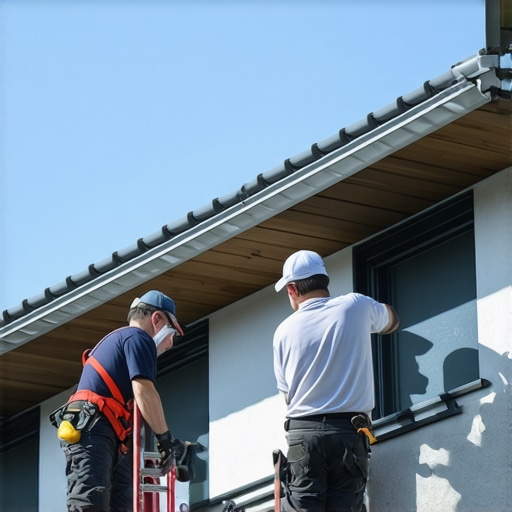
Effective gutter installation transcends mere placement; it requires a comprehensive understanding of local climate variables, building architecture, and water flow dynamics. An optimal gutter system unites material selection, slope engineering, and seamless integration with drainage solutions to ensure minimal water intrusion and structural integrity. Professionally tailored installations often incorporate advanced techniques such as concealed hangers and corrosion-resistant alloys, elevating durability and performance.
Integrating Drainage Systems with Gutter Repairs to Prevent Water-Related Damage
Proactive drainage management involves regular gutter repairs augmented by sophisticated water diversion strategies. Addressing issues like joint sealant degradation or sagging gutters with precision enhances water flow, preventing overflow and foundation erosion. Incorporating underground drainage networks and splash blocks can further direct runoff away from vulnerable areas, emphasizing the importance of holistic system maintenance supported by expert [drainage gutter cleaning](https://elitegutterworks.com/reliable-drainage-gutter-cleaning-tips-to-protect-your-home-today-1647) practices.
Complex Questions in Gutter Maintenance: How Do Material Choices Influence Repair Strategies?
Selecting between aluminum, vinyl, or copper gutters presents trade-offs impacting repair approaches and system longevity. Aluminum offers corrosion resistance but may dent under impact, necessitating reinforcement techniques. Copper provides aesthetic appeal and exceptional durability but requires specialized soldering during repairs. Understanding these material-specific nuances informs preventative maintenance schedules and repair methodologies, contributing to the overall reliability of the drainage system.
Leveraging Innovative Drainage Solutions to Enhance Gutter System Performance
Emerging technologies in water management, including green roof integrations and permeable pavement collaborations, complement traditional gutter systems. These solutions reduce runoff volume and mitigate pressure on downspouts, especially in high rainfall zones. Consulting authoritative sources such as the [2025 water management advancements](https://elitegutterworks.com/drainage-system-solutions-effective-ways-to-prevent-water-damage-in-2025) report can guide practitioners toward adopting innovative strategies aligned with environmental sustainability and property protection goals.
What are the key considerations when customizing gutter systems for irregular roof geometries to ensure optimal drainage?
Adapting gutter installations to complex roof shapes involves precise measurement, custom hanger placement, and angled downspout configuration to prevent pooling and overflow. Employing modular components and flexible brackets allows for seamless adaptation without compromising system integrity. Detailed site assessments and professional design input are crucial to deploying these tailored solutions effectively.
Enhance your expertise and stay ahead in the drainage and gutter installation field by exploring comprehensive guides like [Effective Drainage System Solutions](https://elitegutterworks.com/drainage-system-solutions-effective-ways-to-prevent-water-damage-in-2025). Contribute your insights or seek advanced consultation to refine your project outcomes.
,
Beyond Basic Installation: Embracing Advanced Gutter Strategies for Lasting Performance
Ensuring your gutter system remains effective over decades requires more than standard installation practices. Embracing innovative methods such as incorporating seamless gutter designs and applying protective coatings significantly reduces maintenance needs and extends lifespan. Advanced materials like polymer composites or stainless steel alloys offer superior resistance to corrosion and physical impact, making them ideal choices for harsh environments. Moreover, integrating custom fascia brackets and sway-resistant hangers guarantees stability even during severe weather events, safeguarding your property’s foundation and landscaping.
Synergizing Gutter Repairs with Modern Water Management Systems
Holistic water management involves blending timely gutter repairs with smart drainage infrastructure. Implementing programmable rain sensors linked to automated drainage activation can preempt potential overflow issues, especially during unexpected downpours. Additionally, installing modular downspout extensions and catch basins allows for flexible rerouting of water flow, reducing soil erosion and basement flooding risks. Regular inspection schedules, supported by expert gutter repairs and maintenance strategies, ensure system resilience against evolving weather patterns and structural shifts.
Material Dilemma or Strategic Choice Drilling Down on Gutter Materials
When selecting gutters, many homeowners face the dilemma of choosing between vinyl, aluminum, or copper. Each material affects repair strategies uniquely; for example, vinyl’s affordability makes it appealing but prone to brittleness in cold climates, necessitating frequent replacements or reinforcement. Aluminum’s lightweight and corrosion-resistant qualities facilitate easier repairs, while copper, with its premium aesthetic, demands specialized soldering techniques during patching or sealing. Understanding the specific behavior of these materials in various environmental conditions informs actionable maintenance schedules and tailored repair protocols, reinforcing overall system durability. For comprehensive insights, consult the authoritative expert guides on gutter installation and repairs.
How Can Adaptive Design Approaches Transform Gutter Systems for Complex Rooftop Architectures?
Adapting gutter systems to intricate roof geometries involves detailed planning and flexible design elements. Techniques such as modular gutter segments, adjustable brackets, and custom-fitted downspouts enable precise water channeling, reducing overflow and stagnation. Employing 3D modeling software for simulation helps anticipate water flow patterns, allowing engineers to optimize slope angles and component placement pre-installation. These adaptive strategies not only improve drainage efficiency but also minimize future repair needs, ultimately preserving structural integrity. For further proficiency, explore resources like the comprehensive guides on gutter installation techniques.
Designing Gutter Architectures That Harmonize with Irregular Roof Geometries
In the realm of advanced gutter engineering, customizing solutions for complex roof structures demands a nuanced understanding of architectural intricacies. Incorporating adaptive fixtures like articulating brackets and telescoping downspouts ensures seamless water conveyance without compromising aesthetic integrity. Employing computer-aided design (CAD) simulations to model realistic water flow patterns pre-installation enables technicians to preempt potential bottlenecks or overflow zones, significantly reducing on-site modifications and associated costs. It’s crucial for specialists to consider material flexibilities and connection tolerances, particularly when aligning with unique roof pitches or multiple layers, to guarantee uninterrupted drainage pathways. For those seeking to elevate their expertise, consulting comprehensive industry reports such as the “Innovations in Adaptive Gutter Design” from the Journal of Water Resource Engineering provides valuable insights into cutting-edge solutions for bespoke architectural challenges.
Harnessing Advanced Materials to Elevate Gutter System Resilience and Longevity
The ongoing evolution in material science offers formidable options beyond traditional galvanized steel or vinyl. Polymer composites and titanium-infused alloys now demonstrate unmatched resistance to corrosion, UV degradation, and physical impact. The application of nanotechnology coatings further augments these benefits, creating self-healing surfaces that mitigate minor damages, thus extending maintenance intervals. When integrating such materials, it’s essential to analyze compatibility with existing structural elements and evaluate environmental stressors, including salinity in coastal areas or acid rain in industrial zones. Incorporating these advanced materials might initially incur higher upfront costs; however, their durability and minimal upkeep render them cost-effective over a system’s lifespan. As highlighted in recent case studies by the American Society of Civil Engineers, strategic material selection directly correlates with substantial reductions in long-term repair expenses and operational disruptions.
Can Adaptive Gutter Configurations Significantly Reduce Water-Related Structural Risks?
Tailoring gutter systems to mitigate specific risks, such as ice dam formation or soil erosion, involves integrating innovative features like heated gutter segments or aerator-enhanced flow channels. For instance, installing heating cables within the gutter infrastructure can prevent ice buildup during harsh winters, thus maintaining continuous water flow and safeguarding roof integrity. Similarly, designing gutters with integrated splash guards and channelizers directs excess runoff away from vulnerable foundation zones, further reducing erosion and basement flooding risks. These adaptive configurations necessitate meticulous planning, including load calculations and energy considerations for active components. As highlighted in a comprehensive analysis by the National Association of Home Builders, such enhancements not only elevate safety standards but also contribute to prolonged structural stability and property value retention.
Are there effective, scalable methods to integrate smart sensor technology into existing gutter systems for real-time monitoring and maintenance alerts? Delve into emerging solutions to stay at the forefront of water management innovation.
Harnessing Cutting-Edge Materials to Boost Gutter Durability and Performance
As the demands on drainage infrastructure intensify due to climate variability and architectural complexity, the selection of innovative materials becomes paramount. Modern polymer composites infused with nanotechnology offer remarkable resistance to environmental aggressors such as UV radiation, salts, and physical impact, significantly extending gutter lifespan. For instance, titanium-infused alloys not only provide corrosion resistance but also maintain structural integrity under extreme conditions. Incorporating such materials demands an understanding of their interaction with existing building components and thoughtful integration into design specifications, ultimately reducing repair frequency and maintenance costs.
How Can Modular Design Revolutionize Gutter Adaptability on Complex Roofs?
Traditional gutters often struggle with irregular geometries, resulting in inefficient drainage and increased repair needs. Modular gutter systems employing telescoping and articulating segments facilitate customized fitting, accommodating diverse roof pitches and architectural intricacies with ease. This adaptability allows for seamless adjustments post-installation, enabling targeted repairs and system upgrades without comprehensive replacement. Utilizing advanced CAD modeling during planning stages further refines component selection, ensuring optimal water flow and minimizing overflow risks. By adopting these modular strategies, contractors can deliver resilient, tailored solutions that preemptively address potential drainage challenges.
*(Prompt: Close-up of modular gutter segments with flexible brackets and telescoping joints on complex rooftop architecture, showcasing adaptability and precision in installation.)*
Innovative Techniques for Complex Rooftop Drainage Optimization
Addressing irregular roof geometries necessitates more than standard installation practices; it calls for innovative engineering solutions. Techniques such as variable slope alignment, adjustable downspouts, and integrated splash guards help direct water efficiently, preventing stagnation and ice dam formation in colder climates. Employing 3D simulation tools enables precise visualization of water trajectories, highlighting potential stagnation points and informing design adjustments before physical deployment. Such practices not only improve immediate drainage performance but also facilitate future modifications, ensuring the system evolves with architectural changes and environmental conditions.
Can Smart Technology Elevate Gutter Maintenance to New Heights?
The integration of IoT-enabled sensors within gutter systems marks a transformative leap in proactive water management. These devices monitor flow rates, detect blockages, and alert property owners in real time, prompting timely interventions. Active systems can even initiate automatic flushing or valve adjustments, minimizing overflow and water damage risks. Considering scalability and retrofit feasibility, advances in low-power sensors and wireless communication make widespread adoption increasingly practical. Embracing smart gutter solutions positions homeowners and contractors alike at the forefront of resilient, efficient drainage management, ensuring property protection amid evolving climate challenges.
What Strategies Can Maximize the Lifespan of Gutter Components in Harsh Environments?
Extended gutter longevity hinges on strategic preventative measures and material resilience. For coastal regions or industrial zones with high salinity and pollution, selecting corrosion-resistant alloys and applying protective coatings are vital. Regular inspections coupled with proactive maintenance, such as prompt sealant repairs and debris removal, curb deterioration. Furthermore, implementing protective barrier systems—like hooded screens or guard meshes—reduces debris ingress, which can accelerate corrosion and clogging. Integrating these strategies with modern materials ensures a holistic approach to durability, effectively mitigating environmental wear and tear, and safeguarding investments over decades.
Expert Insights Elevate Drainage System Design
In the realm of advanced gutter systems, integrating cutting-edge materials like nanocoatings and titanium-infused alloys can dramatically enhance longevity, especially in harsh environments. Tailoring designs with modular components and adaptive fixtures ensures seamless fitting to complex roof geometries, reducing future maintenance needs. Proactive innovations, such as smart sensors for real-time monitoring, leapfrog traditional practices, enabling preemptive repairs and optimizing water management efficiency.
Achieving Long-Term Value with Material Optimization
Selecting corrosion-resistant and impact-proof materials not only extends gutter lifespan but also reduces operational costs. The use of polymer composites embedded with nanotechnology offers self-healing capabilities, minimizing minor damages and maintaining structural integrity over decades.
Design Flexibility for Complex Roofs
Employing adjustable brackets, telescoping segments, and CAD-informed planning allows for precise adaptation to diverse architectural styles and irregular rooflines. These strategies facilitate reliable drainage and ease future modifications, securing property safety against water damage.