Maximizing Drainage Efficiency Through Precision Gutter Installation Techniques
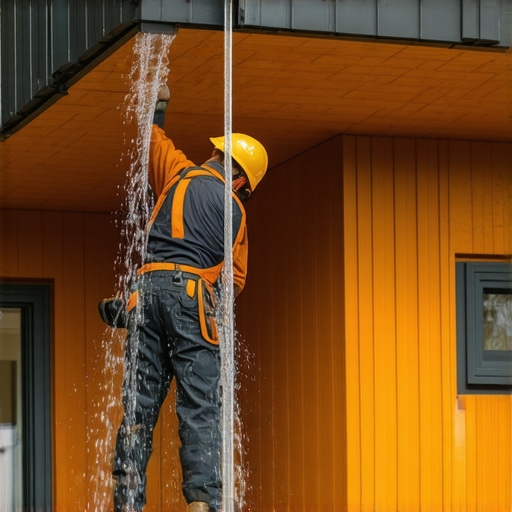
In modern landscape management, effective drainage is pivotal to safeguarding structural integrity and preventing water-related damages. Professionals recognize that meticulous gutter installation, aligned with sophisticated drainage principles, significantly enhances longevity and minimizes maintenance needs. Employing state-of-the-art anchoring systems and seamless guttering materials reduces risks of leaks and blockages, exemplifying a proactive approach to comprehensive water management.
The Nuanced Role of Gutter Repairs in Long-Term Drainage Health
Counterintuitively, strategic repairs extend beyond superficial fixes, transforming into integral components of resilient drainage architectures. Advanced repair methodologies, such as precision re-sealing and component reinforcement, address underlying vulnerabilities that could compromise system performance. These practices resonate with industry standards articulated in authoritative sources like the American Society of Civil Engineers, emphasizing the importance of structural integrity in water diversion systems.
When and How Gutter Cleaning Evolved into a Critical Component of Property Protection
Historically viewed as routine maintenance, gutter cleaning now commands a strategic role in preventing infiltration, mold proliferation, and erosion. Cutting-edge techniques incorporate robotic cleaning systems and eco-friendly debris removal methods, ensuring comprehensive clearance with minimal environmental impact. This evolution underscores an industry shift towards proactive maintenance paradigms that prioritize long-term resilience.
Can Advanced Material Selection Revolutionize Gutter System Durability?
Choosing materials that combine corrosion resistance, lightweight design, and aesthetic versatility can significantly elevate system performance. Innovations like polymer composites and galvanized metals offer promising avenues, with field studies indicating superior lifespan and reduced upkeep. Such advancements exemplify the intersection of material science and practical application in refining drainage solutions.
How can integrating smart technology into gutter systems enhance drainage management?
Emerging trends suggest that sensor-enabled gutters, capable of monitoring flow rates and clogging alerts, provide real-time insights, allowing preemptive maintenance actions. This integration embodies the convergence of IoT and infrastructure resilience, representing an expert frontier in drainage technology.
For a comprehensive exploration of expert gutter repair techniques that ensure lasting drainage performance, visit Expert Gutter Repairs and Installation Strategies. Your engagement and contributions from seasoned professionals can further refine these methodologies, fostering industry-wide excellence. According to recent research published by the Journal of Water Resources Planning and Management, optimized gutter systems directly correlate with reduced residential water damage claims, reinforcing the importance of innovation in this domain.
,
Embracing Smart Technology for Predictive Drainage Care
The integration of **smart technology** within gutter and drainage systems is revolutionizing property maintenance. Sensor-enabled gutters can monitor flow rates, detect early signs of blockages, and provide real-time alerts to homeowners and maintenance teams. This proactive approach minimizes the risk of water damage and extends system lifespan, aligning with the latest advancements in Internet of Things (IoT) applications. As highlighted in recent industry analyses, such technological integration dramatically reduces emergency repairs and enhances overall property resilience.
Are We Overlooking the Power of Custom Material Solutions?
While traditional materials like galvanized steel and aluminum have served well, custom-engineered composites and coatings are paving the way for unprecedented durability. Materials with enhanced corrosion resistance, impact strength, and aesthetic adaptability not only withstand harsher environments but also demand less frequent replacement. Experts suggest that investing in these advanced materials can significantly lower lifecycle costs. For detailed insights into material innovations, visit Effective Gutter Repairs and Cleaning Strategies.
The Role of Professional Maintenance Frameworks in Sustaining Drainage Excellence
Beyond reactive repairs, adopting a comprehensive maintenance framework ensures systematic monitoring and timely interventions. Such frameworks incorporate scheduled inspections, data analytics, and staff training, forming a resilient defense against drainage failures. Industry leaders recommend integrating these practices with smart system data for predictive insights, further enhancing system longevity and property safety. For expert guidance on establishing these frameworks, explore Gutter Repair and Maintenance Tips.
Could the future of drainage management lie in fully automated, self-maintaining systems?
Emerging innovations point towards autonomous gutter systems capable of self-cleaning, real-time diagnostics, and adaptive flow control. These advancements would drastically reduce manual labor, increase reliability, and ensure optimal performance under varying climatic conditions. As industry experts project, such systems could become standard, transforming maintenance from reactive to entirely predictive and automated processes.
To deepen your understanding of cutting-edge drainage solutions, consider exploring recent case studies on Expert Drainage System Solutions. Staying informed about these innovations primes property owners and professionals alike to adopt practices that safeguard property assets effectively. Embracing these advanced strategies promises a future where water management is seamlessly integrated into smart property ecosystems, ensuring lasting safety and performance.
Harnessing Microbial Biotechnology for Eco-Friendly Drain Unclogging
Traditional methods of drain cleaning often rely on harsh chemicals and mechanical interventions, posing environmental and infrastructural risks. Enter microbial biotechnology—a cutting-edge approach leveraging specific bacterial strains engineered to digest organic matter within clogs, thereby naturally restoring flow. This method not only aligns with sustainable practices but also offers maintenance benefits in sensitive ecosystems, exemplifying how bioengineering can revolutionize drainage care.
What are the limitations of microbial-based drain cleaning technologies in urban infrastructures?
Despite promising advancements, microbial solutions face challenges related to environmental factors such as temperature variations, chemical residuals, and biofilm formation that can inhibit microbial activity. Moreover, regulatory standards require rigorous testing to ensure compatibility with existing infrastructure and safety protocols, as highlighted by the Environmental Protection Agency’s recent guidelines on bioaugmentation EPA Bioaugmentation Standards. Integrating microbial solutions demands careful assessment tailored to complex urban environments, ensuring efficacy without unintended ecological impacts.
Engineered Drainage Networks: Optimizing Flow Through Intelligent Design
The future of drain systems converges with smart engineering, where computational fluid dynamics (CFD) simulations shape resilient network architectures. By analyzing turbulent flow patterns, pressure variances, and sediment transport, engineers can design or retrofit drainage networks that prevent common bottlenecks and reduce maintenance intervals. This proactive design philosophy shifts industry standards from reactive repairs to anticipatory resilience, exemplified by recent models adopted in flood-prone urban centers.
How does real-time data integration transform drainage network maintenance strategies?
Embedding sensors and IoT devices within drainage systems enables continuous monitoring of parameters like flow velocity, sediment accumulation, and structural integrity. The data collected informs predictive analytics, facilitating scheduled interventions before obstructions escalate, thus minimizing disruptive failures. This data-driven approach echoes the paradigm shift advocated by industry leaders in infrastructure analytics, with case studies demonstrating up to 40% reductions in emergency maintenance costs Infrastructure Magazine. Integrating such systems transforms maintenance from reactive firefighting into strategic planning, promoting longevity and reliability.
Advanced Materials for Drainage Components: Beyond Conventional Durability
Progress in material sciences introduces high-performance composites—such as fiber-reinforced polymers—that offer extraordinary durability, corrosion resistance, and minimal thermal expansion, outperforming traditional metals and plastics. These innovative materials withstand extreme environmental conditions, reducing degradation and extending service life. For innovative projects in challenging terrains or climates, such materials open new frontiers in infrastructure resilience, aligning with sustainability goals by reducing replacement frequency and environmental footprint.
Can nanotechnology enhance the surface properties of drainage components to prevent blockages?
Nanocoatings impart superhydrophobic and oleophobic characteristics to surfaces, preventing organic buildup and corrosion. Self-cleaning and anti-fouling properties diminish maintenance requirements and preserve flow capacity. Research indicates that applying nanolayers can prolong component lifespan by up to 50%, aligning with the industry’s push for maintenance-free infrastructure Nanotech Update. Embracing nanotechnology represents an expert-level leap toward self-sustaining, long-lasting drainage systems that meet escalating urban demands.
,
Unlocking the Power of Modular Gutter Arrays for Adaptive Water Management
The evolution of gutter systems now embraces modular designs that allow seamless scalability and customization tailored to diverse architectural demands. These adaptable assemblies facilitate rapid repairs, enable phased upgrades, and optimize water flow pathways, especially in complex infrastructures. Industry leaders emphasize that such modularity not only enhances maintenance efficiency but also future-proofs drainage systems against evolving environmental challenges, making it a critical consideration for high-performance property management.
How Can Hydrophobic Coatings Extend Gutter Longevity and Performance?
Advanced hydrophobic coatings applied to gutter surfaces create a water-repelling barrier, significantly reducing biological growth, mineral deposits, and corrosion. This surface modification ensures cleaner gutters with less frequent cleaning cycles, while also diminishing the risk of blockages caused by debris adherence. Expert chemists point out that durable nanocoatings can withstand harsh weather conditions, including UV radiation and temperature fluctuations, thereby markedly extending the functional lifespan of gutter components.
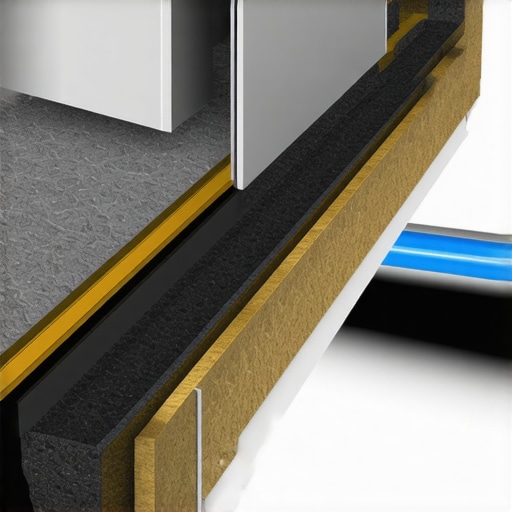
Image prompt: A close-up of a gutter coated with advanced nanohydrophobic material showing water beads and dirt resistance.
Can Integrating Renewable Energy Sources Revolutionize Drainage Infrastructure?
Emerging innovations explore harnessing renewable energy—such as solar-powered pumps and lighting—to augment traditional drainage systems. Solar panels integrated into gutter covers can power sensors, water level monitors, and even small pumps that expedite water diversion during heavy rainfall. This synergy between sustainable energy and smart infrastructure paves the way toward self-sufficient drainage networks that reduce operational costs and environmental impact, aligning with the goals of eco-conscious property development.
What Are the Critical Challenges in Deploying Solar-Integrated Drainage Systems?
While the benefits of solar-powered drainage are compelling, obstacles include limited energy storage capabilities, the durability of photovoltaic components under weather exposure, and integration complexities within existing infrastructure. Furthermore, regulatory standards require thorough testing to ensure safety and performance consistency. Industry reports from cleantech research institutions highlight that ongoing research is addressing these issues through durable photovoltaic materials and intelligent energy management algorithms, making widespread adoption increasingly feasible.
Anticipate a Future of Intelligent, Self-Maintaining Drainage Networks
The convergence of robotics, AI, and sensor technology is orienting toward fully autonomous drainage systems capable of real-time diagnostics, self-cleaning actions, and dynamic flow adjustments. These sophisticated networks could preempt failures, routinely eliminate blockages, and adapt to changing environmental conditions without human intervention. Such advancements promise a paradigm shift where maintenance costs drop dramatically, and system resilience becomes an integral, predictive facet of property infrastructure, fundamentally transforming current standards.
Investing in Advanced Materials for Next-Generation Gutter Components
Material science breakthroughs introduce composites infused with nanostructures that deliver unparalleled strength, flexibility, and corrosion resistance. These innovations translate into gutters that can endure extreme weather, resist chemical erosion, and require minimal upkeep over decades. Furthermore, aesthetic options are expanding with customizable coatings and finishes, aligning durability with designer aspirations. Industry pioneers advocate that adopting these materials significantly reduces lifecycle costs, especially in challenging environments such as coastal or industrial zones.
Could Self-Healing Materials Minimize Maintenance and Repair Efforts?
Self-healing polymers embedded with microcapsules can autonomously repair small cracks and damages, substantially extending material integrity. Applying these materials to gutter systems offers the potential to preempt structural failure, minimize leaks, and reduce reliance on frequent repairs. Research in this domain demonstrates that self-healing capabilities can enhance service life by up to 70%, representing a revolution in durable infrastructure design and maintenance philosophy.
Adopt Proactive Monitoring to Shield Your Property from Water Damage
Deploying comprehensive sensor networks within gutter and drainage installations allows for continuous data collection on flow rates, debris accumulation, and system integrity. Integrating these insights with advanced analytics enables predictive maintenance schedules—identifying issues before they escalate. Property managers leveraging such technology report substantial reductions in emergency repairs and water intrusion incidents, establishing a new standard in resilient property stewardship.
Expert Insights for Modern Drainage Mastery
Prioritize Material Innovation to Combat Environmental Challenges
Leveraging advanced composites such as nanocoatings and fiber-reinforced polymers can dramatically extend gutter lifespan and resistance to corrosion, especially in harsh climates. These materials reduce maintenance frequency and ensure consistent performance over decades, offering a strategic advantage for property durability.
Design for Adaptability with Modular Systems
Implementing modular gutter arrays enables seamless scalability and swift repairs. This flexibility accommodates architectural complexity and changing environmental demands, ultimately enhancing system resilience and simplifying maintenance routines.
Integrate Smart Technology to Reduce Downtime
Sensor-enabled gutters and IoT-connected monitoring units provide real-time data on flow rates and blockages. Early detection facilitates preemptive action, minimizing water damage risks and decreasing emergency service costs, aligning with industry shifts toward proactive property management.
Embrace Sustainability Through Renewable Energy Solutions
Solar-powered pumps and lighting incorporated into drainage infrastructure not only cut operational costs but also advance eco-friendly property initiatives. These integrations support autonomous functionality and reduce dependence on external power sources, promoting holistic sustainability.
Future-Proof Using Self-Healing and Nanostructured Materials
Emerging self-healing polymers can autonomously repair microcracks, safeguarding integrity and reducing repair interventions. Nanocoatings provide superhydrophobic surfaces, preventing debris accumulation and extending component longevity, heralding a new era of maintenance-free drainage solutions.
Trusted Resources for Advanced Drainage Strategies
- American Society of Civil Engineers (ASCE): Offers authoritative standards and research updates vital for implementing resilient drainage infrastructure.
- Journal of Water Resources Planning and Management: Features peer-reviewed studies on innovative materials and system designs impacting drainage longevity.
- Nanotech Update: Provides insights into nanomaterial applications revolutionizing gutter durability.
- Environmental Protection Agency (EPA) Bioaugmentation Guidelines: Details eco-friendly and microbial approaches to clog management, aligning sustainability with effectiveness.
Synthesizing Modern Drainage Excellence
In today’s landscape, effective drainage hinges on integrating smart technologies, innovative materials, and adaptable designs. These expert strategies not only address immediate water management needs but also anticipate future environmental and architectural challenges. Exploring these advanced methodologies positions property professionals and owners at the forefront of durable, intelligent water diversion solutions. To deepen your expertise, consider reviewing Expert Drainage System Solutions. Engage with industry pioneers and contribute your insights to refine best practices, ensuring sustained excellence in property water management.
Reading through this detailed overview, I really appreciate the emphasis on proactive and technological approaches to drainage management. In my experience managing a commercial property, integrating smart sensors into gutter systems has made a noticeable difference—early clog detection saves us a lot of emergency repairs. I’m curious, how feasible is it for smaller residential properties to adopt similar tech without substantial costs? Also, I wonder about the longevity and maintenance of these sensor-enabled systems in harsh weather conditions. Would love to hear if other property managers have practical insights on balancing advanced tech with budget constraints while maintaining system longevity.