The Hidden War Between Gravity and Your Foundation
I remember a job in the suburbs of Chicago back in the winter of 2021. The homeowner had a basement full of high-end electronics, but he’d ignored a hairline crack in his foundation for years. One Tuesday, during a rapid thaw, the exterior drainage line—a 4-inch corrugated pipe that was never properly sloped—froze solid at the exit point. The aluminum gutter installation above was doing its job, but that water had nowhere to go. It backed up, saturated the backfill zone, and the hydrostatic pressure literally punched a hole through his drywall. His smart home system didn’t say a word until his feet were wet. By 2026, we shouldn’t be living like this. Integrating your sump pump with overflow alarm installation is the final step in a total water management strategy.
The Drainage Hierarchy: Why Gutters Are Your First Line of Defense
Before we talk about sensors and Wi-Fi linkages, we have to talk about the pitch. If your seamless aluminum gutters aren’t sloped at exactly 1/4 inch for every 10 feet of run, the water sits. Standing water is the enemy. It attracts mosquitoes and, in the winter, creates a massive weight load that can rip the hanger right out of the fascia board. Water has a specific weight—roughly 8.3 pounds per gallon. During a heavy downpour, a standard 2,000-square-foot roof can shed 1,200 gallons of water an hour. If your miter joints aren’t tight and your end cap is leaking, that water is landing right next to your foundation, which is exactly where your sump pump has to work overtime to push it out.
“Downspouts shall be sized based on the rainfall intensity of the region and the roof surface area.” – International Plumbing Code, Section 1106
Hydro-zooming into the physics of this process, we look at surface tension. When water rolls off a shingle, it wants to cling to the soffit or the underside of the gutter. We use coping cap alignment and drip edges to break that tension, forcing the water into the trough. If the leader (your downspout) is clogged with organic sludge, the velocity of the water drops, and the system overflows. This is why gutter cleaning services or a high-quality gutter screen installation are not optional maintenance—they are structural insurance.
2026 Smart Home Integration: The Sump-to-Cloud Linkage
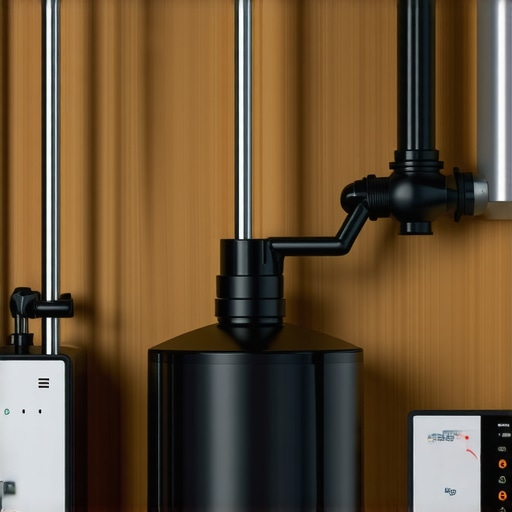
In the current era of home automation, a sump pump should never be a “dumb” appliance. The modern 2026 standard involves linking the pump’s cycle frequency to your home’s central hub. By monitoring how often the pump kicks on, the system can predict a gutter removal service need or a blockage in the exterior lines. If the pump is running every 30 seconds but there is no rain, you likely have a pressure testing gutter seals issue or a broken underground line. Your smart system should trigger an overflow alarm installation notification to your phone before the water level even reaches the top of the pit. We are seeing more homeowners opt for copper patina finishes on their exterior sensors to match their high-end rainwater harvesting gutters, proving that utility and aesthetics can coexist.
“The drainage system shall be designed to prevent the accumulation of water on the roof and to protect the structure from moisture damage.” – SMACNA Architectural Sheet Metal Manual
The Northern Enemy: Ice Dams and Weight Load
For those of us in the North, 2026 brings more extreme freeze-thaw cycles. This is where gutter heating systems become critical. When snow melts on a roof but hits a cold gutter, it refreezes, creating an ice dam. This dam prevents any further meltwater from entering the leader. The water then backs up under the shingles, causing interior rot. A smart-linked heating cable can activate based on moisture sensors and temperature readings, ensuring the pitch of your gutters remains clear for flow. If you neglect this, even the best sump pump in the world won’t save you because the water will find a way into your walls before it ever reaches the basement floor.
Technical Execution: Hangers, Spacing, and Flow
When I see a 60-foot run of gutter sagging in the middle, I know the installer was lazy. In high-snow load areas, hangers must be spaced every 12 inches, screwed directly into the rafter tails through the fascia. We don’t use spikes and ferrules anymore—they pull out when the wood swells. We use heavy-duty hidden brackets. When we perform aluminum gutter installation, we also look at the discharge point. A splash block is rarely enough. In 2026, the standard is to pipe that water at least 10 feet away from the foundation into a bubbler or a French drain. This reduces the load on your sump pump, extending its life and reducing the frequency of those smart alerts you’ve worked so hard to set up. Remember, the goal of water management is to keep the water moving. The moment it stops, it starts destroying your home.