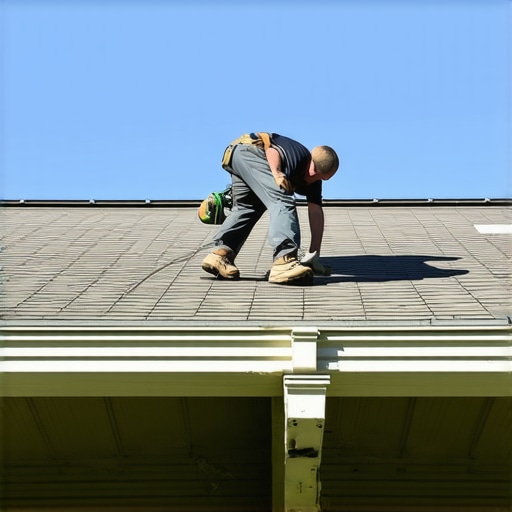
Understanding the Critical Role of Gutter and Drainage Systems in Structural Integrity
In the realm of home maintenance, the integration of robust gutter repair and drainage solutions is paramount for preventing water-related damages that compromise structural integrity. As experts in waterproofing and exterior home protection, we recognize that mastering these systems involves more than basic repairs; it requires a comprehensive, scientifically-informed approach that anticipates environmental challenges and material performance.
Innovative Materials and Techniques in Gutter System Restoration
Recent advancements in materials science have revolutionized gutter repair methodologies. For instance, seamless aluminum gutters and corrosion-resistant coatings offer longevity and superior performance compared to traditional options. Implementing expert gutter installation and repair techniques ensures optimal drainage capacity, minimizing the risk of overflow and water infiltration.
Addressing the Complexities of Drainage System Design
Design intricacies such as proper slope, downspout placement, and integration with landscape grading are vital for sustainable drainage management. An effective system not only channels water away from the foundation but also prevents pooling and soil erosion. Advanced solutions include the use of detention basins and French drains that work synergistically with gutter systems to enhance overall water management efficiency.
How Can We Optimize Gutter and Drainage System Performance?
Achieving peak performance involves routine gutter cleaning and maintenance, combined with strategic upgrades like leaf guards and seamless joints. These measures prevent debris accumulation, reducing the frequency of clogs and potential water damage. Incorporating smart sensors and monitoring devices can also provide real-time insights into system functionality, facilitating proactive maintenance.
What Are the Most Effective Methods for Diagnosing Hidden Drainage Failures?
Detecting concealed issues requires a blend of visual inspections, water testing, and advanced imaging techniques such as infrared thermography. These methods help identify areas prone to blockages or leaks that are not immediately visible, enabling targeted repairs before significant damage occurs.
For those seeking to deepen their understanding, we recommend consulting authoritative sources such as the Journal of Water Resources Planning and Management, which offers comprehensive research on drainage system optimization.
If you are a professional or homeowner committed to excellence, sharing insights and adopting innovative practices can significantly enhance your drainage infrastructure’s resilience. Explore our expert guides and case studies to elevate your projects.
Are Modern Gutter Materials Truly The Future of Home Drainage?
In the pursuit of durable, high-performance gutter systems, homeowners and professionals alike are increasingly turning to innovative materials such as composite blends, nano-coatings, and advanced polymers. These materials promise not only corrosion resistance and longevity but also reduced maintenance needs. However, it’s essential to evaluate whether these modern options outperform traditional materials like galvanized steel or aluminum in real-world conditions. Recent studies, including those published in the Journal of Water Resources Planning and Management, highlight that material science advancements are pivotal in extending system lifespan and improving water management efficiency.
How Can Integrating Smart Technology Revolutionize Drainage Maintenance?
The integration of smart sensors, IoT devices, and automated monitoring systems is transforming the landscape of drainage system management. These technologies enable real-time data collection on flow rates, clog presence, and system integrity, facilitating proactive maintenance. For example, smart gutter systems can alert homeowners to blockages before overflow occurs, significantly reducing water damage risks. Implementing such systems requires a strategic approach, including compatibility assessments with existing gutter infrastructure and understanding data analytics for maintenance scheduling. For more insights on tech-enabled drainage solutions, visit our comprehensive guide.
What Are the Practical Challenges of Deploying High-Tech Gutter Solutions in Various Climates?
While smart drainage systems offer promising benefits, their performance can be affected by environmental factors such as extreme temperatures, humidity, and debris accumulation, which vary significantly across different regions. For instance, icy conditions in colder climates may impair sensor functionality or cause blockages, requiring specialized insulation or heating elements. Conversely, humid tropical environments may accelerate corrosion or biological growth, demanding more frequent maintenance. Understanding these regional challenges is vital for designing resilient systems. Consulting with drainage experts and leveraging climate-specific solutions can ensure your system remains effective under local conditions. To explore tailored drainage strategies, check out expert installation tips.
Can Advanced Drainage Systems Reduce Long-Term Costs and Environmental Impact?
Investing in cutting-edge drainage solutions may initially seem costly; however, the long-term savings are substantial. Enhanced durability reduces replacement frequency, and efficient water management minimizes soil erosion, foundation issues, and landscape damage. Moreover, integrating green infrastructure elements such as permeable pavers, rain gardens, and detention basins can complement modern gutter systems, promoting sustainable water runoff and reducing strain on municipal drainage. According to recent environmental studies, adopting comprehensive drainage strategies can significantly lessen ecological footprints, aligning with broader sustainability goals. For more eco-friendly options, explore our sustainable drainage solutions.
How are you leveraging technology and innovative materials to improve your gutter systems? Share your experiences or ask questions in the comments below. For more expert advice, don’t forget to visit our comprehensive maintenance tips.
Integrating Advanced Drainage Technologies for Enhanced Structural Resilience
Incorporating sophisticated drainage solutions requires a nuanced understanding of hydrological modeling and environmental interactions. Modern systems leverage computer-aided design (CAD) software and Geographic Information System (GIS) mapping to optimize the placement and capacity of drainage components, ensuring they adapt dynamically to changing weather patterns and soil conditions. For instance, integrating real-time data analytics with IoT-enabled sensors allows for predictive maintenance, minimizing unforeseen failures that could jeopardize structural integrity.
Innovations in Material Science: Beyond Aluminum and Plastic
The future of gutter materials lies in nano-engineered composites and bio-based polymers that offer unparalleled resistance to environmental stressors. Recent breakthroughs, such as graphene-enhanced coatings, provide exceptional durability and self-healing properties, reducing the need for frequent repairs and extending lifespan. These advancements are documented in the Journal of Water Resources Planning and Management, highlighting their potential to revolutionize water management infrastructure.
Addressing the Nuances of Climate-Specific Drainage Design
Designing drainage systems that perform reliably across diverse climates involves a detailed analysis of regional weather data, soil permeability, and vegetation patterns. For cold regions susceptible to freeze-thaw cycles, incorporating heated conduits and antifreeze agents can prevent blockages. Conversely, in tropical environments, corrosion-resistant materials combined with biological growth inhibitors are essential to maintain system efficacy. Such tailored solutions demand a multidisciplinary approach, integrating climatology, materials engineering, and landscape architecture.
How can detailed climate modeling influence the customization of drainage solutions for extreme weather events?
Climate modeling provides predictive insights into storm intensity, rainfall frequency, and temperature fluctuations. By simulating various scenarios, engineers can design drainage systems capable of handling rare but catastrophic events, thereby safeguarding properties from flood damage. Utilizing high-resolution models, such as those developed by the Intergovernmental Panel on Climate Change (IPCC), allows for precise calibration of system capacity and resilience features, ensuring long-term performance despite environmental uncertainties.
For professionals seeking to deepen their expertise, consulting authoritative sources like the Journal of Water Resources Planning and Management is invaluable. Embracing these advanced insights helps create sustainable, resilient infrastructure that stands the test of time.
How Smart Technology Can Revolutionize Maintenance and Monitoring
The integration of artificial intelligence (AI) and machine learning algorithms with sensor networks heralds a new era in drainage management. These systems can analyze pattern deviations indicative of clog formation, structural stress, or impending failure, alerting homeowners or maintenance teams proactively. Additionally, data-driven predictive analytics enable the scheduling of repairs before visible deterioration occurs, significantly reducing costs and operational downtime.
Furthermore, augmented reality (AR) tools facilitate remote diagnostics and real-time consultations, empowering technicians with detailed visual insights into inaccessible or hazardous areas. The fusion of these technologies not only elevates system reliability but also optimizes resource allocation, aligning with smart city initiatives and sustainable development goals.
What are the best practices for integrating high-tech solutions into existing drainage infrastructures?
Evaluating compatibility is crucial; older systems may require retrofitting with modular sensor units and communication hubs. Conducting thorough site assessments and leveraging digital twin models can simulate system upgrades, identifying potential bottlenecks or failure points. Collaborating with interdisciplinary teams—hydrologists, data scientists, and civil engineers—ensures a holistic approach that maximizes benefits while minimizing disruptions. For detailed guidelines, explore our comprehensive integration strategies.
The Future of Drainage: Toward Eco-Friendly, Cost-Effective Solutions
Green infrastructure elements such as permeable pavements, rain harvesting systems, and vegetated swales are increasingly being integrated with traditional gutter and drainage systems. These innovations not only enhance water infiltration and reduce runoff but also contribute to urban cooling and biodiversity. When combined with sustainable materials and smart monitoring, they form a resilient, eco-friendly water management network that minimizes ecological footprints and aligns with global sustainability targets.
Investing in these integrated systems can lead to reduced long-term operational costs, lower environmental impact, and increased property value. As research in this domain advances, the emphasis on adaptive, multi-functional infrastructure becomes more pronounced, promising a future where home drainage systems are as environmentally conscious as they are technically sophisticated.
How are you leveraging innovative materials and smart technologies to enhance your drainage systems? Share your insights or ask questions in the comments below. For more expert guidance, visit our detailed maintenance and upgrade tips.
Exploring Next-Generation Materials for Unmatched Durability in Gutter Systems
Recent innovations in nanotechnology and bio-engineered polymers are transforming the landscape of gutter material science. Graphene-enhanced composites and self-healing bio-polymers offer unprecedented resistance to corrosion, UV degradation, and mechanical wear, significantly extending system lifespan. These advanced materials are not only more sustainable but also require less maintenance, making them ideal for resilient, eco-friendly home drainage solutions. According to research published in the Journal of Water Resources Planning and Management, integrating such materials can dramatically improve long-term performance and environmental sustainability.
How Can Smart Technology Elevate Gutter System Monitoring and Maintenance?
The integration of IoT devices, artificial intelligence, and machine learning algorithms is revolutionizing drainage management. Smart sensors can continuously monitor flow rates, detect debris buildup, and identify early signs of system failure, alerting homeowners or maintenance personnel proactively. This real-time data-driven approach minimizes costly repairs and prevents water damage. Furthermore, digital twin models simulate system performance under various environmental conditions, enabling predictive maintenance and optimal resource allocation. To explore the latest innovations, visit our comprehensive guide.
What Are the Climate-Specific Challenges and Solutions for Smart Drainage Systems?
Adapting smart drainage solutions to regional climates requires a nuanced understanding of environmental stressors. In freezing regions, integrating heated conduits, antifreeze coatings, and thermal insulation prevents sensor malfunction and system blockages. Tropical climates necessitate corrosion-resistant, biological growth-inhibiting materials to combat humidity and biological proliferation. Employing climate-specific design strategies, supported by hydrological modeling and environmental data, ensures system resilience. Consulting experts and leveraging climate-adapted solutions are essential for robust performance. For tailored strategies, see expert installation tips.
Can Green Infrastructure and Sustainable Materials Reduce Long-Term Costs?
Investing in eco-friendly materials and green infrastructure components, such as permeable pavements, rain gardens, and vegetated swales, complements modern gutter systems by enhancing water infiltration and reducing runoff. These solutions mitigate soil erosion, lower urban heat island effects, and promote biodiversity, aligning with sustainable development goals. Although initial costs may be higher, the long-term savings through reduced maintenance, environmental impact, and property value appreciation are significant. According to environmental studies in the Journal of Water Resources Planning and Management, integrating green infrastructure is a forward-looking strategy for resilient urban water management.
How Can Advanced Drainage Technologies Contribute to Climate Resilience?
Climate modeling and hydrological simulations enable the design of drainage systems capable of handling extreme weather events. High-resolution climate data, such as IPCC projections, inform capacity planning and resilience features, ensuring systems can manage heavy rainfall, flooding, and temperature fluctuations. Incorporating real-time analytics and adaptive controls makes these systems more responsive and reliable, reducing the risk of catastrophic failure. For professionals, understanding these technologies is key to future-proofing infrastructure. To learn more, explore our expert strategies.
What Are the Best Practices for Integrating AI and AR into Drainage Maintenance?
Successful integration of AI and augmented reality requires careful planning, including compatibility assessments with existing infrastructure and staff training. Digital twins and remote diagnostics facilitate proactive maintenance, while AR tools enable technicians to visualize underground or hard-to-access components in real time. These technologies optimize resource deployment, reduce downtime, and enhance diagnostic accuracy. Multidisciplinary collaboration among hydrologists, engineers, and data scientists ensures system robustness. For detailed implementation guidance, see our integration strategies.
Expert Insights & Advanced Considerations
1. Hydrological Modeling Enhances System Resilience
Utilizing sophisticated hydrological modeling enables precise prediction of storm impacts, guiding the design of gutter systems that effectively handle extreme rainfall events and prevent structural water damage.
2. Integration of Nano-Engineered Materials for Longevity
Incorporating nano-engineered composites such as graphene-enhanced coatings significantly extends gutter lifespan, offering superior resistance to corrosion, UV exposure, and mechanical wear.
3. Smart Monitoring as a Maintenance Game-Changer
Deploying IoT-enabled sensors provides real-time data on flow rates and debris accumulation, allowing proactive maintenance strategies that minimize costly repairs and mitigate water infiltration risks.
4. Climate-Specific Design Customization
Design adjustments based on regional climate data—such as heated conduits for cold climates or corrosion-resistant materials for humid zones—ensure optimal performance and durability across diverse environments.
5. Green Infrastructure for Sustainable Water Management
Integrating permeable pavements, rain gardens, and vegetated swales with traditional gutters creates eco-friendly, cost-effective solutions that reduce runoff and promote urban biodiversity.
Curated Expert Resources
- Journal of Water Resources Planning and Management: Offers in-depth research on advanced drainage system design and sustainable practices, essential for developing resilient infrastructure.
- ScienceDirect: A comprehensive database providing access to cutting-edge studies on nano-materials and bio-polymers revolutionizing gutter materials.
- IPCC Climate Models: Provides high-resolution climate projections crucial for climate-adaptive drainage planning.
- Smart Water Management Guides: Industry-leading manuals and whitepapers on IoT integration and sensor deployment for real-time drainage monitoring.
Final Expert Perspective
Optimizing gutter and drainage systems through innovative materials, smart technology, and climate-specific design elevates infrastructure resilience and sustainability. Embracing these advanced insights ensures long-term protection against water damage while reducing environmental impact. For professionals seeking to deepen expertise, exploring authoritative sources like ScienceDirect and the IPCC climate models is invaluable. Engaging with these resources not only refines technical strategies but also fosters innovative approaches that set new standards in home drainage solutions. Share your insights and stay ahead in the evolving landscape of water management excellence.