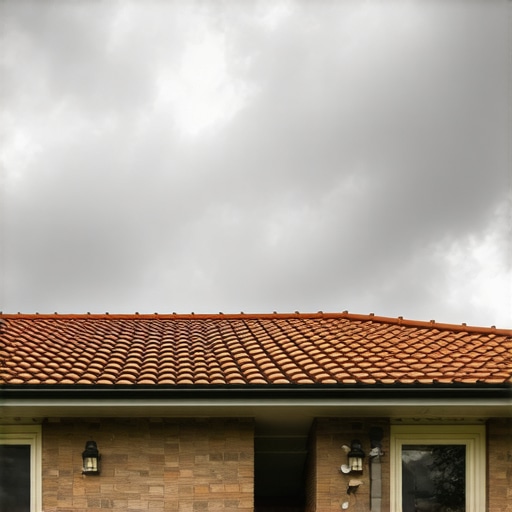
The Hidden Crisis of the Cedar Shake Roof and the Gutter Dilemma
I have spent twenty-five years staring at the transition point where wood meets metal. If you own a cedar shake roof, you don’t just have a roofing system; you have a massive, organic sponge that sits atop your home. Last autumn, I was called out to a property where the homeowner had invested in high-end, solid-hood guards, yet the basement was taking on water during every moderate squall. When I climbed the ladder, I did not find the typical maple seeds or pine needles. Instead, I found a three-inch-thick layer of what looked like wet coffee grounds. This was cedar silt—the fine, decomposed wood fibers that wash off wood shakes as they age. This silt had turned into a hydraulic dam, forcing water back under the starter course of shingles and rotting the fascia board from the inside out. This is the reality of wood roofs: they shed organic matter that typical gutter guards are not engineered to handle. As we look toward the projected atmospheric river events of 2026, the stakes for gutter overflow prevention have never been higher for shake-roof homeowners.
“Downspouts shall be sized based on the rainfall intensity of the region and the roof surface area.” – International Plumbing Code, Section 1106
The Physics of Shake Runoff: Why Standard Guards Fail
To understand why you need specialized protection, we have to look at the physics of the water itself. On a standard asphalt shingle, water moves relatively predictably. On a cedar shake, the surface is irregular, textured, and absorbent. During a heavy downpour, the shakes become saturated and the water doesn’t just flow; it surges in unpredictable patterns. Most “helmet” style guards rely on surface tension to pull water into the gutter. However, the tannic acid and wood oils found in cedar runoff change the surface tension of the water, often causing it to overshot the gutter entirely. This is why micro-mesh gutter guards have become the primary recommendation for these homes, but even they require a specific configuration. You cannot use a standard aluminum mesh; the acidity of the wood will cause galvanic corrosion when it contacts certain metals. For a wood roof, I always advocate for stainless steel micro-mesh or, better yet, a copper gutter installation that can withstand the chemical profile of the runoff.
Material Engineering: Aluminum Gutter Installation vs. Copper
When selecting your system for the 2026 storm cycle, you must choose your materials based on longevity and chemical resistance. An aluminum gutter installation is the industry standard for a reason—it is cost-effective and doesn’t rust. However, for a shake roof, you should only consider powder-coated gutter finishes. The powder coating provides a thick, non-reactive barrier that prevents the cedar’s tannins from eating away at the aluminum substrate. If your budget allows, copper is the superior choice for wood roofs. Not only does it complement the aesthetic of the wood as it patinas, but it is also naturally biostatic, meaning it helps prevent the growth of moss and algae in the gutter—a common problem when you have organic wood debris sitting in a moist environment. Regardless of the material, the pitch of the gutter is the most critical factor. I don’t care if you have the most expensive guards in the world; if your gutter doesn’t have a minimum slope of 1/4 inch per 10 feet toward the leader, you are just building a very long, very expensive mosquito pond.
“The drainage capacity of a system is only as strong as its smallest orifice, typically the outlet to the downspout.” – SMACNA Architectural Sheet Metal Manual
The 2026 Storm Outlook: Gutter Overflow Prevention
The meteorologists are predicting a significant uptick in high-velocity storm events for 2026. This means we are no longer designing for a “steady rain,” but for “rain bombs” where two inches of water can fall in forty-five minutes. For a shake roof, this volume is catastrophic if your downspouts are undersized. You need to move from the standard 2×3 leader to a 3×4 or even a 4×5 commercial-grade downspout. To manage this, I often recommend an overflow alarm installation. These are sensors placed at the highest point of the gutter run that alert the homeowner via a smartphone app if the water level rises above a certain threshold. It sounds like overkill until you realize that a single overflow event can cause ten thousand dollars in foundation erosion or ruin a finished basement. Furthermore, we need to talk about gutter sealant application. High-volume storms put immense pressure on miters and end caps. I have seen standard silicone fail under the hydraulic weight of a 20-foot run of water. We now use high-polymer tri-polymer sealants that remain flexible even in freezing temperatures, ensuring the system doesn’t spring a leak when the 2026 winter storms hit.
Advanced Maintenance: Vacuum Gutter Extraction
The days of a teenager on a ladder with a garden trowel are over, especially for shake roofs. The wood fibers are too fine and sticky for manual cleaning to be 100% effective. This is where vacuum gutter extraction comes into play. By using high-powered industrial vacuums, we can remove the fine silt that settles in the bottom of the gutter—the stuff that guards often hide. This silt is heavy and, when wet, puts immense strain on the hangers. If your hangers are spaced every 36 inches, they will fail. For 2026, I am installing heavy-duty hidden hangers every 12 to 16 inches, screwed directly through the fascia and into the rafter tails. This provides the structural integrity needed to support the weight of water, wet cedar debris, and potential ice loads during gutter winterization season.
The Financial Side: Insurance Claim Assistance
Many homeowners don’t realize that their gutter system is an integral part of their home’s envelope. If a storm rips your gutters off, or if a hail event dents your powder-coated gutter finishes, you should be looking for insurance claim assistance. A professional gutter specialist can provide the technical documentation needed to show that the system was compromised by a covered peril. For shake roofs, this is especially important because the cost of specialized copper or heavy-gauge aluminum is significant. Don’t let an adjuster tell you that a standard “contractor grade” gutter is a like-kind replacement for a high-performance system designed for a wood roof. We document the pitch, the hanger spacing, and the specific mesh density to ensure you get a replacement that actually protects your foundation. In conclusion, the 2026 storms will show no mercy to poorly engineered systems. If you have a shake roof, you need to stop thinking about gutters as an afterthought and start treating them like the critical hydraulic engineering project they are. Protect your fascia, clear your soffits, and ensure your leaders are sized for the future, not the past.