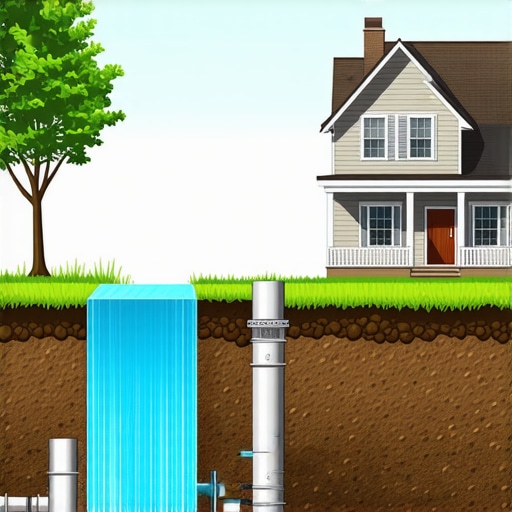
The Swampy Yard and the Invisible Foundation Threat
Most homeowners look at their gutters once a year, usually when a piece of wet debris hits them in the face. But after twenty-five years in the trenches of exterior water management, I can tell you that what happens at the roofline is only half the battle. If you are not moving that water at least ten feet away from your footings, you are basically paying for a slow-motion demolition of your home. I remember a call-out last spring to a beautiful property where the owner had just finished a massive interior renovation. They had fresh paint, new floors, and a sinking feeling in the living room. When I walked the perimeter, the problem was obvious. A single downspout was dumping the concentrated runoff from a 1,000-square-foot roof plane directly into a small depression right next to the crawlspace. Over three years, that concentrated hydraulic pressure had liquefied the soil, causing the corner footing to drop nearly three inches. No amount of interior crown molding can fix a house that is literally being swallowed by the mud created by its own roof.
The Physics of Water Management: Hydro-Zooming into Soil Saturation
To understand why underground downspout drainage is the only real solution for a 2026-ready foundation, we have to look at flow velocity and soil mechanics. When rain hits your roof, it gains kinetic energy. By the time it hits the gutter and funnels into the leader, it is a pressurized column of water. In a heavy downpour, a standard downspout can move thirty gallons of water per minute. If that water hits a splash block, it just sits there, saturating the topsoil and eventually finding the path of least resistance: the porous concrete of your foundation or the gap between your soil and the basement wall. This is where erosion control downspouts come into play. By transitioning that vertical leader into a buried PVC pipe, we utilize the gravitational head pressure to push that water far away from the structure. We are talking about managing the hydrostatic pressure that would otherwise press against your foundation walls, causing them to bow and crack over time. The goal is to move water to a daylight exit or a pop-up emitter in a part of the yard that can actually handle the volume without turning into a marsh.
“Downspouts shall be sized based on the rainfall intensity of the region and the roof surface area.” International Plumbing Code, Section 1106
The Drainage Hierarchy: From Shingles to the Street
Proper water management is a tiered system, not a single product. It starts with the composite shingle services or slate roof gutter care required to ensure water even makes it into the trough. On a slate roof, the weight of the material and the speed at which water sheds require specialized steel gutter services. Steel doesn’t flex under the weight of sliding snow or heavy rain the way aluminum might. Once the water is in the gutter, the pitch must be precise. I am talking about a 1/4 inch drop for every 10 feet of run. If the pitch is off, you get standing water, which leads to mosquito breeding and premature rusting of your powder-coated gutter finishes. We also have to discuss the kickout diverter installation. Without a kickout diverter at the roof-to-wall intersection, water will bypass the gutter entirely, running down behind the fascia and rotting the soffit from the inside out. This is a common failure point that many “cheap” installers ignore because it takes an extra ten minutes of work.
The Underground Advantage: Beyond the Splash Block
Why go underground? Because extensions are ugly and they fail. People trip over them, lawnmowers shred them, and they eventually get disconnected. A buried system using Schedule 40 PVC is a permanent fix. We integrate gravel stop integration techniques at the entry points to keep the system clear and ensure that the transition from the leader to the pipe is sealed against debris. This is also where smart gutter monitoring is starting to change the game. Sensors can now detect if an underground line is backing up before it causes a flood at the foundation level. For those who want the peace of mind, combining these technologies with lifetime gutter guarantees ensures that the foundation remains dry for the life of the home. It is about engineering the water’s path so it never has the chance to sit and soak. When we install these systems, we look at the topography of the entire lot. We aren’t just looking at the house; we are looking at where the water wants to go and forcing it to go there faster.
“The drainage system must be designed to handle the anticipated load without overflow that could damage the building envelope or foundation.” SMACNA Architectural Sheet Metal Manual
Maintenance and the Myth of No-Work Systems
I hate to be the one to tell you, but there is no such thing as a maintenance-free system. Even with the best guards, you need seasonal gutter cleaning to ensure the mesh isn’t blinded by pollen or fine organic silt. If the gutters are clogged, the best underground drainage system in the world won’t save you because the water will just spill over the front of the gutter and land right back at your foundation. We recommend a dual-approach: high-quality guards to keep out the big stuff and a scheduled flush of the underground lines every two years. This prevents the buildup of shingle grit that can turn into a concrete-like sludge at the bottom of your elbows. By keeping the leaders clear, you ensure that the entire hydraulic chain works as intended. Your foundation is the most expensive part of your home to fix. Spending a fraction of that cost on professional drainage engineering isn’t just an upgrade; it is insurance against the destructive power of a single rainstorm.
Conclusion: Protecting the Footings
Water is patient. It will find every pinhole leak in your mitered corners and every weak spot in your soil. By implementing a professional underground drainage system, you are taking the fight to the enemy. You are ensuring that the water is moved, managed, and mitigated before it ever has a chance to touch your concrete. From the end cap of the highest gutter to the pop-up emitter at the curb, every component must work in harmony. Don’t settle for a contractor who just hangs metal. Look for a specialist who understands the physics of flow and the reality of foundation failure. Your 2026 foundation depends on the decisions you make about your drainage today.
This post hits the nail on the head when it comes to proactive foundation protection. Growing up near a lake in Ohio, I’ve seen firsthand how poorly managed water can compromise the structural integrity of homes. I completely agree that underground drain systems are a game-changer—they keep the water moving away from the foundation effectively and silently. My experience with older homes shows that even the best superficial gutter maintenance can’t prevent issues if the water isn’t properly diverted underground. I’m curious, for homeowners in regions with heavy rainfall or clay soils, what additional precautions would you recommend to ensure the underground system remains unblocked and functional over decades? Have any of you incorporated smart sensors or other tech advancements mentioned in this post to maintain that peace of mind? It seems like a smart investment in protecting your home’s future.