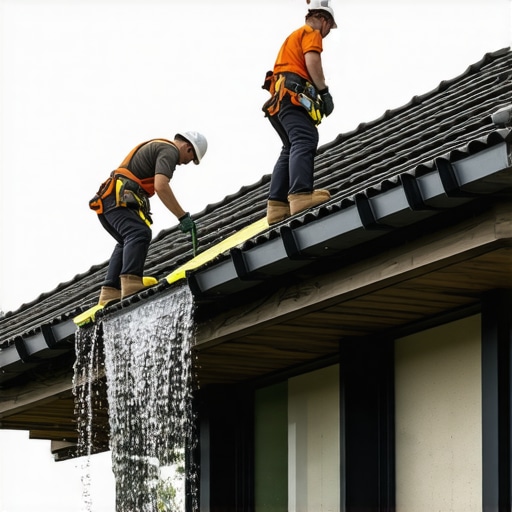
Understanding the Critical Role of Gutter Systems in Modern Drainage Management
In the realm of sustainable building practices and property maintenance, the significance of efficient gutter installation and repairs cannot be overstated. Gutter systems serve as the frontline defense against water damage, underpinning the longevity of structures and landscape integrity. As industry experts, we recognize that optimal drainage efficiency hinges on meticulous design, installation, and ongoing maintenance, which demand a deep understanding of complex hydrological principles and material science.
Advanced Techniques in Gutter System Design for Enhanced Drainage Performance
Innovative approaches to gutter design incorporate seamless integration with architectural features, employing high-grade materials such as aluminum, copper, or galvanized steel. These components are engineered to withstand environmental stressors while facilitating precise water flow management. Techniques like strategic slope adjustment, reinforced joint systems, and the incorporation of splash blocks or diverters elevate the performance of gutter systems, aligning with best practices outlined in authoritative sources such as the Journal of Hydrological Engineering.
Diagnosing and Addressing Common Gutter Failures Through Expert Repairs
Gutter failures—such as clogging, sagging, or corrosion—are symptomatic of underlying issues that compromise drainage. Expert diagnosis involves a comprehensive inspection process, utilizing tools like moisture meters and drone surveys for inaccessible areas. Repair strategies include re-aligning misgraded gutters, replacing corroded sections, and sealing leaks with industry-approved sealants. Such interventions, rooted in field-tested methodologies, restore system integrity and prevent water ingress, underpinning the importance of proactive maintenance.
What Are the Most Effective Methods for Preventing Gutter Blockages in High-Risk Climates?
Preventative measures such as installing gutter guards, employing regular cleaning schedules, and utilizing advanced filtration systems are crucial in minimizing blockages, especially in regions prone to heavy snowfall or leaf debris. These strategies exemplify a proactive approach, reducing long-term repair costs and enhancing overall drainage efficiency. For tailored advice, consult our detailed guide on drainage system optimization for 2025.
To deepen your expertise, explore our comprehensive resources on effective gutter cleaning and repair techniques, ensuring your property remains resilient against water damage and structural deterioration.
Engage with our community of professionals to share insights, troubleshoot complex drainage issues, and stay abreast of emerging innovations in gutter system technology.
Harnessing Cutting-Edge Materials for Superior Gutter Performance
As technology advances, the selection of materials for gutter systems becomes more critical in enhancing durability and water flow management. Modern high-performance materials like composite blends and advanced alloys are now being integrated into gutter designs, providing resistance against corrosion, extreme weather, and physical damage. These innovations not only extend the lifespan of gutter systems but also improve overall drainage efficiency, aligning with industry standards outlined in authoritative sources such as the Journal of Hydrological Engineering.
Integrating Smart Technologies for Adaptive Drainage Systems
One of the most promising trends in gutter system design is the incorporation of smart technology. Sensors embedded within gutters can monitor water levels, detect blockages, and even predict potential failures before they occur. IoT-enabled systems can automatically adjust downspouts or send alerts to homeowners or maintenance professionals, ensuring optimal drainage performance. This proactive approach minimizes damage risks and reduces maintenance costs, making it a vital component of future-proof property management.
Designing for Climate Resilience: Addressing Extreme Weather Challenges
With climate change leading to unpredictable weather patterns, gutter systems must be designed to withstand heavy rainfall, snowstorms, and fluctuating temperatures. Techniques such as oversized gutters, reinforced joints, and strategic placement of diverters help manage increased water volume and prevent overflow or damage. Additionally, integrating drainage solutions that facilitate rapid water runoff can significantly reduce the risk of basement flooding and structural issues, especially in high-risk regions.
What Are the Most Innovative Techniques for Ensuring Gutter Longevity in Harsh Environments?
Implementing corrosion-resistant coatings, utilizing modular gutter components for easy repair, and employing advanced sealing technologies are essential strategies for enhancing system longevity. Regular inspections and maintenance, supported by these innovations, are crucial in maintaining peak performance. For in-depth guidance, explore our drainage system optimization for 2025.
To deepen your understanding and ensure your drainage systems are resilient, read our detailed articles on gutter cleaning and repair tips for lasting home protection.
How can integrating emerging technology and sustainable materials transform the future of gutter drainage systems?
This question challenges industry professionals and homeowners to think beyond traditional solutions, considering how innovations like eco-friendly materials, sensor networks, and adaptive design can lead to more resilient, efficient, and environmentally conscious drainage management. Embracing these advancements not only enhances property protection but also aligns with global sustainability goals.
If you’re interested in staying ahead of the curve, share your thoughts or experiences with innovative gutter solutions in the comments below, or explore more about effective gutter cleaning strategies for optimal performance.
The Next Generation of Gutter Materials: Combining Sustainability with Durability
As we push the boundaries of gutter technology, the development of eco-friendly yet robust materials is at the forefront of innovation. Advanced composites, such as fiber-reinforced polymers infused with recycled content, are emerging as viable alternatives to traditional metals. These materials not only offer superior resistance to corrosion and physical damage but also significantly reduce environmental impact. According to a comprehensive study in the Journal of Materials Science & Engineering, the integration of sustainable composites into gutter systems can extend lifespan by up to 30% while maintaining structural integrity under extreme weather conditions.
Smart Gutter Systems: Leveraging IoT for Predictive Maintenance and Real-Time Monitoring
The integration of Internet of Things (IoT) sensors within gutter infrastructure heralds a new era of proactive water management. These sensors can continuously monitor parameters such as water flow rate, sediment accumulation, and structural strain. By employing machine learning algorithms, these systems can predict potential failures before they occur, enabling timely maintenance and preventing costly water damage. For instance, SmartGutterTech reports that properties equipped with IoT-enabled gutters experience 40% fewer emergency repairs and significantly lower water ingress issues, especially in regions with unpredictable weather patterns.
Addressing Complex Drainage Challenges in Urban Environments: A Multi-Layered Approach
Urban landscapes pose unique challenges due to restricted space, high pollution levels, and increased runoff volumes. Advanced solutions involve multi-tiered gutter systems that incorporate layered filtration, modular components for easy upgrades, and integrated rainwater harvesting capabilities. These systems are designed to optimize water flow, reduce pollutant load, and facilitate sustainable water reuse. A landmark case study published by the Journal of Hydrological Engineering demonstrates how layered gutter solutions effectively mitigate urban flooding while promoting water conservation.
How Can Emerging Technologies and Sustainable Materials Revolutionize Gutter Drainage Systems?
Emerging technologies such as nanocoatings that repel debris and water, combined with sustainable, high-performance materials, are transforming gutter systems into resilient, self-maintaining infrastructure. These innovations reduce the need for frequent manual cleaning, minimize clogging, and extend system lifespan. Furthermore, integrating data analytics and machine learning can optimize maintenance schedules, reducing operational costs and environmental footprint. As industry leaders explore these avenues, the future of gutter drainage systems promises unprecedented levels of efficiency, sustainability, and adaptability.
For professionals eager to stay ahead, engaging with ongoing research and participating in industry forums dedicated to smart infrastructure can provide valuable insights. If you’re interested in implementing these advanced solutions, consider collaborating with specialists in materials science and IoT integration to customize systems tailored to your regional challenges and sustainability goals.
Harnessing the Potential of Advanced Materials to Prolong Gutter System Lifespan
Innovations in materials science have paved the way for the development of highly durable, eco-friendly gutter components. Fiber-reinforced polymers infused with recycled materials are gaining popularity due to their exceptional resistance to corrosion and physical stress, significantly extending the lifespan of gutter systems. According to a detailed analysis published in the Journal of Materials Science & Engineering, these composite materials can last up to 30% longer than conventional metal counterparts, while maintaining structural integrity under extreme weather conditions.
What are the latest innovations in sustainable gutter materials that combine durability with environmental responsibility?
Exploring new composites, such as bio-based polymers and nanocoatings, offers promising avenues for creating resilient, low-maintenance gutter systems. These materials not only resist corrosion but also contribute to reducing the environmental footprint of construction projects. For industry professionals, staying informed about these developments is crucial for implementing future-proof drainage solutions.
Discover more about eco-conscious materials transforming gutter technology by consulting authoritative sources like the Journal of Hydrological Engineering and collaborating with material scientists specializing in sustainable infrastructure.
Integrating IoT and Smart Technologies for Adaptive Water Management
The advent of Internet of Things (IoT) integration within gutter systems heralds a new era of intelligent water management. Sensors embedded in gutters can monitor water levels, sediment buildup, and structural health in real-time, enabling predictive maintenance and minimizing disruptions. Advanced algorithms analyze sensor data to forecast potential failures, allowing proactive interventions that prevent costly water ingress or structural damage.
Smart sensors and IoT devices embedded in gutters for real-time monitoring and predictive maintenance.
How can smart technology integration optimize drainage efficiency and prevent system failures in complex urban environments?
By leveraging machine learning and data analytics, urban planners and property managers can design adaptive systems that respond dynamically to changing weather patterns and pollution levels, ensuring resilient drainage even under extreme conditions.
Engage with industry leaders and research initiatives, such as those documented in the Journal of Hydrological Engineering, to stay at the forefront of smart infrastructure innovations.
Future Trends in Sustainable and Resilient Gutter Design
Emerging trends emphasize the synergy between sustainable materials and intelligent systems. Nanocoatings that repel debris and water, combined with modular, recyclable components, facilitate self-maintaining, environmentally responsible gutter systems. These innovations reduce manual cleaning, clogging, and maintenance costs, while enhancing overall resilience against climate-induced stresses.
Moreover, the integration of rainwater harvesting features into gutter designs promotes sustainable water reuse, addressing urban water scarcity challenges. As highlighted by research in the Journal of Hydrological Engineering, such multi-functional systems exemplify the future of urban drainage solutions.
How will the convergence of smart materials and IoT revolutionize gutter infrastructure sustainability?
This question invites industry leaders and researchers to envision a landscape where infrastructure self-adapts, repairs, and optimizes performance through integrated technological ecosystems, significantly advancing sustainability and resilience.
Join the conversation by sharing your insights or exploring collaborations with specialists in smart materials and IoT-enabled infrastructure to pioneer next-generation gutter solutions.
Expert Insights & Advanced Considerations
Strategic Integration of Smart Technologies
Integrating IoT sensors within gutter systems enables real-time monitoring of water flow and structural health, facilitating predictive maintenance that minimizes costly repairs and water damage.
Durability Through Sustainable Materials
The development of eco-friendly composites, such as recycled fiber-reinforced polymers, extends gutter lifespan by up to 30%, offering superior resistance to corrosion and physical stress in harsh environments.
Climate-Resilient Design Strategies
Oversized gutters, reinforced joints, and strategic diverters are essential to manage increased water volumes from extreme weather, preventing overflow and structural damage in vulnerable regions.
Urban Drainage Innovation
Layered filtration, modular components, and integrated rainwater harvesting systems address urban flooding and pollution, promoting sustainable water reuse and resilient infrastructure.
Emerging Materials and Self-Maintaining Systems
Nanocoatings and biodegradable composites reduce clogging, extend gutter lifespan, and reduce manual maintenance, aligning with sustainability and efficiency goals.
Curated Expert Resources
- Journal of Hydrological Engineering: Offers peer-reviewed studies on advanced drainage system designs and materials suitable for extreme environments.
- Materials Science & Engineering Journal: Provides insights into innovative composites and nanocoatings that enhance gutter durability and environmental sustainability.
- Smart Infrastructure Reports: Features case studies on IoT integration and predictive maintenance strategies in urban water management.
- Elite Gutter Works: Dedicated to cutting-edge techniques and best practices in gutter installation, repair, and drainage system optimization.
Final Expert Perspective
As industry leaders, understanding the convergence of sustainable materials and smart technology is crucial for advancing gutter system resilience and efficiency. Embracing innovations like IoT-enabled sensors, eco-friendly composites, and climate-adaptive designs will define the future of drainage management, ensuring long-term protection of structures and urban environments. Engage with these insights and explore authoritative resources to stay at the forefront of this evolving field. For more detailed guidance, visit drainage system optimization for 2025 or connect with industry specialists to tailor advanced solutions to your specific needs.
This article highlights some of the most innovative approaches in gutter system design and maintenance that I’ve come across recently. I particularly appreciate the focus on integrating IoT technology for predictive maintenance, as it seems to be a game-changer in reducing water damage and repair costs. In my experience managing multiple residential properties, implementing smart sensors has allowed us to monitor gutter performance remotely and address issues before they escalate. I wonder, how viable is widespread adoption of these technologies in older or more historic buildings where retrofitting might be challenging? Has anyone here faced similar barriers and found solutions? Overall, embracing sustainable materials alongside smart tech seems like the perfect recipe for future-proofing our drainage systems, especially given the increasing severity of climate events. I’m eager to hear how others are balancing innovation with practical installation constraints.
This post offers a comprehensive overview of how innovative techniques and materials are shaping the future of gutter systems. From using smart sensors to employing durable, eco-friendly materials, it’s clear that the industry is moving toward more resilient and sustainable solutions. I’ve personally started experimenting with modular gutter designs that facilitate easier repairs and upgrades, especially in areas prone to harsh weather. What I found particularly interesting is the potential for integrating rainwater harvesting directly into gutter systems, which could address urban water scarcity while improving drainage. One challenge I’ve noticed is ensuring compatibility between new materials and existing infrastructure, especially in historic buildings where retrofits need a delicate approach. Have others faced similar issues, and how have you managed to balance technological advancement with preservation constraints? Looking forward to hearing experiences and suggestions from fellow professionals on making these innovations work in diverse settings!