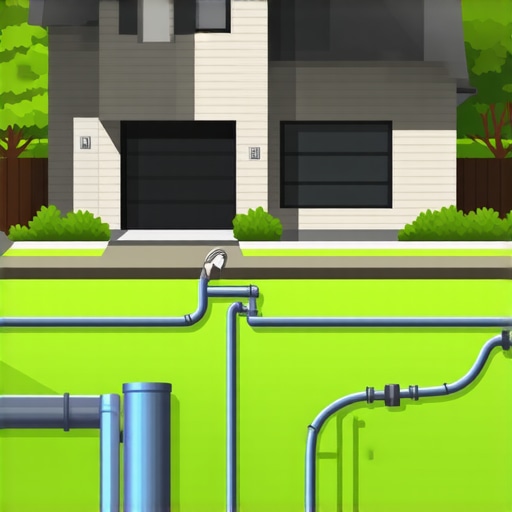
Revolutionizing Home Drainage: A Strategic Approach to Water Management in 2025
In an era where climate variability intensifies the challenge of water management, the role of advanced drainage systems becomes paramount for safeguarding residential properties. As an expert in drainage technology, I recognize that the evolution of these systems is driven by a need for resilience, efficiency, and integration with smart home infrastructure. This article explores the cutting-edge solutions reshaping home protection strategies in 2025, emphasizing innovative techniques, materials, and installation practices that deliver optimal performance.
Understanding the Complex Dynamics of Home Drainage Systems
Effective drainage extends beyond mere water diversion; it involves a nuanced understanding of site-specific hydrological characteristics, soil permeability, and potential water ingress points. Recent studies, such as those published in the Journal of Hydrology, demonstrate that integrating geotechnical analysis with modern drainage design significantly reduces water intrusion risks. This holistic approach ensures that drainage solutions are tailored, durable, and capable of handling future climate scenarios.
High-Tech Materials and Modular Designs for Future-Proof Drainage
Emerging materials like high-density polyethylene (HDPE) and geocomposite fabrics offer unparalleled strength and flexibility, facilitating installation in challenging terrains. Modular drainage systems, characterized by their quick-connect components and customizable configurations, facilitate maintenance and scalability. These innovations enable homeowners and contractors to implement systems that adapt dynamically to evolving property needs, ensuring long-term protection against water damage.
Smart Drainage Integration: The Next Level of Home Water Security
In 2025, the convergence of drainage systems with IoT technology introduces real-time monitoring and automated response capabilities. Sensors embedded within drainage infrastructure can detect blockages, overflow, or suboptimal flow, transmitting data to homeowners or property managers. This proactive approach minimizes damage and maintenance costs, transforming traditional drainage into a sophisticated component of the smart home ecosystem. For comprehensive insights into these systems, consult Elite Gutter Works’ expert guide on drainage system optimization.
Addressing Common Challenges with Advanced Solutions
One persistent challenge is ensuring system longevity amidst debris accumulation and root intrusion. Advanced filtration and biological barriers, coupled with regular inspection routines, mitigate these issues effectively. Moreover, the deployment of underground drainage chambers and bio-retention basins offers sustainable solutions for managing stormwater runoff, aligning with environmental regulations and urban planning standards.
What are the most effective strategies for integrating drainage systems into existing home infrastructure without extensive remodeling?
Integrating modern drainage solutions into existing structures requires strategic planning that minimizes disruption. Techniques such as trenchless installation, utilizing pre-fabricated modular components, and leveraging existing access points are crucial. Collaborating with experienced professionals ensures that these integrations are seamless, preserving property aesthetics while enhancing functionality.
For homeowners and industry professionals eager to elevate their water management strategies, exploring comprehensive resources like Elite Gutter Works’ detailed installation guides is highly recommended. Sharing insights and experiences through professional forums further contributes to the collective expertise necessary for tackling complex drainage challenges in 2025 and beyond.
Harnessing Cutting-Edge Drainage Materials and Configurations for Long-Term Home Protection
As the landscape of home water management evolves, integrating innovative materials like flexible geocomposites and high-performance HDPE pipes becomes essential. These materials not only withstand harsh environmental conditions but also enable rapid installation through modular configurations, reducing labor costs and downtime. Moreover, designing adaptable drainage layouts that respond to shifting soil and weather patterns ensures resilient performance over decades. For homeowners and contractors, exploring solutions such as expert gutter installation and repairs for lasting drainage can significantly enhance system durability.
The Role of AI and IoT in Proactive Drainage Management
One transformative development in 2025 is the integration of Artificial Intelligence (AI) with Internet of Things (IoT) sensors embedded within drainage infrastructure. These sensors continuously monitor flow rates, detect potential blockages, and analyze weather forecasts to predict system overloads before they occur. This proactive approach minimizes costly repairs and prevents water intrusion, positioning smart drainage as a core component of modern home protection. For a comprehensive overview of these innovative systems, consult Elite Gutter Works’ expert guide on drainage system optimization.
Challenging Assumptions: Is Conventional Drainage Still Sufficient?
Many homeowners rely on traditional drainage solutions, assuming they are adequate in the face of climate change and urban development. However, emerging research indicates that static systems often fall short under increased storm intensity and unpredictable rainfall patterns. Experts emphasize that adaptive, integrated drainage designs—combining underground chambers, bio-retention basins, and real-time monitoring—are necessary to meet future demands. This shift challenges the conventional wisdom and underscores the importance of consulting trusted sources like the Journal of Hydrology for evidence-based practices.
How can homeowners leverage expert insights to retrofit existing drainage infrastructure for enhanced resilience?
Retrofitting requires a strategic assessment of the current system, identification of vulnerable points, and integration of modular or smart components to upgrade performance. Techniques such as trenchless technology facilitate minimal disruption during upgrades, while consulting experienced professionals ensures that modifications align with local regulations and environmental standards. For more tailored advice, visiting trusted drainage and gutter repair tips can provide practical guidance.
If you’re interested in deepening your understanding of advanced drainage solutions, sharing your experiences or asking questions in community forums can foster collective expertise. Additionally, exploring more about expert drainage system solutions will help you stay ahead in safeguarding your property against water damage.
Harnessing the Power of Data Analytics for Predictive Drainage Maintenance
In the quest for resilient home drainage systems, the integration of sophisticated data analytics stands out as a game-changer. By leveraging historical rainfall data, soil moisture sensors, and real-time flow measurements, homeowners and engineers can develop predictive models that forecast potential failures before they occur. This proactive approach not only extends the lifespan of drainage infrastructure but also reduces costly emergency repairs. According to a recent comprehensive study in the Journal of Hydrology, machine learning algorithms applied to hydrological data significantly enhance the accuracy of flood risk assessments and drainage performance predictions. Implementing such systems requires collaboration with data scientists and civil engineers to tailor solutions specific to the site conditions, ensuring maximum efficiency and durability.
Advanced Geosynthetics: Revolutionizing Soil Stabilization and Water Filtration
Modern geosynthetics, including nanocomposite fabrics and bio-inspired filtration materials, are transforming how drainage systems manage soil stability and water quality. These materials provide superior permeability control, prevent soil erosion, and facilitate biological filtration, which is crucial in urban environments with limited space. Notably, research published in the Journal of Geotechnical and Geoenvironmental Engineering highlights that bio-based geocomposites can actively promote microbial activity that degrades pollutants, improving stormwater quality while maintaining structural integrity. The deployment of these materials in modular systems allows for scalable, adaptable solutions that respond dynamically to changing environmental conditions, thus future-proofing residential drainage infrastructure.
What strategies can be employed to retrofit aged drainage systems with cutting-edge materials without extensive property modifications?
Retrofitting requires innovative trenchless technology, such as pipe bursting or relining, combined with the installation of advanced geosynthetics within existing channels. These methods minimize disruption and preserve property aesthetics while upgrading capacity and resilience. Partnering with specialists in geotechnical engineering can ensure that the integration respects local soil and water regulations. For more insights into such retrofitting processes, consult industry-specific resources like the Geosynthetica portal, which offers detailed case studies and technical guidelines.
Integrating AI-Driven Water Flow Optimization with Sustainable Design Principles
AI-powered optimization algorithms are now capable of designing drainage layouts that adapt to forecasted climate scenarios and urban growth patterns. These systems evaluate variables such as rainfall intensity, soil absorption rates, and existing infrastructure constraints to generate optimal configurations that balance cost, efficiency, and environmental impact. Incorporating sustainable design principles—like green infrastructure, rain gardens, and permeable pavements—further enhances the system’s ability to manage stormwater naturally. The synergy between high-tech AI modeling and eco-friendly practices exemplifies the future of resilient, sustainable home drainage networks.
How can homeowners leverage expert insights to ensure their drainage systems remain adaptable amid climate change?
Homeowners should prioritize ongoing monitoring and regular assessments conducted by qualified drainage specialists. Embracing modular and upgradeable systems allows for seamless integration of new technologies as they emerge. Participating in community planning discussions and staying informed through authoritative sources such as the Urban Water Institute can provide valuable guidance for proactive adaptation. Engaging with professional organizations for certification and advice ensures that retrofit projects align with best practices, ultimately safeguarding property value and environmental health.
Unlocking the Potential of Adaptive Drainage Infrastructure in Modern Homes
As urban landscapes evolve and climate patterns become increasingly unpredictable, the necessity for adaptive and resilient drainage systems within residential environments has never been more critical. Leveraging cutting-edge research and technological advancements, homeowners and professionals are now exploring integrated solutions that not only address immediate water management challenges but also anticipate future demands.
How Can Data-Driven Modeling Enhance Drainage System Resilience?
Emerging data analytics and machine learning techniques enable precise modeling of hydrological responses to various environmental stimuli. By analyzing historical rainfall data, soil absorption rates, and real-time sensor inputs, predictive models can forecast potential overloads or failures, facilitating proactive maintenance and upgrades. According to the Journal of Hydrology, these AI-driven insights exponentially improve the accuracy of flood risk assessments, making them indispensable tools for modern water management.
What Role Do Sustainable Materials Play in Next-Generation Drainage?
Innovations in geosynthetics, such as bio-based filtration fabrics and nanocomposite materials, are revolutionizing soil stabilization and stormwater filtration. These sustainable materials offer superior permeability control, durability, and environmental compatibility. Incorporating bio-infiltration systems with advanced geocomposites facilitates natural water purification processes while maintaining structural integrity, aligning with eco-conscious urban planning standards.
Can Smart Infrastructure Technologies Be Seamlessly Integrated into Existing Homes?
Seamless retrofitting of current drainage systems is achievable through trenchless technology, modular components, and IoT-enabled sensors. These innovations minimize property disruption and enable real-time monitoring and automated responses to emerging issues. Collaborations with specialists in geotechnical and civil engineering ensure system upgrades meet local regulations and environmental standards, providing homeowners with peace of mind and enhanced protection.
How Does Climate Change Influence Future Drainage Design Paradigms?
Climate change necessitates a paradigm shift towards adaptive design principles that incorporate green infrastructure, permeable surfaces, and dynamic modeling. These strategies enable drainage systems to respond effectively to increased storm intensity and frequency. Embracing such holistic approaches ensures long-term resilience, safeguarding properties against evolving environmental threats.
What expert methodologies exist for retrofitting aging drainage systems to meet future challenges?
Retrofitting involves utilizing trenchless technologies like pipe relining and bursting, combined with advanced geosynthetics, to upgrade existing infrastructure with minimal disruption. Engaging with certified specialists ensures adherence to environmental regulations and integration of innovative materials. For comprehensive guidance, consult authoritative resources such as the Geosynthetica portal, which offers detailed technical insights and case studies.
Expert Insights & Advanced Considerations
Innovative Modular Design Integration
Incorporating modular drainage components allows for scalable and adaptable water management solutions, enabling homeowners to respond proactively to changing environmental conditions without extensive renovations.
Real-Time Data Analytics for Predictive Maintenance
Leveraging AI-driven analytics and sensor networks provides a sophisticated approach to monitoring system performance, predicting failures, and optimizing maintenance schedules, thereby extending infrastructure lifespan.
Material Innovations for Durability and Sustainability
Utilizing bio-based geosynthetics and nanocomposite materials enhances soil stabilization and filtration efficiency while aligning with environmentally responsible practices, ensuring longevity of drainage systems.
Smart Infrastructure Integration
Embedding IoT-enabled sensors and automated control systems into existing drainage frameworks facilitates real-time response to overloads and blockages, significantly reducing the risk of water intrusion and property damage.
Climate-Resilient Design Principles
Adopting adaptive design strategies that incorporate green infrastructure, permeable surfaces, and dynamic modeling prepares residential drainage systems to withstand increased storm intensity due to climate change.
Curated Expert Resources
- Elite Gutter Works’ Expert Guides: Comprehensive installation and maintenance resources tailored for advanced drainage system optimization, including retrofit techniques and smart integration.
- Journal of Hydrology: A leading scientific publication providing peer-reviewed research on hydrological modeling, climate impact assessments, and innovative drainage materials.
- Geosynthetica Portal: An authoritative platform offering technical insights, case studies, and specifications on modern geosynthetics and soil stabilization technologies.
- Urban Water Institute: Industry-leading insights into sustainable urban water management practices, policy updates, and community engagement strategies for resilient drainage infrastructure.
Final Expert Perspective
As we advance into 2025, the evolution of home drainage systems underscores the necessity for a multidimensional, technology-enabled approach that prioritizes resilience, sustainability, and adaptability. Integrating expert insights with cutting-edge materials and predictive analytics empowers homeowners and professionals to build infrastructure prepared for the uncertainties of climate change and urban expansion. To deepen your expertise and ensure your water management strategies remain at the forefront, explore trusted resources and engage with industry specialists regularly. For a proactive step towards safeguarding your property, consider consulting experienced professionals who specialize in advanced drainage solutions and stay informed about emerging innovations in this vital field.