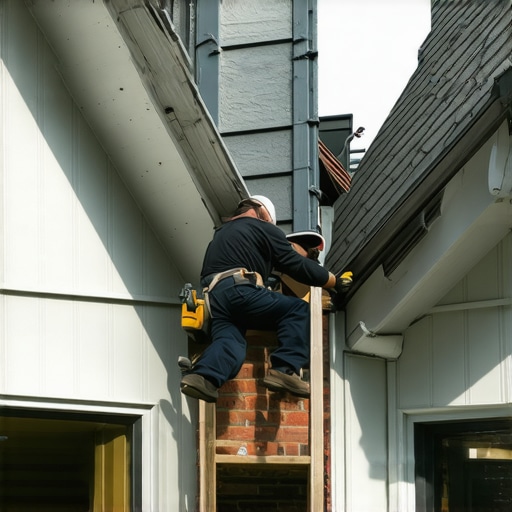
Elevating Drainage Efficacy: An Expert’s Perspective on Modern Gutter Solutions
Effective drainage management is fundamental to safeguarding residential and commercial properties from water damage, mold proliferation, and foundation issues. As drainage issues become increasingly complex due to climate variability and urban development, professional-grade gutter repairs and installations have evolved into specialized fields requiring nuanced understanding and precision execution.
The Intricacies of Gutter System Design and Their Impact on Drainage Performance
Modern gutter systems are not merely channels for rainwater but integral components of a comprehensive water management strategy. Selecting appropriate materials, such as seamless aluminum or high-grade stainless steel, enhances durability and reduces maintenance complexity. Expertly engineered gutter slopes, combined with strategic placement of downspouts, optimize water flow and prevent overflow or pooling that could compromise structural integrity.
How does integrating dynamic gutter monitoring influence long-term drainage effectiveness?
Innovations such as smart sensors and real-time analytics enable proactive maintenance, detecting blockages or corrosion before failures occur. This integration not only prolongs system lifespan but also aligns with sustainability goals by minimizing water wastage and property damage.
Common Pitfalls in Gutter Repairs and Installation That Threaten Drainage Efficacy
Substandard workmanship, improper sizing, and neglecting regional climatic considerations often lead to system failure. For instance, gutters designed without considering heavy snowfall areas may suffer from excessive weight, causing detachment or deformation. An expert approach involves careful site assessment, precise measurements, and adherence to industry standards, such as those outlined by the National Roofing Contractors Association.
Optimizing Drainage with Professional Gutter Maintenance Strategies
Routine cleaning mitigates debris buildup that impedes water flow, but comprehensive maintenance encompasses sealant inspections, component replacements, and system upgrades. A proactive maintenance schedule, guided by technological insights, ensures consistent drainage performance and minimizes emergency repairs.
The Role of Water Flow Dynamics in Gutter System Efficiency
Understanding hydraulic principles is critical for designing systems that handle peak rainfall intensities without failure. Computational fluid dynamics modeling can simulate various scenarios, informing custom solutions tailored to specific property requirements, thereby elevating overall drainage resilience.
For in-depth techniques on gutter cleaning and maintenance, explore our professional tips for ultimate home protection. Engagement with expert insights ensures that your drainage systems operate at peak efficiency, safeguarding your property’s longevity and integrity.
Recognized authorities, such as the ASTM International standards for gutter materials and installation procedures, provide foundational guidelines that reinforce system reliability. Leveraging such standards in conjunction with innovative practices positions property owners and contractors at the forefront of drainage management excellence.
Explore more about effective drainage gutter repairs to deepen your understanding of sustainable, long-lasting solutions. The continuous evolution of our field underscores the importance of expert knowledge and adaptation in achieving optimal drainage outcomes.
Innovative Materials Transform Gutter Durability and Performance
In the quest for optimal drainage, the choice of gutter materials plays a pivotal role. Modern advancements have introduced materials like polymer composites and silicone-enhanced coatings that resist corrosion, UV damage, and extreme weather conditions. These innovations not only extend system lifespan but also reduce maintenance costs. For example, seamless systems made from high-grade aluminum minimize joints where leaks often occur, ensuring a seamless water flow pathway that enhances overall efficiency. Enhancing material resilience is directly linked to proactive property protection, making the investment in cutting-edge materials a wise decision for long-term drainage success. For more insights, see our comprehensive guide on effective drainage gutter repairs._
Designing for Climate Challenges and Future Growth
Climate conditions significantly influence gutter system design. In regions prone to heavy snowfall, installing reinforced brackets and low-maintenance snow guards prevents potential damage caused by ice, while in hurricane-prone areas, reinforced fasteners and reinforced sealants sustain high wind pressures. Additionally, property expansion plans must factor into existing drainage architecture; ensuring that gutter capacity and downspout placement can accommodate future rainfall scenarios is vital. This forward-thinking approach minimizes costly upgrades and helps maintain effective drainage as environmental conditions evolve. Consulting with experts on regional adaptations—such as those outlined in our professional gutter installation and maintenance—can optimize these designs for resilience and adaptability._
Could integrating modular gutter components revolutionize scalability and maintenance efficiency?
Modular designs allow for easy expansion, quick repairs, and customized configurations. This flexibility is particularly beneficial for properties where landscape or structural changes may require system adjustments. Additionally, modular components simplify maintenance routines, enabling homeowners to replace or upgrade sections without complete system overhaul. Such innovations align with the ongoing shift towards smart, self-sufficient drainage systems, which can communicate with home automation setups for real-time performance monitoring. To stay ahead in property management, exploring the latest in modular gutter solutions is essential; our top drainage solutions for 2025 offer a comprehensive overview of emerging trends._
If you’re eager to deepen your knowledge, don’t hesitate to share your experiences or ask questions in the comments—our experts love engaging with proactive property owners. Remember, integrating cutting-edge materials with visionary design principles is the key to future-proofing your property’s drainage system, as emphasized by ASTM International standards for gutter systems and installation practices.
Harnessing Advanced Hydraulics for Superior Drainage Efficiency
Understanding the physics governing water movement within gutter systems unlocks new avenues for optimizing performance. Hydraulic modeling, especially computational fluid dynamics (CFD), enables engineers to simulate various rainfall intensities and flow scenarios, revealing potential bottlenecks or overflow points before physical installation. These insights guide custom modifications—such as adjusting gutter slopes, enlarging downspout diameters, or introducing aeration features—to ensure resilience under extreme conditions. Investing in such sophisticated analysis elevates traditional gutter design from reactive fixes to proactive, precision-engineered solutions.
How can CFD simulations reshape standard gutter installation practices?
By providing a detailed visualization of fluid flow, CFD allows for the fine-tuning of system parameters tailored to specific climatic conditions, ensuring peak performance. Publications like the ASCE Journal of Hydrologic Engineering underscore how integrating these models enhances system longevity and minimizes maintenance costs. Contractors adopting these methods position themselves as innovators, offering clients durable, scientifically-backed solutions. For property owners, embracing such advanced techniques results in drainage systems that adapt seamlessly to environmental variability, ultimately protecting investments and reducing unforeseen repairs.
Materials Science at the Forefront of Gutter Durability
The divergence of material innovations—ranging from nanocoatings to composite alloys—has transformed gutter system longevity. Recent breakthroughs in polymer nanocoatings introduce self-healing properties that can autonomously repair minor scratches or corrosion spots, resisting environmental degradation over decades. Meanwhile, ultra-high-performance fiber-reinforced polymers (FRPs) provide exceptional strength-to-weight ratios, enabling the design of thinner, yet more robust, gutters capable of handling increased loads from snow or debris. Understanding the science behind these materials empowers contractors and property managers to select solutions aligned with regional challenges and sustainability goals.
Could additive manufacturing redefine custom gutter fabrication?
3D printing and additive manufacturing techniques enable the production of complex, custom-designed gutter components that traditional manufacturing cannot easily accommodate. These technologies facilitate rapid prototyping and localized manufacturing, reducing lead times and allowing for highly tailored solutions addressing unique property geometries or environmental stresses. Moreover, the ability to embed sensors or smart functionalities directly within these components aligns with the future of self-monitoring gutter systems—thus blending material science with digital integration, as explored in recent studies by MIT’s Department of Mechanical Engineering.
Predictive Maintenance and the Rise of Smart Drainage Networks
The integration of IoT (Internet of Things) devices within gutter systems marks a paradigm shift toward predictive maintenance. Smart sensors can monitor parameters such as water flow rates, sediment levels, and seal integrity, transmitting real-time data to maintenance dashboards. This connectivity enables preemptive interventions, replacing reactive repairs, and extending system lifespan. For instance, a single sensor detecting abnormal flow resistance could alert homeowners or service providers to clean debris buildup before it causes overflow or damage. These advancements not only optimize resource allocation but also set the stage for autonomous drainage systems capable of self-adjustment in response to environmental cues.
Addressing cybersecurity concerns in smart gutter systems
As smart drainage networks become more prevalent, ensuring data security and system integrity is paramount. Vulnerabilities in connected devices could lead to malicious interference, disrupting property protection. Incorporating robust encryption protocols, regular firmware updates, and access controls—guided by cybersecurity standards from organizations like NIST—is essential. Educating property owners and technicians on these best practices ensures that technology enhances, rather than compromises, drainage efficacy. For further insights on integrating IoT securely, industry white papers such as those from Cisco’s Security Solutions provide comprehensive frameworks.
Are you ready to take your gutter systems into the future? Exploring these technological innovations and material advancements can transform basic drainage into a proactive, intelligent network that safeguards your property against the most adverse environmental challenges. By partnering with industry leaders and staying abreast of emerging trends, property owners and contractors alike can pioneer sustainable, resilient water management solutions for decades to come.
Shaping the Future of Water Management with Cutting-Edge Materials in Gutter Systems
In the quest for superior drainage performance, the exploration of novel materials has heralded a new era where durability, sustainability, and adaptability converge. From nanocoatings that confer self-healing capabilities to fiber-reinforced polymers designed for challenging climates, material science innovations are transforming gutter systems into resilient infrastructures capable of withstanding extreme environmental stressors. These advancements not only prolong system lifespan but also reduce maintenance exigencies, aligning with sustainable property management principles.
Are nanotechnology-infused coatings the next leap in gutter longevity?
Absolutely. Nanocoatings introduce hydrophobic and anti-corrosive properties at an atomic level, ensuring that gutters repel debris and resist degradation even after decades of exposure. Research from the National Institute of Standards and Technology (NIST) highlights how these materials reduce cleanings and repair frequency, translating into long-term cost savings. As these technologies mature, their integration into mainstream manufacturing signifies a paradigm shift towards maintenance-free water management solutions.
Reimagining Gutter Design for Climate Adaptability and Growth
The climate-specific customization of gutter systems is no longer optional but essential. Engineers now incorporate load-bearing enhancements, such as reinforced brackets and frost-resistant seals, tailored to regional challenges. Moreover, future-proofing involves designing modular expansions that accommodate property development, ensuring the system sustains increased capacity without structural overhaul. These practices demand a meticulous understanding of regional climatic patterns and growth trajectories, facilitated by advanced modeling techniques and climate analytics.
Could additive manufacturing revolutionize bespoke gutter solutions for complex architectural needs?
The advent of 3D printing and additive manufacturing enables highly customized gutter components that traditional methods cannot replicate efficiently. This technology permits the production of intricate geometries optimized for specific light, wind, or water flow conditions, dramatically reducing lead times and enabling rapid prototyping. Additionally, embedded sensors within these components facilitate real-time health monitoring, paving the way for intelligent, self-sustaining drainage networks. Embracing such innovations positions contractors as pioneers in resilient infrastructure development, opening new avenues for addressing unique property demands.
Leveraging Hydraulic Insights to Elevate Drainage Capacities
Applying computational fluid dynamics (CFD) models to gutter design allows for predictive analysis of water flow under various scenarios. This precision engineering ensures the system handles peak rainfall events without overflow or structural stress. Integrating these models helps optimize gutter slopes, downspout diameters, and aeration features, directly enhancing efficiency and longevity. As climate patterns grow more unpredictable, adopting these scientifically driven design practices becomes critical for safeguarding property assets against severe water loading conditions.
How does the fusion of CFD simulations and real-time sensor data redefine maintenance strategies?
By combining predictive modeling with live data streams, property managers can transition from reactive repairs to proactive interventions. Sensors detecting flow anomalies or blockages trigger alerts, allowing targeted maintenance that prevents system failure. This fusion enables dynamic adjustments, such as activating additional outlets during heavy rains, significantly boosting resilience. Industry reports in the ASCE Journal emphasize that such integrated approaches lead to measurable decreases in repair costs and downtime, emphasizing a data-driven future for gutter management.
Emerging Materials that Set New Standards for Durability
Innovations like polymer nanocomposites, silicone-enhanced coatings, and fiber-reinforced thermoplastics redefine durability benchmarks. These materials withstand UV exposure, chemical corrosion, and mechanical impact far better than traditional metals or plastics. For instance, nanostructured composites exhibit intrinsic self-healing, repairing micro-cracks autonomously, which dramatically extends service life. Staying informed about these developments enables designers and contractors to select optimal solutions aligned with environmental demands and sustainability commitments.
Can additive manufacturing paired with new materials personalize gutter production and enhance resilience?
Indeed. 3D printing with advanced composites facilitates bespoke gutter components tailored to complex geometries and environmental conditions. This approach reduces waste, accelerates delivery, and allows for rapid iteration. Embedding smart sensors during fabrication enables the creation of responsive, self-monitoring systems. The synergy of material science and digital manufacturing heralds a future where every property can have a gutter system precisely engineered for its unique needs, ensuring maximum performance and longevity.
Smart Drainage Networks and the New Paradigm of Property Maintenance
The integration of IoT technology into gutter systems introduces unprecedented levels of performance monitoring. Sensors tracking flow rates, sediment accumulation, and structural integrity feed data into centralized management platforms. This real-time oversight enables preemptive maintenance, reducing downtime and unforeseen failures. Moreover, cybersecurity remains a critical focus; implementing encrypted protocols and firmware updates safeguards these intelligent networks from vulnerabilities, ensuring data integrity and system reliability.
How will cybersecurity shape the evolution of smart gutter systems?
As connectivity expands, establishing robust security measures becomes imperative. Industry standards from NIST and IEC provide frameworks for protecting data and controlling access, preventing malicious cyberattacks that could compromise property protection. Educating stakeholders on best practices ensures that technological advancements bolster, rather than jeopardize, drainage resilience. Embracing secure digital infrastructure in gutter management not only optimizes performance but also aligns with broader smart building initiatives.
To stay at the forefront of gutter innovation, property owners and professionals should actively explore emerging materials, design methodologies, and digital solutions. Collaborating with experts and integrating multidisciplinary insights will foster sustainable, resilient, and intelligent water management systems capable of meeting evolving environmental challenges.
,
Expert Insights for Advanced Drainage Solutions
Leveraging Material Science for Durability
Integrating nanocoatings and fiber-reinforced composites into gutter manufacturing significantly enhances resistance to corrosion, UV exposure, and mechanical impact. These innovative materials extend system lifespan and reduce maintenance costs, positioning them as essential components in future-proof drainage setups.
Implementing Modular Designs for Flexibility
Modular gutter components facilitate seamless scalability, simplify repairs, and accommodate architectural changes. This approach allows property owners to adapt their drainage infrastructure swiftly, minimizing disruptions and prolonging system efficacy over time.
Harnessing Hydraulic Engineering with CFD Modeling
Applying computational fluid dynamics enables precise simulation of water flow, informing optimized gutter slopes and downspout placements. This scientific method ensures systems can handle peak storm events, mitigating overflow risks and structural damage.
How Smart Technology Transforms Water Management
Integrating IoT sensors into gutters provides real-time data on flow rates, blockages, and structural integrity. Predictive analytics facilitate proactive maintenance, dramatically reducing emergency repairs and safeguarding property value.
Balancing Design and Climate Resilience
Design adaptations such as reinforced brackets for snowy regions and high-wind fasteners for hurricane zones are critical. Future-oriented systems incorporate regional climate considerations and potential property expansions, ensuring sustainable longevity.
Leading Resources for Drainage Innovation
- ASTM International Gutter Standards: Establishes industry benchmarks for material quality and installation practices, ensuring reliability.
- National Association of Home Builders (NAHB) Guides: Offers insights into best practices for integrating drainage systems with evolving architectural designs.
- Research on Nanocoatings by NIST: Provides scientific evidence and advancements in corrosion-resistant surface technologies.
- CFD Modeling Case Studies in ASCE Publications: Demonstrate real-world applications of hydraulic simulations for optimized design.
- Industry White Papers on IoT in Water Management: Explore emerging trends and cybersecurity considerations for smart drainage networks.
Final Thoughts from the Frontline of Drainage Innovation
In an era where climate unpredictability challenges conventional drainage methods, adopting cutting-edge materials, flexible designs, and intelligent monitoring elevates gutter systems from basic infrastructure to resilient guardians of property integrity. Integrating these expert-driven approaches ensures long-term performance, cost-efficiency, and adaptability. Stay engaged with ongoing developments and share your insights—collaboration drives the future of sustainable water management, safeguarding your assets against the extremes of environmental change.
This post provides a comprehensive overview of how modern gutter systems are evolving beyond traditional designs. I particularly appreciate the mention of integrating smart sensors and real-time analytics—they’re game changers for proactive maintenance. From my experience managing a commercial property, implementing basic IoT monitoring has reduced emergency repairs significantly, especially during heavy rainfall seasons. The discussion on modular components is also very relevant for adapting to property development changes. I wonder, with the rise of these advanced systems, how do property owners balance initial investment costs with long-term savings? Are there particular technologies or products that stand out for cost-effectiveness without compromising durability? It seems embracing these innovations can really fortify drainage systems against climate challenges, but understanding the economic aspect is equally crucial for wider adoption.
The post underscores the importance of continuous innovation in gutter systems, especially as climate patterns become more unpredictable. I’ve seen firsthand how upgrading to seamless, corrosion-resistant materials like high-grade aluminum can dramatically reduce maintenance costs over time. Additionally, integrating smart sensors not only alerts property owners to potential issues early but also allows for data-driven decisions that optimize system performance. I’m curious—what are some practical ways property owners can evaluate the real long-term savings versus upfront costs of these advanced systems? Are there specific brands or technologies that offer a good balance of affordability and durability? Investing in such solutions seems essential for property resilience, particularly in regions prone to extreme weather events. It makes me wonder how local building codes and standards are evolving to accommodate these innovations to ensure quality and safety across the industry.