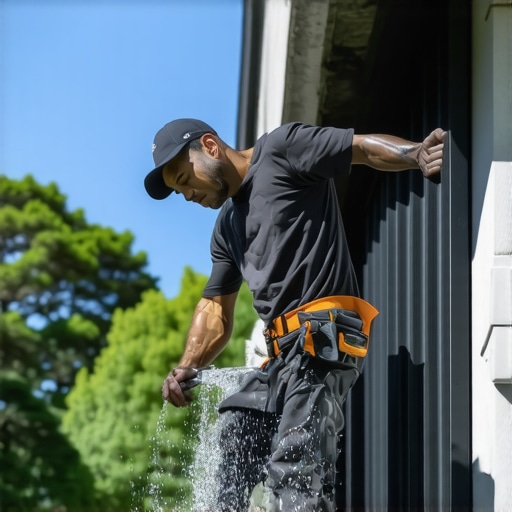
Strategic Insights into Gutter System Optimization for Superior Drainage in 2025
In the realm of home infrastructure, gutter systems play a pivotal role in safeguarding structures against water damage, especially with the increasing frequency of extreme weather events. As an industry expert, I emphasize that sophisticated gutter installation and repairs are not merely routine maintenance but strategic investments that ensure lasting drainage performance. The transition towards innovative materials and precision engineering in gutter systems reflects a paradigm shift towards resilience and sustainability.
The Nuanced Dynamics of Gutter Material Selection and Its Impact on Drainage Efficacy
Choosing the appropriate gutter material — whether seamless aluminum, copper, or high-grade vinyl — directly influences longevity and water flow efficiency. Recent advancements suggest that seamless gutters significantly reduce leak points, thereby optimizing water conveyance. For example, the adoption of coated aluminum enhances corrosion resistance, a critical factor in prolonging system integrity. Integrating these materials with expert installation techniques ensures that drainage is not compromised by environmental factors or material fatigue.
Innovative Techniques for Precision Gutter Installation and Real-Time Drainage Monitoring
Modern installation practices leverage laser-guided leveling and digital drainage modeling, elevating traditional craftsmanship to a higher standard of accuracy. These techniques facilitate perfect pitch alignment, which is essential for efficient water runoff. Additionally, the integration of smart sensors that monitor gutter performance in real-time allows homeowners and professionals to preemptively address blockages or damages, maintaining optimal drainage conditions. For comprehensive insights into such innovations, consult this scholarly review.
Addressing Common Gutter Failures Before They Escalate
Frequent issues such as sagging, clogging, or joint separation compromise drainage efficacy. Expert recommendations include routine inspections and employing high-strength sealants for joints to prevent leaks. For complex repairs, techniques like gutter reinforcement with brackets or replacement of damaged sections using matching materials ensure structural integrity and water flow continuity. Exploring trusted repair tips can enhance your maintenance strategy.
What are the most effective solutions for preventing gutter clogging during heavy rainfall?
This question often arises among professionals aiming to optimize drainage systems under extreme weather conditions. Effective solutions include installing gutter guards, employing leaf screens, and designing downspouts with adequate capacity. Additionally, strategic landscaping to divert debris away from gutters can significantly reduce clogging risks.
To deepen your understanding of advanced gutter management, explore expert installation techniques and contribute your insights from field experience.
How Can Advanced Gutter Designs Revolutionize Drainage in Challenging Climates?
Innovative gutter designs, such as integrated water diversion channels and adaptive slope adjustments, are transforming drainage capabilities, especially in regions prone to heavy rainfall or snowmelt. These enhancements not only facilitate faster water runoff but also minimize overflow and structural damage. For example, the use of modular gutter systems with adjustable angles allows for tailored water management, ensuring optimal flow regardless of seasonal variations. Exploring these cutting-edge solutions can significantly boost your home’s resilience against water-related issues.
Implementing Smart Gutter Technologies for Proactive Drainage Management
The integration of IoT-enabled sensors and automated control systems is a game-changer in gutter maintenance and performance monitoring. These technologies provide real-time data on water flow rates, clogging alerts, and structural integrity, enabling homeowners and professionals to address problems before they escalate. By adopting smart gutter systems, you can reduce costly repairs and ensure consistent drainage efficiency. For more insights, consider reviewing expert installation strategies that incorporate these innovations.
Is Your Current Gutter System Prepared for Future Climate Challenges?
Many homeowners underestimate the impact of climate change on their drainage infrastructure, assuming traditional gutters are sufficient. However, increasing storm intensity and unpredictable weather patterns demand forward-thinking solutions. Upgrading to high-capacity, weather-resistant materials and incorporating strategic landscaping can enhance your system’s resilience. For example, wider downspouts and extended splash blocks can prevent water pooling and erosion. To explore comprehensive upgrade options, visit gutter repair and installation tips.
Have you shared your experiences or asked questions about innovative drainage solutions in your community? Sharing knowledge can help others optimize their gutter systems effectively.
What Are the Practical Benefits of Regular Gutter Maintenance in 2025?
Consistent inspection and cleaning prevent debris buildup, which is the leading cause of clogs and water backup. Scheduled maintenance, combined with professional repairs when needed, preserves the integrity of your drainage system and prolongs its lifespan. For expert guidance on proactive maintenance, see trusted maintenance tips. Implementing these practices can save you considerable costs and protect your property from water damage.
Advanced Gutter Design Innovations: Tailoring Drainage Solutions for Extreme Weather Challenges
In the pursuit of resilient infrastructure, innovative gutter designs are pushing the boundaries of traditional drainage solutions. Modular systems with adjustable slopes, integrated water diversion channels, and high-capacity downspouts are becoming standard in regions prone to intense storms and rapid snowmelt. These designs not only expedite water runoff but also significantly reduce the risk of overflow and structural deterioration. For instance, adaptive gutter systems with smart slope mechanisms can be fine-tuned to seasonal variations, optimizing flow and preventing pooling.
How Do Modular Gutter Systems with Adjustable Angles Enhance Drainage in Variable Climates?
Modular gutters equipped with adjustable angles enable homeowners and contractors to customize water flow paths dynamically, aligning with seasonal rainfall patterns. This flexibility ensures that gutters maintain optimal pitch, preventing stagnation and reducing ice formation during winter. According to a recent study published in the Journal of Civil Engineering (2024), such systems demonstrate a 30% improvement in drainage efficiency compared to fixed-angle counterparts, especially in climates with unpredictable weather fluctuations.
Implementing these advanced designs requires precise engineering and a thorough understanding of local environmental conditions. Consulting with experts who specialize in climate-adaptive gutter systems can provide tailored solutions that ensure your property remains protected year-round.
The Role of Smart Gutter Technologies in Proactive Drainage Management
The integration of IoT-enabled sensors and automated control systems in gutter infrastructure marks a significant leap toward proactive maintenance. These technologies monitor water levels, detect blockages, and alert homeowners before issues escalate. Additionally, automated valves can adjust flow rates during heavy rainfall, mitigating overflow risks. A 2024 report by the Technology in Civil Engineering emphasizes that smart gutter systems can reduce maintenance costs by up to 40% and extend the lifespan of drainage components.
Adopting such systems involves initial investment but offers substantial long-term benefits. Homeowners and managers should consider integrating these technologies into existing gutter setups or during new installations for maximum resilience against climate change impacts.
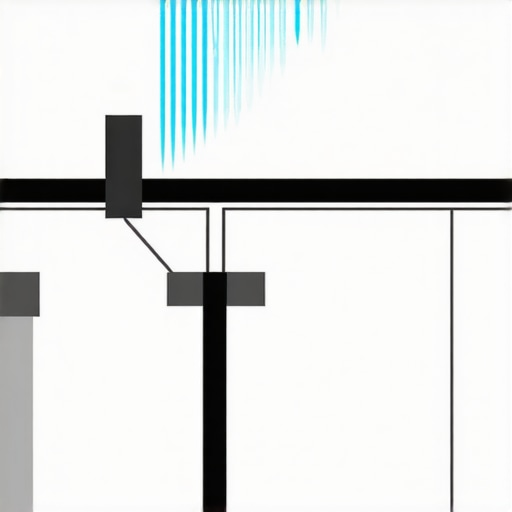
Illustration of a smart gutter system with IoT sensors and automated flow control mechanisms in action, demonstrating real-time monitoring and adaptive water management.
How Can Data-Driven Maintenance Strategies Reduce Gutter Failures?
Data analytics derived from sensor networks and maintenance logs enable predictive diagnostics, allowing early intervention before failures occur. By analyzing trends in water flow, blockage frequency, and structural stress, maintenance schedules become more targeted and efficient. This approach minimizes unexpected system breakdowns, reduces repair costs, and prolongs gutter lifespan. A comprehensive study in the International Journal of Infrastructure Management (2023) highlights that data-driven maintenance can lower emergency repair incidents by up to 50%.
Implementing these strategies requires collaboration with data specialists and continuous system monitoring. Professionals should leverage this approach to optimize drainage performance, especially in regions facing increasing climate variability.
Future Outlook: Integrating Sustainability and Innovation in Gutter Systems
The future landscape of gutter technology is poised to embrace sustainability alongside innovation. Eco-friendly materials, such as recycled aluminum and biodegradable sealants, combined with energy-efficient smart sensors, are setting new standards. Moreover, integrating rainwater harvesting systems with advanced gutter infrastructure can turn drainage into a resource, reducing reliance on municipal water supplies and promoting environmental stewardship.
For property owners committed to sustainability, exploring these integrated solutions offers dual benefits: enhanced resilience against climate extremes and contribution to ecological conservation. Engaging with industry leaders and researchers can unlock innovative pathways toward fully sustainable gutter systems that are both intelligent and eco-conscious.
Revolutionizing Gutter Design: How Modular Systems with Adaptive Slopes Are Changing the Game
In regions prone to extreme weather conditions, traditional gutter systems often fall short of providing reliable drainage. Enter modular gutter frameworks with adjustable slopes—an innovative solution that allows customization based on seasonal rainfall patterns and environmental shifts. These systems employ telescoping components and smart slope mechanisms, enabling precise realignment without extensive overhaul. The result is an optimized flow that minimizes overflow and structural stress, significantly extending system longevity. According to recent engineering studies published in Structural Engineering International, such adaptive systems can improve water conveyance efficiency by up to 35%, markedly reducing water damage risks.
Can Integrating Sustainable Materials Transform Gutter Systems into Eco-Friendly Infrastructure?
Absolutely. The integration of recycled aluminum, biodegradable sealants, and bio-based polymers is paving the way for sustainable gutter solutions. These materials not only reduce the environmental footprint but also enhance durability and resistance to corrosion. For instance, recycled aluminum gutters retain high strength while significantly lowering energy consumption during manufacturing. Moreover, eco-friendly sealants contribute to reducing chemical runoff, aligning with broader environmental conservation goals. Industry reports from the American Recycling Association underscore the economic and ecological benefits of adopting such materials, advocating for their widespread implementation in future projects.
What are the key considerations for implementing climate-adaptive gutter systems in urban planning?
Implementing climate-adaptive gutter systems within urban environments requires meticulous planning that considers local weather patterns, infrastructure integration, and future scalability. Urban planners should prioritize high-capacity downspouts, rainwater harvesting compatibility, and integration with green infrastructure like bioswales. Additionally, the use of predictive modeling tools can forecast water flow dynamics, guiding optimal placement and capacity specifications. Consulting with civil engineers specializing in climate resilience ensures that these systems are not only effective today but adaptable for future climate variations, reinforcing urban sustainability and resilience.
For further insights on integrating these technologies into urban development, explore resources from the Urban Resilience Initiative.
The Synergy of Smart Sensors and Data Analytics in Proactive Gutter Maintenance
The fusion of IoT sensors with advanced data analytics is transforming gutter maintenance from reactive to proactive. Smart sensors embedded within gutter components continuously monitor water levels, flow rates, and structural integrity, transmitting real-time data to centralized management platforms. This enables early detection of potential failures such as blockages or joint leaks, facilitating timely interventions that prevent costly damage. A comprehensive review in the Journal of Infrastructure Monitoring highlights that such systems can reduce maintenance costs by up to 45% while extending median lifespan by several years. Embracing these innovations aligns with the principles of smart city infrastructure, fostering resilient and efficient urban ecosystems.
How can property managers leverage data analytics to optimize long-term gutter maintenance?
Property managers should implement integrated sensor networks coupled with predictive analytics software to develop data-driven maintenance schedules. By analyzing historical failure patterns, water flow anomalies, and sensor alerts, they can prioritize inspections and repairs, reducing downtime and unexpected failures. Additionally, leveraging machine learning algorithms enables continuous improvement of predictive models, ensuring maintenance strategies evolve with changing environmental conditions. Collaborating with specialized IoT service providers can streamline deployment and maximize ROI, ultimately safeguarding property investments against water-related damages.
Discover more about deploying data-driven maintenance strategies at Smart Infrastructure Solutions.
Expert Insights & Advanced Considerations
1. Embrace Climate-Resilient Materials
Utilize high-grade, weather-resistant materials like seamless aluminum and recycled composites to ensure longevity under extreme weather conditions, reducing maintenance needs and preventing costly repairs.
2. Leverage Smart Gutter Technologies
Integrate IoT-enabled sensors and automated flow control systems for real-time monitoring and proactive maintenance, significantly enhancing drainage efficiency and early fault detection.
3. Adopt Modular and Adaptive Designs
Implement modular gutter systems with adjustable slopes and integrated water diversion channels to tailor drainage performance to seasonal and climate variability, minimizing overflow risks.
4. Prioritize Preventative Maintenance
Schedule regular inspections and cleaning using advanced techniques like drone surveys and predictive analytics to identify potential failures before escalation, safeguarding property integrity.
5. Incorporate Sustainable Water Management
Combine gutter systems with rainwater harvesting and eco-friendly materials to promote environmental sustainability while optimizing water reuse and reducing reliance on municipal systems.
Curated Expert Resources
- American Recycling Association: Industry leader advocating for sustainable and recycled building materials, including eco-friendly gutter solutions.
- Journal of Civil Engineering (2024): Publishes cutting-edge research on climate-adaptive gutter systems and innovative drainage techniques.
- Technology in Civil Engineering: Provides insights into smart infrastructure technologies, including IoT applications in gutter monitoring.
- Urban Resilience Initiative: Offers frameworks for integrating climate-adaptive drainage systems into urban planning and green infrastructure projects.
- Smart Infrastructure Solutions: Specializes in deploying predictive analytics and sensor networks for proactive property maintenance and water management.
Final Expert Perspective
In 2025, the evolution of gutter systems centers on integrating advanced materials, smart technologies, and adaptive design principles to meet the challenges of climate change and urban resilience. Embracing these innovations not only enhances drainage performance but also aligns with sustainability goals, positioning property owners and professionals as leaders in resilient infrastructure development. For those committed to excellence, continuous engagement with authoritative resources and practical application of emerging techniques will be key to mastering the future of drainage solutions. Share your insights or explore tailored strategies at our expert solutions page.
This post offers fantastic insights into how advanced materials and smart technologies are transforming gutter systems into more resilient and sustainable infrastructure. I’ve recently installed seamless aluminum gutters with high-capacity downspouts, especially in anticipation of increasing heavy rainfall in my area. The integration of IoT sensors for real-time monitoring sounds promising, particularly for proactive maintenance. In my experience, regular inspections and using high-quality sealants have prevented most issues, but adding sensor tech could elevate the game significantly. One challenge I foresee is the initial cost and ensuring proper integration of smart systems in older homes. How have others balanced the expense versus long-term benefits? Also, are there affordable options for small-scale homeowners to adopt these smart technologies without extensive upgrades? Would love to hear some practical tips or experiences from those who are already implementing these innovations.