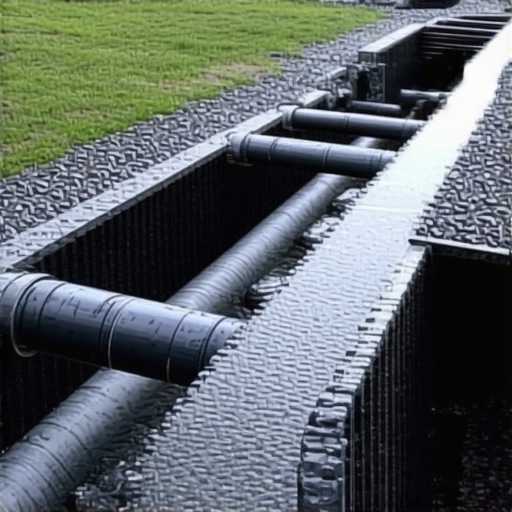
Elevating Rainwater Management with Expert Drainage System Solutions
In the realm of sustainable urban planning and resilient infrastructure, the sophistication of drainage systems plays a pivotal role. As rainwater management challenges intensify due to climate change and urbanization, deploying expert drainage solutions becomes essential for safeguarding properties and ensuring environmental compliance.
Integrating Hydrological Insights for Precision Drainage Design
Advanced drainage strategies leverage detailed hydrological modeling and real-time data analytics to optimize flow paths and reduce flood risks. Incorporating smart sensors and IoT technology allows for continuous monitoring, enabling proactive maintenance and rapid response. This approach ensures that drainage systems not only meet current demands but adapt to future climatic variability.
Innovative Materials and Construction Techniques for Durability
Utilizing high-performance materials such as polymer composites and permeable concrete enhances longevity and functionality of drainage infrastructure. These materials facilitate better infiltration, reduce clogging, and withstand extreme weather conditions. Expert installation practices, including precision grading and joint sealing, further reinforce system resilience against erosion and debris accumulation.
Optimizing Gutter and Downspout Configurations for Effective Rainwater Diversion
Properly designed gutter and downspout systems are critical for directing water away from foundations and vulnerable zones. Modern solutions incorporate seamless gutter fabrication, leaf guards, and adjustable outlets to minimize maintenance and maximize efficiency. Regular inspection and strategic placement of cleanout points support long-term performance.
What Are the Most Recent Advances in Drainage Gutter Technology for Urban Environments?
Recent developments include the integration of modular, bioinfiltration-enabled gutter systems that promote groundwater recharge while preventing surface flooding. Innovations such as self-cleaning gutter systems with embedded UV sterilization are gaining traction, reducing manual maintenance and enhancing water quality. Staying informed about these trends enables professionals to craft adaptive, future-proof drainage networks.
For further insights on enhancing your drainage infrastructure, explore expert installation and repair techniques at Elite Gutter Works. Sharing professional experiences and insights can significantly advance collective expertise in rainwater management.
Why Modern Gutter Designs Are a Game-Changer for Urban Drainage
As urban environments face increasing rainfall intensity and frequency, traditional gutters often fall short in managing water efficiently. Innovative gutter designs, such as dual-chamber systems and integrated biofiltration units, are now revolutionizing rainwater diversion. These systems not only prevent water from spilling over but also promote groundwater recharge and reduce surface runoff, aligning with sustainable development goals. For a comprehensive upgrade, consider expert gutter installation and repair solutions that incorporate these advanced features.
How Can Smart Gutter Technologies Enhance Flood Prevention
The integration of IoT-enabled sensors within gutter systems provides real-time data on flow rates, blockages, and structural integrity. These smart gutters alert homeowners and maintenance teams before failures occur, enabling timely intervention. Some systems even feature self-cleaning mechanisms driven by UV sterilization, significantly reducing manual labor and maintenance costs. To stay ahead in rainwater management, exploring such smart gutter solutions offers a strategic advantage.
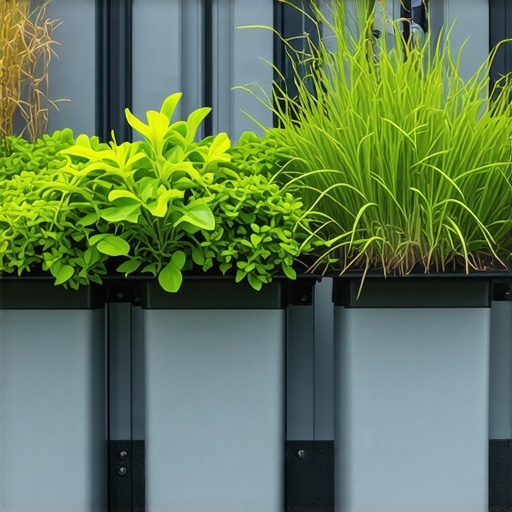
What Are the Practical Impacts of These Technologies on Property Protection?
Implementing cutting-edge gutter technologies minimizes the risk of water damage to foundations, basements, and landscaping. Properly managed rainwater reduces erosion and prevents mold growth indoors. For tailored advice, consult professionals who specialize in gutter maintenance and repair tailored for high-performance systems.
External experts emphasize that integrating these solutions within a comprehensive drainage strategy can significantly enhance resilience against extreme weather events. According to a recent study by the American Society of Civil Engineers, smart drainage systems are a critical component in future-proofing urban infrastructure.
Share Your Experiences or Ask About Next-Gen Gutter Innovations
If you’ve recently upgraded your gutters or are considering new technologies, join the conversation below. For more in-depth insights, explore how these advancements can be integrated with drainage system solutions designed for maximum efficiency and longevity.
Revolutionizing Urban Drainage with Modular Bioinfiltration Systems
One of the most promising innovations in modern rainwater management is the advent of modular bioinfiltration systems integrated directly into gutter infrastructure. These systems enable urban environments to effectively manage stormwater while simultaneously replenishing groundwater supplies. By mimicking natural processes, bioinfiltration modules utilize engineered soils and vegetation to filter pollutants, reduce runoff volume, and promote eco-friendly water cycling. Such solutions are particularly valuable in densely populated areas where space constraints limit traditional infiltration options.
Implementing these advanced modules requires a nuanced understanding of local hydrological patterns and soil characteristics. Experts often recommend site-specific designs that optimize infiltration rates and accommodate varying rainfall intensities. As research by the Water Environment Federation indicates, the integration of bioinfiltration into urban drainage is essential for achieving sustainable stormwater management goals and complying with increasingly stringent environmental regulations.
Harnessing IoT for Proactive Rainwater System Maintenance
The Internet of Things (IoT) continues to revolutionize how professionals monitor and maintain drainage infrastructure. Smart sensors embedded within gutter systems provide continuous real-time data on water flow, sediment buildup, and structural health. This granular insight allows maintenance teams to predict potential failures before they occur, significantly reducing costly repairs and system downtime. Moreover, IoT-enabled systems can automatically trigger cleaning cycles or alert operators when blockages are detected, ensuring optimal performance during critical weather events.
For instance, recent case studies from urban centers like Singapore demonstrate that IoT-integrated gutter systems not only improve resilience against flooding but also extend the lifespan of infrastructure assets. The ability to analyze historical data trends further informs strategic planning, enabling cities to allocate resources efficiently and adapt maintenance schedules dynamically.
What are the key challenges in deploying IoT-enabled gutter systems at scale in metropolitan areas?
Deploying IoT systems at a city-wide level involves overcoming challenges related to data security, sensor durability in harsh weather conditions, and integration with existing infrastructure. Ensuring data privacy and cybersecurity is crucial, as these systems handle sensitive operational information. Additionally, sensors must be resistant to corrosion, debris, and extreme temperatures to maintain accuracy over time. Successful large-scale deployment also depends on seamless integration with urban management platforms and stakeholder collaboration, requiring comprehensive planning and coordination.
To deepen your understanding of these cutting-edge developments, consult authoritative sources such as the Journal of Urban Water Management, which publishes peer-reviewed research on smart infrastructure innovations.
Incorporating Sustainability Metrics into Gutter Design for Eco-Friendly Cities
As cities strive toward sustainability goals, integrating environmental metrics into gutter design is becoming standard practice. This approach involves assessing factors such as carbon footprint, lifecycle costs, and ecological impact during the planning and construction phases. Advanced materials like recycled plastics and permeable composites are now favored for their lower environmental footprint and superior performance. Moreover, designing gutters with features that facilitate water harvesting and reuse aligns with circular economy principles.
Quantifying the ecological benefits of these innovations requires sophisticated modeling tools that simulate long-term environmental impacts. According to the International Journal of Environmental Science and Technology, adopting a holistic sustainability framework in drainage design enhances urban resilience while reducing ecological degradation. This proactive strategy positions cities at the forefront of climate adaptation.
If you’re interested in implementing these sustainable solutions, collaborating with environmental engineers and urban planners specializing in green infrastructure can maximize your project’s success. Explore detailed case studies and technical guides available at the Sustainable Cities Institute for actionable insights.
Reimagining Urban Drainage with Modular Bioinfiltration Units
In densely populated metropolitan areas, the deployment of modular bioinfiltration systems within existing gutter infrastructure offers a sustainable solution to stormwater management. These engineered modules utilize vegetated soils to naturally filter pollutants, enhance groundwater recharge, and significantly reduce surface runoff volumes. Their adaptability to space constraints makes them ideal for retrofit projects, aligning urban resilience with ecological preservation.
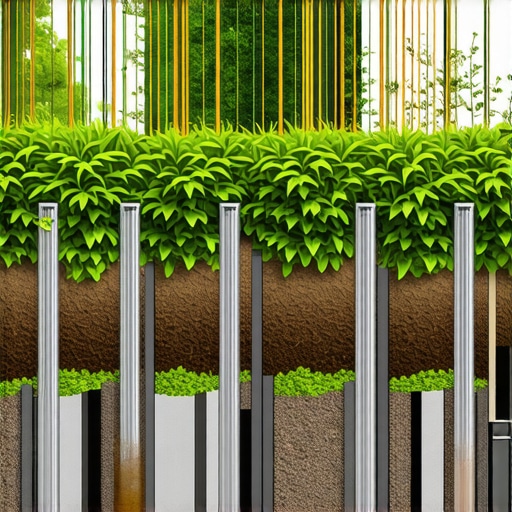
Optimizing Data-Driven Maintenance for Resilient Infrastructure
The integration of real-time data analytics through IoT sensors fosters a paradigm shift in managing urban gutter systems. These sensors monitor flow rates, sediment accumulation, and structural health, enabling predictive maintenance that minimizes downtime during critical weather events. The granularity of data supports strategic planning and resource allocation, ultimately prolonging infrastructure lifespan and reducing operational costs.
Expert Strategies for Scaling Smart Gutter Deployment
Overcoming challenges related to cybersecurity, sensor durability, and system integration is essential for successful city-wide adoption of IoT-enabled gutters. Establishing standardized protocols and investing in robust sensor technology ensures data integrity and operational resilience. Collaboration among urban planners, engineers, and cybersecurity specialists is crucial to facilitate seamless integration within existing municipal infrastructure.
Why Sustainability Metrics Are Revolutionizing Drainage Design
Incorporating ecological and lifecycle assessments into gutter system planning elevates urban water management from reactive to proactive. Utilizing recycled materials and designing for water harvesting not only reduces environmental footprints but also promotes circular economy principles. Advanced modeling tools that simulate ecological impacts help quantify benefits, guiding policymakers toward greener urban landscapes.
For those seeking to implement such innovative solutions, partnering with environmental engineers and leveraging resources like the Sustainable Cities Institute can catalyze project success and ensure compliance with evolving environmental standards.
Expert Insights for Next-Generation Drainage Solutions
Innovate with Hydrological Precision
Leveraging sophisticated hydrological modeling and real-time data analytics enables drainage systems to adapt dynamically, ensuring optimal performance even under changing climatic conditions. Incorporating IoT sensors and smart monitoring enhances predictive maintenance, reducing downtime and safeguarding urban infrastructure.
Material Science Elevates Durability
The deployment of high-performance materials like permeable concrete and polymer composites significantly extends system lifespan. These materials facilitate better infiltration, resist clogging, and withstand extreme weather, providing a resilient foundation for modern drainage networks.
Designing for Maximum Efficiency
Advanced gutter configurations, including seamless fabrication and integrated biofiltration, optimize rainwater diversion and groundwater recharge. Strategic placement of cleanout points and maintenance access ensures long-term operational integrity, minimizing manual intervention.
Harnessing Smart Technologies
IoT-enabled gutter systems with embedded sensors deliver continuous flow and structural health data. Automated alerts and self-cleaning mechanisms reduce manual labor, improve response times, and enhance flood prevention measures in urban settings.
Incorporate Sustainability Metrics into Planning
Utilizing lifecycle assessments and eco-friendly materials aligns drainage strategies with sustainable urban development. Designing for water harvesting and reusability supports circular economy principles, fostering eco-conscious cityscapes.