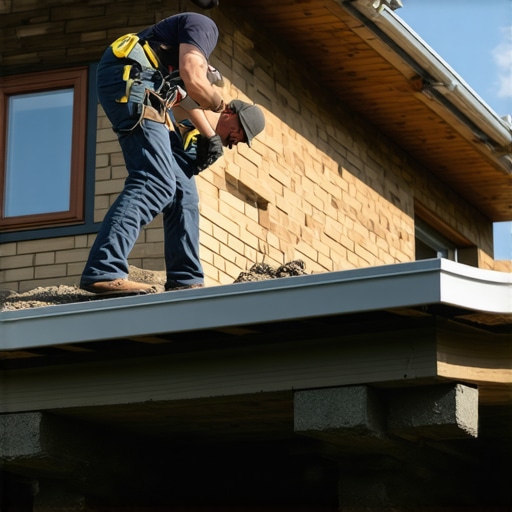
Enhancing Rainwater Management: The Critical Role of Speed and Precision in Gutter Repairs and Installations
In an era where climate variability introduces unpredictable and intense rainfall patterns, the emphasis on efficient gutter systems has never been more pronounced. As a seasoned expert in drainage solutions, I recognize that rapid, precision-driven gutter repairs and installations are essential for safeguarding properties against water damage and maintaining structural integrity. This article delves into the nuanced techniques and innovative approaches shaping the future of gutter systems in 2024, emphasizing the importance of lasting drainage solutions.
Advanced Techniques for Swift and Durable Gutter Repairs
How can professional-grade materials and tools revolutionize the speed and longevity of gutter repairs?
Utilizing high-quality materials such as corrosion-resistant aluminum and seamless joint technology, repair professionals can significantly reduce downtime while enhancing durability. Power tools like cordless rivet guns and thermal welders streamline installation processes, ensuring tight seals and minimized leak points. Moreover, the integration of diagnostic tools, including drone inspections and moisture sensors, facilitates precise identification of problem areas—accelerating repair timelines and improving outcome reliability. These advancements align with the broader trend of adopting smart technology to optimize maintenance cycles and extend the lifespan of gutter systems.
Strategic Approaches to Gutter Installation for Future-Ready Drainage
Modern gutter installation transcends mere placement; it encompasses system design optimization tailored to environmental conditions. This involves calculating optimal slope gradients for efficient flow, selecting materials with superior weather resistance, and incorporating innovative features like integrated leaf protection and seamless guttering. For complex terrains or high rainfall zones, custom drainage routing and underground extensions ensure that water is efficiently diverted away from foundations, preventing long-term structural issues.
How does the selection of materials influence the reliability of drainage in varying climatic conditions?
The choice of gutter materials profoundly impacts system resilience. For instance, galvanized steel offers strength but is prone to corrosion without proper coatings, whereas vinyl gutters are lightweight and resistant to rust but may deform under extreme heat. Recently, composite materials combining durability and flexibility have gained popularity, providing consistent performance amidst fluctuating temperatures and moisture levels. Such considerations are pivotal in designing drainage solutions that are not only effective but also sustainable over decades.
Exploring Expert Strategies for Maintaining Lasting Drainage Efficiency
Beyond initial installation, ongoing maintenance plays a vital role in ensuring drainage longevity. Regular cleaning, inspection for debris accumulation, and prompt repairs prevent blockages and water overflow, which can compromise building foundations. Advanced gutter guards and automated cleaning systems are emerging as proactive measures to sustain drainage performance without frequent manual intervention. For insights into comprehensive maintenance protocols, consult reliable gutter cleaning tips.
What are the most promising innovations in gutter system design for 2024?
Emerging innovations include self-cleaning gutter technology, rainwater harvesting integrations, and smart sensors that monitor flow and alert homeowners to potential blockages. These advancements are supported by ongoing research published in environmental engineering journals, such as the recent white paper from the ScienceDirect platform, emphasizing sustainable and adaptive drainage solutions.
For professionals aiming to elevate their expertise, exploring detailed guides on expert gutter repair and installation can provide valuable insights. Additionally, engaging with community forums and contributing to industry discussions fosters innovation and shared knowledge in this field.
Stay ahead in 2024 by integrating these cutting-edge strategies and tools into your gutter management practices. Continuous learning and adaptation are essential for delivering resilient, efficient drainage solutions that protect properties and optimize water management systems.
Revolutionizing Gutter Systems: How Smart Technologies Are Elevating Drainage Efficiency
As the world advances into 2024, the integration of smart technology into gutter systems is transforming traditional drainage management. From sensor-activated alerts to automated cleaning mechanisms, these innovations are setting new standards for property protection and water management. Technologies such as flow sensors and IoT-enabled monitoring devices enable homeowners and professionals to receive real-time updates on gutter performance, detecting blockages or leaks before they cause damage. This proactive approach not only minimizes maintenance costs but also ensures optimal water flow during heavy rainfall events.
Can AI and Machine Learning Predict and Prevent Gutter Failures?
Artificial Intelligence (AI) and machine learning are emerging as pivotal tools in predictive maintenance for drainage systems. By analyzing data from sensors embedded within gutters, AI algorithms can forecast potential failure points, suggest timely repairs, and optimize cleaning schedules. This data-driven approach moves beyond reactive maintenance, allowing for strategic planning that extends gutter lifespan and enhances system reliability. For example, predictive analytics can identify patterns indicating corrosion or accumulation trends, prompting preemptive interventions that prevent costly water damage and structural issues. For a comprehensive understanding of these cutting-edge solutions, consult expert gutter repair and installation.
How can integrating sustainable materials and eco-friendly designs future-proof gutter systems?
Incorporating sustainable materials such as recycled composites and biodegradable components not only reduces environmental impact but also enhances the durability of gutter systems. Eco-friendly designs often include features like rainwater harvesting, which conserves water and reduces runoff. Furthermore, the adoption of green infrastructure principles, such as permeable gutter covers and natural filtration elements, aligns with broader environmental goals and urban resilience strategies. These innovations enable properties to adapt to climate change impacts, such as increased storm intensity and irregular rainfall patterns, ensuring long-term drainage efficacy. To explore more about modern sustainable drainage solutions, visit expert gutter installation and repairs.
Interested in learning how to implement these advanced strategies? Share your thoughts or ask questions below, and discover more about future-proofing your drainage systems!
Unlocking the Potential of Modular Gutter Systems for Rapid Deployment and Maintenance
As urban environments evolve, the demand for scalable, flexible gutter solutions rises. Modular gutter systems, designed with interlocking components and standardized connections, enable rapid installation and easy maintenance—crucial during emergency repairs or large-scale projects. These systems allow for quick segment replacements without extensive disassembly, reducing downtime and labor costs. Integrating smart connectors with sensors can further enhance maintenance efficiency by providing real-time status updates, predicting potential failures before they manifest. This approach aligns with the trend toward adaptive infrastructure, where flexibility and technology converge to optimize drainage performance.
How Can Advanced Hydrodynamic Modeling Improve Gutter Design for Extreme Weather Events?
Hydrodynamic modeling employs sophisticated computational techniques to simulate water flow within gutter systems under various rainfall intensities and environmental conditions. By leveraging tools like Computational Fluid Dynamics (CFD), engineers can predict potential choke points, overflow scenarios, and structural stresses with high precision. This predictive capability informs design modifications, such as optimizing gutter slopes, cross-sectional profiles, and outlet placements to withstand extreme events. According to a study published in the Journal of Hydraulic Engineering (2022), integrating such models into the design process significantly enhances system resilience, reducing the risk of catastrophic failures during storm surges or flash floods.
What role do nanomaterials play in enhancing gutter surface properties against environmental degradation?
Nanotechnology offers promising avenues to extend gutter lifespan through the application of nanocoatings and nanomaterials. These ultra-thin coatings can impart hydrophobic properties, reducing dirt and debris adherence, and increasing resistance to corrosion and UV degradation. For example, titanium dioxide (TiO2) nanocoatings exhibit self-cleaning capabilities by breaking down organic contaminants when exposed to sunlight, thereby maintaining gutter cleanliness with minimal manual intervention. Such innovations not only improve aesthetic longevity but also decrease maintenance frequency, aligning with sustainability goals and cost-efficiency. For detailed insights into nanotech applications, consult the comprehensive review in Environmental Nanotechnology.
Innovative Approaches to Integrating Green Infrastructure with Gutter Systems
Green infrastructure principles are increasingly integrated into gutter design to promote urban resilience and ecological benefits. Features such as vegetated swales, permeable covers, and bioretention modules can be combined with traditional gutters to facilitate stormwater infiltration, reduce runoff volumes, and improve water quality. Additionally, incorporating rain gardens adjacent to gutter outlets can serve as natural filtration zones, attenuating pollutants before water reaches groundwater or water bodies. These hybrid systems exemplify a shift toward sustainable urban drainage solutions, which not only mitigate flooding but also enhance biodiversity and air quality. For a comprehensive guide, explore resources from the EPA’s Green Infrastructure Program.
Interested in pioneering these innovative solutions? Share your projects or questions below, and stay connected with emerging trends in drainage technology and sustainable design.
Harnessing Hydrodynamic Modeling for Extreme Weather Resilience in Gutter Design
Incorporating advanced hydrodynamic modeling, particularly Computational Fluid Dynamics (CFD), revolutionizes how engineers anticipate water flow challenges during severe rainfall events. By simulating real-world scenarios, designers can optimize gutter slopes, cross-sectional profiles, and outlet placements to mitigate overflow risks and structural stress. Recent studies in the Journal of Hydraulic Engineering underscore the importance of these tools in creating resilient drainage systems capable of withstanding climate-induced extremes.
What Role Do Nanomaterials Play in Enhancing Gutter Durability and Self-Cleaning Properties?
Nanotechnology introduces groundbreaking coatings such as titanium dioxide (TiO2) nanolayers that imbue gutters with self-cleaning and anti-corrosion properties. These ultra-thin, hydrophobic coatings reduce debris adherence, facilitate organic pollutant breakdown under sunlight, and significantly extend service life. As a result, maintenance becomes less frequent and more cost-effective, aligning with sustainable urban infrastructure goals. For an in-depth understanding, see the comprehensive review in Environmental Nanotechnology.
How Can Green Infrastructure Principles Be Seamlessly Integrated into Modern Gutter Systems?
Modern urban drainage solutions increasingly leverage green infrastructure concepts, combining vegetated swales, permeable covers, and bioretention modules with traditional gutters. These hybrid systems enable stormwater infiltration, pollutant filtration, and runoff volume reduction, thereby enhancing urban resilience to flooding. Rain gardens positioned near gutter outlets serve as natural filtration zones, promoting ecological benefits alongside functional performance. For detailed guidance, consult the EPA’s Green Infrastructure Program.
Exploring Modular Gutter Systems for Rapid Deployment and Maintenance Efficiency
Modular gutter systems, characterized by interlocking components and standardized connections, facilitate swift installation and straightforward maintenance. These adaptable solutions are particularly advantageous during emergency repairs or large-scale urban projects, reducing labor time and costs. Integrating smart connectors equipped with sensors can provide real-time system status updates, predicting failures before they occur and enabling preemptive interventions that preserve system integrity.
Can AI and Machine Learning Elevate Predictive Maintenance in Gutter Management?
AI-powered analytics analyze sensor data to forecast potential gutter failures, optimize cleaning schedules, and recommend targeted repairs. This predictive approach surpasses traditional reactive maintenance, offering strategic insights that extend gutter lifespan and prevent costly water damage. For example, machine learning algorithms can identify corrosion patterns or debris accumulation trends, informing proactive measures. For further insights, explore the expert gutter repair and installation resource.
What are the latest innovations in environmentally sustainable gutter materials and eco-friendly design practices?
Emerging sustainable materials include recycled composites and biodegradable components that reduce environmental impact while enhancing durability. Eco-friendly designs incorporate rainwater harvesting features, permeable gutter covers, and natural filtration systems, supporting climate adaptation and urban resilience. These innovations align with green infrastructure goals, helping properties cope with increased storm intensity and irregular rainfall patterns. To learn more, visit expert gutter installation and repairs.
The Future of Gutter Systems: Embracing Smart Technologies and Sustainable Innovation
Integrating IoT-enabled sensors and automated cleaning mechanisms, modern gutter systems are transforming property management. These smart solutions provide real-time flow monitoring, alert homeowners to potential blockages, and facilitate maintenance scheduling, thereby minimizing damage risks during heavy storms. As research in environmental engineering advances, the adoption of self-cleaning gutter technology, rainwater harvesting integrations, and adaptive materials will define the next era of resilient, eco-friendly drainage infrastructure.
Expert Insights & Advanced Considerations
Innovative Material Technology
Utilizing nanocoatings such as titanium dioxide (TiO2) significantly enhances gutter surface durability and self-cleaning properties, reducing maintenance and extending lifespan.
Hydrodynamic Modeling
Applying Computational Fluid Dynamics (CFD) allows precise prediction of overflow scenarios during extreme weather, informing more resilient gutter designs tailored to climate challenges.
Sustainable and Eco-Friendly Design
Integrating recycled composites and permeable covers aligns with green infrastructure principles, promoting urban resilience and ecological benefits while maintaining high performance.
Smart Technology Integration
IoT-enabled sensors and automated cleaning systems facilitate real-time monitoring and proactive maintenance, minimizing water damage risks and optimizing drainage efficiency.
Modular and Rapid Deployment Systems
Modular gutter systems with standardized components enable quick installation and easy repairs, crucial during emergency scenarios and large-scale urban projects.
Curated Expert Resources
- EPA Green Infrastructure Program: Offers comprehensive guidelines on sustainable stormwater management practices and ecological design integration.
- ScienceDirect Environmental Nanotechnology Journal: Features cutting-edge research on nanomaterials and nanocoatings for infrastructure durability.
- Journal of Hydraulic Engineering: Provides advanced studies on hydrodynamic modeling for extreme weather resilience.
Final Expert Perspective
In 2024, optimizing rainwater drainage through innovative materials, predictive modeling, and sustainable design is paramount for resilient infrastructure. Embracing smart technology and modular systems ensures adaptive, cost-effective solutions that stand the test of climate challenges. Engage with these expert strategies and deepen your knowledge by exploring the recommended resources—your proactive approach today secures lasting protection tomorrow. For a deeper dive into these advanced techniques, visit expert gutter repair and installation.
Reading through this post really underscores how crucial it is for professionals to not only focus on fast and durable gutter repairs but also leverage emerging technologies like drone inspections and moisture sensors. In my experience working on commercial buildings, rapid repair techniques that incorporate high-quality, corrosion-resistant materials significantly reduce downtime, especially during heavy rain seasons. I’m particularly intrigued by the integration of smart sensors for predictive maintenance, which seems to be a game-changer in preventing major water damage before it happens. Have any of you incorporated AI or IoT devices into your gutter systems yet? I’d love to hear how these innovations are working in different environments or if there are any hurdles to adoption in more traditional setups.
I found this post especially timely given the increasing frequency of intense storms and unpredictable weather patterns. Modern tools like drone inspections and advanced moisture sensors are indeed revolutionizing how we approach gutter repairs, allowing for faster, more precise identification of issues. From my experience, integrating these technologies with durable, corrosion-resistant materials like seamless aluminum has markedly improved repair longevity and minimized disruptions for clients. One challenge I’ve faced is convincing some traditional property managers to adopt these new systems due to initial costs and unfamiliarity. However, I believe the long-term savings and structural protections far outweigh these barriers. I’m curious—has anyone successfully overcome resistance from clients or team members when implementing innovative tech in gutter maintenance? What strategies have proved effective in demonstrating the value of these advanced solutions?” ,
This article highlights some fascinating advancements in gutter technology for 2024, especially the role of hydrodynamic modeling and nanomaterials in improving resilience and durability. I’ve seen firsthand how integrating CFD simulations during the design phase can prevent overflow issues during extreme weather, which is crucial in our shifting climate patterns. Also, nanocoatings like TiO2 are proving to be extremely effective in reducing maintenance needs and resisting environmental degradation. In my experience working with urban properties, adopting modular gutter systems with smart sensors has streamlined maintenance and minimized downtime, especially during sudden storms. I wonder, how have other professionals balanced the upfront costs of these innovative materials and systems with their long-term benefits? Do you think the industry is shifting fast enough to fully embrace these green and smart solutions, or are there still significant barriers?”,
This post really highlights how crucial the latest innovations are for maintaining effective drainage systems in an era of unpredictable weather. I’ve personally been experimenting with modular gutter components combined with smart sensors, and the results are promising in terms of quick deployments and proactive maintenance. The challenge, however, lies in convincing property owners to invest upfront in these advanced materials and systems, especially when traditional options seem cheaper initially. I’ve noticed that demonstrating the long-term savings and resilience benefits often helps in gaining their confidence. Has anyone here faced similar barriers and managed to persuade clients about the cost-effectiveness of smart, sustainable gutter solutions? Also, do you see a broader industry shift towards more eco-friendly and tech-driven gutter management in the next few years? I believe that embracing these technologies not only extends system life but also aligns with our growing sustainability commitments, which is encouraging.
This post really emphasizes how vital rapid and precise gutter repairs are in today’s climate, especially with more unpredictable weather patterns. I’ve had firsthand experience using advanced diagnostic tools, like moisture sensors, combined with high-quality materials such as seamless aluminum, and it’s made a huge difference in repair longevity and speed. One aspect I find challenging, however, is convincing clients about the long-term value of investing in smart technology — especially initial costs. Has anyone had success in demonstrating significant ROI to hesitant property managers? I believe as AI and IoT become more mainstream, we’ll see broader adoption, particularly with the push toward sustainable, eco-friendly systems. Curious—what have been your experiences with making a compelling case for these innovations? Are there particular metrics or case studies you find most persuasive? The integration of these emerging technologies seems promising for shaping the future of drainage management.