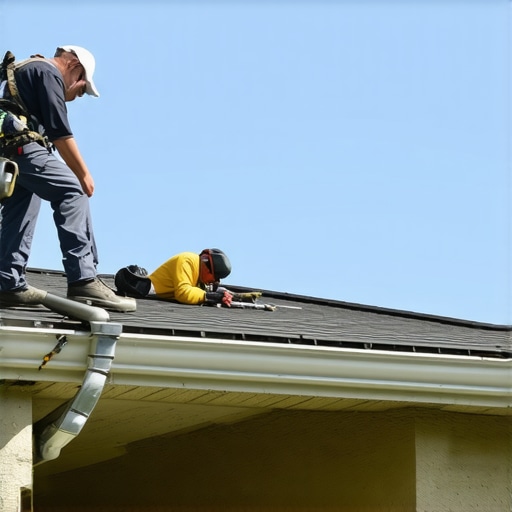
Understanding the Critical Role of Gutter Systems in Modern Property Management
In the realm of sustainable architecture and proactive property maintenance, gutter installation and repairs serve as fundamental pillars. As an industry expert, I recognize that a well-designed gutter system not only channels water efficiently but also preserves the structural integrity of buildings, preventing costly water damages. This comprehensive guide delves into the nuanced science of gutter systems, emphasizing advanced techniques and materials that optimize drainage performance under diverse climatic conditions.
Innovative Approaches to Gutter Installation: Beyond the Basics
Traditional gutter installation often relies on standard materials and straightforward slopes, which may suffice in moderate climates. However, for high-performance buildings situated in areas prone to intense rainfall or snowmelt, employing innovative materials such as seamless aluminum or polymer composites significantly reduces leakage risks. Moreover, integrating seamless gutter systems with sophisticated drainage solutions—like internal downspouts and rainwater harvesting modules—enhances overall efficiency. Expert installation methods focus on precise slope calculations and secure fastening techniques to ensure durability and optimal water flow, as elaborated in this detailed installation guide.
Addressing the Complexities of Gutter Repairs: Diagnostic Precision and Material Selection
Gutter repairs extend beyond patchwork; they demand a diagnostic approach rooted in understanding material fatigue, joint deterioration, and debris accumulation. Advanced inspection techniques, including drone assessments and infrared thermography, enable precise identification of leaks and blockages. Selecting appropriate repair materials—such as reinforced sealants and corrosion-resistant hardware—prevents recurring issues. For instance, replacing compromised sections with seamless, corrosion-proof aluminum maintains system integrity over decades. Referencing this expert repair resource offers actionable insights into optimizing repair longevity.
How Can Integrated Drainage Solutions Maximize Gutter System Efficiency?
Effective drainage integration involves combining gutter systems with subsurface piping and overflow management to handle extreme weather events. Such systems mitigate the risk of water pooling and foundation erosion, crucial for high-value properties. Implementing these solutions requires a nuanced understanding of site-specific hydrology, including runoff coefficients and soil permeability. Advanced modeling tools can simulate water flow, guiding the design of drainage systems that adapt dynamically to weather patterns, thereby safeguarding property value and structural health.
What Are the Emerging Trends in Gutter System Technology for 2025?
Looking ahead, the integration of smart sensors and IoT-enabled monitoring devices into gutter systems represents a frontier in property protection. These sensors detect blockages, leaks, and overflow in real-time, alerting homeowners or maintenance professionals instantly. Such innovations facilitate predictive maintenance, reducing downtime and repair costs. As experts, we advocate for adopting these technologies early to stay ahead of potential water damage issues and maintain a resilient property infrastructure.
For comprehensive strategies on drainage system optimization, explore this authoritative resource. Your insights and experiences are also valuable—consider contributing to community discussions or consulting with specialists to tailor solutions that meet unique property requirements.
Harnessing the Power of Advanced Materials for Next-Generation Gutter Systems
As property owners seek to enhance durability and efficiency, the adoption of cutting-edge materials like thermoplastic elastomers and nano-coated alloys is gaining traction. These innovative materials provide superior corrosion resistance, flexibility, and longevity, which are essential for maintaining optimal drainage performance over decades. Integrating such materials into seamless gutter designs not only reduces maintenance needs but also ensures resilience against extreme weather conditions, as discussed in this comprehensive installation guide.
Implementing Intelligent Gutter Management: Beyond Traditional Maintenance
Traditional gutter maintenance often relies on periodic cleaning and inspections. However, the integration of smart technology—such as IoT-connected sensors, automated cleaning robots, and real-time monitoring systems—revolutionizes this approach. These systems can detect blockages, measure flow rates, and even predict potential failures before they occur. For example, smart sensors integrated with drainage monitoring platforms enable proactive interventions, reducing costly repairs and preventing water damage. This aligns with emerging trends highlighted by this expert resource.
Challenging the Status Quo: Can Predictive Analytics Transform Gutter Maintenance?
One of the most innovative questions facing industry experts today is whether predictive analytics, powered by artificial intelligence, can fundamentally change how we approach gutter system maintenance. By analyzing historical data—such as rainfall patterns, debris accumulation, and system wear—predictive models can forecast failures with remarkable accuracy. This proactive approach minimizes downtime and extends gutter lifespan. Do you think predictive maintenance will become standard practice in property management, or are there limitations that need addressing? For further insights, see this authoritative guide.
If you’re interested in staying ahead of gutter system innovations, consider sharing your experiences or exploring more advanced strategies through our recommended resources. Your insights could help shape the future of property drainage solutions.
Leveraging Cutting-Edge Materials and Design Innovations for Next-Generation Gutter Systems
As the demand for resilient and high-performance gutter systems escalates, the integration of novel materials such as nano-coated alloys and thermoplastic elastomers offers unprecedented advantages. These materials exhibit exceptional corrosion resistance, flexibility, and longevity, making them ideal for demanding environments. Their application in seamless gutter designs reduces maintenance frequency and enhances overall system resilience against extreme weather phenomena, as highlighted in this comprehensive installation guide.
The Role of Smart Technologies in Gutter System Monitoring and Maintenance
The evolution from traditional maintenance to intelligent management marks a significant milestone. IoT-enabled sensors embedded within gutter systems facilitate real-time monitoring of flow rates, blockages, and structural integrity. Automated cleaning robots, coupled with predictive analytics, enable proactive interventions—detecting potential failures before they manifest, thereby minimizing costly repairs and preventing water damage. This technological shift is crucial for maintaining optimal performance, especially in high-value properties exposed to unpredictable weather patterns.
How Can Advanced Hydrological Modeling Elevate Drainage System Design?
Incorporating sophisticated hydrological modeling tools allows engineers and property managers to simulate water flow dynamics under various climatic scenarios. By analyzing site-specific data—such as soil permeability, runoff coefficients, and rainfall intensity—these models inform the design of adaptive drainage solutions. The result is a system that dynamically responds to weather fluctuations, effectively mitigating risks like foundation erosion or water pooling. For example, integrating subsurface piping and overflow management tailored to these models ensures a resilient infrastructure capable of handling extreme events.
What Is the Impact of Predictive Analytics on Long-Term Gutter Maintenance Strategies?
Predictive analytics, driven by artificial intelligence, transforms maintenance from reactive to proactive. By analyzing historical data—such as debris accumulation rates, rainfall patterns, and material wear—models can forecast potential failures with remarkable accuracy. This foresight enables scheduled interventions that extend gutter lifespan and optimize resource allocation. Are there limitations to this approach? Current research suggests that data quality and system integration complexity pose challenges, but ongoing advancements continue to mitigate these issues (see this expert guide for more insights).
For property owners and managers eager to stay ahead of technological trends, exploring these innovative approaches is vital. Implementing these strategies not only enhances property resilience but also demonstrates a commitment to sustainability and operational excellence. To deepen your understanding and access practical insights, consider engaging with industry forums or consulting specialists who specialize in advanced drainage solutions.
Unlocking the Future of Gutter Engineering: Materials and Innovations That Redefine Durability
As property management advances into an era driven by technological innovation and material science breakthroughs, the focus on resilient gutter systems becomes increasingly critical. Cutting-edge materials such as nano-coated alloys and flexible thermoplastic elastomers are revolutionizing the landscape, offering unprecedented resistance to corrosion, UV radiation, and mechanical stress. These materials enable seamless gutter designs that not only endure extreme weather conditions but also require minimal maintenance, thereby significantly extending their lifespan and reducing lifecycle costs.
Integrating Smart Sensors: The Next Leap in Gutter System Monitoring
Smart technology integration is transforming traditional gutter maintenance paradigms. IoT-enabled sensors embedded within gutter infrastructure provide real-time data on flow rates, debris accumulation, and structural integrity. These sensors facilitate predictive analytics, allowing property managers to preemptively address potential failures before they escalate into costly repairs. Automated alerts and remote monitoring platforms empower proactive maintenance strategies, enhancing overall system resilience and operational efficiency.
How Can Hydrological Modeling Elevate Drainage System Design for Climate Resilience?
Advanced hydrological modeling has become an essential tool for designing adaptive drainage solutions capable of withstanding climate variability. By simulating water flow under diverse rainfall intensities and soil conditions, engineers can optimize gutter slope, capacity, and overflow pathways. This data-driven approach ensures that drainage infrastructure dynamically responds to weather fluctuations, minimizing risks of water pooling, foundation erosion, and structural damage. Incorporating these models into early design phases significantly boosts a property’s resilience against climate-induced challenges.
What Are the Limitations and Future Prospects of Predictive Analytics in Gutter Maintenance?
While predictive analytics powered by artificial intelligence promises a paradigm shift in gutter maintenance, challenges remain. Data quality, integration complexity, and the need for continuous calibration of models are notable hurdles. Nevertheless, ongoing advancements in sensor technology, machine learning algorithms, and data management are progressively overcoming these limitations. Future developments may include fully autonomous maintenance systems and adaptive gutter designs that evolve based on environmental feedback, pushing the boundaries of property protection.
To explore these innovative strategies further, engage with industry-leading resources such as the American Hydro Association’s research on hydrological modeling and consider collaborating with specialists in smart infrastructure. Embracing these technologies today positions your property at the forefront of sustainable, resilient design—don’t miss the opportunity to leverage these advancements for long-term asset protection.
Expert Insights & Advanced Considerations
Innovative Materials Enhance Durability
Utilizing cutting-edge materials such as nano-coated alloys and thermoplastic elastomers significantly extends gutter lifespan and reduces maintenance requirements, ensuring resilience against extreme weather conditions.
Smart Technology Integration Revolutionizes Maintenance
Embedding IoT sensors within gutter systems provides real-time data on flow and blockages, enabling predictive maintenance and minimizing costly repairs through early intervention.
Hydrological Modeling Drives Adaptive Design
Advanced hydrological simulations inform gutter capacity and slope optimization, allowing systems to adapt dynamically to changing climate patterns and rainfall intensities.
Predictive Analytics Transform Lifecycle Management
Leveraging AI-driven data analysis forecasts potential failures, facilitating proactive maintenance planning that extends system longevity and enhances property protection.
Synergetic Approaches Yield Superior Outcomes
Combining innovative materials, smart sensors, and sophisticated modeling creates a resilient, efficient gutter system tailored for modern property demands.
Curated Expert Resources
- Elite Gutter Works Installation Guide 2025: Offers comprehensive insights into integrating advanced materials and smart technologies for optimal drainage performance.
- American Hydro Association’s Research on Hydrological Modeling: Provides detailed methodologies for simulating water flow under diverse climatic conditions, essential for designing adaptive gutter systems.
- Smart Infrastructure Industry Journal: Features the latest trends and case studies on IoT sensors and predictive analytics in property maintenance.
- Gutter System Innovation Whitepapers by Industry Leaders: Share expert analyses on emerging materials and technological advancements shaping future gutter designs.
Final Expert Perspective
In the realm of gutter system optimization, integrating innovative materials with smart technology and advanced modeling stands as the pinnacle of modern property management. As these strategies evolve, they collectively enable proactive, resilient, and long-lasting drainage solutions that meet the demands of climate resilience and operational efficiency. Engaging with leading resources and industry experts ensures your approach remains at the forefront of technological progress. We invite you to share your insights, explore these advanced strategies further, and collaborate towards elevating property protection standards.
This comprehensive guide really highlights how crucial advanced materials and smart technology are becoming in modern gutter systems. I’ve recently installed seamless aluminum gutters with integrated sensors and robotic cleaning devices, and the difference it makes in maintenance and reliability is remarkable. It’s evident that as climate patterns grow unpredictable, implementing these innovative solutions is no longer optional but necessary to protect property value and structural integrity. One aspect I’m curious about is the scalability of these smart systems for larger commercial buildings versus residential homes. Has anyone found effective ways to adapt or customize these technologies for different property types? I believe the future of gutter management lies in combining these cutting-edge materials with intelligent monitoring—what’s your experience with these integrations in more complex or high-traffic structures? The investment in such systems seems offset by the reduction in repair costs over time.
This post really drives home how essential integrating innovative materials and technology is for modern gutter systems, especially in areas exposed to extreme weather. I’ve come across property owners who initially hesitated due to costs but found that the long-term savings from fewer repairs and maintenance easily justified the investment. The mention of IoT sensors and predictive analytics intrigues me—do these systems require extensive calibration and specialized maintenance? For larger commercial buildings, I imagine scalability and integration with existing building management systems present unique challenges, but the potential benefits in proactive maintenance are significant. Has anyone experienced difficulties in customizing these advanced solutions for multi-story or complex structures? Additionally, I wonder how prevalent such smart systems are in retrofit projects versus new constructions. Would love to hear real-world experiences about overcoming implementation hurdles in diverse property types; sharing insights could help more property managers harness these game-changing innovations effectively.
Reading through this detailed guide, I can’t help but reflect on how integrating advanced materials and smart technology into gutter systems has transformed maintenance routines in my experience. For a commercial property I manage, installing seamless aluminum gutters with IoT sensors allowed us to proactively address potential blockages before they caused any damage, saving us from costly future repairs. What excites me most is how hydrological modeling has greatly enhanced our understanding of site-specific water flow, enabling more resilient system designs tailored to unpredictable climate conditions. However, I do wonder about the scalability of these smart systems for smaller residential properties. Has anyone found effective, budget-friendly ways to incorporate similar technologies on a smaller scale? Also, with the rapid pace of technological evolution, do the benefits outweigh the ongoing calibration and maintenance needs? I’d love to hear how others are balancing the upfront investment against long-term resilience and savings.