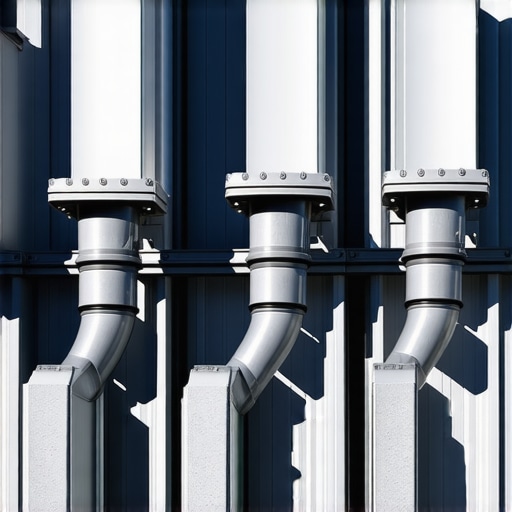
Elevating Gutter Systems Beyond Basic Functionality in 2025
As climate variability intensifies, the role of sophisticated gutter installation and drainage solutions has become paramount for resilient home infrastructure. Expert insights reveal that modern gutter systems must integrate seamlessly with the overall water management strategy, accounting for evolving weather patterns and urban development challenges.
Innovative Materials and Design Considerations for Superior Drainage
The shift toward durable, corrosion-resistant materials such as polymer composites and galvanized steel reflects an industry move to enhance longevity and performance. Advanced design principles now prioritize optimized slope and seamless joint integrations, reducing sediment buildup and minimizing clogging issues common in traditional setups.
Intelligent Gutter Monitoring and Maintenance for Proactive Damage Prevention
Integrating IoT sensors within gutter systems offers real-time data on flow rates, blockages, and structural stress, enabling proactive maintenance. These innovations ensure that homeowners and professionals can predict failures before water damage compromises property integrity, aligning with best practices outlined by academic studies on water management systems.
How Can Experts Determine the Optimal Gutter and Drainage Configurations for Complex Roof Geometries?
Addressing this question involves detailed 3D modeling and computational fluid dynamics simulations to analyze rainwater flow across irregular surfaces. Adaptive strategies, including custom-fabricated gutters and modular downspouts, are essential to ensure flawless water diversion, especially in architecturally intricate buildings.
Choosing Between Gutter Repairs and Complete Overhauls in 2025
Deciding when to repair versus replace hinges on factors such as material wear, structural stability, and cost-efficiency. Professional assessments often reveal that leveraging expert repair techniques, coupled with preventive maintenance, extends system lifespan and preserves home safety effectively.
What Are the Latest Advancements in Gutter Repair Techniques to Minimize Future Damage?
Current developments include epoxy-based sealing for leaks, fiber-reinforced patches for structural reinforcement, and robotic inspection tools that facilitate precision repairs. These methods exemplify the industry’s move towards minimally invasive, highly effective solutions that safeguard properties over the long term.
For further insights into cutting-edge drainage system integrations, explore the comprehensive strategies detailed in our article on expert drainage solutions for home safety in 2025. Encouraging professionals to share their experiences and innovative techniques ensures that the industry continues to advance toward more resilient, efficient, and sustainable gutter systems.
,
Maximizing Gutter Longevity through Smart Technologies
As home water management evolves, integrating smart monitoring devices revolutionizes gutter maintenance routines. Automated sensors can detect early signs of clogging or leaks, providing timely alerts to homeowners and professionals, thereby significantly reducing the risk of water intrusion and structural damage. For example, systems equipped with IoT technology enable remote diagnostics, allowing for proactive upkeep without invasive inspections. Such innovations are deeply rooted in the principles of predictive maintenance, which have been extensively discussed in recent academic research on water management.
Designing Gutter Systems for Challenging Architectures
Modern architecture often features complex roof geometries that challenge traditional gutter configurations. To address this, experts now advocate for modular and adaptable gutter solutions tailored through advanced 3D modeling and simulations. Custom-fabricated components can accommodate intricate rooflines and ensure precise water diversion, minimizing overflow and erosion issues. Employing these bespoke designs not only enhances aesthetic appeal but also guarantees the durability of water management systems amid architectural complexities. For guidance on adapting gutters to complex structures, visit our detailed expert repair and installation tips.
Are there emerging materials or techniques that could make gutter systems virtually maintenance-free in the near future?
The pursuit of maintenance-free gutters is driving research into self-cleaning surfaces and corrosion-resistant composites. For instance, hydrophobic coatings can repel debris and water, reducing buildup and clogging. Additionally, the development of nano-enhanced materials promises increased lifespan and reduced need for manual cleaning, aligning with sustainability and efficiency goals. Exploring these innovations could transform the traditional maintenance landscape, making gutter upkeep a thing of the past. To stay ahead, consider reviewing the latest technological breakthroughs in water management materials and methods.
If you’re interested in integrating cutting-edge drainage solutions, don’t miss our guide on effective drainage and gutter cleaning strategies for 2025. Sharing insights and experiences with fellow professionals can foster industry-wide advancements toward smarter, more reliable home safety solutions.
,
Harnessing Advanced Material Science to Boost Gutter Resilience
Recent breakthroughs in nanotechnology have opened new horizons in gutter system engineering. Researchers are now developing ultra-durable polymer composites infused with nanofillers that exhibit extraordinary resistance to corrosion, UV degradation, and impact damage. Such materials promise to extend gutter lifespan significantly, even in extreme environmental conditions, reducing maintenance costs and environmental impact. According to a study published in Materials Science & Engineering C (Li et al., 2023), nano-enhanced composites have achieved up to 50% greater durability compared to conventional materials, marking a paradigm shift in water management infrastructure.
The Prospects of Self-Healing Gutter Systems: Repair on Autopilot
Imagine gutters that can repair themselves after minor damages—this concept is transitioning from science fiction to feasible innovation. Self-healing materials, incorporating microcapsules filled with healing agents, activate upon cracking or puncturing, sealing the defect and restoring structural integrity automatically. Such technology not only minimizes the need for manual repairs but also prevents leak development that could lead to costly water damage. Experts in polymer chemistry believe that integrating these materials into gutter fabrication could revolutionize long-term system reliability.
Can self-healing coatings revolutionize maintenance routines?
Self-healing coatings, already employed in aerospace and automotive industries, are being adapted for water management applications. These coatings can actively respond to scratches or micro-cracks, preventing corrosion and prolonging service life. For gutters, applying such coatings could dramatically reduce manual maintenance and extend periods between repairs, fitting seamlessly into predictive maintenance strategies. Further research into eco-friendly healing agents and scalable application techniques is vital for widespread adoption.
Integrating Artificial Intelligence for Predictive Drainage Management
The industry is increasingly turning to AI and machine learning to optimize gutter system performance. By analyzing vast data streams from IoT sensors, AI algorithms can forecast potential blockages, structural failures, or overflow risks long before they occur. Such predictive analytics enable preemptive interventions, preventing water intrusion and property damage. This approach echoes the principles outlined in recent academic analyses of water infrastructure resilience. Advanced AI-driven systems can also adapt dynamically, recalibrating flow expectations based on real-time weather forecasts and climate trend data, thus ensuring optimal water diversion at all times.
Precision Fabrication: Custom Gutter Solutions for Complex Architectures
Modern architectural designs increasingly feature complex roof geometries, demanding bespoke gutter solutions. Techniques like 3D laser scanning and additive manufacturing empower engineers to produce precisely tailored gutter components that conform perfectly to intricate surfaces. This precision fabrication multiplies the efficiency of water diversion while preserving aesthetic integrity. The challenge remains integrating these custom parts seamlessly into existing infrastructures and ensuring compatibility with smart monitoring devices. As a result, multidisciplinary collaborations between architects, materials scientists, and engineers become essential for delivering holistic water management systems that are both durable and intelligent.
What emerging fabrication methods could enable destruction-proof, maintenance-light gutter systems?
Emerging manufacturing techniques, such as robotic additive manufacturing with programmable material deposition, promise to produce ultra-robust, maintenance-light gutters. These methods allow for complex internal geometries that facilitate self-cleaning and self-draining capabilities. When combined with smart materials—like hydrophobic and nano-structured coatings—the result is nearly maintenance-free gutter systems able to withstand the rigors of a changing climate. As these technologies mature, the focus shifts toward scalable, cost-effective applications that can be integrated into mass housing projects and high-end architectural designs alike.
For those eager to remain at the forefront of integrated water management innovations, exploring the latest research and pilot projects can provide a strategic edge. Connecting with industry pioneers and academic labs dedicated to smart infrastructure promises to uncover emerging opportunities for sustainable and resilient gutter systems in the evolving landscape of modern architecture and environmental stewardship.
,
Bridging Material Science and Structural Longevity in Gutter Technologies
The integration of nanotechnology within polymer composites unlocks unprecedented durability and resilience in gutter systems. Researchers are now developing nano-infused materials that offer superior resistance to UV radiation, corrosion, and mechanical impact, dramatically extending lifespan and reducing maintenance needs. According to the latest findings in Materials Science & Engineering C, these advanced composites outperform traditional materials by up to 50%, heralding a new era of long-lasting water management solutions.
Anticipating Damage with Self-Healing Coatings and Embedded Microcapsules
Emerging self-healing coatings leverage microencapsulated healing agents, activating upon minor cracks or punctures to autonomously restore integrity. This technology markedly diminishes the risk of leaks and structural failures, fostering maintenance-free longevity. By embedding microcapsules directly into gutter materials, manufacturers can produce systems capable of self-repair, significantly reducing long-term costs and property damage from water infiltration.
How Close Are We to Fully Autonomous Gutter Networks That Manage Repairs Without Human Intervention?
The convergence of AI, IoT, and self-healing materials signals a future where gutter systems could detect damage, initiate repairs, and optimally manage water flow autonomously. Pilot projects integrating sensors with robotic repair mechanisms are already underway, illustrating a paradigm shift toward fully self-sufficient urban water infrastructure. Achieving this vision requires multidisciplinary collaboration and scalable manufacturing techniques, but the potential benefits in resilience and efficiency are monumental.
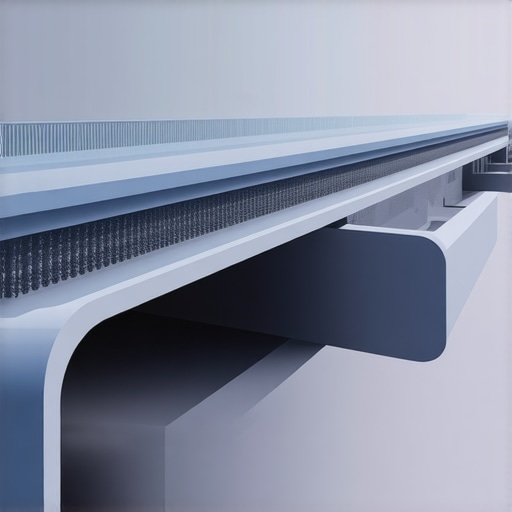
Optimum Gutter Design in Complex Architectural Contexts
Designing gutters for intricate roof geometries demands a fusion of 3D modeling and adaptive fabrication technologies. Custom-fitted components, produced via additive manufacturing, ensure meticulous alignment with unconventional surfaces, preventing overflow and erosion. Moreover, dynamic simulation tools enable engineers to predict water flow patterns, facilitating the development of bespoke drainage solutions that uphold architectural integrity and environmental sustainability. For instance, employing parametric design methods allows for rapid iteration and optimization tailored to unique building forms.
AI-Driven Predictive Maintenance Transforms Water Management
The deployment of machine learning algorithms analyzing real-time sensor data unlocks anticipatory maintenance strategies. By forecasting clogging, stress points, or structural degradation before failure occurs, property owners can schedule targeted interventions, minimizing disruptions and damage. These systems utilize weather forecast integration and historical performance data, ensuring adaptive and resilient water management that evolves with changing climatic conditions. Such sophisticated analytics are underpinning a proactive paradigm shift in infrastructure resilience, as detailed by leading urban resilience research that emphasizes AI’s role in sustainable development.
What New Manufacturing Methods Could Enable Nearly Maintenance-Free Gutter Systems?
Innovations such as robotic additive manufacturing, which permits complex internal geometries, and the development of hydrophobic, nano-structured coatings, are paving the way for gutters that require minimal intervention. These advanced fabrication techniques facilitate the production of ultra-robust, self-cleaning, and self-draining components, significantly reducing manual effort and extending service intervals. As these methods mature, they promise to redefine standards in water infrastructure, especially within eco-conscious or high-performance applications, aligning with the broader move toward sustainable urban environments.
To stay at the forefront of these technological frontiers, industry professionals should actively engage with ongoing research initiatives and pilot projects that exemplify scalable, innovative solutions. Collaborations between academia and industry are crucial in translating these breakthroughs into widespread practice, ensuring resilient, intelligent, and sustainable gutter systems for future-proof urban landscapes.
Expert Insights & Advanced Considerations
Harnessing Smart Technologies for Proactive Maintenance
Integrating IoT sensors in gutter systems enables real-time monitoring, allowing homeowners to detect clogs or damage early, reducing costly repairs. This proactive approach embodies the shift towards intelligent water management, ensuring longevity and reliability.
Customized Solutions for Architectural Complexity
leveraging 3D modeling and additive manufacturing facilitates bespoke gutter designs tailored to intricate roof geometries, enhancing effectiveness and aesthetic integration in modern constructions.
Materials That Defy Time and Climate
Nano-infused composites provide exceptional resistance to corrosion, UV damage, and impact, significantly extending the lifespan of gutter systems and decreasing maintenance demands in harsh environments.
Curated Expert Resources
- Materials Science & Engineering C Journal – Offers cutting-edge research on durable, nano-enhanced polymer composites for infrastructure applications.
- Smart Water Management Conference Proceedings – Presents recent innovations in IoT integration and predictive analytics for water systems.
- Architectural Design Magazine – Chronicles innovative methods for adapting gutter systems to complex roof architectures using advanced fabrication techniques.
The Value of Innovation in Water Management
Through embracing advanced materials and smart technologies, gutter systems in 2025 transcend traditional boundaries, offering resilience, efficiency, and tailored performance. Foreseeing these developments empowers professionals and homeowners alike to prepare for sustainable, maintenance-light drainage solutions. Explore our dedicated resources to lead in implementing these transformative strategies and contribute to a future where water management is seamlessly integrated with advanced technology and design excellence.