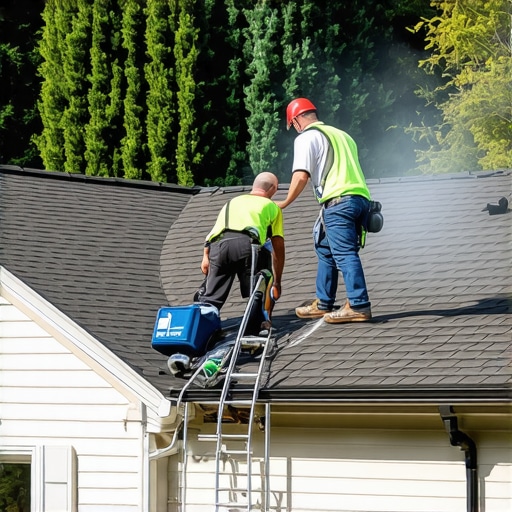
Strategic Approaches to Gutter Maintenance: Beyond Basic Cleaning
In the realm of home protection, reliable gutter cleaning and repairs are foundational to preserving structural integrity and interior safety. As an industry expert, I emphasize that proactive gutter management involves not only routine cleaning but also advanced inspection techniques that preempt potential failures. Employing high-resolution thermal imaging or drone inspections can uncover hidden issues such as subtle corrosion or misalignments that escape visual scrutiny, thereby enabling targeted interventions that extend gutter lifespan.
The Role of Drainage System Optimization in Long-Term Home Shielding
Effective drainage system optimization is crucial in directing water away from vulnerable foundation zones. Modern solutions integrate seamless gutter installation with sophisticated drainage pathways, including French drains and subterranean piping, which mitigate water pooling and soil erosion. As climate patterns shift, the durability of these systems becomes paramount, demanding materials with superior resistance to weathering, such as polymer composites or galvanized steel.
Advanced Material Selection for Sustainable Gutter Repairs
The choice of materials significantly influences the longevity of gutter repairs. Professional-grade aluminum, copper, or stainless steel offer resilience against corrosion and physical impact. For instance, copper gutters develop a natural patina that enhances durability and aesthetic appeal over decades. Additionally, the advent of polymer-based liners provides a flexible, cost-effective barrier against leaks and debris buildup, ensuring lasting home protection.
Integrating Smart Technologies for Gutter System Monitoring
Emerging innovations include sensor-based monitoring systems that provide real-time alerts for blockages or leaks, facilitating preventative maintenance. These IoT devices can be integrated with home automation platforms, enabling homeowners and professionals to respond swiftly to emerging issues, thus reducing repair costs and preventing water damage. The convergence of smart technology with traditional gutter maintenance exemplifies the future of resilient home protection strategies.
Addressing Complex Challenges: How Do We Optimize Gutter System Design for Extreme Weather?
What innovative design principles can enhance gutter resilience against extreme weather events?
This question reflects ongoing debates among experts. Strategies include designing oversized gutters to handle heavy rainfall, incorporating seamless joints to reduce leak points, and employing debris-resistant covers that minimize clogging. Additionally, customizing gutter slopes and downspout placements based on detailed site analysis ensures optimal water flow. Consulting authoritative sources like the Wiley publications on stormwater management provides evidence-based insights to refine these designs.
For professional guidance on integrating these advanced techniques, explore our comprehensive resources or contribute your insights to ongoing discussions in the field. Properly executed gutter systems are a cornerstone of resilient, long-lasting home protection.
To stay ahead with the latest innovations, visit trusted drainage solutions and enhance your expertise in gutter maintenance and repair.
Beyond Conventional Gutter Design: Embracing Resilience Through Innovation
As climate variability increases, the need for resilient gutter systems becomes more pressing. Advanced design principles, such as incorporating larger gutter sizes and seamless joints, help mitigate the impact of extreme weather events. These enhancements reduce the risk of overflow and leaks, safeguarding your home’s foundation and interior. Moreover, integrating debris-resistant covers minimizes maintenance and clogging, ensuring consistent drainage during storms.
How Can Smart Technology Revolutionize Gutter Maintenance?
Emerging IoT solutions offer real-time monitoring of gutter systems, alerting homeowners to blockages or leaks before they cause significant damage. Sensors placed within gutters can track water flow and debris accumulation, transmitting data to connected devices. This proactive approach facilitates timely interventions, extending the lifespan of gutters and preventing costly repairs. For an in-depth understanding of these innovations, consult authoritative sources such as Wiley publications on stormwater management.
Material Science Breakthroughs for Long-Lasting Gutter Repairs
Professional-grade materials like copper, stainless steel, and polymer composites are at the forefront of durable gutter solutions. Copper gutters, in particular, develop a natural patina that enhances corrosion resistance and aesthetic appeal over decades. Polymer liners offer flexible, cost-effective barriers against leaks and debris buildup, providing long-term protection with minimal maintenance. Selecting the appropriate material depends on environmental conditions and aesthetic preferences, but expert guidance ensures optimal durability.
Can the Integration of Drainage System Optimization and Material Innovation Provide a Holistic Approach to Home Protection?
This question underscores the importance of a synergistic approach. Combining optimized drainage pathways—such as French drains and subterranean piping—with resilient materials creates a comprehensive shield against water intrusion. Modern solutions also include designing oversized gutters with well-placed downspouts to handle heavy rainfall efficiently. For detailed insights into these integrated strategies, exploring resources like expert drainage system optimization can be invaluable.
Stay informed about the latest in gutter technology and repair techniques by sharing your experiences or asking questions in the comments. Also, consider exploring more advanced strategies at trusted drainage solutions to enhance your home’s resilience against water damage.
Harnessing Innovative Design Principles to Fortify Gutters Against Climate Extremes
In the face of escalating climate variability, traditional gutter systems often fall short during extreme weather events. To bridge this gap, engineering experts advocate for adaptable, high-capacity gutter configurations that anticipate the worst-case scenarios. For example, oversized gutters—designed with a capacity exceeding local maximum rainfall predictions—can significantly reduce overflow risk. Incorporating seamless joint technology further minimizes leak points, ensuring durability under stress. Additionally, installing debris-resistant covers can drastically reduce clogging, ensuring unimpeded water flow even during intense storms. These advancements are rooted in comprehensive hydrological modeling, which considers not just average rainfall but also peak intensities, as outlined in the latest studies by the Wiley Stormwater Management Publications.
How does site-specific analysis influence advanced gutter design for extreme weather?
Site-specific analysis involves detailed assessment of local climate patterns, topography, and existing infrastructure to tailor gutter systems precisely. For instance, slope calculations and downspout placements are optimized based on micro-topographical features, ensuring rapid water conveyance and minimizing pooling. Computational fluid dynamics (CFD) simulations serve as vital tools in predicting water flow behavior under various storm scenarios, enabling engineers to refine gutter dimensions and placement for maximum resilience. This holistic approach, supported by authoritative research like the Wiley publications on stormwater systems, ensures that gutter designs are not just robust but intelligently adapted to local conditions.
For homeowners and builders aiming to enhance resilience, engaging with professional consultants who utilize these advanced analysis tools is crucial. Such investments in design precision can dramatically extend gutter lifespan and safeguard your property during climate extremes.
Integrating Smart Technologies for Real-Time Gutter System Adaptation
Emerging smart technology integration revolutionizes gutter system management. Sensors embedded within gutters and downspouts monitor water levels, debris accumulation, and flow rates in real-time. Data transmitted via IoT platforms enables homeowners or maintenance systems to receive instant alerts when thresholds are exceeded, prompting timely interventions. These systems can even automatically activate auxiliary drainage mechanisms or alert service providers for preventative maintenance, thus preempting costly damage.
Furthermore, AI-powered analytics can predict potential failure points based on historical data, weather forecasts, and sensor inputs. This predictive maintenance paradigm shifts gutter management from reactive to proactive, substantially increasing system longevity. According to recent research published in the Wiley Journal of Smart Infrastructure, these innovations are key to building climate-resilient homes.
Future Directions: Sustainable Materials and Modular Designs for Adaptive Gutter Systems
The future of resilient gutter systems lies in sustainable, adaptable materials and modular design architectures. Advanced polymer composites with enhanced UV resistance and weathering properties are now capable of withstanding extreme conditions while being environmentally friendly. Modular components allow for easy upgrades or repairs, reducing waste and lifecycle costs. Innovations such as self-cleaning surfaces—coated with nano-technology—further reduce maintenance needs and improve overall system efficiency.
Engaging with ongoing research and adopting these cutting-edge materials and designs can significantly elevate your home’s defense against climate extremes. For more insights and tailored recommendations, consult with industry professionals who are at the forefront of these technological advancements.
Harnessing Predictive Analytics for Future-Ready Gutter Design
Incorporating predictive analytics into gutter system planning allows engineers to anticipate future climate scenarios with remarkable precision. By analyzing historical weather data and employing machine learning algorithms, professionals can design gutters that are not only oversized but also dynamically adaptable to evolving patterns of intense rainfall and storm frequency. According to the Wiley Stormwater Management Publications, such forward-looking approaches are essential for future-proofing residential infrastructure.
How Do Material Innovations Enhance Gutter Durability in Harsh Conditions?
Recent developments in material science have yielded polymers with exceptional UV resistance, impact strength, and weathering durability, making them ideal for extreme environments. Self-healing coatings and nano-enhanced surfaces further extend lifespan by providing self-repair capabilities and reducing debris adhesion. For example, advanced polymer composites, coupled with sustainable manufacturing practices, offer a resilient, eco-friendly alternative to traditional metals, significantly reducing maintenance and replacement costs over decades.
Can Modular Gutter Systems Facilitate Adaptive Maintenance in Changing Climates?
Modularity in gutter design fosters flexibility, enabling homeowners and professionals to upgrade or repair specific components without dismantling entire systems. This approach simplifies the integration of smart sensors and adaptive features, such as adjustable slopes or variable capacity modules, which can be tailored based on localized climate data. Such systems align with the principles outlined in the latest research on adaptive infrastructure, supporting sustainable and resilient home protection.
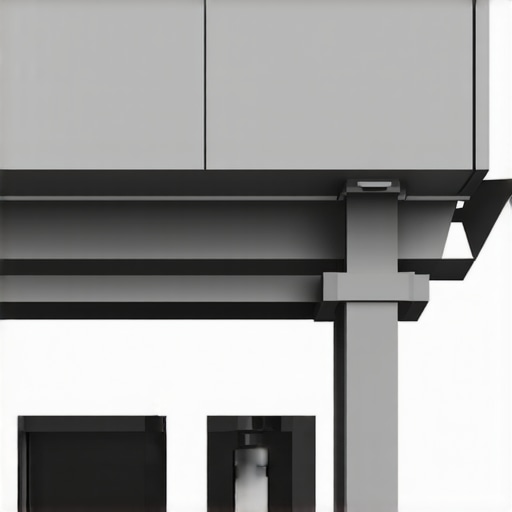
Illustration of modular gutter components with integrated smart sensors, demonstrating adaptability and resilience against extreme weather conditions.
What Role Does Site-Specific Hydrological Modeling Play in Custom Gutter Design?
Hydrological modeling tailored to specific geographic and climatic conditions enables precise calibration of gutter dimensions, slopes, and outlet placements. Using tools like computational fluid dynamics (CFD), engineers can simulate storm events of various intensities, identifying potential failure points before construction. As detailed in Wiley’s publications on hydrological engineering, these models are critical for developing bespoke solutions that maximize efficiency and resilience.
How Can IoT Integration Revolutionize Real-Time Gutter System Management?
The integration of Internet of Things (IoT) devices into gutter systems facilitates continuous monitoring of water flow, debris accumulation, and system integrity. Sensors transmit real-time data to centralized platforms, enabling proactive maintenance and immediate response to potential failures. AI-driven analytics further predict system stress points, allowing preemptive interventions that extend system longevity and protect property. Engaging with these cutting-edge technologies positions homeowners and professionals at the forefront of resilient infrastructure development.
Expert Insights & Advanced Considerations
1. Site-Specific Hydrological Modeling Enhances Gutter Design
Utilizing detailed hydrological modeling tailored to local climate and topography allows engineers to optimize gutter dimensions and placement, ensuring maximum resilience against extreme weather events. This precision reduces overflow risks and prolongs system lifespan.
2. Integration of IoT Sensors Facilitates Proactive Maintenance
Embedding IoT sensors within gutters provides real-time data on water flow and debris buildup, enabling timely interventions. This smart technology shift from reactive to predictive maintenance significantly reduces repair costs and property damage.
3. Advanced Materials Boost Durability in Harsh Conditions
Innovations in polymer composites, nano-coatings, and self-healing materials extend gutter longevity. Selecting materials suited for environmental stressors ensures durability and reduces long-term maintenance needs.
4. Modular and Adaptive Gutter Systems Offer Flexibility
Designing gutters with modular components allows easy upgrades and repairs. Adaptive features like adjustable slopes and capacity modules enable systems to evolve with changing climate patterns and property needs.
5. Sustainable and Resilient Design Principles Are the Future
Incorporating eco-friendly materials, self-cleaning surfaces, and modular designs aligns with sustainable practices and prepares systems for future climate challenges, emphasizing resilience and environmental responsibility.
Curated Expert Resources
- Wiley Stormwater Management Publications: Offers in-depth research on hydrological modeling, system resilience, and advanced stormwater solutions.
- International Journal of Smart Infrastructure: Provides insights into IoT applications and predictive analytics in infrastructure monitoring.
- American Society of Civil Engineers (ASCE) Publications: Features standards and innovative practices for durable and sustainable drainage systems.
- ResearchGate and Google Scholar: Access to peer-reviewed papers on material science breakthroughs and adaptive infrastructure design.
Final Expert Perspective
In the ever-evolving landscape of home protection, integrating advanced hydrological modeling, smart technology, and innovative materials is essential for creating resilient gutter systems capable of withstanding extreme weather. Professionals and homeowners alike must prioritize forward-thinking designs that combine scientific rigor with sustainable practices. To deepen your expertise, explore these authoritative resources and engage with industry specialists dedicated to pioneering resilient infrastructure solutions. Your proactive approach today ensures the longevity and safety of your property tomorrow.
,
This article offers a comprehensive overview of modern gutter maintenance techniques and the importance of integrating new technologies and materials. I particularly found the discussion on smart IoT sensors intriguing; in my own experience maintaining a older home, proactive monitoring could have prevented some costly water damage during last year’s heavy rains. I’ve been considering upgrading to a modular gutter system with embedded sensors, but wonder how practical and cost-effective these systems are for average homeowners. Does anyone have experience with installation and ongoing maintenance of such high-tech solutions? It seems like a promising way to extend gutter lifespan and improve home resilience, especially as climate patterns become more unpredictable. I also appreciate the emphasis on site-specific analysis—getting professional assessments tailored to your property can make a real difference in design and performance. Overall, this piece provides solid insights into future-proofing essential home infrastructure, and I’m curious to hear others’ thoughts on implementing these innovations without breaking the bank.