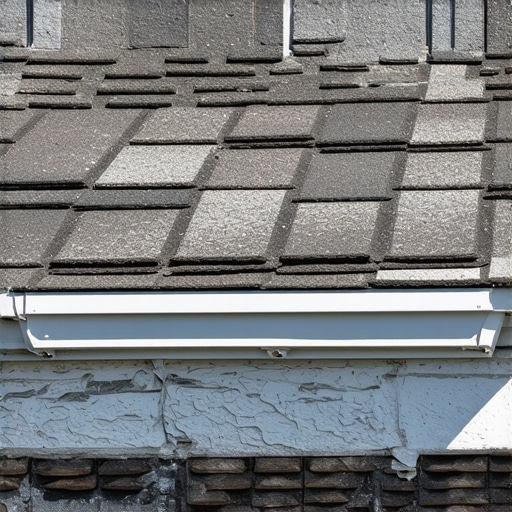
The 25-Year Audit: Why Your Fascia is Rotting From the Inside Out
In my twenty-five years of engineering residential drainage, I’ve seen more good houses destroyed by a lack of oversight than by natural disasters. It starts with a subtle scent—that earthy, damp musk in your attic or the sight of a slightly discolored soffit. By the time you see the paint peeling, the damage is already deep. I remember standing in a driveway in Rochester during a mid-spring thaw; the homeowner had a foundation corner that had settled nearly three inches, creating a diagonal crack in the drywall you could fit a thumb through. The culprit? A single leader that had pulled away from its miter, dumping ten gallons of water per minute directly into the foundation’s backfill for three seasons. That water didn’t just sit there; it pressurized the soil, buckled the masonry, and cost the owner forty thousand dollars in helical piers. This is the reality of poor water management.
“Gutter systems shall be designed with sufficient capacity to accommodate the maximum intensity of rainfall and shall be installed to prevent water from entering the building envelope.” – SMACNA Architectural Sheet Metal Manual
The Physics of the Shingle Roof Gutter Starter
To understand why your fascia is rotting, we have to look at the physics of surface tension and the Coanda effect. When rain hits your roof, it doesn’t just fall off the edge. Water is polar; it wants to cling. As it rolls over the asphalt shingle, it tries to wrap around the bottom edge and crawl back up the underside via capillary action. If your shingle roof gutter starter and drip edge aren’t perfectly integrated, that water bridges the tiny gap between the metal and the wood fascia board. Over time, this hydraulic bridge feeds the wood-decaying fungi that turn your structural fascia into mush. In 2026, we are seeing a shift toward more robust shingle roof gutter starter systems that utilize a wider metal flange to break this surface tension, ensuring the drip lands squarely in the center of the trough rather than wicking backward.
The North Country Challenge: Ice, Weight, and Gutter Winterization
Being in a northern climate, we deal with the most aggressive enemy of gutters: the freeze-thaw cycle. Ice dams aren’t just an attic insulation problem; they are a mechanical failure of the drainage system. When water freezes in your gutter, it expands by about 9%. If your hangers are spaced at the industry-standard 24 inches, they will fail. I insist on heavy-duty hidden hangers every 12 inches, screwed directly into the rafter tails. Proper gutter winterization involves checking the pitch—which must be a precise 1/4 inch per 10 feet—to ensure no standing water remains to freeze. For long runs exceeding 50 feet, we must install expansion joint gutters. Without these joints, the thermal expansion of the aluminum can literally rip the end caps off or pull the miter joints apart as the metal grows and shrinks with the temperature. This is especially critical for commercial flat roof gutters where runs can be hundreds of feet long.
“The drainage of the roof shall be conveyed by leaders to a public storm sewer or other approved point of disposal in a manner that does not create a nuisance.” – International Plumbing Code, Section 1101.2
Gravel Stop Integration and Commercial Systems
When we move into commercial applications or church steeple gutters, the complexity scales. Church steeples are a nightmare because of the vertical velocity; water picks up so much speed coming off a 60-degree pitch that it can shoot right over a standard 5-inch gutter. We use custom-fabricated gravel stop integration on flat roofs to manage the transition from the roof membrane to the drainage system. This ensures that the gravel or ballast doesn’t migrate into the leaders, causing a clog that could lead to a roof collapse under the weight of ponding water. For these high-stakes installs, we often move to rainwater harvesting gutters, which require even tighter tolerances to ensure the water remains debris-free for collection tanks. Regular gutter cleaning services are non-negotiable here; a single handful of sludge can negate a fifty-thousand-dollar drainage upgrade.
Repairs, Pitch, and the Foundation Connection
Most gutter repairs fail because they address the symptom, not the slope. If your gutter is pulling away, don’t just hammer in a spike—spikes and ferrules are archaic and pull out within two seasons. Use a screw-in hanger. If you have a swampy yard, the fix isn’t just a bigger gutter; it’s moving that water away from the house. We utilize splash blocks and underground leader extensions to move the discharge at least 10 feet from the foundation. For those looking for a permanent fix, I always recommend getting free gutter quotes processing from a specialist who understands local rainfall intensity. Don’t settle for a handyman with a ladder; you need someone who calculates the square footage of your roof to determine if you need 2×3 or 3×4 leaders. If your contractor doesn’t know the difference, show them the door. Your foundation and your fascia depend on that math.
This post really highlights the importance of proper gutter system design, especially in colder climates. I totally agree with the emphasis on wider metal flanges to break surface tension and prevent water wicking back into the fascia. In my experience, neglecting these details often leads to long-term rot problems that can be costly to repair down the line. I also appreciate the mention of installation angles and the need for expansion joints—something that many contractors overlook. Personally, I’ve seen a lot of success with installing heated cables along the gutters in winter, which helps prevent ice dams and reduces the stress on hangers. Has anyone here tried adding heating elements to their gutters? I’d love to hear if it’s been effective or if there are other innovative ways to keep gutters clear in harsh winter conditions.