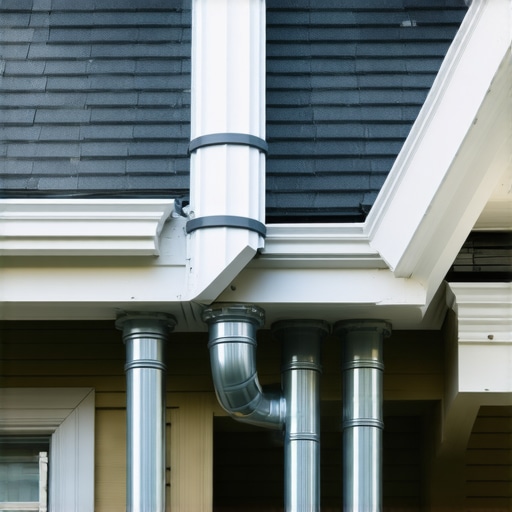
Unveiling the Complexities of Gutter Systems: A Strategic Perspective on Drainage Optimization
Effective gutter installation and drainage repairs transcend mere maintenance; they form the backbone of resilient home infrastructure. Expert practitioners recognize that a well-designed gutter system is essential in mitigating water intrusion, preventing foundational damage, and sustaining property value over time. As professionals in the field, we understand that each project demands a tailored approach rooted in an in-depth analysis of site-specific variables such as rainfall intensity, roof design, and landscape topography.
Why Superior Gutter Materials and Techniques Are Fundamental to Durability
Choosing the right materials—such as seamless aluminum, copper, or high-grade vinyl—can significantly influence system longevity. Advanced installation techniques, including precise slope calculations and secure fastening methods, ensure optimal water flow and reduce the risk of leaks or detachment. For instance, seamless gutters minimize joints where leaks typically originate, a critical consideration for lasting protection. Incorporating features like gutter guards can also diminish debris accumulation, reducing maintenance frequency and preserving efficiency.
Innovative Drainage Repair Approaches for Complex Challenges
Drainage repairs often involve addressing underlying issues like soil erosion, clogged downspouts, or improper grading. Field-tested solutions include installing underground drain pipes with proper slope, integrating catch basins, and employing water diversion systems to redirect flow away from foundations. When evaluating repair options, consider the impact of climate variability—areas prone to heavy rainfall require reinforced systems capable of handling peak loads. Advanced drainage solutions demand thorough site assessment and expert calibration to prevent recurrent failures.
What Are the Latest Innovations in Gutter and Drainage System Technologies That Can Transform Residential Water Management?
Emerging technologies such as smart gutter systems equipped with sensors for real-time monitoring and automated cleaning mechanisms are revolutionizing the field. Additionally, innovations in permeable materials and green infrastructure—like rain gardens—complement traditional gutters by enhancing water absorption and reducing runoff. Staying informed about these advancements allows professionals to deliver solutions that are not only durable but also environmentally sustainable.
For a comprehensive understanding of installation intricacies, explore our detailed guide on expert gutter installation and drainage solutions. Also, consider integrating proactive maintenance strategies from effective gutter cleaning strategies to prolong system integrity. Recognizing the importance of foundational stability, professional consultation ensures that drainage repairs are both effective and compliant with local building codes, as emphasized by the Federal Highway Administration’s research on water management.
How Can Emerging Gutter Technologies Enhance Home Water Management Systems?
In the rapidly evolving landscape of home infrastructure, integrating cutting-edge gutter technologies can significantly improve drainage efficiency and sustainability. Smart gutter systems equipped with sensors, for instance, enable real-time monitoring of flow rates and clog alerts, empowering homeowners to perform targeted maintenance before issues escalate. Such innovations not only streamline upkeep but also extend the lifespan of gutter components by preventing overflows and leaks. Additionally, automated cleaning mechanisms, such as robotic gutter cleaners, reduce manual labor and ensure consistent performance, especially in hard-to-reach areas.
Permeable materials and green infrastructure solutions further complement traditional gutter systems. Installing rain gardens or bioswales allows excess water to be absorbed naturally, reducing runoff volume and alleviating pressure on drainage pipes. These eco-friendly approaches align with sustainable building practices and can be integrated seamlessly with existing gutter setups for enhanced drainage management.
What Are the Practical Impacts of Integrating Smart Gutter Systems on Long-Term Property Protection?
By adopting intelligent gutter systems, homeowners gain proactive control over their drainage infrastructure, minimizing the risk of water intrusion, foundation damage, and landscape erosion. Early detection of potential failures enables timely repairs, which can be more cost-effective than reactive fixes after damage occurs. Moreover, these systems contribute to environmental conservation by optimizing water flow and reducing waste, aligning with broader sustainability goals.
For those interested in elevating their gutter maintenance practices, exploring advanced repair and installation techniques is essential. Resources like gutter repair and installation tips offer valuable insights into ensuring durable, efficient systems. Furthermore, staying informed about innovations through reputable sources—such as the American Society of Civil Engineers (ASCE)—can guide informed decision-making and promote best practices in home water management.
If you’re considering upgrading your gutter system, sharing this article or commenting with your experiences can help foster a community of knowledgeable homeowners seeking sustainable solutions. Also, don’t miss our recommended reading on effective gutter cleaning strategies for maintaining optimal drainage performance.
Integrating Smart Sensors and Automated Maintenance for Next-Level Gutter Efficiency
In the realm of residential water management, the advent of smart gutter systems equipped with IoT sensors marks a significant leap forward. These systems monitor flow rates, detect blockages, and provide real-time alerts to homeowners via mobile apps. Such technological integration enables proactive maintenance, drastically reducing risk factors associated with water intrusion and structural damage. Moreover, automated cleaning mechanisms—like robotic gutter cleaners—are designed to navigate complex gutter geometries, removing debris with minimal manual intervention, thus ensuring uninterrupted water flow during critical rainfall events.
The Synergy of Permeable Materials and Green Infrastructure in Sustainable Drainage
Emerging eco-friendly solutions, such as permeable gutter linings and bioswales, are transforming traditional drainage paradigms. Permeable materials facilitate natural absorption of excess water, alleviating pressure on underground pipes and reducing stormwater runoff. When combined with rain gardens, these green infrastructure features effectively manage peak flow volumes, enhance groundwater recharge, and improve urban biodiversity. Integrating these systems requires careful planning to ensure compatibility with existing gutter setups, but the long-term benefits in resilience and sustainability are compelling.
Can Adaptive Gutter Systems Be Customized to Address Specific Climatic and Topographical Challenges?
Absolutely. Adaptive gutter systems leverage modular components and variable flow controls to tailor performance according to local conditions. For areas prone to heavy rainfall, reinforced materials and larger capacity downspouts are essential, while regions with dry spells benefit from features that promote water retention for landscape use. Customization may also include adjusting the slope and angle of gutters to optimize flow based on roof design and terrain. This flexibility ensures resilient performance across diverse environments, reducing the likelihood of overflow or damage. According to a study by the American Society of Civil Engineers (ASCE), such tailored solutions significantly enhance stormwater management efficiency.
Why Continuous Innovation in Gutter Technologies Is Essential for Future-Proofing Residential Infrastructure
As climate patterns grow more unpredictable, the importance of integrating cutting-edge gutter solutions becomes paramount. Innovations such as self-cleaning materials that resist clogging, modular design frameworks for easy upgrades, and smart analytics for predictive maintenance are setting new industry standards. By adopting these advancements, homeowners and professionals can ensure that drainage systems remain effective despite increasing environmental stresses. Furthermore, ongoing research into bio-inspired materials and green infrastructure integration holds promise for creating more resilient, sustainable home water management systems that adapt dynamically to future challenges.
For professionals committed to staying at the forefront of drainage technology, engaging with industry publications like the American Society of Civil Engineers and attending specialized workshops can provide invaluable insights. Implementing these innovations not only safeguards properties but also contributes to broader ecological health and climate resilience.
If this exploration inspires you to rethink your home’s drainage strategy, consider consulting with specialists who can customize solutions aligned with your local conditions. For more detailed insights, visit our resource hub at Elite Gutter Works and stay informed on the latest trends shaping sustainable home infrastructure.
Harnessing the Power of Data-Driven Gutter System Optimization
Integrating sophisticated data analytics with gutter and drainage systems offers unprecedented precision in managing rainwater runoff. By deploying IoT sensors and machine learning algorithms, homeowners and professionals can predict system failures, optimize maintenance schedules, and tailor interventions based on historical weather patterns and real-time flow data. This data-centric approach enhances system resilience against extreme weather events and reduces long-term costs associated with water damage and infrastructure repairs.
What Are the Cutting-Edge Materials Propelling Gutter Longevity and Sustainability?
Recent advancements in polymer science have introduced bio-based, recycled, and self-healing materials that significantly extend the lifespan of gutter components. For example, composite materials infused with nanotechnology exhibit superior resistance to corrosion, UV degradation, and structural fatigue. Such innovations not only improve durability but also align with eco-friendly building practices, reducing the environmental footprint of maintenance and replacement cycles.
How Can Modular Gutter Systems Be Custom-Configured for Challenging Topographies?
Modular gutter solutions, equipped with adjustable and interchangeable segments, empower specialists to customize configurations for complex landscapes. Features like variable slope adapters, extendable downspouts, and flexible joint connectors allow seamless adaptation to uneven terrain, steep roofs, or heavily vegetated areas. This level of customization ensures optimal water conveyance, minimizes overflow risks, and simplifies future upgrades or repairs, thereby maintaining system integrity under diverse environmental conditions.
What Are the Most Promising Innovations in Green Infrastructure to Complement Traditional Gutter Systems?
Emerging green infrastructure technologies, such as permeable pavements integrated with bio-retention cells, enhance stormwater absorption and reduce urban flooding. Green roofs and vegetated swales further complement gutter systems by acting as natural buffers, filtering pollutants, and promoting groundwater recharge. These sustainable approaches not only improve resilience but also contribute to urban biodiversity and climate adaptation strategies. According to the latest findings from the Environmental Protection Agency, the synergistic use of traditional and green infrastructure optimizes water management in complex urban environments.
#{imagePrompt:
Expert Insights & Advanced Considerations
1. Embracing Modular and Adaptive Gutter Solutions
Modern gutter systems benefit significantly from modular components that can be tailored to complex topographies and evolving environmental conditions. Modular designs facilitate easy upgrades, repairs, and customization, ensuring optimal performance regardless of landscape challenges. As climate variability intensifies, adaptive systems equipped with adjustable flow controls and reinforced materials are crucial in maintaining resilience and efficiency.
2. Leveraging Data Analytics and IoT Integration
Integrating IoT sensors with gutter systems enables real-time monitoring of flow rates, blockages, and system health, allowing for predictive maintenance and enhanced longevity. This data-driven approach minimizes emergency repairs, reduces costs, and ensures proactive management aligned with environmental stressors such as heavy rainfall or drought conditions.
3. Incorporating Green Infrastructure for Sustainable Drainage
Green infrastructure elements like rain gardens, bioswales, and permeable pavements complement traditional gutters by absorbing excess water and reducing runoff. These eco-friendly solutions enhance groundwater recharge, promote biodiversity, and mitigate urban flooding, aligning with sustainable building practices and climate resilience goals.
4. Prioritizing Material Innovation and Longevity
Advanced materials such as self-healing polymers, nanocomposites, and recycled bio-based components are revolutionizing gutter durability. These innovations offer superior resistance to corrosion, UV degradation, and mechanical fatigue, extending the lifespan of systems while reducing environmental impact and maintenance costs.
5. Continuous Innovation for Future-Ready Infrastructure
Staying ahead in gutter technology involves adopting self-cleaning surfaces, smart analytics, and bio-inspired materials. These innovations ensure systems are prepared for unpredictable climate patterns, minimizing failures and optimizing water management efficiency over the long term.
Curated Expert Resources
- American Society of Civil Engineers (ASCE): Offers comprehensive research and standards on stormwater management and infrastructure resilience, essential for professionals aiming to implement best practices.
- EPA Green Infrastructure Resources: Provides guidelines and case studies on integrating green infrastructure with traditional drainage systems, fostering sustainable urban water management.
- Elite Gutter Works Blog: A repository of expert articles on advanced gutter installation, repair, and maintenance strategies, including innovative technological integrations.
- Research on IoT in Water Management: Industry publications exploring the latest in sensor technology and data analytics for infrastructure optimization, crucial for forward-thinking professionals.
Final Expert Perspective
In the realm of gutter system optimization, embracing innovative materials, adaptive designs, and intelligent monitoring forms the cornerstone of resilient, sustainable home infrastructure. As climate challenges grow more complex, leveraging cutting-edge solutions and expert insights ensures that residential water management remains effective and future-proof. For professionals and homeowners committed to excellence, continuous learning and technological integration are not optional but essential. Engage with specialized resources, contribute your expertise, and stay ahead of emerging trends to uphold the highest standards in drainage efficiency and environmental stewardship.
Reading through this comprehensive post, I appreciate how it highlights the importance of site-specific analysis before installing or repairing gutter systems. I personally had a scenario where improper grading led to water pooling near my foundation, despite having quality gutters in place. It taught me that materials and advanced techniques alone aren’t enough without proper planning around landscape and climate factors. I’m curious, how do professionals typically assess the long-term impacts of climate change on existing drainage systems? Do any emerging technologies help predict future rainfall patterns that could influence gutter design? Ensuring resilient home infrastructure truly seems to be an evolving science that blends traditional craftsmanship with innovative solutions. I look forward to hearing others’ insights on balancing these elements effectively.
This post does a fantastic job of emphasizing the importance of tailored drainage solutions that consider specific site variables like terrain and climate. From my experience working on autochthonous landscapes, I’ve noticed that traditional methods often fall short in adapting to evolving weather patterns. The advent of smart gutter systems with IoT sensors is particularly exciting because it allows real-time monitoring, which is a game-changer in preventing unforeseen water damage. I wonder, though, how widely these technologies are being adopted in residential settings and what the initial costs look like compared to traditional systems. Has anyone here integrated such systems into their homes or projects? I’d love to hear about the challenges faced and the benefits reaped—I believe they could significantly enhance long-term resilience, especially with climate variability becoming the new norm.
I really appreciate this detailed exploration of gutter system innovations. From my experience dealing with properties in areas prone to heavy rainfall, the emphasis on site-specific analysis and using durable, high-quality materials resonates deeply. During recent renovations, I noticed that seamless aluminum gutters performed significantly better in managing heavy runoff, reducing the risk of leaks. The added layer of integrating smart sensors for real-time flow monitoring seems like a game-changer, especially for homeowners who want proactive maintenance rather than reactive repairs. I’ve also seen how green infrastructure, such as rain gardens, can work alongside traditional gutters to reduce urban flooding and support environmental sustainability. It makes me wonder, what are some of the most effective ways for homeowners to evaluate the cost-benefit balance when considering these advanced systems versus traditional setups? Have any of you implemented such solutions on challenging terrains, and what results have you seen in terms of system longevity and overall property protection? I believe adopting these innovations is crucial given our changing climate patterns.
This post provides a really insightful look into how advanced materials and smart technology are shaping the future of gutter systems. Having recently worked on a project where we integrated IoT sensors into a residential gutter setup, I can attest to the benefits of real-time monitoring—especially in areas prone to heavy rainfall. It’s a proactive step that saves homeowners from costly damages and extensive repairs. I’ve also noticed that green infrastructure, like rain gardens and bioswales, when combined with durable, high-quality gutters, can make a significant difference in urban environments. My question is, how do you see these eco-friendly solutions evolving as climate change causes more unpredictable weather patterns? Do you think homeowners will increasingly opt for hybrid systems that blend traditional, durable materials with green infrastructure for maximum resilience? It’s exciting to see innovation happening on both technological and ecological fronts, which seems essential for future-proofing property infrastructure.
I found this discussion on advanced gutter systems and green infrastructure quite compelling. Having worked on properties in flood-prone urban areas, I completely agree that integrating smart technology with sustainable solutions can dramatically improve long-term resilience. From my experience, installing modular and adaptive gutters has offered noticeable benefits when dealing with uneven terrain and unpredictable weather. I personally adopted a combination of seamless aluminum gutters with IoT sensors and a rain garden, which has helped me manage stormwater more effectively. But costs can be a concern—how do homeowners typically weigh the initial investment against future savings and property protection? Also, I wonder how fast the adoption rate of smart gutter systems really is—are they becoming standard in new builds or still a niche upgrade? I think continuous innovation and education about these options are crucial as climate patterns evolve. Would love to hear how others are finding practical ways to implement these high-tech yet environmentally friendly solutions.
This article really underscores the importance of integrating advanced materials and technology into gutter systems to ensure durability and climate resilience. I’ve personally seen how seamless aluminum gutters combined with smart sensors can vastly improve maintenance efficiency and catch potential issues early, saving costs in the long run. One challenge I’ve encountered, however, is the initial investment cost, which can be a hurdle for some homeowners. But considering the long-term savings and the protection they offer, I believe it’s worth exploring. Additionally, the idea of green infrastructure, like bioswales and rain gardens, working seamlessly with traditional gutters, offers a promising eco-friendly approach to managing stormwater—especially in urban areas susceptible to flooding. I’m curious, how can homeowners better assess the right balance between technological upgrades and sustainable features in comprehensive drainage planning? Does anyone have experiences with integrating these solutions in challenging topographies or climate conditions? It seems the future of home water management lies in a thoughtful blend of innovation and sustainability.