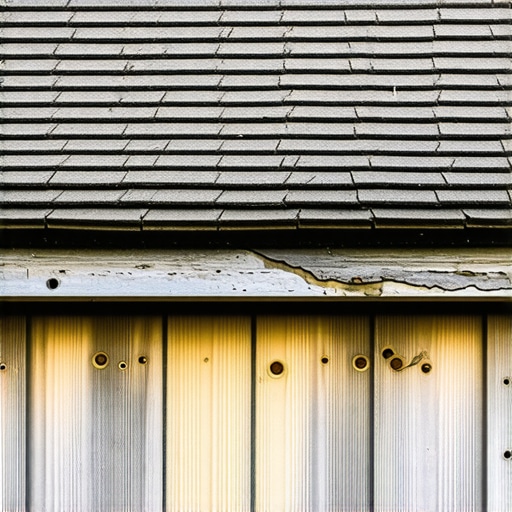
The Hidden Structural Killer: Understanding the Gutter Apron Gap
In twenty-five years of engineering water management systems, I have seen more structural damage caused by a missing $2 strip of metal than by falling trees or lightning strikes. Most homeowners look at their roof and see a shield, but without a gutter apron, that shield has a fatal flaw at its most vulnerable point: the eaves. I recently conducted a drone gutter inspection for a client who was convinced their roof was leaking into the attic. From the ground, everything looked pristine. However, when we got the high-resolution footage of the top edge, we saw the truth. The previous installer had skipped the gutter apron, and the roof deck was literally crumbling into the gutter like wet crackers. This is not a cosmetic issue; it is a fundamental failure of fluid dynamics and surface tension.
The Physics of Surface Tension and Capillary Action
To understand why your fascia is rotting, you have to understand how water behaves during a downpour. Water is not just a heavy liquid; it is sticky. Due to surface tension, water exiting the edge of your shingles does not always fall straight down into the trough. Instead, it has a physical tendency to curl back under the edge of the shingle and run down the vertical face of the fascia board. This phenomenon, known as capillary action, pulls moisture into the tiny gap between the back of the gutter and the wood. Without a gutter apron (a L-shaped metal flashing that tucks under the shingles and over the back edge of the gutter), that water is directed right into your soffit and fascia mounting points. Over time, this constant saturation leads to fungal growth, wood rot, and eventually, a total failure of the fascia gutter mounting system.
“Gutters shall be installed to discharge collected water at least 5 feet from the foundation or into an approved drainage system.” – International Plumbing Code, Section 1101.2
The Blueprint: A Proper Water Management Audit
When I perform a site audit, I don’t just look for leaks; I look for the ‘path of destruction.’ We start at the roofline. If you are considering copper gutter installation or high-end weather-ready gutter materials, you are wasting your money if the substrate is compromised. A proper system requires the gutter apron to bridge the gap between the drip edge and the hanger. I prefer heavy-duty hangers spaced every 12 to 16 inches, never more. The industry standard might allow for wider spacing, but in regions with heavy rain or snow, that leads to sagging. A sagging gutter loses its pitch. When the pitch (or slope) fails, water stands still. Standing water is the primary cause of rust in older systems and becomes a breeding ground for mosquitoes.
Why Modern Materials Require Expert Engineering
I often hear homeowners ask about corrugated downspout repair versus rigid systems. Corrugated pipes are the ‘cheap’ fix that I despise. They have internal ridges that trap debris, leading to clogs you can’t see until your basement is flooding. Instead, I advocate for professional downspout extension services that utilize smooth-wall PVC or heavy-gauge aluminum leaders. For those looking for aesthetic longevity, copper patina finishes offer a lifetime of service, but they require a specialist who understands thermal expansion. Copper moves more than aluminum, and if your miter joints aren’t soldered by someone who knows what they’re doing, they will snap during the first deep freeze of winter.
“Flashings shall be installed at wall and roof intersections, at gutters, and at changes in roof slope or direction to prevent the entry of water.” – SMACNA Architectural Sheet Metal Manual
The Truth About Maintenance and Gutter Guards
There is a massive misconception in this industry regarding gutter screen installation. Many companies sell ‘maintenance-free’ dreams. I have personally pulled entire ecosystems out of ‘guaranteed’ guards. I remember one job where the homeowner had paid thousands for a solid-hood system. Because the pitch was slightly off, the surface tension pulled fine silt and organic matter into the opening, creating a perfect seedbed. When I arrived, there were ferns growing three feet high out of the gutter. The guards didn’t stop the maintenance; they just made it impossible for the homeowner to see the clog until the weight of the wet soil ripped the hangers out of the fascia. Seasonal gutter cleaning is still a necessity, even with guards. The guards simply change the type of debris you are managing. In heavily forested areas, a micro-mesh is essential to stop pine needles, but in open areas, a perforated screen is often sufficient and easier to maintain.
Moving the Water Away: The Final Defense
The job doesn’t end when the water leaves the gutter. The leader (downspout) must be sized correctly for the roof area. For large suburban homes, I always recommend 3×4 inch downspouts over the standard 2×3. This 50 percent increase in capacity prevents the ‘geyser effect’ during heavy storms. Furthermore, rainwater harvesting gutters are becoming more popular for eco-conscious builds, but they require a sophisticated first-flush diverter to ensure the stored water isn’t full of roof grit and bird droppings. Whether you are discharging into a rain barrel or a French drain, the goal remains the same: get the water away from the foundation. A single disconnected downspout can dump 1,200 gallons of water against your foundation in a one-inch rainstorm. That is enough hydraulic pressure to crack concrete and flood a crawlspace. Do not skip the small details. The gutter apron, the proper hanger, and the correctly sized end cap are the only things standing between your home and a very expensive rot repair bill.
About the Author
Joan Babasa
HomeCraft Gutter Protection - LinkedIn Philippines
Joan Babasa is a dedicated professional in the home improvement and gutter protection industry, bringing specialized expertise to elitegutterworks.com. With a professional background at HomeCraft Gutter Protection, Joan has developed a comprehensive understanding of the technical requirements and long-term benefits of high-quality gutter guard systems. Her experience in the field has equipped her with the knowledge necessary to help homeowners safeguard their properties against water damage and structural issues caused by clogged or inefficient drainage. Educated at Sorsogon State College, Joan combines her academic foundation with practical industry insights to provide authoritative advice on exterior home maintenance. At elitegutterworks.com, she focuses on delivering clear, actionable information that empowers readers to make informed decisions about their home's protection. Her writing reflects a deep familiarity with the latest trends in gutter technology and debris management, ensuring that homeowners receive the most relevant and reliable guidance available. Joan is passionate about helping others achieve peace of mind through effective and sustainable home maintenance solutions.
LinkedIn Profile
Comments are closed.