The Myth of the Permanent Solution
I have spent nearly three decades looking at roofs, and if I had a dollar for every time a homeowner told me they bought a ‘permanent’ gutter system, I would have retired to a dry cabin years ago. People buy into the idea of a lifetime warranty because they want to stop thinking about water. But water never stops thinking about your house. A warranty on the finish of a piece of aluminum is not the same as a guarantee that your basement stays dry. Most of these warranties are essentially legal shields for manufacturers, not physical shields for your foundation. They promise the metal won’t rust, but they don’t promise the water will actually go where it is supposed to go during a three-inch-an-hour downpour. When you are dealing with gutter cleaning and maintenance, the warranty is often the first thing people lean on, only to find it is as thin as the 0.027-gauge aluminum they bought at a big-box store.
A Foundation Sunk by a Single Miter
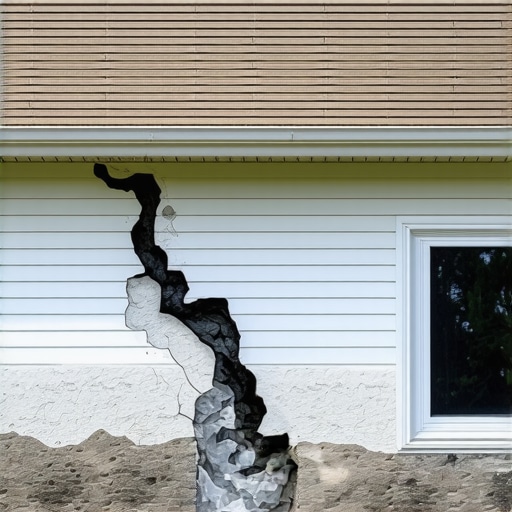
I remember a job back in the late nineties on a stately colonial. The owner was proud of his ‘lifetime’ gutter system. He called me because he had a crack in his basement wall that you could fit a deck of cards into. I walked the perimeter and found the culprit: a single miter joint at the inside corner of the house. It had a ‘lifetime’ seal, but the house had settled just a fraction of an inch, enough to break the seal. For three years, every drop of rain from two massive roof planes funneled into that one spot, right against the foundation. The hydrostatic pressure turned the soil into soup, and the corner of the house followed the path of least resistance: down. The warranty covered the ‘material integrity,’ but it didn’t cover the $25,000 foundation repair. This is the reality of water management. It is not about the product; it is about the physics of the pitch and the leader capacity.
“Gutter systems shall be designed to carry the maximum anticipated rainfall for the region without overflowing at the joints or ends.” – SMACNA Architectural Sheet Metal Manual
Hydro-Zooming: The Physics of the Overflow
To understand why these systems fail, you have to understand fluid dynamics. When rain hits a slate roof gutter care project, it doesn’t just fall; it accelerates. Slate is smooth. On a steep 12/12 pitch, water reaches a velocity that allows it to ‘bridge’ over the top of a standard five-inch gutter. If you have reverse curve guards installed, you are relying on surface tension to pull that water into a narrow slit. In a light rain, it works. In a deluge, the water’s momentum is too high. It shoots right over the edge, landing directly next to your foundation. This is where the soil begins to erode, and where the soffit begins to rot because of splash-back. If the hanger spacing is too wide, the weight of that water causes the gutter to sag, ruining the slope. Once the pitch is gone, you have standing water, which leads to mosquitoes and the inevitable failure of the sealant at the end cap.
The False Promise of Micro-Mesh Gutter Guards
The industry is currently obsessed with micro-mesh gutter guards. They are marketed as the end of gutter cleaning services. Here is the truth: they work until they don’t. In areas with heavy tree canopy, especially pine or oak, the organic matter creates a biofilm. Pollen and dust mix with water to create a literal paste that fills those tiny holes. Now, instead of a gutter, you have a slide. The water zips across the mesh and pours over the front. I have seen gutter screen installation jobs where the owner thought they were safe, only to find a leader (downspout) completely bone-dry during a storm while a curtain of water fell behind the fascia board. This moisture gets trapped, rotting the wood and inviting carpenter ants. You need hanger replacement services that use heavy-duty internal brackets, not the old spikes and ferrules that pull out as soon as the wood gets soft.
“Downspouts shall be sized based on the rainfall intensity of the region and the roof surface area.” – International Plumbing Code, Section 1106
The Drainage Hierarchy and Foundation Safety
Proper water management is a hierarchy. It starts at the peak and ends twenty feet away from the house. If you are looking at patio cover gutters or attic vent installation, you have to consider how every change affects the flow. For instance, many modern homes use 2×3 inch leaders. That is like trying to drain a bathtub through a straw. Upgrading to 3×4 inch leaders increases capacity by over 50 percent. Then comes the splash block or, better yet, a buried elbow that leads to a pop-up emitter. If you don’t move the water away from the footprint of the house, the best gutter in the world is just a decorated waterfall. Even bamboo gutter alternatives, while aesthetic for certain garden structures, require a rigorous maintenance schedule that most people ignore. Real protection comes from gutter cleaning twice a year, regardless of what the warranty says. You are paying for the peace of mind, but nature doesn’t read your contract. It just looks for the path of least resistance to your basement.
Comments are closed.