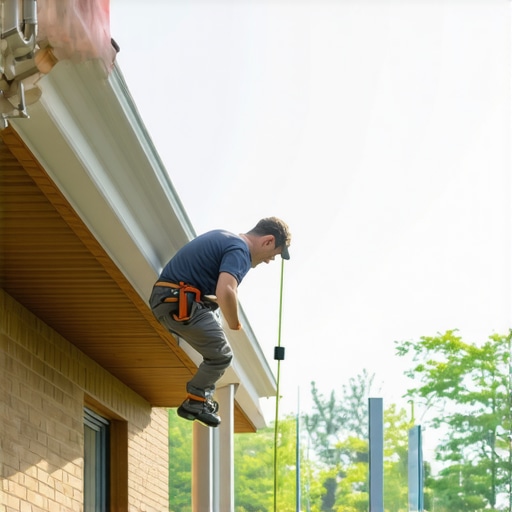
Unveiling the Complexity of Gutter and Drainage Systems in Modern Home Protection
Effective gutter repair and drainage solutions form the backbone of resilient residential infrastructure, especially in regions prone to heavy rainfall or fluctuating climate patterns. As an expert, I recognize that the nuances of gutter system design—ranging from seamless materials to advanced drainage techniques—are critical for preventing water ingress and structural deterioration. This comprehensive overview explores innovative approaches that elevate standard maintenance into strategic investments for long-term home safeguarding.
Why Traditional Gutter Maintenance Falls Short in Contemporary Environments
Conventional approaches often overlook the evolving challenges posed by climate change, urbanization, and increased rainfall intensity. Relying solely on periodic cleaning or basic repairs leaves homes vulnerable to overflow, erosion, and foundation issues. Modern solutions demand a paradigm shift towards proactive, integrated drainage management that anticipates potential failures and employs durable, high-performance materials. For instance, integrating expert gutter installation techniques ensures optimal alignment and capacity.
Advanced Materials and Design Innovations for Superior Drainage
Emerging technologies incorporate high-grade polymers, weather-resistant alloys, and smart sensors that monitor flow rates and detect blockages in real-time. These innovations enable homeowners and professionals to address issues before they escalate. For example, seamless gutters with reinforced joints reduce leak points, while integrated drainage channels direct water efficiently away from foundations, thereby reducing hydrostatic pressure and soil erosion.
What Are the Critical Factors in Achieving Long-Lasting Drainage Efficacy?
Key considerations include proper slope grading, downspout placement, and the incorporation of secondary containment systems. Ensuring that gutters are correctly angled facilitates gravity-assisted flow, while strategically positioned downspouts prevent overflow zones. Additionally, implementing leaf guards and debris filtration systems minimizes clogging risks, maintaining consistent drainage performance. For a comprehensive approach, consider consulting expert repair strategies tailored to your property’s specific needs.
How can experts optimize drainage systems to mitigate the effects of extreme weather events?
Experts leverage simulation models and predictive analytics to design adaptive drainage schemes capable of handling peak rainfall volumes. Incorporating overflow outlets and retention basins within the system architecture can buffer excessive inflows, preventing structural damage. Continuous monitoring through IoT devices further enhances responsiveness, allowing timely interventions that preserve home integrity during severe weather.
For homeowners seeking to fortify their properties, exploring detailed guides on top installation and repair techniques can be invaluable. Professionals are encouraged to share insights on innovative materials and system configurations that have demonstrated durability and performance under demanding conditions.
In conclusion, investing in advanced gutter and drainage solutions is not merely about maintenance but about strategic resilience. As the landscape of climate challenges evolves, so must our approach to safeguarding homes against water damage—an endeavor best served by expert knowledge, cutting-edge materials, and forward-thinking design.
Harnessing Smart Technology for Next-Gen Gutter Management
In the era of smart homes, integrating IoT sensors into gutter systems offers unprecedented oversight and control over rainwater management. These sensors monitor flow rates, detect blockages, and even predict potential failures before they occur, enabling proactive maintenance and minimizing costly damages. By connecting sensors to mobile apps, homeowners can receive real-time alerts and commands to activate automated drainage responses, such as opening or closing valves based on weather conditions.
Why Do Conventional Gutter Systems Struggle During Extreme Weather?
Traditional gutters often fall short in handling the increased intensity and frequency of storms caused by climate change. Clogged gutters, poor slope design, and inadequate drainage capacity contribute to overflow, water ingress, and foundation erosion. Experts emphasize that a shift towards adaptive, resilient drainage architecture—incorporating features like oversized downspouts, retention basins, and permeable paving—can significantly enhance a property’s ability to withstand heavy rainfall.
Innovative Materials and Design Techniques Elevating Drainage Reliability
Recent advances include the use of high-density polyethylene (HDPE), fiber-reinforced polymers, and corrosion-resistant metals that extend gutter lifespan under harsh conditions. Moreover, seamless gutter manufacturing reduces leak points, while innovative joint systems prevent separation and water escape. Incorporating modular components allows easy upgrades and repairs, ensuring system longevity. For a comprehensive approach, explore expert strategies at expert gutter installation and repair techniques.
What Are the Key Metrics for Evaluating Drainage System Performance?
Performance evaluation involves assessing flow capacity, clog resistance, and system resilience under simulated storm conditions. Installing flow meters and conducting regular inspections ensure that gutters and drainage channels operate within optimal parameters. Additionally, integrating secondary containment measures, such as splash blocks and overflow outlets, mitigates the risk of water pooling and erosion. For tailored solutions, consulting with professionals experienced in trusted drainage repair and installation can provide valuable insights.
How can we leverage predictive analytics to enhance gutter system resilience against future climate challenges?
Predictive analytics uses historical weather data and real-time sensor inputs to model potential flood scenarios, allowing for the design of adaptive drainage systems that respond dynamically to changing conditions. This approach supports the development of flexible infrastructure—such as adjustable downspouts or variable capacity retention basins—that can be reconfigured as climate patterns evolve. By adopting these advanced analytics, homeowners and engineers can preemptively address vulnerabilities, ensuring long-term protection and compliance with emerging building standards. For more on innovative drainage system solutions, visit expert drainage system solutions.
If you’re interested in exploring more about future-proofing your gutter system, consider sharing your experiences or questions in the comments below. Staying informed about the latest strategies can make all the difference in safeguarding your home from water damage.
Harnessing Hydrological Modeling for Precision Gutter System Design
Integrating sophisticated hydrological models into the design process allows for precise prediction of runoff patterns, enabling engineers to tailor gutter and drainage configurations to specific site conditions. Using software like SWMM (Storm Water Management Model), professionals can simulate storm events of varying intensity, assessing how different system components respond and identifying potential points of failure before installation. This proactive approach significantly reduces the risk of overflow and structural damage during extreme weather.
How do hydrological models improve the durability of gutter systems under climate variability?
These models incorporate climate projection data to forecast future rainfall extremes, guiding the selection of materials, sizes, and configurations that accommodate anticipated conditions. By simulating worst-case scenarios, designers can incorporate redundancies such as oversized downspouts or additional retention basins, ensuring that systems remain functional despite increasing storm severity. This methodology aligns with the principles of climate-resilient infrastructure, as highlighted by the Urban Resilience Toolkit (U.S. EPA, 2022).
Innovative Materials and Smart Components Redefining Gutter Longevity
Breakthroughs in material science have yielded ultra-durable polymers, corrosion-resistant alloys, and self-healing composites that extend gutter lifespan and reduce maintenance frequency. For example, self-healing polymers containing microcapsules release repair agents upon crack formation, effectively sealing leaks autonomously. When combined with smart sensors embedded within gutters, these materials facilitate real-time health monitoring, alerting homeowners to early signs of wear or blockage.
Can smart materials and sensors significantly reduce long-term gutter repair costs?
Absolutely. By enabling predictive maintenance, these technologies shift the paradigm from reactive repairs to proactive interventions. Early detection of minor issues prevents escalation into costly structural failures. According to a report by McKinsey & Company (2023), integrating smart materials with IoT sensors can reduce maintenance costs by up to 30%, while enhancing overall system reliability.
For those committed to pioneering resilient home infrastructure, exploring the latest in material innovations and sensor integration is vital. Engaging with industry-leading suppliers and research institutions can unlock customized solutions tailored to unique environmental challenges.
Optimizing Drainage Network Topology for Adaptive Flood Management
The configuration of drainage networks—encompassing the arrangement of gutters, downspouts, retention basins, and overflow outlets—plays a crucial role in managing peak flows. Advanced topological optimization employs algorithms that analyze terrain, soil permeability, and rainfall data to generate optimal layouts that maximize runoff conveyance and minimize erosion. This approach ensures that water is channeled efficiently, reducing pressure on critical structural elements.
What are the best practices for designing adaptive drainage networks in flood-prone areas?
Best practices include integrating permeable pavements to increase infiltration, installing modular retention basins that can be expanded as needed, and deploying variable-capacity outlets that adjust to real-time flow conditions. Incorporating green infrastructure elements, such as rain gardens and vegetated swales, further enhances absorption and slows runoff velocity. According to the International Stormwater Best Management Practices (2020), such multifaceted strategies significantly improve resilience against flood events.
If you’re eager to deepen your understanding of state-of-the-art drainage solutions, consulting with specialists in hydrological engineering and urban planning can provide tailored insights that align with your property’s specific topography and climate risks. Stay ahead by continuously exploring emerging technologies and their practical applications in home protection.
Harnessing Hydrodynamic Modeling for Precision Drainage Design in Extreme Climates
Utilizing sophisticated hydrodynamic modeling software such as SWMM (Storm Water Management Model) allows engineers to simulate complex rainfall-runoff interactions, leading to highly tailored gutter and drainage configurations. These simulations incorporate local topography, soil permeability, and projected climate data, providing a predictive framework that preempts system failures during peak storm events. This proactive approach is essential for designing resilient infrastructure capable of withstanding future climate variability.
What Role Do Eco-Friendly and Self-Healing Materials Play in Sustainable Gutter Systems?
Recent innovations in eco-conscious materials include bio-based polymers and self-healing composites that significantly extend the service life of gutter systems. Self-healing polymers, embedded with microcapsules releasing repair agents upon crack formation, autonomously seal leaks and cracks, reducing maintenance costs and environmental impact. These materials, coupled with smart sensor integration, facilitate a paradigm shift toward maintenance-free, sustainable rainwater management solutions.
< >
>
Integrating Green Infrastructure for Enhanced Stormwater Management
Implementing green infrastructure elements such as rain gardens, vegetated swales, and permeable pavements complements traditional gutter systems by promoting infiltration, reducing runoff volume, and mitigating erosion. These features are particularly effective in flood-prone urban areas, providing localized water retention and improving overall resilience. Collaboration with landscape architects and hydrologists can optimize these solutions for specific site conditions, ensuring maximum efficacy.
How Can Smart Sensor Networks Revolutionize Gutter Maintenance?
Deploying interconnected IoT sensors within gutter systems offers continuous real-time monitoring of flow rates, debris accumulation, and structural integrity. These sensor networks enable predictive analytics, alerting homeowners and maintenance teams to potential blockages or failures before they occur. This data-driven approach minimizes costly repairs, extends system lifespan, and ensures optimal performance during critical weather events.
What Are the Future Trends in Climate-Resilient Drainage Infrastructure?
Emerging trends focus on adaptive systems that can dynamically respond to changing weather patterns, including modular components, variable-capacity retention basins, and AI-driven control systems. Integration of renewable energy sources, such as solar-powered sensors and actuators, further enhances sustainability. Policymakers and industry stakeholders are increasingly advocating for resilient design standards aligned with climate adaptation frameworks, as outlined by the United Nations Environment Programme (UNEP, 2022).
To stay at the forefront of these innovations, professionals and homeowners alike should engage with research institutions, attend industry conferences, and consult with specialists in hydrological engineering and sustainable infrastructure. Embracing these advanced strategies ensures long-term protection against water-related damage while fostering environmental stewardship.
Expert Insights & Advanced Considerations
1. Integrating Smart Technology Enhances System Reliability
IoT-enabled sensors embedded within gutter systems provide real-time monitoring of flow rates, debris, and structural health. This proactive approach allows for predictive maintenance, reducing costly repairs and ensuring optimal performance during severe weather events.
2. Hydrological and Hydrodynamic Modeling Elevate Design Precision
Advanced modeling software like SWMM enables engineers to simulate runoff behavior under various climate scenarios, optimizing gutter configurations and drainage networks for maximum resilience. Incorporating future climate projections into these models ensures systems remain effective despite changing conditions.
3. Material Innovation Extends System Longevity and Sustainability
Emerging materials such as self-healing polymers and corrosion-resistant alloys offer increased durability. When combined with eco-friendly composites, these materials contribute to sustainable, low-maintenance gutter systems capable of withstanding extreme environmental stressors.
4. Green Infrastructure Complements Traditional Drainage for Urban Resilience
Implementing rain gardens, permeable pavements, and vegetated swales reduces runoff volume and enhances infiltration. These features work synergistically with engineered gutters to mitigate urban flooding and promote ecological health.
5. Adaptive Drainage Network Topology Optimizes Flood Management
Utilizing algorithms for topological optimization ensures that gutters, retention basins, and overflow outlets are configured to handle peak flows efficiently. Modular and scalable designs facilitate rapid adaptation to evolving climate risks, safeguarding infrastructure over the long term.
Curated Expert Resources
- EPA Storm Water Management Models (SWMM): A comprehensive tool for hydrological and hydraulic modeling, essential for designing resilient drainage systems.
- McKinsey & Company Reports on Smart Infrastructure: Insights into integrating IoT and advanced materials for maintenance cost reduction and system reliability.
- Urban Resilience Toolkit (U.S. EPA, 2022): Guidelines on climate-adaptive infrastructure, emphasizing sustainable and flexible drainage solutions.
- International Stormwater Best Management Practices (2020): Best practices for urban flood mitigation, including green infrastructure integration.
- Research on Self-Healing Polymers: Cutting-edge studies on materials that autonomously repair cracks, extending system lifespan.
Final Expert Perspective
In the realm of gutter and drainage systems, embracing technological innovation, sustainable materials, and adaptive design principles is paramount for future-proofing homes against climate variability. These advanced strategies, rooted in expert knowledge, enable the creation of resilient, efficient, and environmentally conscious infrastructure. For professionals and homeowners committed to excellence, continuous engagement with leading research and industry insights is essential. To deepen your expertise, explore more about expert gutter installation techniques and stay ahead in sustainable drainage innovation.
This is such a thorough overview of modern gutter and drainage strategies. I’ve been personally exploring the integration of smart sensors and IoT devices into my home’s drainage system to better anticipate blockages and overflows during heavy storms. It’s incredible how technology can now help prevent water ingress problems before they even happen. One challenge I’ve faced is ensuring that the sensors are properly calibrated and protected from debris and weather exposure. Has anyone here had experience with specific sensors or brands that hold up well in harsh conditions? Additionally, I’m curious about the practicality of installing hydrological models like SWMM for a homeowner. Do you think it’s something that a typical DIY enthusiast could grasp or should it always be handled by professionals? Overall, moving towards these advanced, resilient systems seems to be the future of home water management, especially as climate patterns become more unpredictable.
Reading this detailed overview, I’m reminded of how crucial it is to not only upgrade materials but also consider the landscape’s role in drainage efficiency. When I recently worked on a home project, incorporating green infrastructure like rain gardens and permeable pavements significantly enhanced water absorption and reduced runoff issues during storms. It’s interesting how integrating eco-friendly solutions can complement high-tech systems like IoT sensors for even better resilience. One thing I wonder about is the maintenance aspect—do these green features require consistent upkeep to remain effective, especially in extreme weather? Also, how do you balance aesthetic landscapes with functional stormwater management? I’m curious if other homeowners here have combined these strategies successfully and what challenges they faced in doing so. It seems like a multi-layered approach—technology, natural infrastructure, and smart design—is truly the way forward for climate-adaptive homes.
This post provides a really comprehensive look at how modern innovations in gutter and drainage systems are crucial for protecting homes in our changing climate. I especially appreciate the emphasis on integrating smart sensors and IoT technology; I’ve been investigating such solutions for my property, and it’s impressive how much real-time data can help prevent possible damage. One thing I’ve wondered about is the affordability and ease of installation for these advanced systems—are they accessible for average homeowners or still mainly within the realm of professionals? I also find the idea of combining green infrastructure with high-tech solutions compelling; in my experience, maintaining rain gardens or permeable pavements requires some upkeep, but the benefits in water absorption are significant. Has anyone here had experience using self-healing materials or predictive analytics to further enhance home resilience? It seems like adopting these cutting-edge approaches is really the way forward for long-term home safety and sustainability.
This article underscores the importance of shifting from reactive gutter maintenance to proactive, technology-driven solutions. I’ve personally started integrating smart sensors connected to my home’s drainage system, and the difference in early detection compared to manual inspections is impressive. One challenge I encountered was ensuring the sensors are weatherproof and resistant to debris, but with the right brands, it’s manageable. I’m curious—has anyone experimented with AI-powered predictive analytics to anticipate heavy rainfall and adjust drainage or water diversion systems automatically? It seems like a promising frontier that could significantly improve resilience, especially in areas prone to sudden weather shifts. Also, I believe combining these high-tech solutions with eco-friendly infrastructure could create a more holistic approach to home water management. What are some practical steps homeowners can take today to start implementing these innovations without breaking the bank? Overall, embracing a combination of smart tech and sustainable design appears to be the future of durable, efficient home drainage systems.