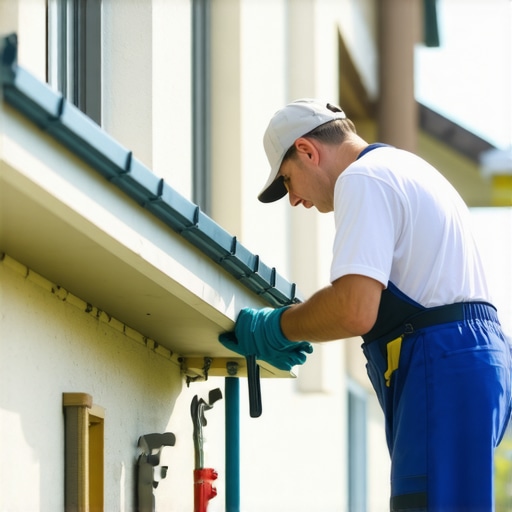
Mastering the Art of Drainage: Why Expert Gutter Maintenance Is Critical for Your Home’s Structural Integrity
In the realm of home protection, effective drainage management emerges as a cornerstone of durability and resilience. As professionals in the field, we recognize that meticulous gutter cleaning and drainage solutions are not merely routine chores but strategic interventions that safeguard your property against water damage and foundational issues. Understanding the complexities behind proper gutter maintenance involves an appreciation of hydrological principles, material science, and climate adaptability, especially as weather patterns grow increasingly unpredictable in 2024.
Innovative Approaches to Gutter System Optimization for Enhanced Water Management
Advancements in gutter technology, such as seamless aluminum gutters and integrated drainage channels, have transformed traditional methods. These innovations are designed to optimize flow dynamics, reduce clogging risks, and facilitate easy maintenance. For example, expert gutter installation and drainage system solutions incorporate cutting-edge materials and design principles, ensuring efficient water diversion even during heavy rainfall. Proper installation paired with routine cleaning minimizes overflow, preventing erosion and basement flooding.
Addressing Common Drainage Challenges with Advanced Solutions
One recurrent issue faced by homeowners is improper slope or clogged downspouts, which can result in water pooling around the foundation. Addressing these challenges requires a nuanced understanding of site-specific factors such as soil permeability and landscape grading. Implementing reliable drainage gutter cleaning tips and proactive repairs can significantly extend the lifespan of your drainage system. Regular inspections, combined with professional repairs, help in identifying potential blockages before they escalate into costly repairs.
What Are the Most Advanced Gutter Cleaning Techniques for 2024?
How can homeowners leverage technology to maintain optimal drainage performance?
Emerging technologies such as drone inspections and smart sensors are revolutionizing gutter maintenance. Drones equipped with high-resolution cameras facilitate comprehensive inspections of hard-to-reach areas, while smart sensors monitor water flow and alert homeowners or service providers to potential blockages or leaks in real time. These innovations enable proactive maintenance, reducing downtime and preventing water-related damage. For ongoing insights, consult authoritative sources like the Journal of Hydrology.
Professionals in the drainage and gutter industry emphasize that a holistic approach combining routine maintenance, technological integration, and site-specific modifications offers the best defense against water intrusion. Engaging with expert resources such as gutter installation and repair experts ensures your drainage system remains resilient and efficient.
To further refine your home’s drainage resilience, explore our comprehensive guide on effective gutter cleaning and drainage repairs or consider consulting with a professional for a tailored drainage assessment. Your home’s longevity depends on proactive, expert-level drainage management.
Are Smart Technologies the Next Step in Gutter Maintenance?
As we delve deeper into the evolving landscape of gutter and drainage management, the integration of smart technologies stands out as a game-changer. From IoT-enabled sensors that monitor water flow to automated cleaning systems, these innovations are reshaping how homeowners and professionals approach water management. For example, smart sensors can detect early signs of clogging or leaks, sending real-time alerts via mobile apps, thus enabling proactive intervention before minor issues escalate into costly damages. This shift towards intelligent drainage solutions underscores the importance of combining traditional maintenance with cutting-edge technology for optimal results.
What Are the Practical Implications of Advanced Drainage Solutions?
Implementing innovative tools and techniques has tangible benefits. It enhances the reliability of your gutter system, minimizes the risk of basement flooding, and extends the lifespan of your drainage infrastructure. Moreover, integrating these solutions aligns with sustainable practices by reducing unnecessary repairs and minimizing water wastage. For instance, seamless gutter systems paired with advanced drainage channels can significantly improve water diversion, especially during heavy rainfall, effectively protecting your foundation and landscape. To ensure your drainage system remains resilient, consider exploring expert gutter installation and drainage system solutions tailored to your property’s unique needs.
How Can Homeowners and Professionals Collaborate for Optimal Drainage Performance?
Effective drainage management is a collaborative effort that benefits greatly from professional expertise and homeowner vigilance. Regular inspections, combined with the adoption of smart monitoring tools, can identify potential issues early. Professionals can offer tailored solutions such as site-specific grading adjustments, installation of advanced gutter guards, and drainage upgrades that align with local climate conditions. Engaging with trusted resources like reliable gutter cleaning tips and professional repairs ensures your system remains efficient and durable over time. For those seeking to deepen their understanding, consulting authoritative sources such as the Journal of Hydrology can provide insights into hydrological dynamics and innovative management strategies.
What foundational principles should guide the adoption of high-tech drainage solutions in residential settings?
Understanding hydrological principles—like correct slope, water velocity, and runoff patterns—is essential when integrating new technologies. Ensuring that these solutions complement the natural landscape and existing infrastructure maximizes their effectiveness. Implementing a comprehensive approach that includes routine gutter repair and installation reinforces your home’s defense against water intrusion. Would you like to explore more about how modern drainage innovations can be customized for your property? Share your questions or experiences in the comments, or check out our detailed guides for expert tips on safeguarding your home’s foundation and landscape.
Harnessing Hydrological Insights for Next-Generation Drainage Design
As we push the boundaries of traditional gutter maintenance, integrating sophisticated hydrological models becomes vital. These models analyze water flow patterns, soil permeability, and landscape topography to inform tailored drainage solutions that dynamically adapt to changing climate conditions. For instance, utilizing Geographic Information System (GIS) data in conjunction with real-time weather analytics allows professionals to design drainage systems that preemptively respond to storm intensity and duration, significantly reducing the risk of water intrusion and foundational damage.
How does the application of hydrological modeling optimize residential drainage systems?
Hydrological modeling provides precise simulations of water movement across varied terrains, enabling engineers to identify potential hotspots for water accumulation and erosion. By predicting the flow velocity and volume during heavy rainfall, these models support the creation of customized gutter layouts, slope adjustments, and retention features that enhance overall water management efficiency. According to research published in the Journal of Hydrology, integrating such models into the design phase can reduce runoff-related damages by up to 40%, offering homeowners a resilient and sustainable drainage infrastructure.
Incorporating these advanced insights into routine gutter maintenance not only prolongs system longevity but also aligns with sustainable practices by minimizing water wastage and environmental impact. For example, smart rainwater harvesting systems, integrated with hydrological data, can optimize water collection and reuse, further enhancing your home’s eco-efficiency.
Innovative Materials and Smart Technologies Transforming Gutter Maintenance
The evolution of gutter systems in 2024 is heavily influenced by groundbreaking materials and IoT-enabled devices. Seamless, corrosion-resistant materials like polymer composites and nano-coated metals ensure durability under extreme weather conditions. When paired with smart sensors—capable of detecting debris buildup, leaks, and flow irregularities—homeowners gain unprecedented control over their drainage health.
Imagine a scenario where your gutter system alerts you via a mobile app when a clog is forming or if a downspout is compromised. This proactive approach minimizes emergency repairs and prevents water damage. According to a recent industry report by Mordor Intelligence, the adoption of IoT in home maintenance is projected to grow by 25% annually, underscoring its strategic importance for future-proofing residential infrastructure.
< >
>
Designing Future-Ready Drainage: Principles and Practicalities
Implementing high-tech drainage solutions requires a foundational understanding of core hydrological principles. Correct slope gradients, velocity control structures, and runoff diversion techniques are essential to complement digital innovations. For instance, installing adjustable gutter brackets and modular drainage channels allows for real-time modifications aligned with weather forecasts and soil conditions.
Moreover, integrating these systems within a holistic landscape design ensures that natural elements like swales and rain gardens work synergistically with engineered components. This approach not only enhances efficiency but also promotes ecological balance.
Would you like to explore how to customize these advanced drainage strategies for your specific property? Contact our expert team for a comprehensive assessment that leverages cutting-edge technology and scientific insights to safeguard your home’s foundation now and into the future.
Revolutionizing Home Drainage: How Hydrological Modeling Enhances Gutter Design
Incorporating sophisticated hydrological models into gutter system planning offers unparalleled precision in predicting water flow and runoff patterns. These models analyze terrain, soil permeability, and climate data to inform customized solutions that preemptively address drainage challenges. By simulating storm scenarios, engineers can optimize gutter slopes, placement, and capacity, significantly reducing the risk of foundational water intrusion. Studies published in the Journal of Hydrology highlight that such data-driven approaches can decrease runoff-related damages by up to 40%, underscoring their importance for resilient home infrastructure.
Emerging Materials and Smart Tech: The Future of Gutter Durability and Maintenance
2024 witnesses a paradigm shift with the advent of nano-coated metals and polymer composites that resist corrosion and extreme weather. When integrated with IoT-enabled sensors, these materials facilitate real-time monitoring of debris accumulation, leaks, and flow irregularities. Imagine receiving a mobile alert indicating a developing clog or downspout breach, enabling preemptive action. Industry forecasts from Mordor Intelligence project a 25% annual growth in IoT adoption within home maintenance, emphasizing its strategic significance for future-proofed drainage systems.
How Can Site-Specific Hydrological Data Drive Custom Gutter Solutions?
Leveraging localized hydrographic data allows for bespoke gutter configurations that align with your landscape’s unique runoff dynamics. This approach involves detailed analysis of your property’s topography, soil characteristics, and regional weather patterns. By integrating these insights, professionals can recommend slope adjustments, retention features, and gutter materials optimized for your environment, thus enhancing efficiency and longevity. Consulting authoritative sources like the Journal of Hydrology ensures your drainage plan is grounded in scientific rigor.
Can Smart Rainwater Harvesting Systems Be Integrated with Modern Gutter Infrastructure?
Yes, the integration of smart rainwater harvesting solutions with advanced gutter systems offers a sustainable approach to water management. These systems, equipped with real-time sensors and automated controls, optimize collection during rainfall, reducing runoff and providing supplementary water for landscape irrigation or graywater use. Such synergy not only enhances your home’s eco-efficiency but also mitigates strain on municipal drainage during heavy storms. Embrace these innovations to transform your property into a resilient, environmentally conscious sanctuary.
Collaborative Strategies for Optimal Drainage System Performance
Effective drainage management hinges on a collaborative synergy between homeowners and specialists. Regular inspections complemented by real-time monitoring tools facilitate early detection of potential issues. Site-specific modifications like grading adjustments, installation of advanced gutter guards, and tailored drainage upgrades—guided by hydrological insights—ensure sustained performance. Trusted resources such as reliable gutter maintenance tips and expert consultations are vital for maintaining system resilience over time. To deepen your understanding, consult the Journal of Hydrology, which provides comprehensive research on innovative water management solutions.
What are the key hydrological principles guiding the integration of high-tech drainage solutions?
Understanding fundamental concepts like flow velocity, runoff pathways, and landscape hydrology is crucial. These principles ensure that digital innovations complement natural water movement, maximizing efficiency. For example, adjustable gutter brackets and modular channels enable real-time modifications aligned with weather forecasts and soil conditions. Would you like to explore customized drainage strategies that leverage these principles? Engage with our expert team or explore our detailed guides to optimize your home’s water resilience.
Harnessing Geospatial Data for Next-Generation Drainage Design
Utilizing Geographic Information System (GIS) technology combined with real-time weather analytics allows for dynamic, site-specific drainage systems that adapt to climate variability. These tools enable precise identification of runoff hotspots and erosion-prone zones, facilitating optimized placement of gutters, retention basins, and landscape features like rain gardens. According to research in the Journal of Hydrology, such integrated approaches can reduce stormwater damages by up to 40%, promoting sustainable and resilient home environments.
Expert Insights & Advanced Considerations
Hydrological Principles Are Fundamental
Understanding core hydrological concepts such as flow velocity, runoff pathways, and landscape hydrology is essential for designing resilient drainage systems. These principles ensure that innovative solutions like smart sensors and hydrological modeling complement natural water movement, maximizing efficiency and durability.
Utilizing Geospatial Data Enhances Customization
Leveraging GIS technology combined with real-time weather analytics allows for site-specific drainage solutions that adapt to climate variability. This approach helps identify runoff hotspots and erosion-prone areas, enabling precise installation of gutters, retention basins, and rain gardens for optimal water management.
Material Innovation Is Transforming Durability
Advanced materials such as nano-coated metals and polymer composites offer superior resistance to corrosion and extreme weather. When integrated with IoT sensors, these materials facilitate real-time monitoring, enabling proactive maintenance and minimizing water damage risks.
Smart Technologies Are Reshaping Maintenance
IoT-enabled sensors and automated systems provide continuous monitoring of water flow and debris buildup. These innovations send alerts for potential issues, allowing timely intervention and reducing emergency repairs, thereby safeguarding your home’s foundation effectively.
Holistic and Collaborative Approaches Are Key
Combining routine inspections with advanced monitoring tools and site-specific modifications creates a comprehensive water management strategy. Engaging with expert resources and utilizing hydrological insights ensures that drainage systems remain resilient against evolving climate challenges.
Curated Expert Resources
- Journal of Hydrology: Offers in-depth research on hydrological modeling, water flow analysis, and sustainable drainage design principles essential for industry professionals.
- Elite Gutter Works: Provides authoritative guides on gutter installation, drainage repairs, and innovative system solutions tailored for advanced water management.
- Mordor Intelligence: Industry reports on smart home automation and IoT technology integration, highlighting future trends in gutter and drainage system innovation.
- ScienceDirect: Features scholarly articles on GIS and geospatial data applications in customized drainage system design, promoting scientific rigor in project planning.
Final Expert Perspective
Mastering the art of drainage in 2024 requires an expert-level understanding of hydrological principles, material science, and technological innovations. Integrating these elements into a cohesive strategy enhances your home’s resilience against water intrusion and foundational damage. For those committed to excellence, engaging with authoritative resources and continuously advancing your knowledge will ensure your drainage systems remain robust and future-proof. We invite you to explore advanced solutions, share insights, or consult with specialists to elevate your property’s water management capabilities—because in the realm of gutter drainage, expertise makes all the difference.
This article provides a comprehensive overview of how advanced technology is transforming gutter maintenance and drainage solutions in 2024. I’ve personally seen the difference that smart sensors and drone inspections make—especially after a recent heavy storm where I was able to receive real-time alerts about potential blockages before they caused any damage. The integration of GIS data and hydrological modeling seems like a game-changer for home resilience, particularly in areas prone to unpredictable weather patterns. My question is, how feasible is it for the average homeowner to implement some of these sophisticated solutions without professional assistance? Are there simplified, cost-effective options that still significantly improve drainage management? I believe that as these technologies become more accessible, more homeowners might adopt them to better protect their properties.
This post really highlights the importance of integrating both traditional and modern approaches to gutter and drainage management. I’ve noticed that regular inspections, even without new tech, can prevent many issues before they escalate — like catching minor clogs early during routine cleaning. The mention of hydrological principles makes me think about the value of understanding your home’s landscape thoroughly, which can really influence how effective any system—high-tech or not—will be. Personally, I’ve been curious about rain gardens and their role in supplementing drainage systems. Has anyone here had experience designing or maintaining rain gardens? They seem like a sustainable addition that can work synergistically with advanced gutter tech to improve overall water flow and reduce erosion. Also, how do property owners balance investing in high-tech solutions versus optimizing their landscape for natural water management? It seems like a holistic approach could be the key to resilience.
This post brings up excellent points about the importance of both technological and traditional methods in gutter and drainage maintenance. I’ve personally found that regular inspections and cleanings have prevented most of the issues I faced in the past, especially during heavy rains. What really interests me is the potential of integrating smart sensors with more natural water management features like rain gardens. Has anyone had success combining these approaches to enhance drainage efficiency? It seems like a holistic approach could really boost resilience while also being environmentally friendly. Additionally, with the rising costs of high-tech solutions, are there affordable options or DIY techniques that can provide early warning and effective management for the average homeowner? I’d love to hear from others who have experimented with blending natural landscape features and modern tech for better drainage.
Reading through this post really emphasizes how critical regular maintenance and innovative technology are in ensuring a home’s longevity amidst increasingly unpredictable weather patterns. I have noticed that in my own experience, combining traditional cleaning routines with smart sensors has made a marked difference in preventing common issues like clogging or leaks. What struck me most was the potential of hydrological modeling and GIS data to customize drainage solutions specifically for different landscapes, which seems like a game-changer for homeowner resilience. However, one challenge I see is the initial investment and expertise required. For many homeowners, especially in older properties, is it practical to adopt these advanced systems without significant upgrades? Are there scalable, cost-effective solutions that can provide early benefits without breaking the bank? Also, I wonder how widespread the adoption of IoT tech is among average homeowners yet. I’d love to hear if others have successfully integrated these innovations with existing systems without major renovations.
This post really highlights how integrating the latest technology with traditional maintenance practices can make a huge difference in home drainage resilience, especially with the unpredictable weather we’ve seen in 2024. I’ve personally started using drone inspections and smart sensors around my property after a series of heavy storms caused minor water pooling issues. The proactive approach of real-time monitoring and quick repairs has saved me from costly damage. What I find fascinating is the growing accessibility of these advanced solutions—do you think DIY smart sensor systems are becoming viable options for the average homeowner, or are they still primarily for professionals? Also, I wonder how effective existing low-cost solutions like rain barrels or simple sensor alerts are in comparison. Would love to hear others’ insights on balancing high-tech innovations with budget-friendly maintenance routines to keep water where it should be—away from the foundation.
This article sheds light on some exciting advancements in gutter and drainage technology that I hadn’t been aware of before. I’ve personally experienced how regular maintenance can sometimes fall short during unexpected heavy rainfall, especially if the system isn’t designed to handle such volumes. The idea of using smart sensors and drone inspections is intriguing and seems like a practical way to stay ahead of potential issues. However, I wonder about the affordability and ease of implementation for homeowners without technical expertise. Are there simplified, user-friendly versions of these high-tech solutions that can still provide early alerts and effective maintenance? Additionally, integrating natural features like rain gardens can definitely complement these systems, but how feasible is it to design such features in irregularly shaped or smaller properties? I’d love to hear from others who’ve tried to blend traditional landscaping with these innovative drainage solutions, especially in limited spaces.