
Unlocking the Secrets of Professional Gutter Systems for Superior Drainage in 2024
In the realm of residential and commercial property maintenance, the sophistication of gutter installation and cleaning techniques directly correlates with the longevity and resilience of the structure. As we progress into 2024, understanding the nuanced elements of expert gutter management becomes essential for safeguarding properties against water damage, foundation erosion, and landscape deterioration. The integration of advanced drainage solutions and meticulous maintenance protocols ensures optimal performance, especially in regions with unpredictable weather patterns.
How Does Precision in Gutter Installation Enhance Drainage Efficiency?
Expert gutter installation involves more than just affixing gutters; it requires a comprehensive assessment of roof pitch, fascia integrity, and landscape grading. High-quality materials such as seamless aluminum or copper gutters are favored for their durability and minimal maintenance needs. Proper slope alignment—typically 1/4 inch per 10 feet—is critical for promoting efficient water flow towards downspouts, preventing stagnant water pockets that can cause corrosion or overflow. For complex roof configurations, custom-fitted gutters with multiple outlets can significantly improve water diversion, reducing strain on the drainage system.
Innovative Cleaning Techniques to Maintain Peak Functionality
Regular cleaning remains the cornerstone of effective gutter management. However, the methods employed have evolved. Experts now utilize robotic gutter-cleaning devices and high-powered vacuums that reach difficult areas without risking personal injury or property damage. Additionally, advanced gutter guards—such as micro-mesh screens—filter debris while enabling water flow, thereby reducing cleaning frequency and ensuring continuous drainage. For best results, a biannual cleaning schedule, aligned with local climate patterns, is recommended.
What Are the Latest Innovations in Gutter Drainage System Design for 2024?
Latest innovations include integrated rainwater harvesting systems, which combine efficient guttering with storage solutions, and smart sensors that monitor water flow and alert homeowners to potential blockages. These advancements are rooted in sustainable design principles and IoT technology, promising a future where gutter systems not only protect structures but also contribute to eco-friendly water management practices. For a comprehensive overview of these innovations, see this detailed guide.
Ensuring Long-Term Performance through Expert Maintenance and Repair
Routine inspections by professional gutter specialists can detect early signs of wear, corrosion, or misalignment. Timely repairs—such as sealing leaks, reinforcing brackets, or replacing damaged sections—are vital for maintaining optimal drainage. Effective repair strategies prevent water infiltration into walls and basements, thereby reducing costly structural repairs. Additionally, selecting high-grade materials and employing proper installation techniques form the backbone of lasting drainage solutions. For more insights on repairs, visit this expert resource.
How Can Advanced Drainage Solutions Be Tailored to Complex Property Landscapes?
Tailoring drainage solutions involves analyzing site-specific factors such as soil composition, slope, and existing infrastructure. Experts often recommend installing oversized downspouts, incorporating drainage pipes, or implementing landscape grading adjustments to optimize water flow. Additionally, integrating rain gardens or permeable pavements can alleviate pressure on gutter systems while contributing to sustainable water management. Engaging with professionals ensures these solutions are harmonized with the property’s unique topography and environmental context.
For those seeking to elevate their gutter systems to professional standards, exploring comprehensive installation and maintenance strategies is crucial. Engage with industry experts or consult authoritative sources like this detailed guide to stay ahead in 2024.
How Can Emerging Technologies Revolutionize Gutter Drainage Efficiency in 2024?
As we delve deeper into 2024, the integration of cutting-edge technology in gutter systems becomes a pivotal aspect of modern property management. Innovations such as AI-powered sensors that monitor water flow and alert homeowners to blockages are transforming traditional drainage maintenance. These smart systems enable proactive responses, reducing water damage risks and enhancing overall system longevity. For instance, IoT-enabled gutter components can communicate real-time data to smartphones, allowing for immediate action when issues arise.
Furthermore, advancements in material science have led to the development of ultra-durable, self-cleaning gutter materials that resist debris buildup and corrosion. These materials not only extend the lifespan of the gutter system but also minimize maintenance requirements, providing a cost-effective solution over time. Exploring these innovations through trusted sources like this comprehensive guide can help property owners make informed decisions about future-proofing their drainage systems.
Are There Sustainable and Eco-Friendly Drainage Solutions That Don’t Compromise Performance?
In the context of increasing environmental awareness, sustainable drainage solutions are gaining prominence. Techniques such as rain gardens, permeable pavements, and green roofs complement gutter systems by allowing water to infiltrate naturally into the ground, reducing runoff and alleviating pressure on drainage infrastructure. When integrated with high-quality gutters and downspouts, these methods can significantly decrease the risk of water pooling and foundation damage.
Experts emphasize that selecting eco-friendly materials, such as recycled or biodegradable components, enhances the sustainability of gutter systems without sacrificing durability. Additionally, combining rainwater harvesting with efficient guttering not only conserves water but also provides a supplementary resource for landscaping needs. For insights into designing such systems, visit this authoritative resource.
If you’re eager to elevate your property’s water management strategies, consider consulting a professional who can tailor innovative, eco-conscious solutions to your unique landscape. Share your thoughts or experiences with sustainable drainage systems in the comments below or explore more expert advice on this related article.
Integrating Advanced Materials and Design for Future-Proof Gutter Systems
With the rapid evolution of material science, 2024 brings groundbreaking options for gutter systems that prioritize durability, efficiency, and environmental sustainability. Experts now advocate for the adoption of **self-cleaning, corrosion-resistant materials** such as titanium-infused aluminum or nanocoated copper, which significantly extend service life and reduce maintenance efforts. These materials feature **anti-icing coatings** and **hydrophobic surfaces** that prevent debris accumulation and ice formation, ensuring uninterrupted water flow even in harsh winter conditions.
How Can Computational Modeling Enhance Gutter System Design?
In the realm of professional drainage planning, computational fluid dynamics (CFD) modeling is transforming how engineers optimize gutter layouts for complex terrains. By simulating water flow, sediment transport, and potential overflow scenarios, specialists can preemptively identify design flaws and implement **adaptive solutions** such as variable slope gutters or integrated drainage channels. This proactive approach minimizes installation errors and maximizes system resilience under extreme weather events.
What are the key considerations when designing for climate-adaptive gutter systems?
Designing climate-resilient gutters requires a nuanced understanding of local meteorological patterns, including rainfall intensity, wind-driven debris, and temperature fluctuations. Key considerations include selecting **flexible, impact-resistant materials**, incorporating **multi-tiered downspout configurations** for high-volume runoff, and installing **adjustable splash blocks** to direct water away from foundations. Integrating **smart sensors** to monitor real-time performance further enhances adaptability, allowing for maintenance before issues escalate.
According to a recent study published in the Journal of Sustainable Infrastructure (2023), such adaptive systems can reduce water-related damages by up to 40%, emphasizing their importance in modern property management (source).
Emerging Technologies: IoT and AI in Gutter System Maintenance
IoT-enabled gutter systems are revolutionizing maintenance protocols by providing continuous monitoring and predictive analytics. Connected sensors track flow rates, detect blockages, and alert homeowners or maintenance teams via smartphone apps. Machine learning algorithms analyze historical data to forecast potential failures, enabling **preventive repairs** that save costs and prevent water damage. These intelligent systems are particularly valuable for large commercial properties or multi-unit residential complexes, where manual inspections are impractical.
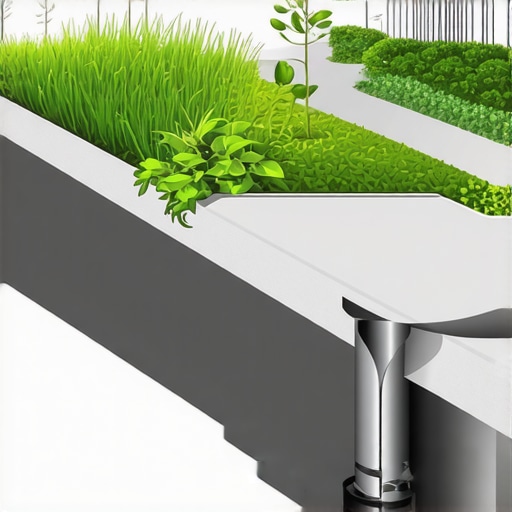
The envisioned smart gutter system with integrated sensors and IoT connectivity, illustrating advanced water flow monitoring and predictive maintenance capabilities.
Eco-Conscious Design: Merging Sustainability with Performance
Eco-friendly gutter solutions are gaining momentum through the use of **recycled materials**, such as reclaimed aluminum or biodegradable composites, which reduce environmental impact without compromising strength. Additionally, integrating **green infrastructure elements**—like rain gardens, bioswales, and permeable pavements—can create a holistic water management ecosystem. These strategies not only alleviate pressure on traditional drainage systems but also promote groundwater recharge and habitat preservation.
Experts recommend a **multi-layered approach** that combines high-performance gutter components with landscape features designed to absorb and filter stormwater naturally. Implementing such systems requires careful planning and collaboration between landscape architects and drainage engineers, ensuring harmony between aesthetics, functionality, and sustainability.
Would you like to explore how these innovative solutions can be tailored to your property? Dive deeper into professional consultation and stay ahead in the evolving landscape of drainage technology—your property’s resilience depends on it.
Harnessing Material Science Breakthroughs to Extend Gutter Life in Extreme Climates
Recent developments in nanotechnology and composite materials have revolutionized gutter manufacturing, enabling the creation of ultra-durable, self-healing, and corrosion-resistant systems. Titanium-infused aluminum and nanocoated copper exemplify this trend, offering unparalleled longevity and minimal maintenance even in harsh weather conditions. These materials incorporate anti-icing and hydrophobic coatings, significantly reducing debris accumulation and ice formation, thereby maintaining optimal water flow year-round.
Integrating Computational Fluid Dynamics for Precision Gutter Engineering
Advanced computational modeling, particularly CFD, allows engineers to simulate complex water flow scenarios across diverse terrains and roof configurations. This predictive approach identifies potential overflow points and optimizes gutter slope, capacity, and outlet placement. By leveraging these insights, professionals can design adaptive systems that effectively handle extreme rainfall events, minimizing overflow risks and structural damage. Explore this study for in-depth analysis of CFD applications in drainage design.
What factors are critical when designing climate-resilient gutter systems for unpredictable weather?
Designing for climate resilience necessitates a detailed understanding of regional meteorological patterns, including rainfall intensity, wind-driven debris, and temperature fluctuations. Incorporating impact-resistant, flexible materials, multi-tiered downspouts, and adjustable splash blocks enhances system adaptability. Smart sensors integrated into gutter infrastructure enable real-time performance monitoring, facilitating proactive maintenance and immediate response to emerging issues. Consult this authoritative resource for comprehensive climate-adaptive design strategies.
Smart Technologies Transforming Gutter Maintenance and Monitoring
The advent of IoT and AI has introduced a new era of gutter system management. Connected sensors continuously monitor water flow, detect blockages, and transmit data to maintenance platforms. Machine learning algorithms analyze historical and real-time data to predict failures, enabling preemptive repairs, reducing costs, and preventing water damage. These intelligent systems are especially beneficial for large-scale properties, providing continuous oversight without manual inspections.
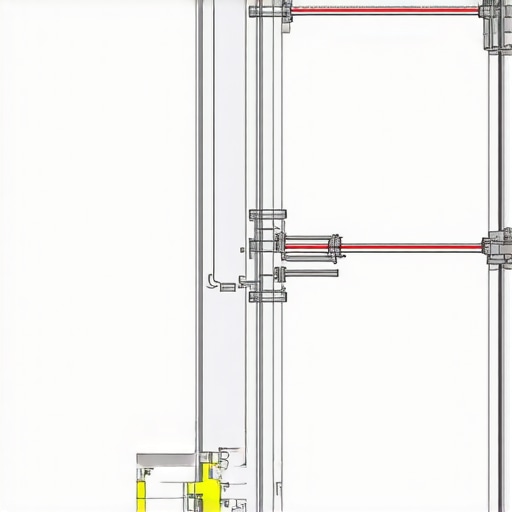
The future of gutter systems depicted with integrated IoT sensors, illustrating proactive water flow management and predictive analytics capabilities.
Eco-Friendly Innovations Merging Sustainability with High Performance
In response to environmental concerns, sustainable gutter solutions utilize recycled materials like reclaimed aluminum and biodegradable composites. These eco-conscious components maintain high strength and durability, reducing ecological footprints. Pairing these with landscape features such as rain gardens, bioswales, and permeable pavements creates a comprehensive water management ecosystem that promotes groundwater recharge and habitat preservation. This holistic approach aligns with green infrastructure principles and enhances resilience against climate change impacts.
Engage with experts to customize eco-friendly solutions tailored to your property’s landscape, ensuring maximum sustainability without compromising efficiency. Discover more at this resource.
Expert Insights & Advanced Considerations
1. Embrace Sustainable Materials
Leading professionals recognize the importance of integrating eco-friendly, recycled, and nanocoated materials such as titanium-infused aluminum to enhance durability and reduce environmental impact, ensuring long-lasting performance even in extreme climates.
2. Leverage Computational Fluid Dynamics (CFD)
Utilizing CFD modeling allows for precise optimization of gutter slope, capacity, and outlet placement, minimizing overflow risks and adapting to complex roof geometries, thus elevating drainage efficiency to an expert level.
3. Incorporate Smart Sensor Technologies
IoT-enabled sensors provide real-time data on water flow and blockages, enabling predictive maintenance and immediate response, which is vital for large or multi-unit properties demanding high resilience and minimal downtime.
4. Prioritize Climate-Resilient Design
Designing gutters that adapt to regional weather patterns involves selecting impact-resistant materials, multi-tiered downspouts, and adjustable splash blocks, supported by smart monitoring, to prevent damage from intense storms or temperature fluctuations.
5. Integrate Eco-Conscious Water Management
Combining high-performance gutters with green infrastructure—such as rain gardens and permeable pavements—promotes groundwater recharge, habitat preservation, and sustainable runoff mitigation, aligning with modern environmental standards.
Curated Expert Resources
- Elite Gutter Works Drainage Guide: Offers comprehensive strategies on advanced gutter installation, repair, and maintenance, supported by the latest innovations in materials and technology.
- Journal of Sustainable Infrastructure: Features peer-reviewed research on climate-adaptive drainage systems, CFD modeling applications, and sustainable water management practices.
- Smart Infrastructure Innovations: Provides insights into IoT and AI integration within gutter systems, emphasizing proactive maintenance and system optimization.
- Green Infrastructure Resources: Details eco-friendly drainage solutions, including rain gardens and permeable surfaces, for environmentally conscious property management.
Final Expert Perspective
In 2024, mastering the intricacies of modern gutter drainage involves a synergy of advanced materials, sophisticated modeling, and smart technology integration. These elements not only enhance system resilience but also promote sustainable water management aligned with environmental imperatives. For property owners and professionals alike, staying at the forefront of these innovations is essential for safeguarding assets and optimizing performance. Engage with expert resources and contribute your insights to foster continuous improvement in this vital aspect of property maintenance. To deepen your expertise, explore this comprehensive guide and join the conversation with industry leaders.
I really appreciated the emphasis on innovative gutter cleaning technologies like robotic devices and micro-mesh guards. From my experience managing a commercial property, maintaining clog-free gutters can be very time-consuming, especially during peak seasons. Switching to self-cleaning, durable materials combined with smart sensors has not only reduced my maintenance costs but also prevented unexpected water damage. I wonder, for properties in areas with heavy snowfall, how effective are anti-icing coatings and hydrophobic surfaces in preventing ice dams? It seems like a promising advancement, but I’d love to hear about real-world performance in such climates. Overall, integrating these modern innovations makes a significant difference in proactive property management, and I’m excited to see how emerging tech continues to evolve in this space.
This post offers an insightful overview of the latest advancements in gutter technology, especially with the integration of smart sensors and eco-friendly materials. I’ve recently been exploring ways to improve water management on my property, and I find the adoption of IoT-enabled systems particularly promising. They not only help in maintaining the gutters but also provide proactive alerts that can prevent costly damage. I’m curious how these systems perform in extreme weather conditions, such as heavy snowfall or hurricanes, where the physical resilience of sensors and materials becomes critical. Also, incorporating green infrastructure like rain gardens along with high-tech gutters seems like a sustainable strategy that could significantly reduce runoff issues. Has anyone here implemented such combined solutions successfully? I’d love to hear real-world experiences or recommendations on optimizing these integrated systems for different climates.