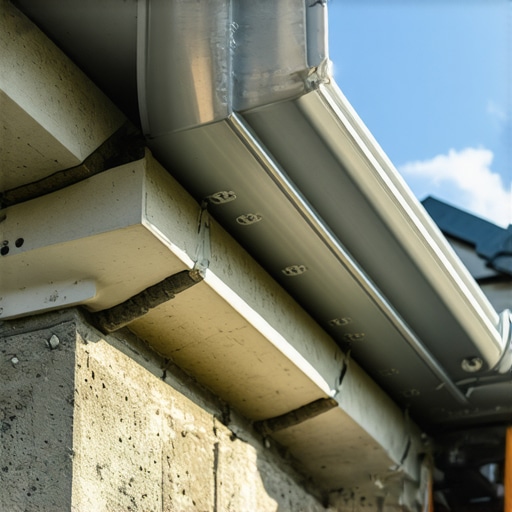
The Expensive Reality of Water Management
I have spent over twenty-five years in the trenches of exterior drainage and if there is one thing I have learned it is that water is a patient predator. It does not just fall from the sky; it seeks out the weakest point in your home structure. Most homeowners view their gutters as simple metal channels but they are actually precision engineered components of a critical defense system. I recently walked around a property where the owner was dealing with a massive settlement crack in their foundation. They had just spent three thousand dollars on a fancy interior waterproofing system but they ignored the root cause. A quick look at the roofline revealed the culprit: a 50 foot run of gutter with zero pitch and a single undersized leader that was completely choked with debris. Every time it rained the water would back up and spill over the fascia directly into the soil against the foundation. This is the hidden cost of neglecting your drainage system.
“Downspouts shall be sized based on the rainfall intensity of the region and the roof surface area.” – International Plumbing Code, Section 1106
The Hydro-Physics of Gutter Sizing Calculations
When we talk about gutter sizing calculations we are not just guessing. We look at the total square footage of the roof and the slope of the roof deck. A steep roof accelerates water velocity. During a heavy downpour water does not just fall into the gutter; it builds momentum. If you have a 12/12 pitch roof a standard 5 inch gutter is going to be overwhelmed by overshoot. The water hits the bottom of the gutter with such force that surface tension causes it to curl back toward the fascia or simply leap over the outer rim. This is where 6 inch or even 7 inch systems become mandatory. We must also calculate the carrying capacity of the leaders. A standard 2×3 inch leader can only move so much volume before it becomes a bottleneck. Upgrading to 3×4 inch leaders increases your drainage capacity by nearly 50 percent which is often the difference between a dry basement and a swampy nightmare.
The Specialized Challenges of Wood Shake Gutter Flashing
Homes with wood shake roofs require a level of expertise that most general contractors simply do not possess. Wood shake gutter flashing is a non-negotiable component. Unlike asphalt shingles which are relatively flat wood shakes are thick and irregular. This creates gaps where water can travel backward via capillary action. Without proper shake roof gutter protection and specialized flashing the water will rot out your starter strip services within a few years. I have seen beautiful cedar homes where the soffit and fascia were literally crumbling because the installer used standard drip edge instead of a dedicated gutter apron. Gutter apron installation ensures that the water transition from the roof deck into the trough is absolute with no chance of moisture reaching the wood structure behind the metal.
The Mechanical Failure of Cheap Hangers
One of the most overlooked cost factors is the mounting hardware. For decades the industry used spikes and ferrules which are essentially giant nails. Over time the expansion and contraction of the metal causes those spikes to back out. Once that happens your pitch/slope is ruined and the gutter begins to sag. I always insist on high-wind gutter anchors which are heavy-duty internal brackets that screw directly into the rafter tails. In regions prone to storms these anchors are the only thing keeping your system attached to the house. If you are in a high-wind zone standard 32-inch spacing is a recipe for disaster. We space them every 12 to 18 inches to ensure the system can handle the weight of water-logged debris or heavy snow loads.
“The gutter system must be securely attached to the building to withstand the expected wind and snow loads of the specific geographic location.” – SMACNA Residential Sheet Metal Guidelines
Winter Defense: Heated Gutter Cables and Ice Management
In cold climates the enemy changes from liquid to solid. Ice dams occur when heat escaping from the attic melts the snow on the roof which then refreezes at the cold eave. This ice can weigh hundreds of pounds and pull the entire system off the fascia. Heated gutter cables are a critical investment to keep the elbow and leader clear of ice blockages. These cables must be laid in a zigzag pattern along the eave and down into the end cap area to maintain a continuous path for meltwater. Without them you are looking at potential gutter repair services every spring as the weight of the ice twists the aluminum like a pretzel.
The Reality of Maintenance and Protection
I often hear homeowners ask about bird spike gutter protection or various guards. While bird spike gutter protection is effective at keeping pigeons from nesting in your miter corners it does not replace the need for cleaning. Organic sludge is inevitable. Even the best guards can be overcome by fine debris like oak tassels or pine needles. This is why pressure washing gutters is a double-edged sword. While it clears the debris high pressure can blow out the sealant at the seams. A professional gutter repair services team will instead focus on manual clearing and then checking the splash block and elbow connections for leaks. The goal is a system that moves water away from the house as fast as possible. Remember: every dollar you save on cheap gutter components today is a thousand dollars you will eventually spend on foundation repair tomorrow. Keep your pitch steep your hangers tight and your leaders clear.